




Traditional Wool Floor Mat
A traditional wool floor mat brings warmth and deep pattern to a room through centuries of woven heritage.
Traditional Wool Floor Mat
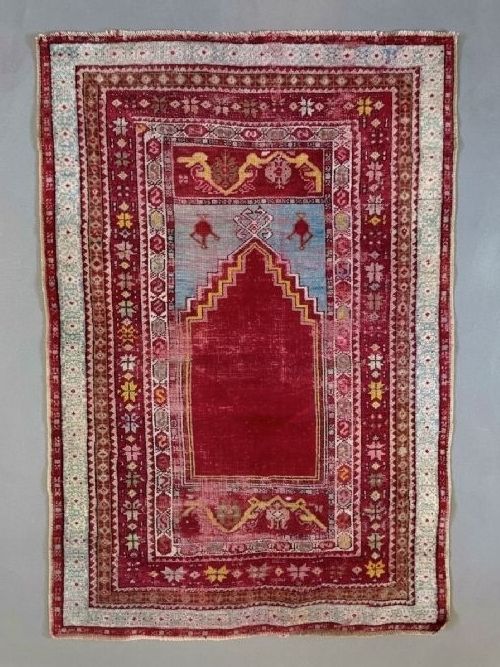
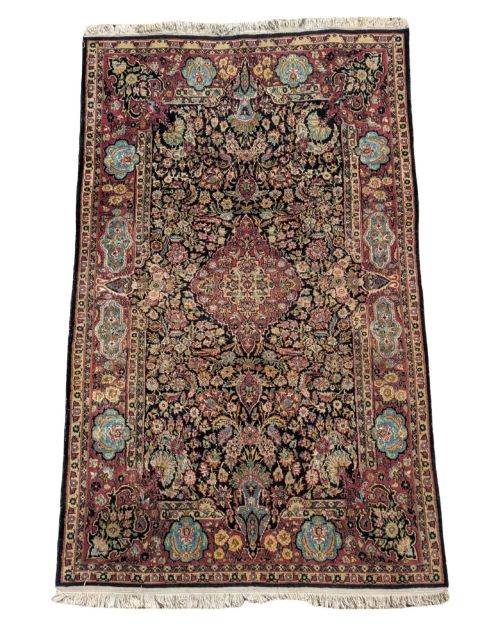
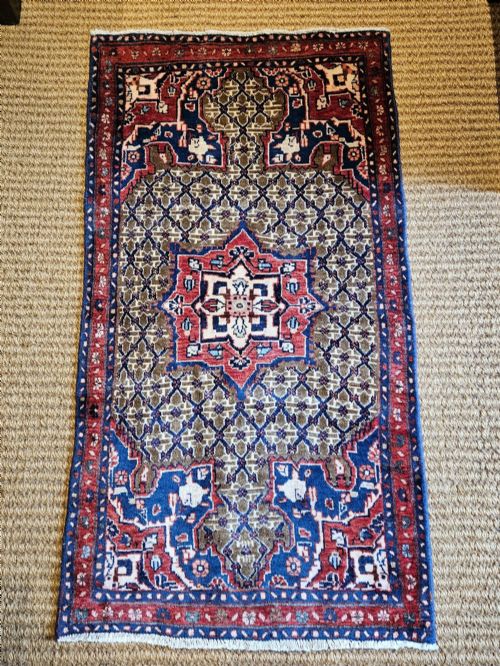
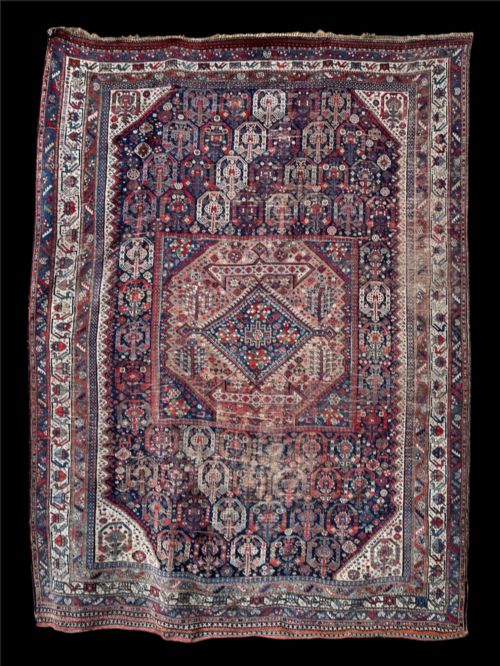
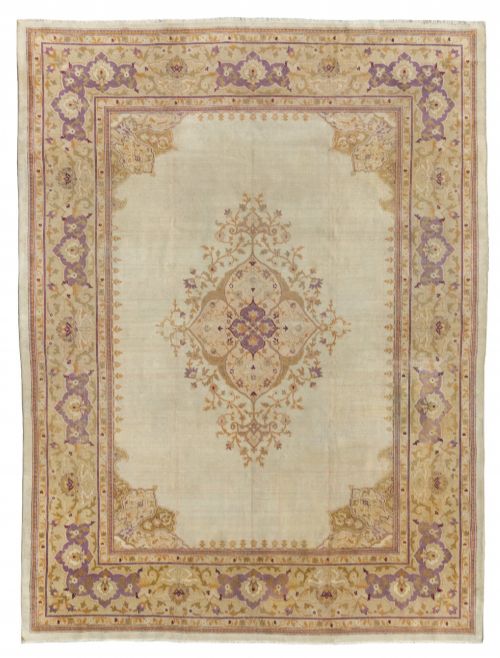
A traditional wool floor mat encompasses hand-woven carpets, runners, and tribal rugs originating from Persian, Caucasian, and Central Asian workshops. Buyers searching this phrase encounter floor coverings spanning from the late nineteenth century into the early decades of the twentieth century.
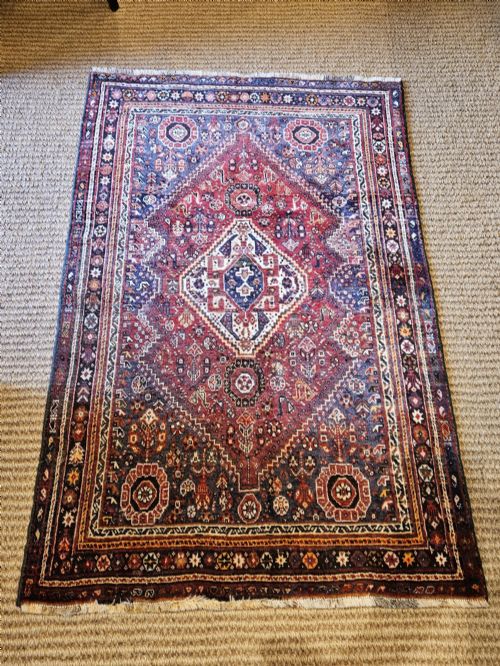
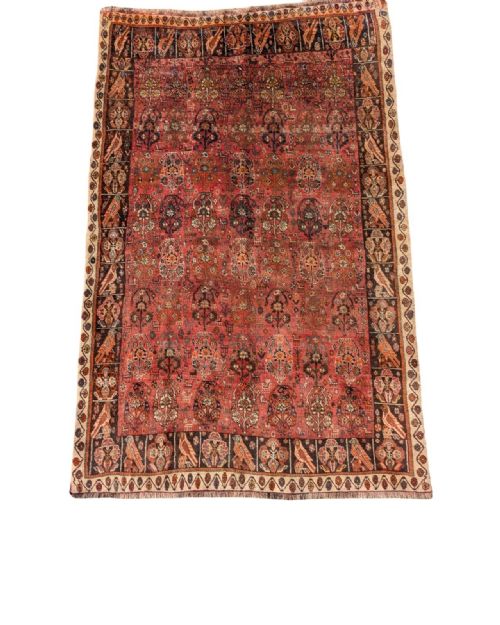
The pieces on this page range from room-sized carpets down to compact hearth-sized rugs and hallway runners. Tribal weaves and village productions sit alongside finely knotted city carpets.
Village weavers and nomadic groups created many of the listed examples for practical daily use, employing geometric motifs, floral vase designs, and repeated gul patterns.
How They Were Made
Weavers utilised hand-spun wool, cotton foundations, and occasional silk highlights to construct these textiles by hand. Natural dyes provided the rich palette of red, blue, and rust tones seen across the pieces.
Traditional flatweaving techniques, soumak construction, and dense pile knots defined the manufacturing process in Persian, Caucasian, and Turkmen regions. The resulting floor coverings combined durable material selection with structural resilience.
Listings span multiple decades from the late 1800s to the 1940s, featuring wool, cotton, silk, and natural dyes.
What Varies in Quality
Knot density and the precision of the woven design dictate the refinement of a carpet, separating simple village work from master city weaving. Finer foundations and tightly packed pile allow intricate motifs to hold their geometry over decades of use.
The depth and stability of the dye work determine the visual longevity of the rug. Natural colour sources yield harmonious patination, whereas lesser dye preparation alters the balance of the pattern as light touches the fibres.
Kashgai Tribe·Yomut Tribe·Kizyl Ayak Tribe
The Traditional Wool Floor Mat Glossary
- Gul
- A primary octagonal medallion motif frequently found in Turkmen and Central Asian carpet designs. It often repeats across the field to identify specific tribal groups.
- Prayer Rug
- A specialised format featuring a distinct mihrab or arch design at one end. Historically utilised for individual devotional use.
- Kilim
- A flat-woven carpet or rug produced without a pile. These pieces rely on interlocking weft threads to form crisp geometric patterns.
- Soumak
- A sturdy tapestry-weave technique that wraps supplementary weft threads over the warp. This method creates a textured surface distinct from standard knotted piles.
- Runner
- An elongated narrow format designed specifically for hallways and corridors. This shape guides movement through domestic spaces.
Traditional Wool Floor Mat: Frequently Asked Questions
How do I clean an old wool rug?
Gentle surface brushing and professional specialist washing preserve the natural lanolin within the wool fibres. Avoid harsh chemical immersion to protect the original dye stability.
Regular light vacuuming without a beater bar prevents dust accumulation in the pile base. Keeping the rug out of direct harsh sunlight protects the natural vegetable dyes from fading.
Where were these rugs made?
The listings originate primarily from Persia, the Caucasus region, and Central Asia. Nomadic tribes and village settlements produced the vast majority of these textiles.
Specific weaving traditions developed distinct regional characteristics in design, colour palette, and structural foundation. City workshops in locations such as Heriz and Kashan produced larger, formalized carpets.
Can I use these in hallways?
Narrow formats and hallway runners fit naturally into transitional spaces and corridors. Durable wool construction handles moderate foot traffic effectively.
Placing an appropriate rug underlay beneath the mat prevents slipping on smooth floors. The underlay also reduces friction between the wool foundation and the floorboards.
How do I identify tribal designs?
Tribal designs typically display repeated geometric motifs, hooked polygons, and stylized animal or human figures. Weavers from confederacies like the Khamseh worked from memory rather than drawn cartoons.
Asymmetrical structures and variations in border symmetry often point toward nomadic or village origins. These spontaneous design choices separate tribal work from standardised city carpets.