





Traditional Oriental Floor Carpet
These traditional oriental floor carpet examples bring centuries of woven artistry, rich dye palettes and enduring regional designs straight into domestic spaces.
Traditional Oriental Floor Carpet
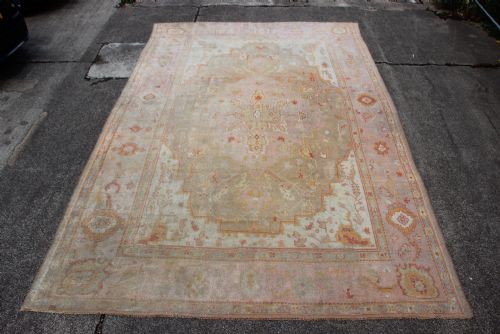
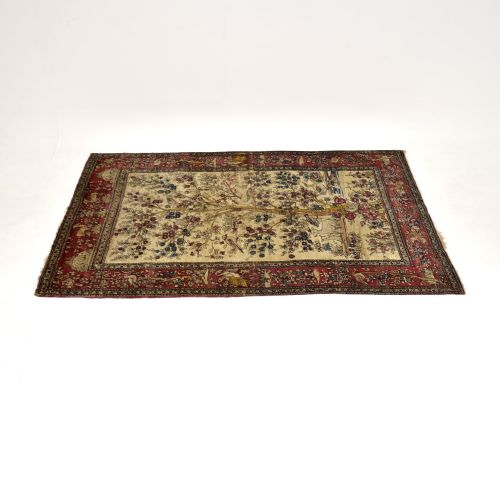
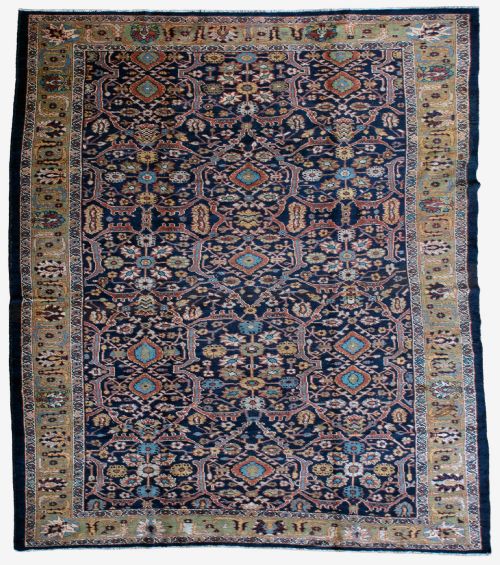
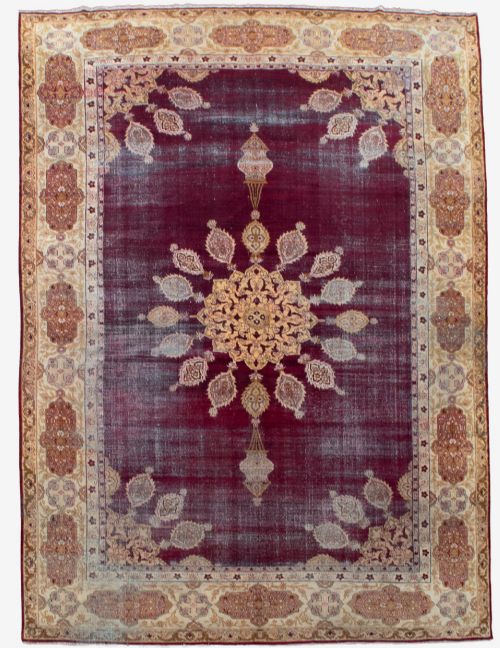
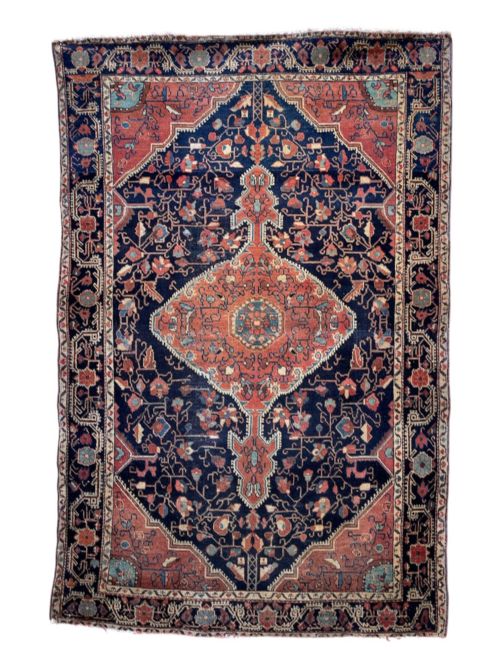
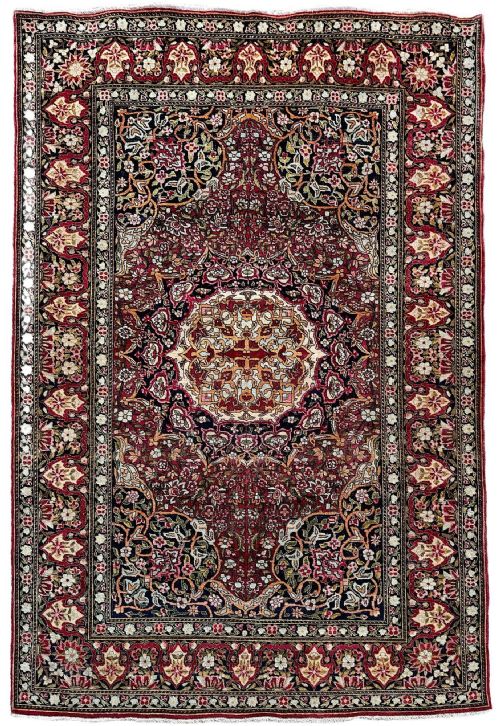
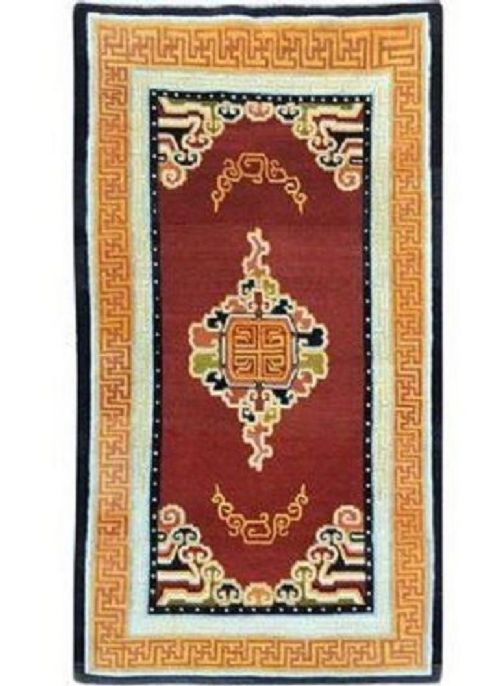
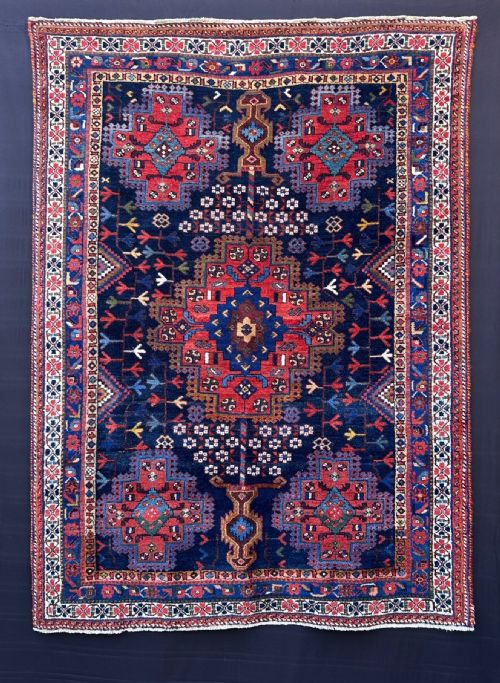
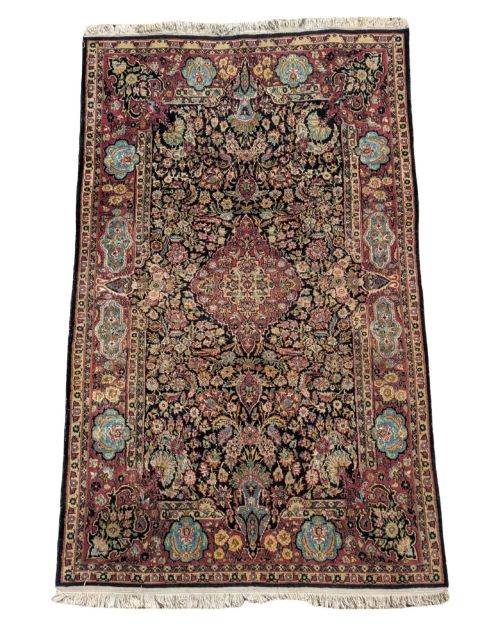
The material forms range from large country house carpets exceeding five metres in length down to compact village rugs and narrow hallway runners. Tribal pieces from regions like Kurdistan, Baluchistan and the Khamseh Confederacy appear alongside city and village workshops such as Heriz, Saroukh, Oushak, Bidjar and Kashan. Each piece reflects the specific weaving traditions, layouts and colorways characteristic of its original provenance.
Materials and construction methods
Weavers constructed these traditional oriental floor carpet pieces predominantly using wool piles set on sturdy cotton foundations, though certain examples incorporate silk highlights or feature fully woolen structures. Natural dyes provided the foundational palette, yielding the deep reds, warm indigos, rust tones and sky blues seen across the inventory.
Hand-knotting techniques varied by region, resulting in differing pile densities and structural rigidity between sturdy village rugs and finely detailed city carpets. Tribal and village weavers often utilised coarse, resilient wools suited to domestic use, while workshop productions employed precise knotting to execute intricate medallion and floral layouts.
Regional attributions on this page include Persian, Turkish, Caucasian and Turkmen origins, covering formats from compact village rugs to expansive country house carpets.
Distinguishing quality in woven floor coverings
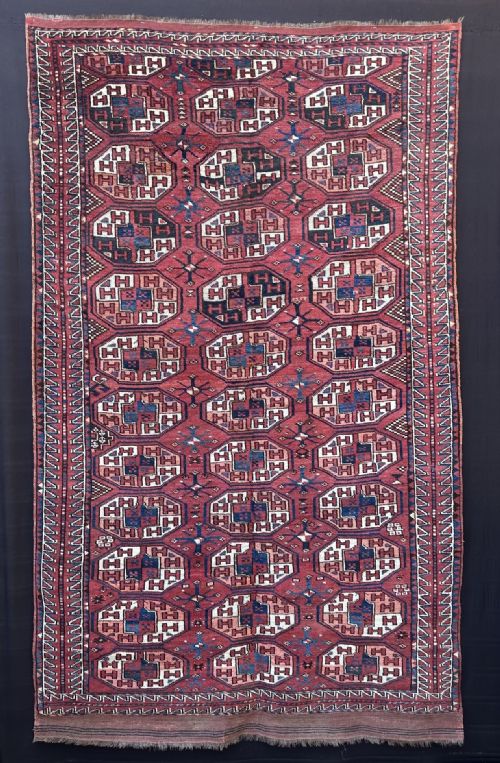
Quality in a traditional oriental floor carpet rests upon the precision of the knotting, the balance of the composition and the depth achieved by natural dyestuffs. Finer workshop pieces demonstrate meticulous execution in curvilinear floral motifs, whereas robust tribal carpets derive their distinction from bold geometric guls and spirited colour saturation.
The integrity of the foundation warps and wefts alongside the preservation of original selvedges and end finishes determines the structural merit of older carpets. Harmonious age-softened palettes and balanced secondary borders separate exceptional regional examples from standard utility productions.
Kizyl Ayak Tribe·Ersari Tribe·Baharlu Tribe
The Traditional Oriental Floor Carpet Glossary
- Gul
- A repeating medallion or octagonal motif frequently found in Turkmen and Baluch tribal carpets. These motifs often act as clan emblems and structure the field pattern.
- Kelleh
- A large format rectangular carpet, typically longer than a standard rug but narrower than a full room-sized main carpet. This format suits gallery spaces and long rooms.
- Selvedge
- The bound or reinforced lateral edges of a carpet that protect the structure from fraying. Original selvedges indicate a well-preserved textile.
- Warp
- The vertical foundation threads stretched lengthwise on the loom before knotting begins. Weft threads pass horizontally between the warps to secure the knots.
- Medallion
- A central ornamental design element placed in the middle of the carpet field, common in Persian workshop carpets like those from Heriz and Oushak.
Traditional Oriental Floor Carpet: Frequently Asked Questions
How do I choose the right size?
Measure your floor space carefully, allowing clear margins of exposed flooring around the edges of the traditional oriental floor carpet to frame the piece properly within the room.
Consider the traffic level of the area, as larger room-sized carpets anchor living spaces while long runners suit hallways and transitional corridors.
How should I clean my carpet?
Gentle, regular vacuuming without a rotating brush roll helps remove embedded dust and grit from the wool pile without damaging the antique foundation threads.
Professional specialist cleaning is recommended for deeper maintenance to protect natural dyes and prevent fibre distortion.
Are these carpets suitable for heavy traffic?
Many traditional oriental floor carpet items were woven for demanding domestic use by village and tribal communities using robust wool and sturdy construction.
Placing an appropriate underlay beneath the carpet provides extra cushioning and reduces friction against hard flooring surfaces.
How do I identify tribal designs?
Tribal pieces often display geometric guls, repeating tribal motifs and asymmetric layouts stemming from nomadic or village traditions rather than formal city workshops.
Palette choices in tribal weaves frequently rely on saturated red, blue and earthy tones derived from traditional natural dye sources.