



Khamseh Confederacy Carpet
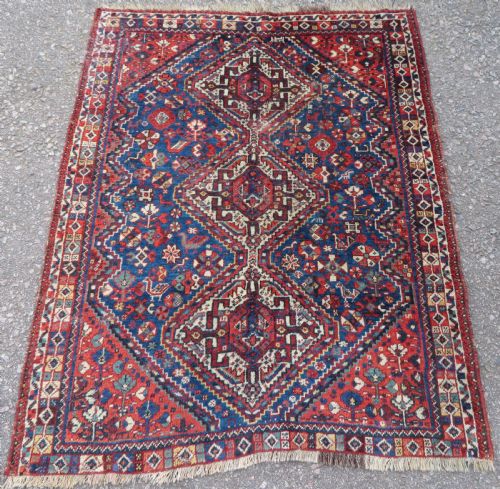
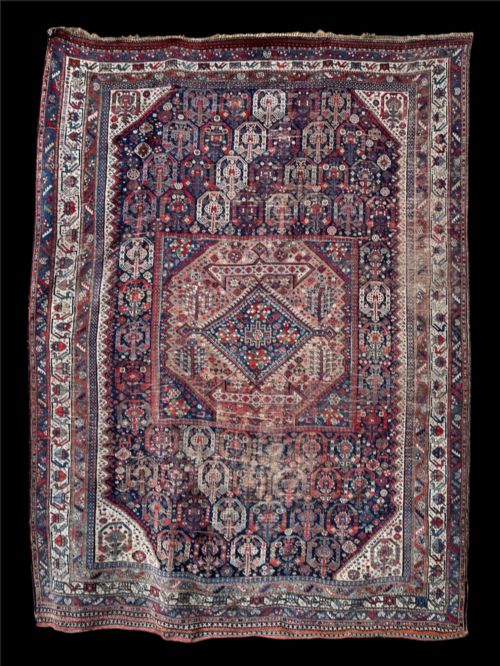
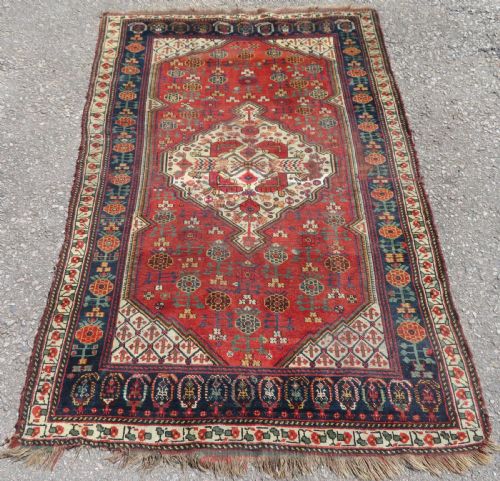
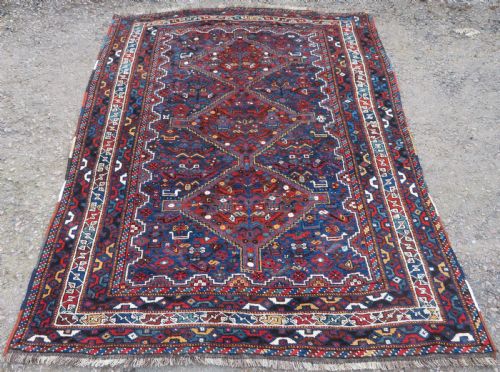
A khamseh confederacy carpet is a striking Persian tribal weaving from the south-west, prized for its saturated palette and intricate geometric motifs.
Khamseh Confederacy Carpet
A khamseh confederacy carpet brings the rich weaving traditions of south-west Persia directly to the floor, created by nomadic and confederated tribes of the Fars province. Buyers searching for a khamseh confederacy carpet encounter rugs and main carpets attributed to specific sub-groups such as the Baharlu and Tayefeh.
The pieces available span from the late nineteenth century into the early twentieth century, showing periods like 1870, 1880, 1890, and 1910. These floor coverings range from compact area rugs to substantial main carpets and elongated kelleh formats.
Geographic origins remain anchored in south-west Persia, identifying these works as authentic expressions of Persian tribal artistry. Main carpets and smaller tribal rugs dominate the selections, offering distinct room proportions.
How They Were Made
The structural foundation of these tribal carpets relies on sturdy cotton warps and wefts to support dense wool pile. Artisans selected local wool for its resilience, which accepts traditional dye methods effectively.
Weavers constructed each rug by hand within nomadic or village settings, integrating intricate tribal symbolism and pictorial elements like the pecking chickens motif into the field designs.
What Varies in Quality
Weaving density and clarity of design separate standard utility pieces from exceptional tribal examples. Tighter knotting allows geometric borders and field medallions to hold crisp definition.
The preservation of the original wool pile and structural integrity defines the condition tier across these antique textiles. Even with historical wear and distress, strong foundation integrity maintains the character of the piece.
Baharlu Tribal·Tayefeh Fars
The Khamseh Confederacy Carpet Glossary
- Khamseh Confederacy
- A coalition of five nomadic and semi-nomadic tribes in south-west Persia. This alliance produced textiles combining diverse cultural design influences from the Fars province.
- Baharlu
- One of the constituent tribes within the Khamseh confederacy. Weavings attributed to this group often display distinct tribal motifs and colour palettes.
- Tayefeh
- A specific clan or sub-group within the regional tribes. Pieces bearing this attribution link directly to particular weaving lineages.
- Kelleh
- A long, narrow format of Persian carpet traditionally used in specific room layouts. This rectangular shape differs from standard square main carpets.
- Fars Province
- A historical region in south-west Persia known for nomadic pastoralism. It serves as the geographical origin for Khamseh and related tribal weaving traditions.
Khamseh Confederacy Carpet: Frequently Asked Questions
Where were khamseh confederacy carpets made?
These carpets originate from the Fars province in south-west Persia, produced by the confederated nomadic tribes of the region. Local weavers utilised traditional materials specific to their communities.
The distinct tribal iconography reflects the cultural heritage of the various groups forming the confederacy.
How do I style a tribal carpet?
A tribal carpet anchors a room by introducing rich geometric patterns and deep saturated colours to the interior space. Pairing the rug with neutral wooden floors allows the intricate motifs to stand out.
Consider the scale of the room to ensure the rug dimensions, whether an area rug or a long kelleh, suit the layout.
What motifs appear on these rugs?
Designs typically feature geometric medallions, stylized animal forms, and traditional Persian tribal symbols. Certain pieces include specific pictorial elements, such as the pecking chickens motif.
These patterns represent generations of nomadic design vocabulary passed down through the tribes.
How do I date an antique carpet?
Dating relies on stylistic analysis, material composition, and structural characteristics recorded across late nineteenth and early twentieth-century examples. Comparing the wool quality and dye palette helps place the weaving within periods like 1890 or 1910.
Historical attributions connect specific structural traits to the active periods of the Fars weaving traditions.