





South Persian Nomad Rug
A south persian nomad rug brings the graphic geometry and rich natural dyes of tribal weaving directly into a modern interior.
South Persian Nomad Rug
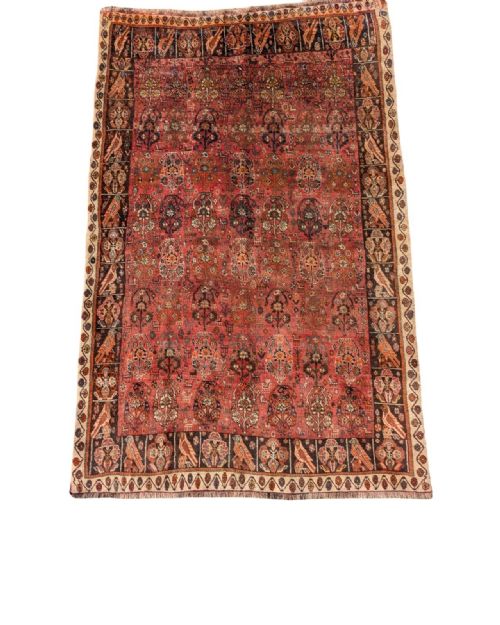
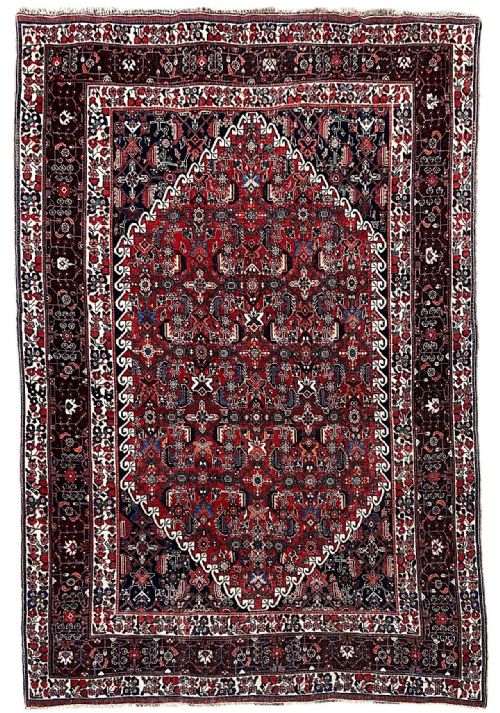
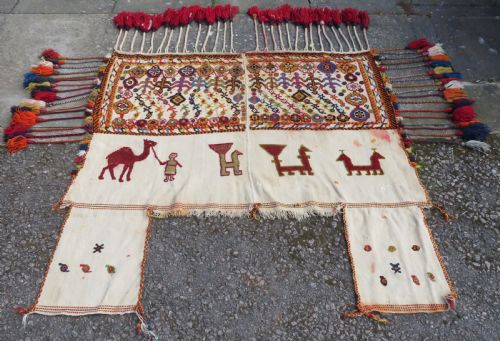
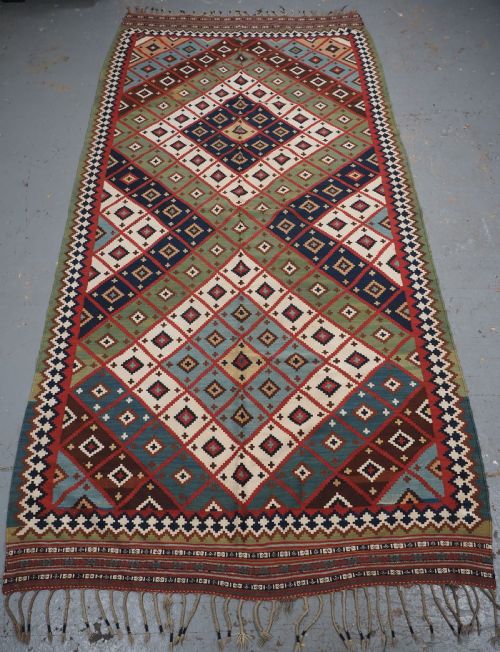
A south persian nomad rug encompasses practical tribal textiles and floor coverings produced by pastoral groups across the southern provinces of Persia. Buyers exploring this category encounter varied formats, ranging from full-scale floor carpets and flatweave kilims to utilitarian items like bread sofrehs, tobacco bags, and horse blanket covers.
The objects listed span decades from the mid nineteenth century through the early twentieth century, capturing the traditional output of tribal weavers. Qashqai and Afshar groups dominate these pieces, reflecting distinct regional designs rooted in Fars and Kerman provinces.
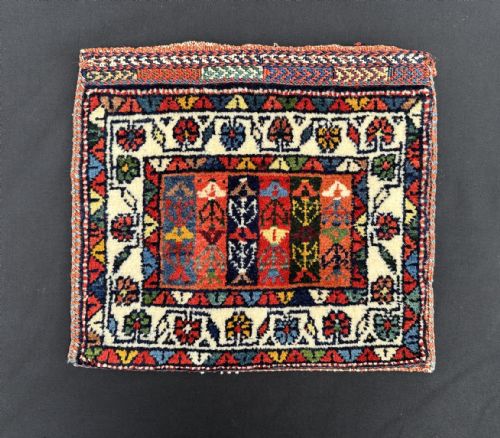
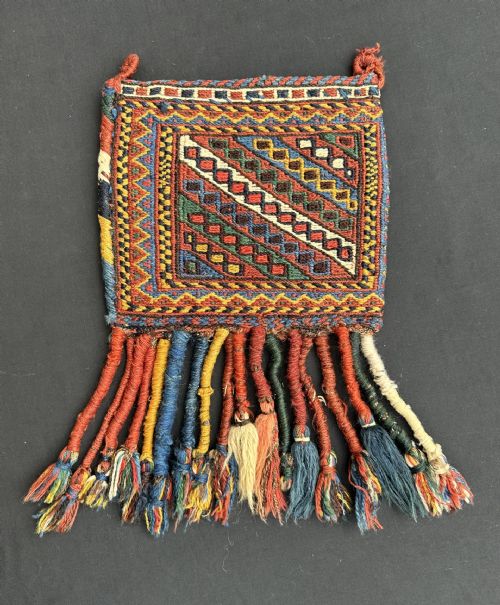
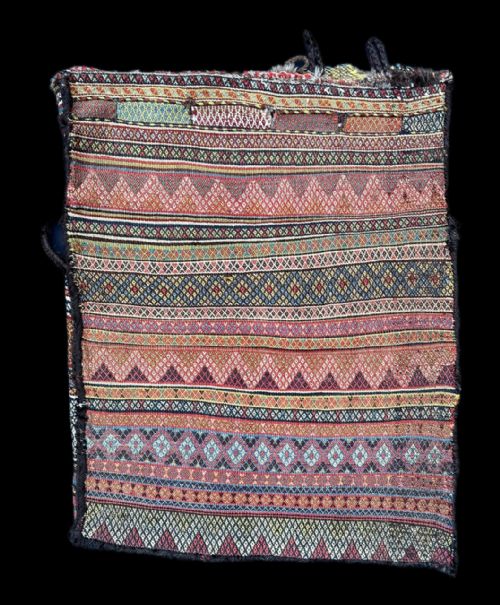
While large carpets appear among these textiles, smaller formats such as vanity bags and storage pouches recur frequently. Each piece demonstrates the functional artistry of nomadic makers who wove for daily domestic use rather than commercial export.
What varies in quality
Quality in these tribal textiles rests upon the density of the weave, the clarity of the tribal motifs, and the vibrancy of the natural dyes. Finer knotting allows intricate pictorial elements, such as architectural pillars, to appear with distinct precision.
The handling of natural colour shifts across the field distinguishes superior weaving. Tonal variations that occur naturally through dye batches impart depth, whereas muddy or heavy-handed dye mixtures diminish the visual impact of the geometric design.
Listings feature pieces utilising wool, cotton, and natural dyes across tribal textile forms dated between 1860 and 1930.
The South Persian Nomad Rug Glossary
- Sofreh
- A flatwoven table or cloth used primarily for kneading dough, serving meals, or handling bread in nomadic households. These items frequently display bold geometric layouts.
- Kilim
- A tapestry-woven carpet or rug produced without a pile. This technique creates a lightweight textile with identical patterns visible on both sides.
- Abrash
- A natural variation in rug colour caused by subtle shifts in dye batches or wool types during the weaving process. It creates a banded or mottled appearance across the field.
- Half-saddlebag face
- The decorative front panel of a utilitarian animal bag intended for transport on a pack animal. These panels preserve intricate tribal iconography in a compact format.
South Persian Nomad Rug: Frequently Asked Questions
How do I care for a tribal rug?
Vacuum gently without a rotating brush to protect the wool pile from excessive friction. Professional cleaning suited to antique textiles preserves the natural fibres and dyes.
Keep the rug away from direct, harsh sunlight to prevent fading. Rotating the piece periodically ensures even wear in high-traffic areas.
Where were these nomadic rugs made?
Weavers produced these textiles across the southern regions of Persia, particularly within the Fars and Kerman provinces. Pastoral groups moved seasonally through these territories, carrying portable looms.
Tribes such as the Qashqai and Afshar settled temporarily in these landscapes, drawing inspiration from local architecture and natural surroundings for their motifs.
Can I use storage bags as wall art?
Many collectors mount smaller items like vanity bags and saddlebag faces on walls to display their intricate geometry safely. Hanging spreads the weight evenly across a supporting sleeve or rod.
This method keeps delicate flatweaves and pile panels away from foot traffic while highlighting their detailed craftsmanship at eye level.
What indicates an older tribal piece?
Subtle indicators of age include fully natural dye palettes, hand-spun wool with characteristic irregularities, and traditional tribal motifs tied to specific nineteenth-century groups. Structural wear patterns often align with genuine domestic use.
Construction details, such as primitive selvedges and unrefined finishing, point to traditional nomadic production methods rather than later commercial replication.