
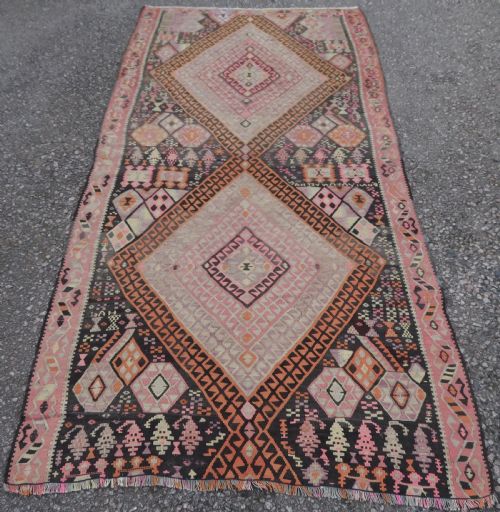
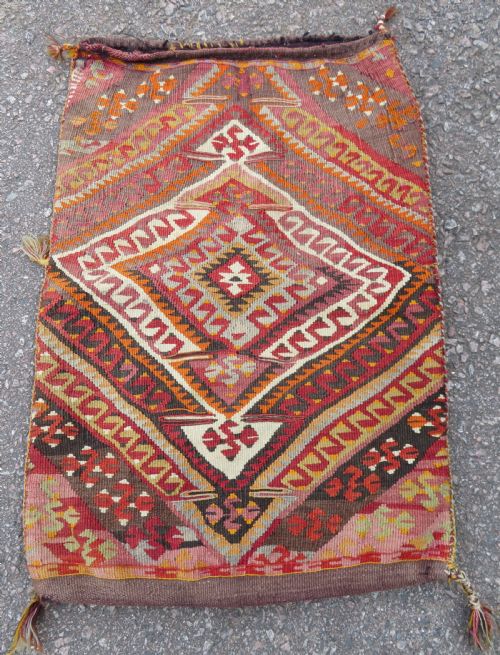
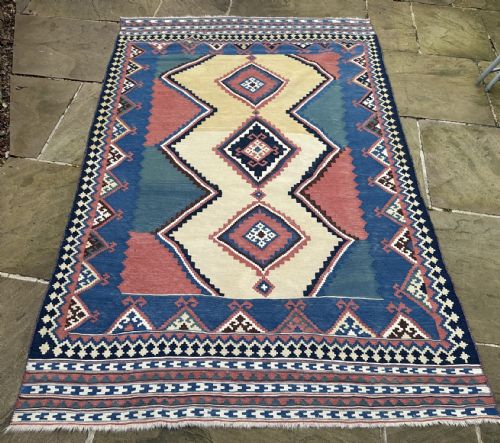
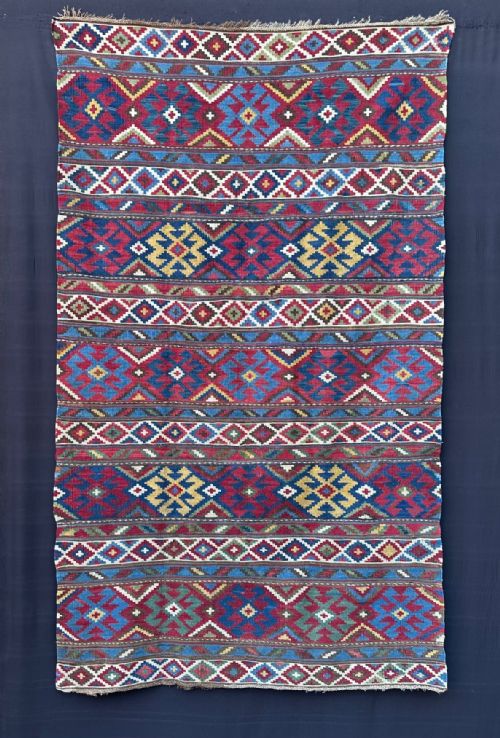

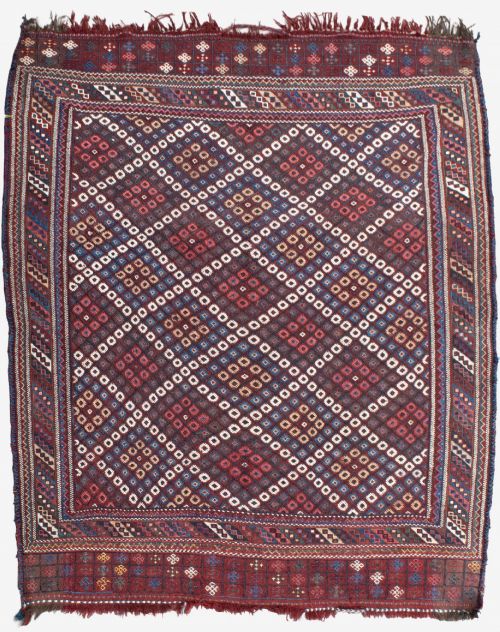


Wool Tribal Kilim Rug
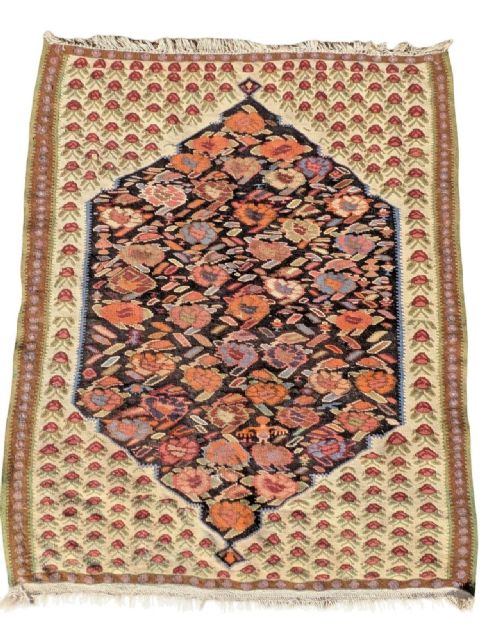
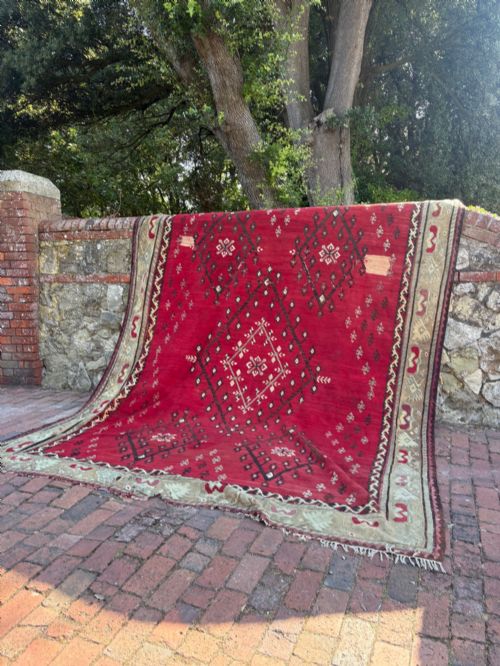
A wool tribal kilim rug brings flatweave nomadic craftsmanship into a room, offering geometric patterns and rich textures woven by regional makers.
Wool Tribal Kilim Rug
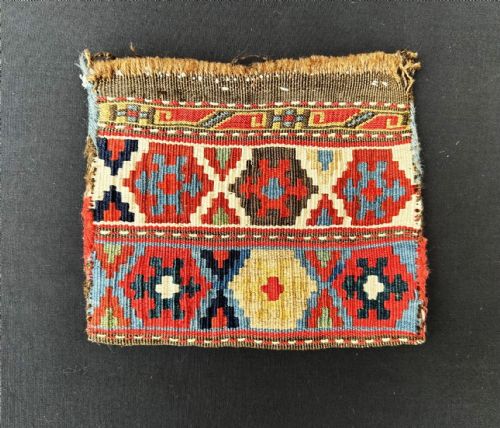
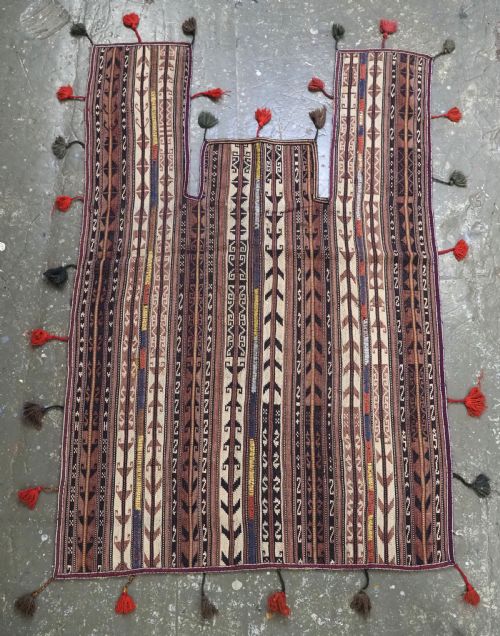
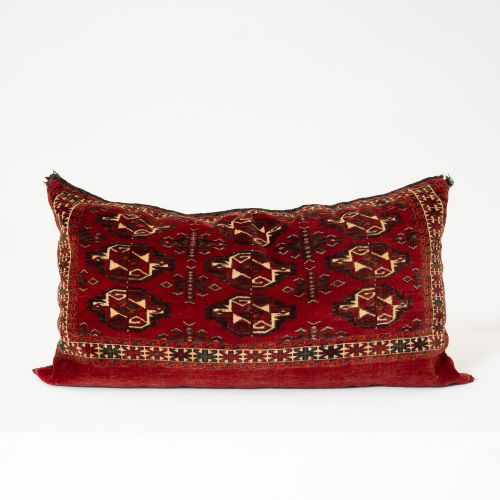
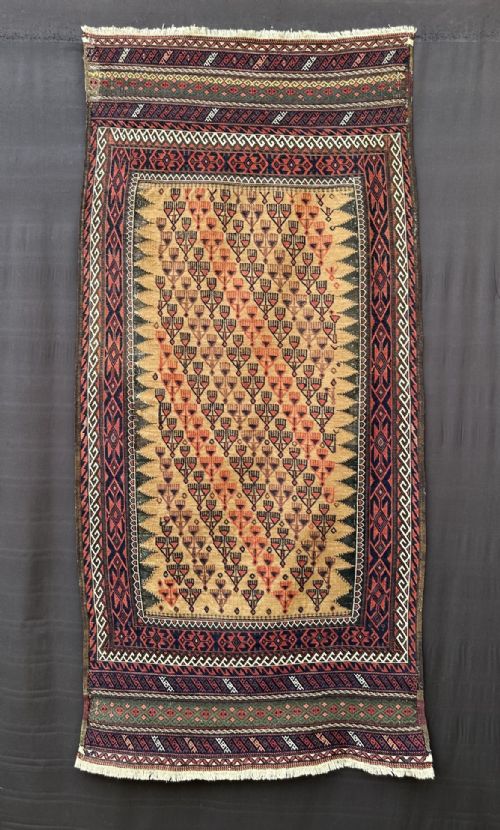
A wool tribal kilim rug represents flatweave textiles created by nomadic groups and village weavers across Persia, the Caucasus, Anatolia, and Central Asia. These items include large carpets, runners, cushions, vanity-bags, and ceremonial bread sofreh cloths produced for daily utility or tribal life.
The most common versions met on this page span the late nineteenth century into the early twentieth century, reflecting regional weaving traditions from Shirvan, Qashqa'i, Afshar, and Yomut Turkmen groups. Buyers encounter diverse formats, from long hallway runners to compact saddle bags and square dining spreads.
Geographic origins dictate the distinct visual language of each piece, linking specific motifs and structures to the particular heritage of tribes such as the Bakhtiari, Shahsevan, and Baluch. These textiles function equally well as floor coverings or wall hangings within modern interiors.
Materials and construction methods
Weavers constructed each wool tribal kilim rug using hand-spun wool and occasional cotton foundations, bound tightly in slit-weave flatweave techniques without a pile. Artisans relied on natural dyes to colour the yarns, producing deep earthy tones and soft secondary shades that mellow gracefully with age.
Nomadic workshops integrated goat hair for added structural durability along the outer edges and selvedges, reinforcing pieces intended for heavy transport or domestic use. The warp and weft threads were beaten down firmly with heavy combs during creation, yielding a dense, resilient textile structure.
Listings feature wool tribal kilim rug examples dated from the mid-nineteenth century through the 1940s, originating across Persian, Caucasian, and Anatolian regions.
Factors determining textile quality
Quality in a wool tribal kilim rug rests on the tightness of the weave, the clarity of the geometric iconography, and the integrity of the natural dye palette. Tighter interlacing of the wool yarns creates a firmer, longer-lasting flatweave capable of withstanding heavy foot traffic.
The sophistication of the tribal design influences overall distinction, with unusual pictorial elements or complex banded layouts demonstrating superior artistic ambition. Preservation of original finishes, such as intact kilim ends and undamaged borders, marks a higher standard of historical survival.
The Wool Tribal Kilim Rug Glossary
- Kilim
- A flatweave textile produced without a pile by tightly interweaving warp and weft threads. These rugs serve as versatile floor coverings and decorative domestic items.
- Sofreh
- A cloth utilised for spreading meals, kneading bread, or serving food within nomadic households. These square or rectangular textiles often display striking geometric field designs.
- Sumak
- A technique of wrapping supplementary decorative weft threads around the warp yarns to create a textured, durable surface. This method produces raised patterns resembling embroidery.
- Mafrash
- A large woven storage bag or container panel used by nomads for transporting household possessions during migration. They frequently feature banded flatweave designs.
- Warp
- The stationary vertical threads stretched across a loom that form the structural foundation of the textile. Weft yarns pass over and under these foundational strands.
- Natural Dyes
- Organic colourants derived from plants, insects, and minerals utilised to dye wool yarns before weaving. These substances yield complex, harmonious hues that age with distinct character.
Wool Tribal Kilim Rug: Frequently Asked Questions
How were these rugs originally used?
Nomadic and village communities utilised these flatweaves for multiple domestic purposes, ranging from floor coverings and bedding to animal covers and food preparation mats. Specialised pieces functioned as storage containers during seasonal migrations.
Dining cloths collected flour and bread crumbs, while smaller bags held salt, personal belongings, or horse equipment within tribal tents.
How do I care for a flatweave rug?
Gentle vacuuming without a rotating brush roll helps remove embedded dust from the flatweave structure. Keeping the textile out of direct sunlight prevents natural dyes from fading prematurely.
Professional cleaning tailored to antique wool textiles ensures the structural integrity of the flatweave remains intact over decades of use.
How do I distinguish regional styles?
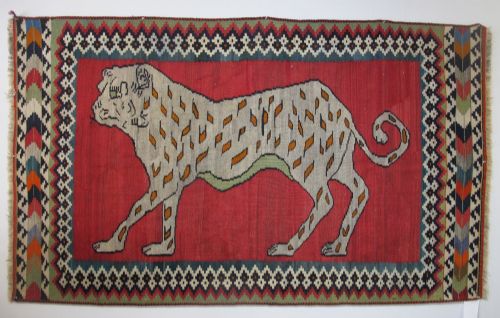
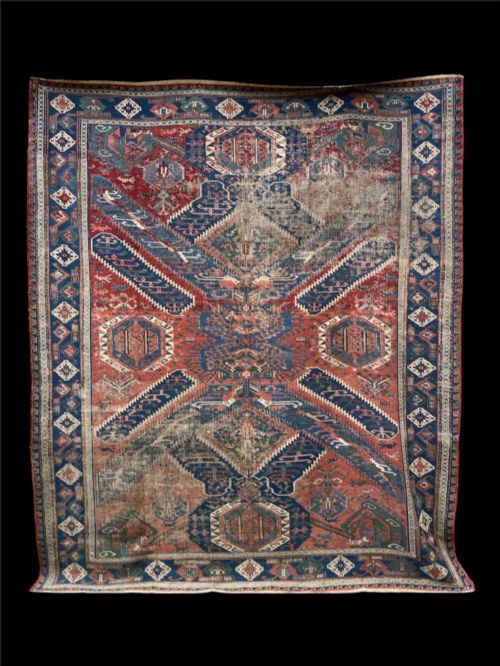
Caucasian pieces tend to display crisp, angular geometric medallions and stark colour contrasts. Persian tribal examples from groups like the Qashqa'i often feature boteh motifs, animal figures, and rich madder-red backgrounds.
Anatolian flatweaves frequently incorporate larger tribal symbols and banded layouts unique to specific village weaving centres.
Can I place these textiles on the floor?
Most durable flatweaves function well on floors when paired with a quality non-slip underlay to prevent sliding and reduce friction. High-traffic areas require sturdier, tightly woven examples to ensure long-term preservation.
Finer or more delicate formats, such as smaller bags and ceremonial cloths, often suit wall display or low-traffic zones better.