



Antique Persia Kilim Rug
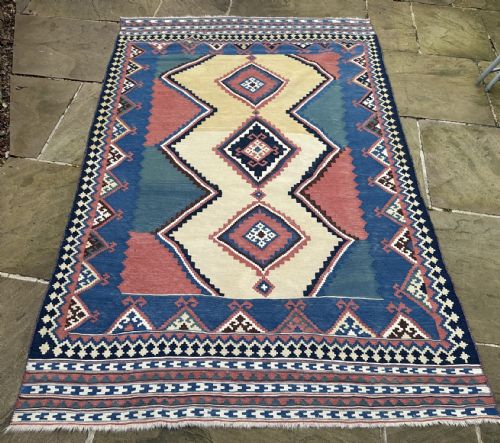
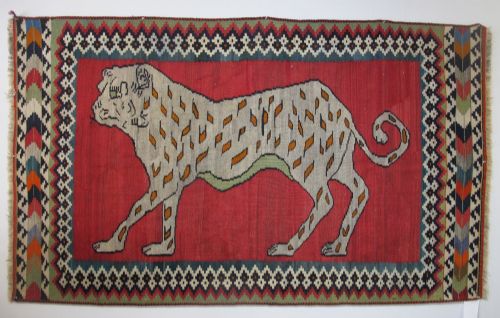
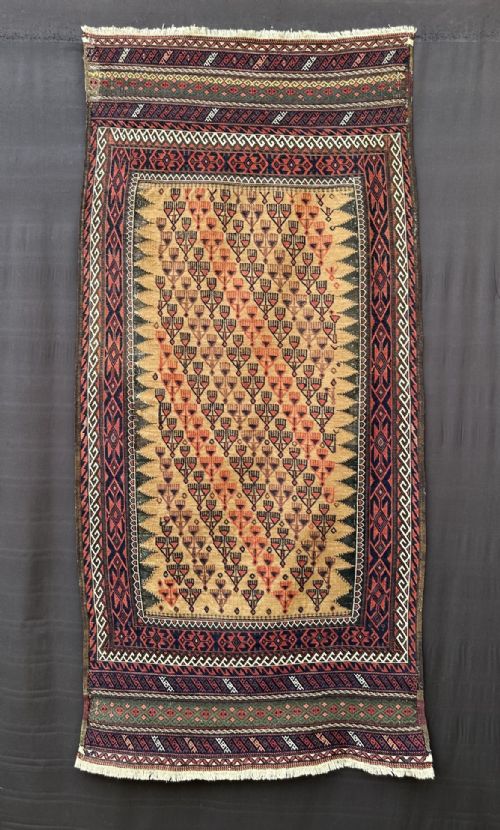
An antique persia kilim rug brings the hand-woven artistry of nomadic tribes into your home through flat-woven textiles.
Antique Persia Kilim Rug
An antique persia kilim rug encompasses flat-woven tribal textiles originating from various regions across Persia, including western, southern, and north-eastern territories. These pieces include utilitarian items such as bread sofreh, wheat sacks known as tacheh, dining cloths, and saddle bags produced by nomadic confederacies.
The selection on this page relies heavily on tribal works from groups such as the Qashqa'i, Luri-Bakhtiari, and Afshar peoples. Buyers encounter flatweaves created for practical domestic or nomadic storage use rather than standard floor carpets.
How they were made
Weavers constructed these flatweaves using hand-spun wool, often supplemented by cotton foundations, goat hair, and camel hair for structural durability. Natural dyes provided the characteristic palette derived from local flora and fauna.
Techniques relied on slit-tapestry weaving, where discontinuous wefts created sharp geometric patterns without pile. Additional reinforcement utilised leather and metal components on functional items like storage bags.
Nomadic weavers packed bread and wheat inside these decorated textiles, turning everyday kitchen storage into portable folk art.
What varies in quality
The finesse of the weave and the complexity of the geometric motifs dictate the standing of an individual piece. Tightly beaten wefts and intricate tribal iconography distinguish superior examples from simpler utilitarian objects.
The purity and depth of the natural dyes, alongside the preservation of the original starting and ending borders, govern the overall integrity of the textile.
The Antique Persia Kilim Rug Glossary
- Sofreh
- A flat-woven cloth used for dining, food preparation, or bread making among nomadic groups. These textiles often feature minimalist central fields flanked by tribal borders.
- Tacheh
- A traditional wheat sack or storage bag woven by nomadic weavers. They display sturdy construction designed to hold grain.
- Soumak
- A wrapping technique used to create a brocade-like face on flat-woven textiles. This method leaves floating threads on the reverse side.
- Kilim
- A pileless flat-woven rug produced by tightly interweaving warp and weft strands. This construction yields a lightweight, flexible textile.
Antique Persia Kilim Rug: Frequently Asked Questions
How were sofreh cloths used?
Nomadic families spread these flat-woven cloths upon the ground to serve meals or knead bread dough. They protected food from dirt and were folded away when not in use.
Over time, these utilitarian cloths became canvases for traditional tribal patterns passed down through generations of weavers.
How do I identify tribal origins?
Distinct regional palettes, structural materials, and specific geometric motifs point toward particular tribal confederacies. For instance, Qashqa'i pieces often emerge from the Fars province.
Examining the specific weave structure and secondary fibres helps narrow down whether a piece originates from western or north-eastern weaving traditions.
Can flatweaves be used on floors?
These durable textiles suit low-traffic floor placements or wall hanging displays. Their flat-woven structure lacks pile, making them lighter than standard carpets.
Using a suitable underlay helps protect the historic wool fibres from excessive wear in living spaces.