




Antique Persia Floor Runner
An antique persia floor runner brings centuries of regional weaving traditions into a long hallway, offering durable wool structure and intricate tribal patterns.
Antique Persia Floor Runner
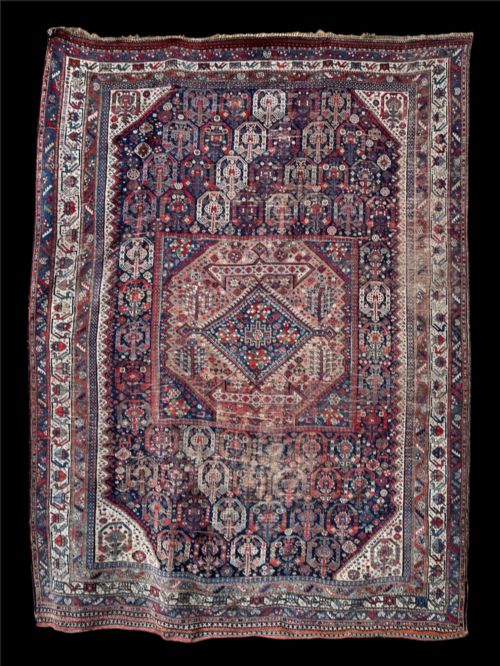
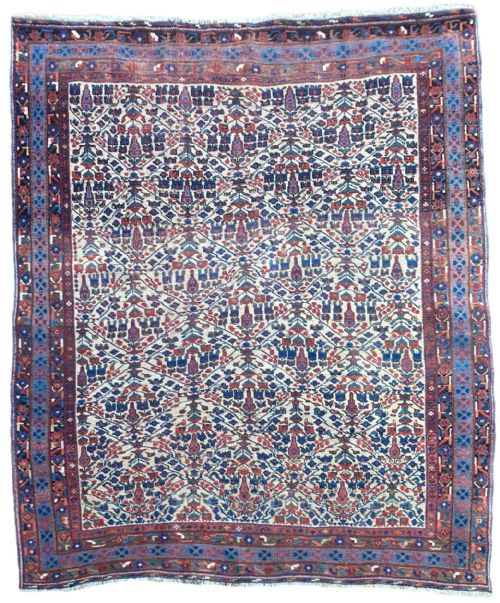
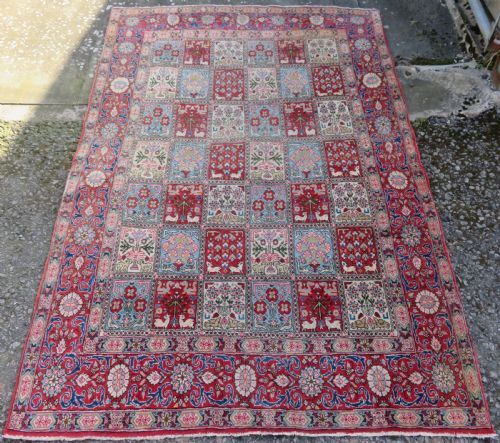
When buyers search for an antique persia floor runner, they encounter hallway rugs and long runners originating from nineteenth and early twentieth-century Persian workshops and nomadic tribes. These elongated textiles served practical purposes in traditional homes while displaying distinctive regional geometries and medallion layouts.
The selections available here span diverse weaving traditions from regions such as Heriz, Bakhtiari, and Kurdish areas. Pieces range from narrow tribal runners to larger long carpets suited for extended corridors and galleries.
Materials and Construction
These floor coverings rely fundamentally on natural wool pile hand-knotted onto sturdy cotton foundations. Weavers utilised organic dyes derived from plants and minerals to achieve rich, enduring hues across the field.
The tension of the knotting and the density of the weave determine the structural integrity of each runner. Village and nomadic weavers employed upright or horizontal looms, passing weft threads firmly through warp strands after each row of knots.
Listings span periods from the nineteenth century through the nineteen-thirties, utilising wool and cotton across various Persian regional styles.
Assessing Quality
Quality rests upon the precision of the knot density and the crispness of the drawn motifs. Finer village and city workshops achieved sharper geometric definition, whereas tribal pieces often display charming irregularities in line and dye saturation.
The preservation of the original outer borders and selvedges dictates the structural wholeness of an antique runner. Consistent pile height and uniform width along the entire length distinguish superior examples from heavily restored pieces.
The Antique Persia Floor Runner Glossary
- Runner
- A long, narrow carpet specifically proportioned for corridors, hallways, and staircases.
- Warp
- The stationary vertical threads stretched upon the loom that form the foundation of the rug.
- Weft
- The horizontal strands passed through the warp threads to hold the knots in place.
- Selvedge
- The finished, reinforced outer edges of a rug that prevent the sides from fraying.
- Gul
- A medallion or repeating octagonal design motif frequently found in tribal weaving.
Antique Persia Floor Runner: Frequently Asked Questions
Where should I place a runner?
These long formats suit narrow hallways, entryways, and passages where foot traffic requires durable floor coverings.
They also function effectively alongside long kitchen islands or beside bedroom furniture to add warmth underfoot.
How do I care for wool rugs?
Regular gentle vacuuming without a rotating brush roll prevents dust from settling deep into the wool pile.
Professional specialist cleaning every few years maintains the integrity of the natural dyes and fibres.
Are these runners made by nomads?
Many pieces originate from tribal confederations and village weavers who produced textiles for everyday utility and local trade.
Other examples stem from established urban workshops and regional centres such as Heriz or Senneh.
How do I identify different regional styles?
Regional attribution relies on characteristic palette choices, border arrangements, and repeating geometric or floral motifs.
Kurdish and Bakhtiari pieces often display distinct tribal medallion layouts, while city rugs feature refined curvilinear patterns.