

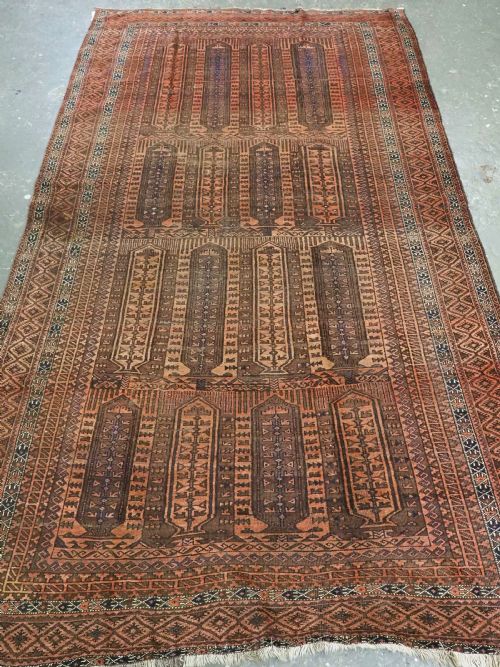
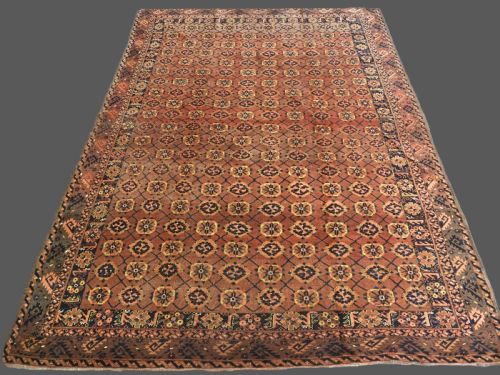
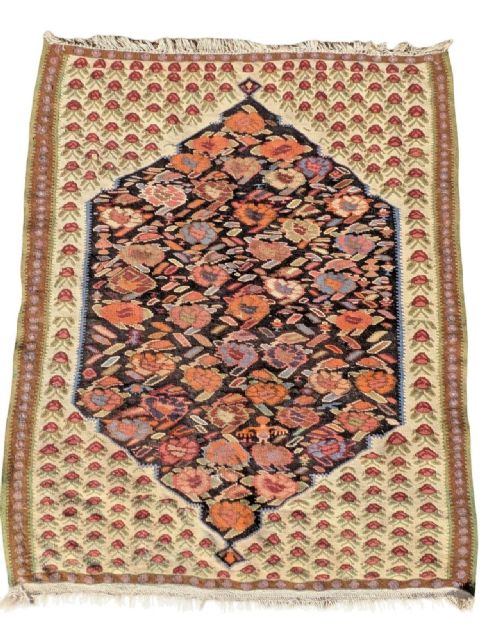
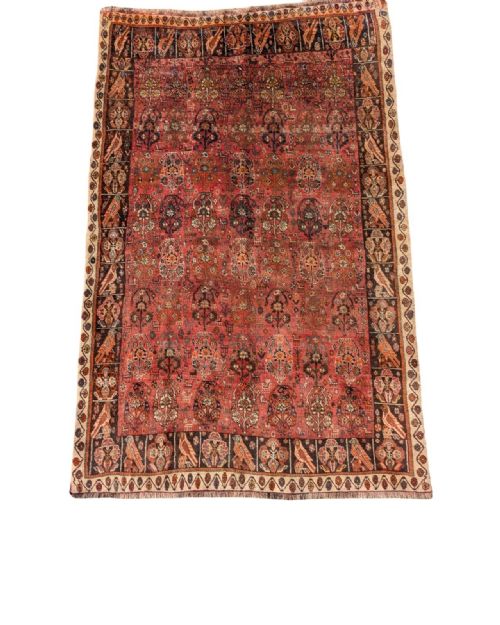
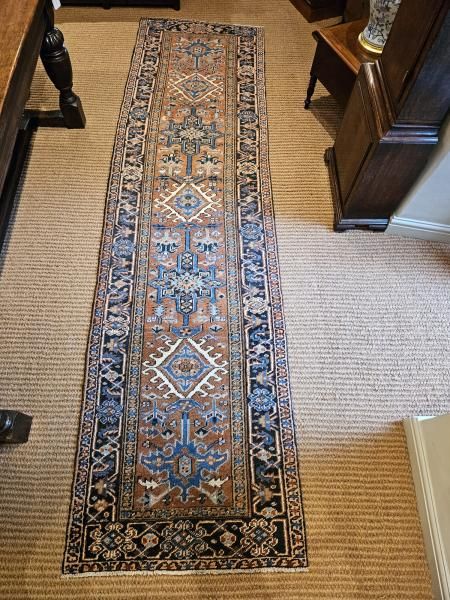
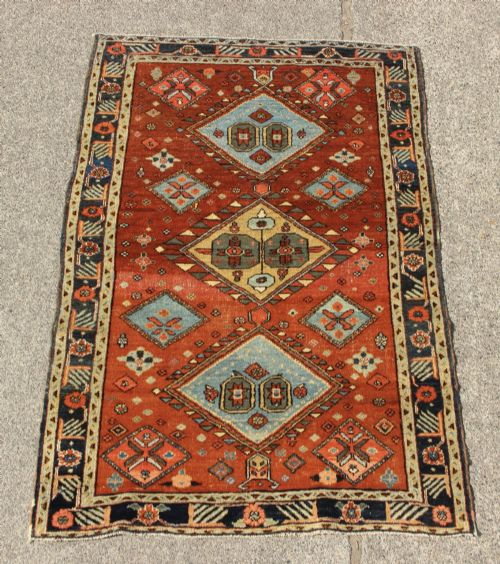
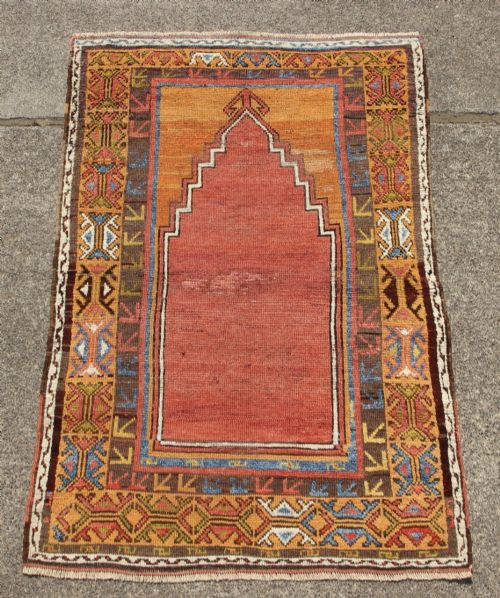
Terracotta Tribal Wool Carpet
These terracotta tribal wool carpet pieces bring grounded warmth and geometric history to a floor, offering enduring floor coverings shaped by regional heritage.
Terracotta Tribal Wool Carpet
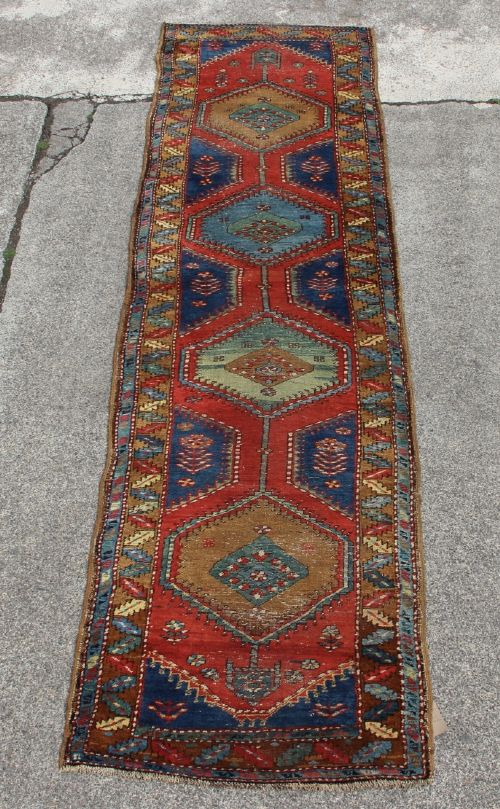
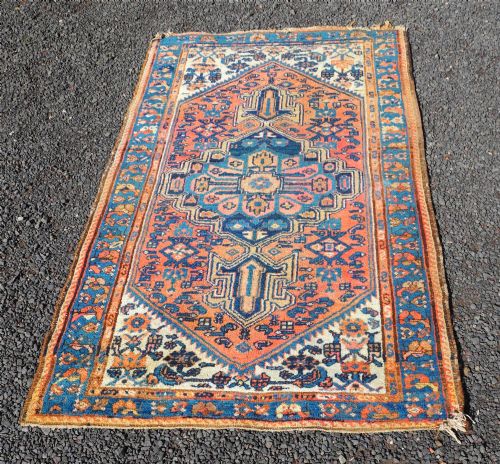
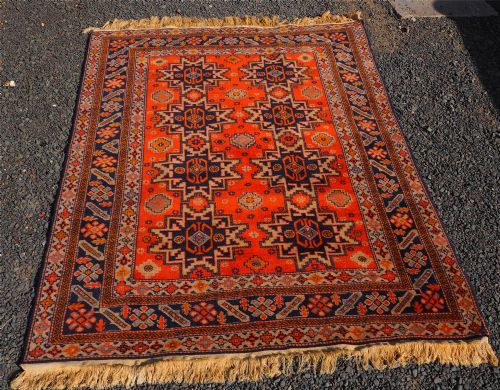
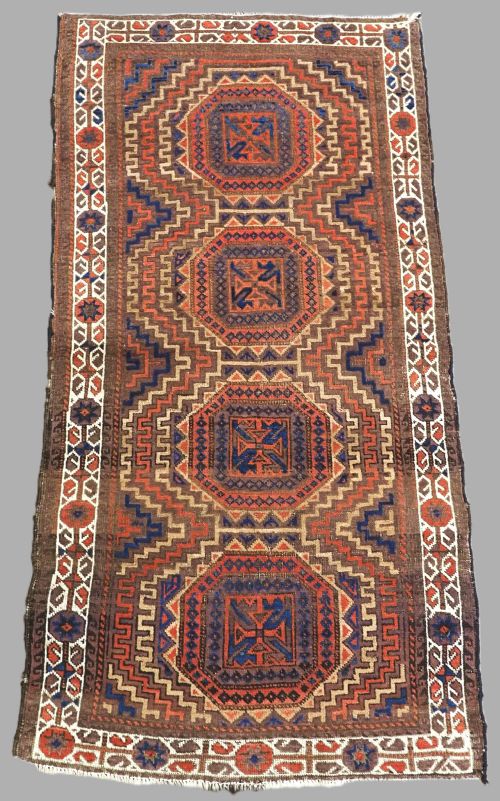
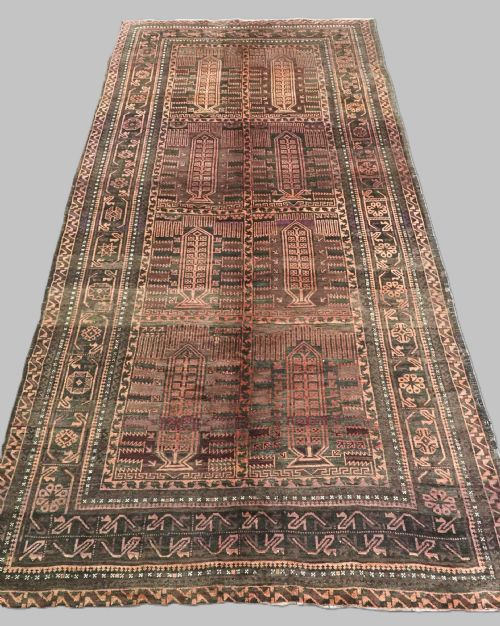
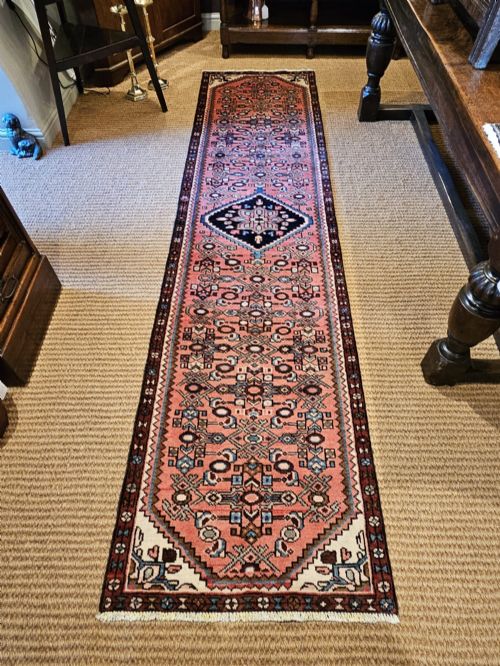
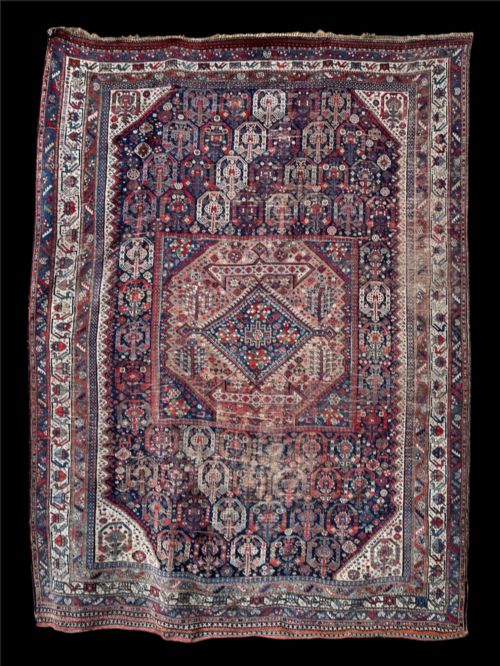
A terracotta tribal wool carpet search leads to heavy floor textiles originating from nomadic or village workshops across Persia, the Caucasus, and Central Asia. These items span from the late nineteenth century into the 1930s, encompassing room-sized carpets, runners, and smaller prayer rugs.
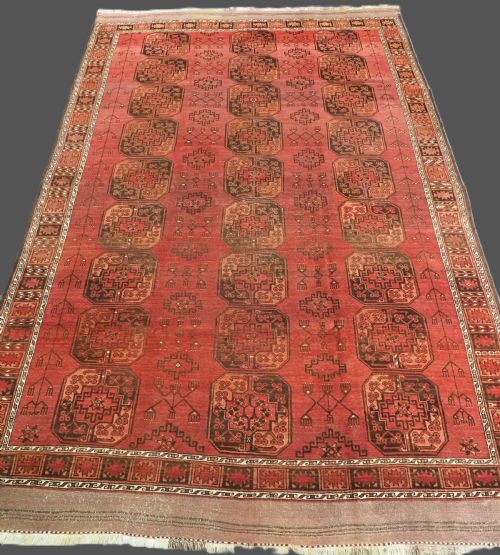
The prevailing types on this page include Persian tribal weaves, Caucasian village rugs, and Afghan or Turkmen pieces displaying classic motifs like guls, medallions, and geometric borders. Buyers encounter formats ranging from square mats and long runners to main carpets woven for village and tribal use.
How They Were Made
These carpets rely on hand-spun wool and occasional camel hair, knotted or woven over cotton foundations. Artisans utilised natural dyes to achieve rich terracotta and mellow colour palettes.
Techniques range from hand-knotted pile construction to flatwoven kilims and embroidered felt, producing durable textiles built for daily domestic wear.
Terracotta Tribal Wool Carpet Retail Price Guide 2026
Typical asking prices for terracotta tribal wool carpet among the pieces listed under this phrase on Sellingantiques today, from the lower quarter to the upper quarter. They describe what is for sale here now, not the wider market.
Listings feature wool, cotton, and natural dyes across periods spanning the late 19th century through the 1930s.
What Varies in Quality
Quality rests in the handling of natural dyes and the precision of hand-knotted pile work, where depth of terracotta tone and clarity of geometric design distinguish finer tribal pieces. The integrity of the wool foundation and the balance of secondary hues dictate the visual weight of each carpet.
Village and nomadic weaves display varying densities of knotting and individual weaver interpretations, shifting the character of the finished rug from sturdy utility to intricate tribal artistry.
The Terracotta Tribal Wool Carpet Glossary
- Gul
- A repeating medallion or octagonal motif often found in Turkmen and Baluch tribal carpets. This design element forms the primary pattern across many Central Asian weaves.
- Kilim
- A flatwoven carpet or rug produced without a pile. These pieces offer a lighter weight and sharp geometric surface patterns.
- Runner
- A long, narrow carpet format designed for hallways or corridors. These pieces navigate restricted spaces while displaying continuous border patterns.
- Prayer Rug
- A smaller rug featuring a mihrab or niche design used historically for daily devotion. Their compact size suited portable personal use.
- Sumak
- A flatweave technique involving wrapping weft threads around warp threads for a textured surface. This method creates sturdy, complex geometric designs without a knotted pile.
Terracotta Tribal Wool Carpet: Frequently Asked Questions
How do I style a tribal carpet in a modern room?
Terracotta tones and geometric patterns anchor contemporary spaces by introducing warmth and tactile depth to neutral floors.
Their varied scale allows them to function as central room carpets, bedside runners, or defined focal points in hallways.
How do I care for antique wool rugs?
Regular gentle vacuuming without a rotating brush roll prevents dust accumulation in the hand-spun wool pile.
Professional cleaning suited to natural dyes maintains the integrity of the fibres over decades of use.
What is the difference between a village rug and a tribal carpet?
Village rugs typically reflect settled community workshops with structured geometric layouts and regional consistency.
Tribal carpets stem from nomadic or semi-nomadic groups, often featuring spontaneous tribal symbols and expressive layouts.
How do I identify natural dyes in old carpets?
Natural dyes present subtle variations in tone across the wool pile, known as abrash, where colours shift naturally.
These vegetable and insect-derived dyes age with a mellow patina that chemical dyes rarely replicate.