




Caucasian Style Wool Runner
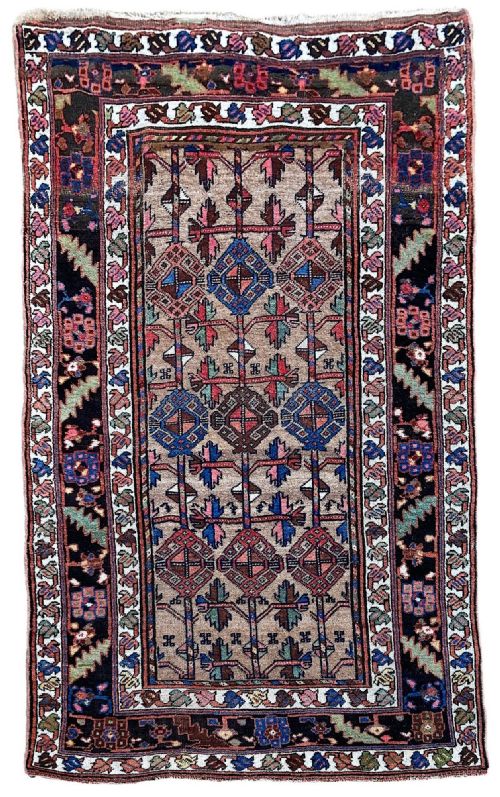
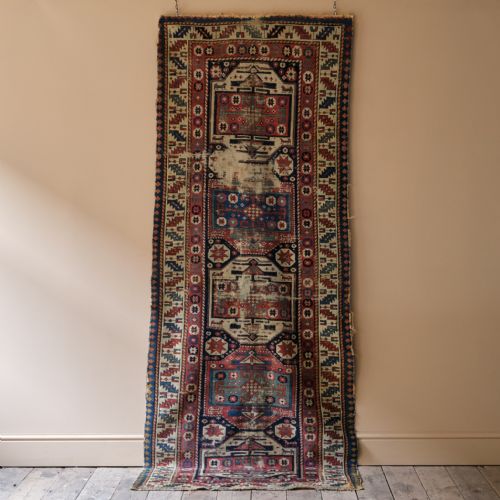
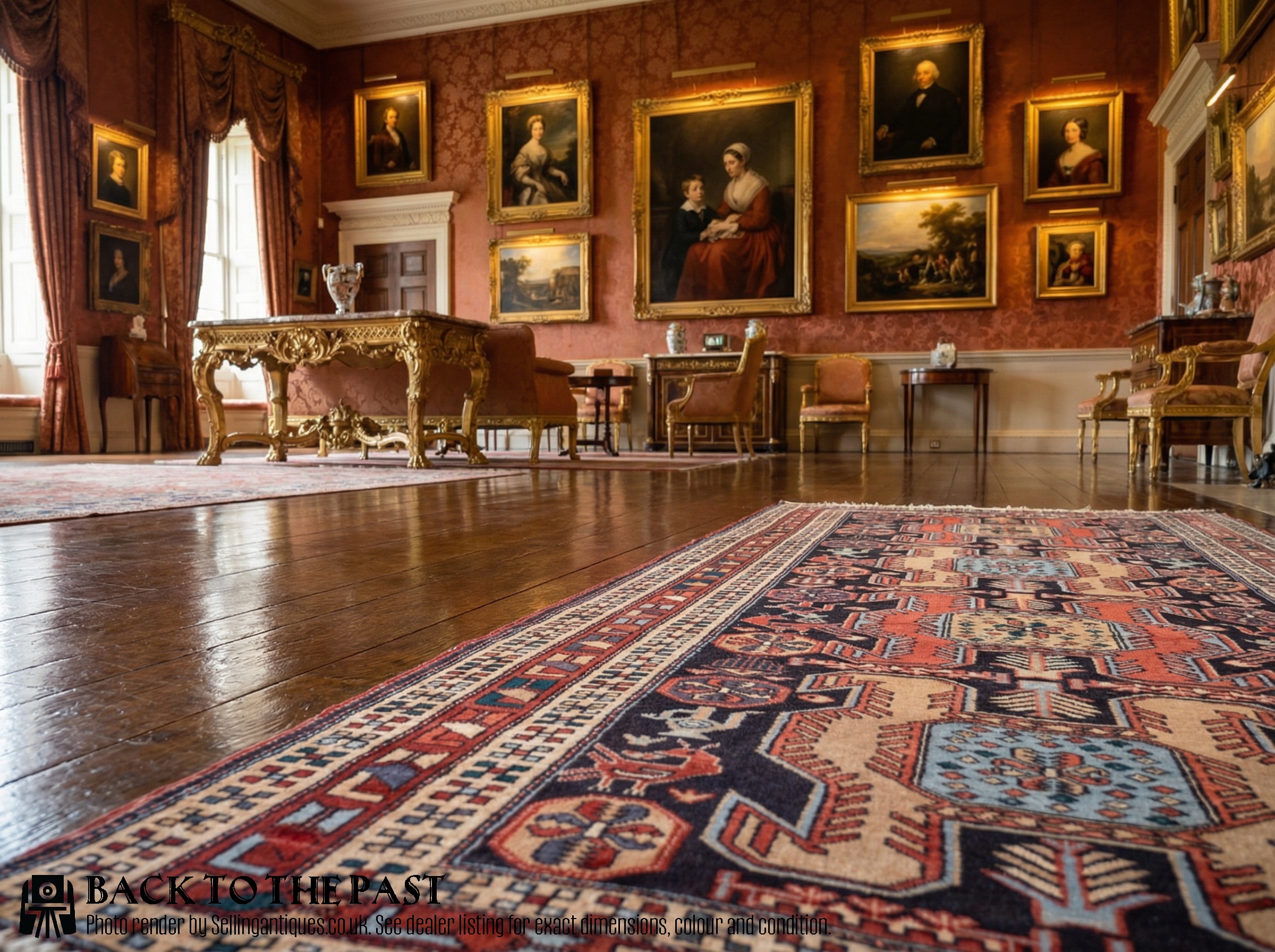
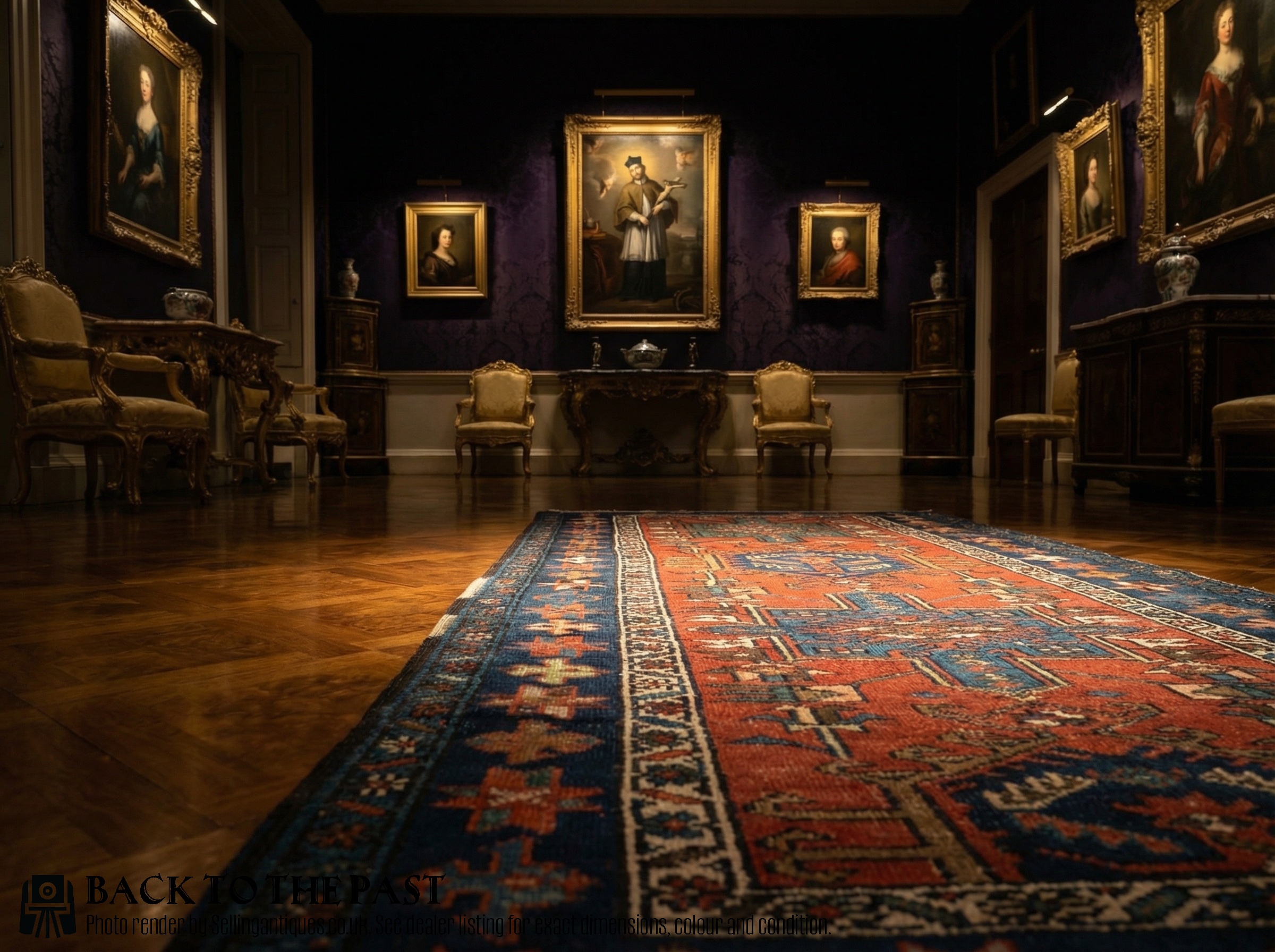
A caucasian style wool runner brings geometric motifs and rich colour into a long hallway, offering warmth and traditional pattern underfoot.
Caucasian Style Wool Runner
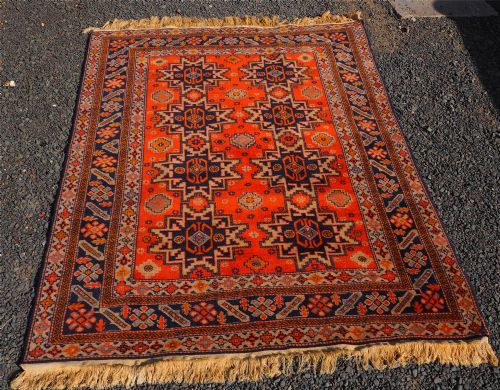
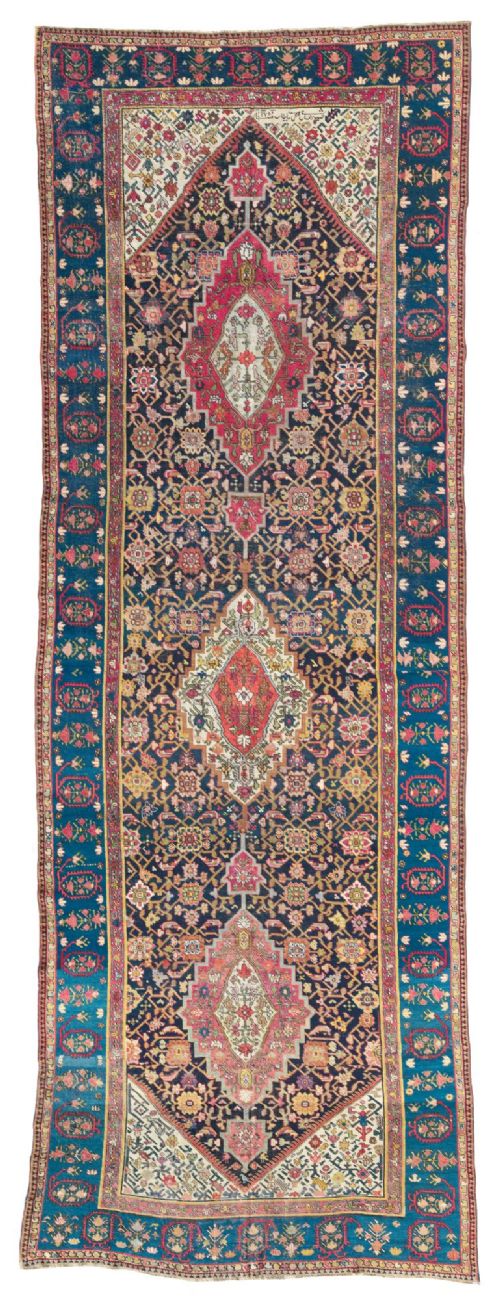
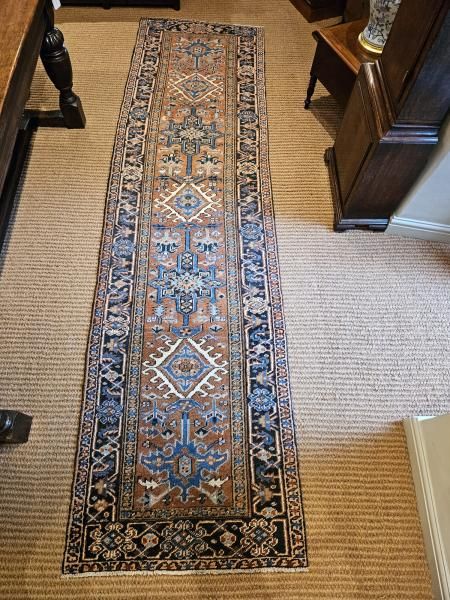
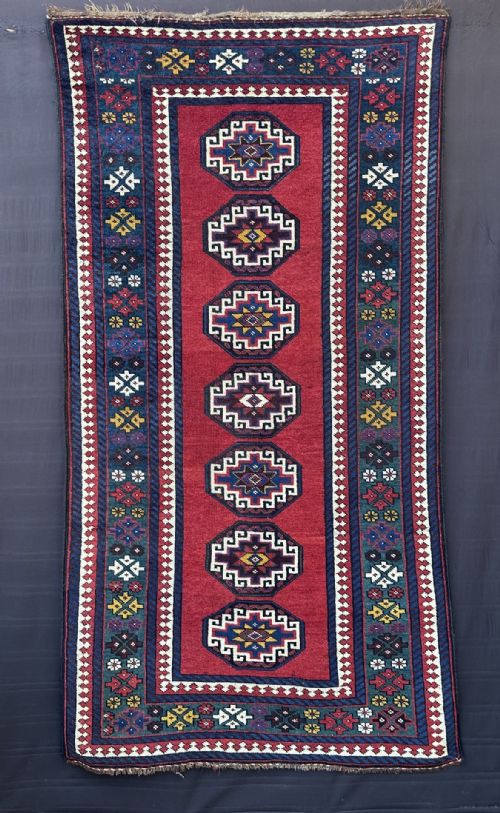
A caucasian style wool runner is a long, narrow floor covering defined by tribal patterns and geometric designs. When searching for this phrase, buyers encounter antique and vintage rugs originating from the nineteenth and early twentieth centuries. The selection includes pieces from Persian and Caucasian weaving traditions, spanning runners and long rugs created for domestic use.
The most common examples on this page date from the late nineteenth century through to the 1930s. These items encompass regional forms such as Sarab, Karaja, and Heriz runners alongside Caucasian tribal pieces. Each piece reflects the distinct aesthetic of village and nomadic weavers working in wool and cotton.
How they were made
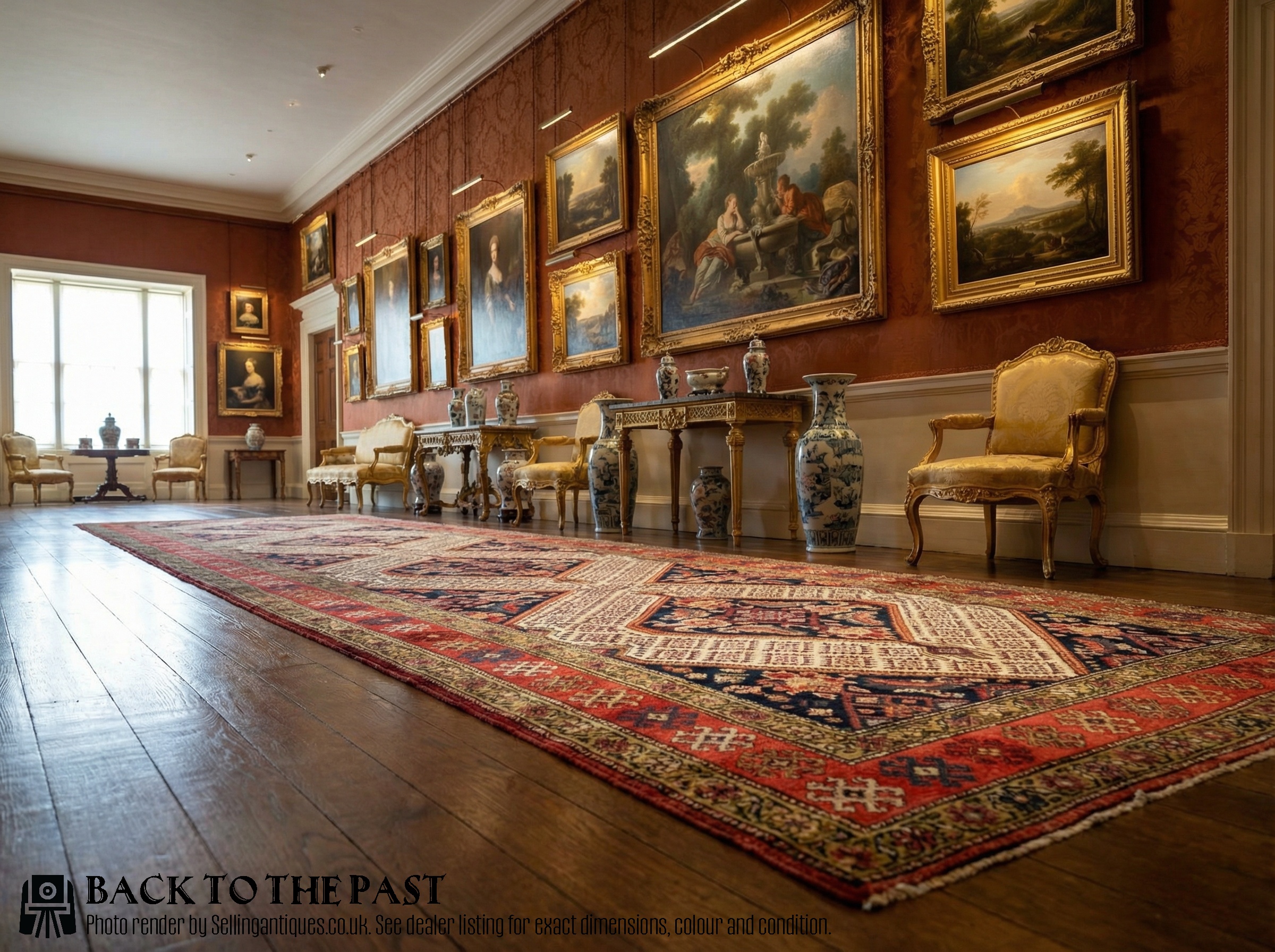
These textiles rely on hand-spun wool and cotton foundation threads, knotted by hand on upright looms. Weavers utilised natural dye materials to achieve deep tones on grounds of ivory, yellow, and mellow shades. Camel hair also appears in the pile of specific village pieces, adding natural variation to the texture.
The construction involves hand-knotted pile secured by sturdy warp and weft threads. Traditional weaving centres applied geometric medallions, boteh motifs, and shrub designs using local techniques passed down through generations.
Caucasian Style Wool Runner Retail Price Guide 2026
Typical asking prices for caucasian style wool runner among the pieces listed under this phrase on Sellingantiques today, from the lower quarter to the upper quarter. They describe what is for sale here now, not the wider market.
One listed rug proudly embraces its crooked geometry, proving that antique village weavers preferred character over rigid straight lines.
What varies in quality
Quality rests in the precision of the knotting and the crispness of the tribal geometry. Tighter pile density and well-drawn motifs separate finer village and regional pieces from simpler commercial output. The handled weight of the wool and the clarity of the colour palette dictate the overall success of the weaving.
Preservation of the original borders and fringe endpoints distinguishes superior survivors. Pieces that retain their natural dye variations and structural integrity show the full merit of traditional workshop or village production.
The Caucasian Style Wool Runner Glossary
- Runner
- A long, narrow carpet format designed specifically for hallways, corridors, and stairs. These pieces balance length with a restricted width to fit narrow architectural spaces.
- Boteh
- A traditional teardrop or paisley motif representing a floral spray or cypress tree. This ancient symbol appears frequently across Persian and Caucasian weaving.
- Kelleh
- A large, room-sized format or extended rectangular carpet produced in specific weaving regions. It offers greater width than a standard runner.
- Warp
- The vertical foundation threads stretched lengthwise on the loom before knotting begins. Cotton and wool serve as the primary materials for these structural elements.
- Weft
- The horizontal threads passed across the warp strands to lock each row of knots in place. They form the underlying grid of the textile.
Caucasian Style Wool Runner: Frequently Asked Questions
Where should I place a wool runner?
These long carpets suit narrow spaces such as corridors, hallways, and entrance passages. Their proportions guide movement through a home while protecting timber floors.
Placing them in high-traffic areas benefits from the durable nature of hand-spun wool construction.
How do I identify a tribal design?
Tribal designs feature geometric medallions, repeating angular motifs, and stylized flora rather than formal curves. Weavers from Caucasian and Persian villages relied on memory and traditional patterns.
These compositions often display spontaneous colour shifts and charming irregularities in the symmetry.
What is camel hair used for?
Camel hair appears un-dyed in the pile of specific antique village runners, providing a soft golden-brown background tone. It adds tactile depth and natural warmth to the wool.
Weavers utilised this material alongside dyed sheep wool for durability and distinct colour variation.
How do I care for an antique runner?
Regular gentle sweeping or light suction vacuuming without a rotating brush helps remove grit from the wool pile. Professional cleaning suited for antique textiles preserves the natural lanolin.
Keeping the piece out of direct sunlight prevents the natural dyes from fading over time.