


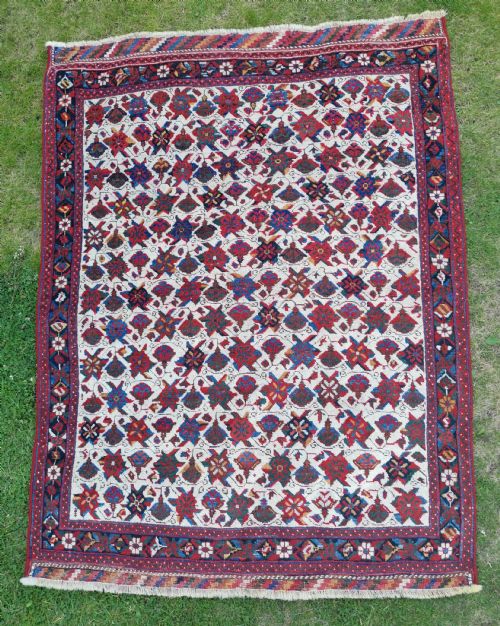
Red Blue Area Rug
A red blue area rug brings lasting warmth and pattern to a room, drawn from traditional weaving regions across Persia and the Caucasus.
Red Blue Area Rug
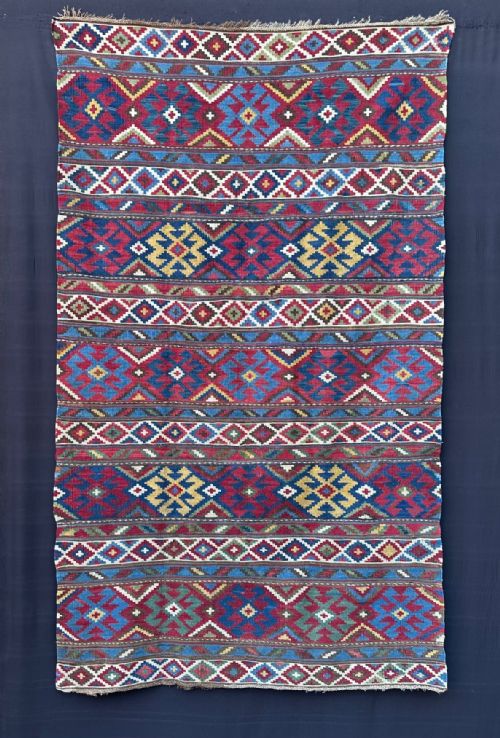
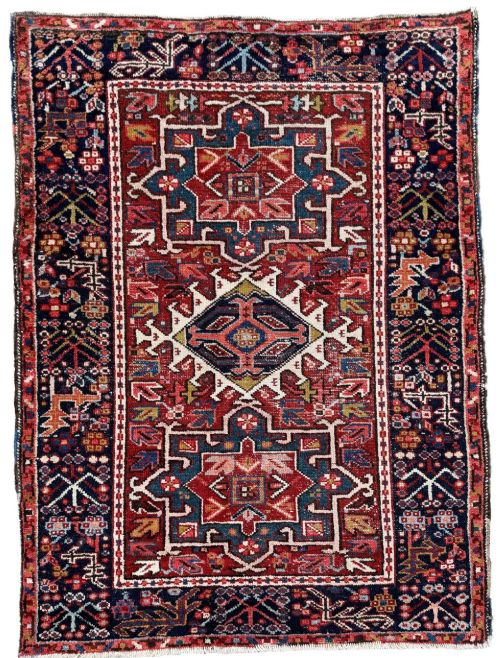
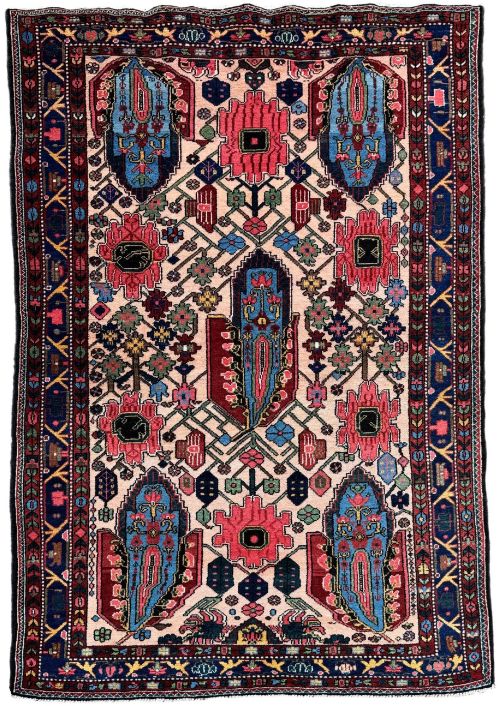
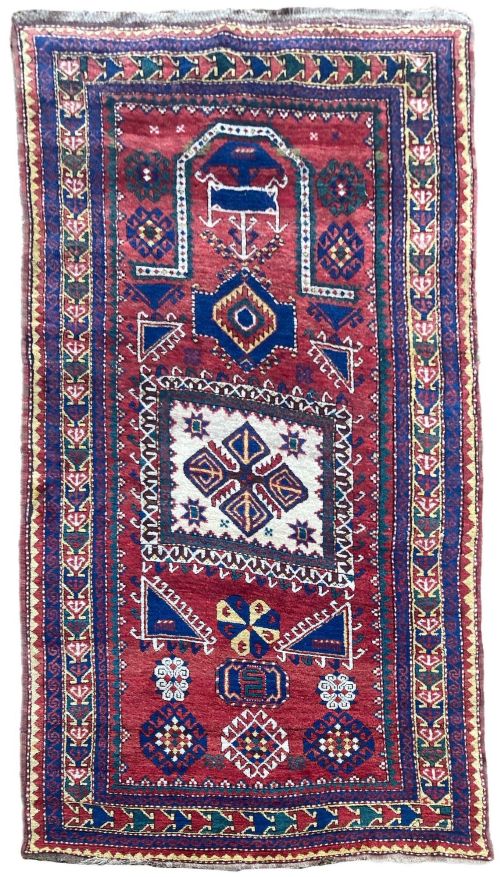
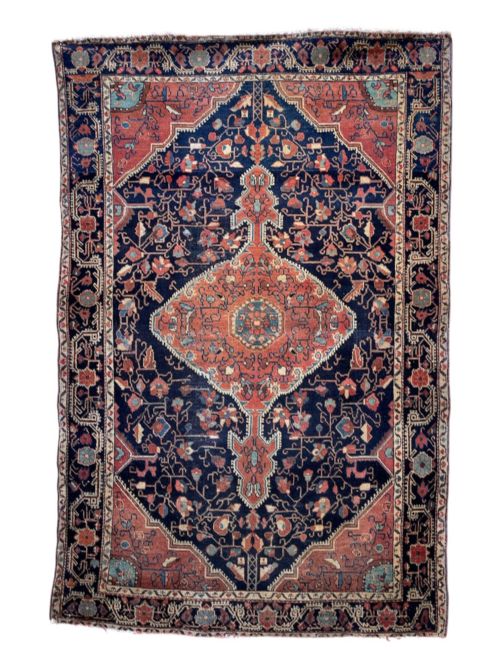
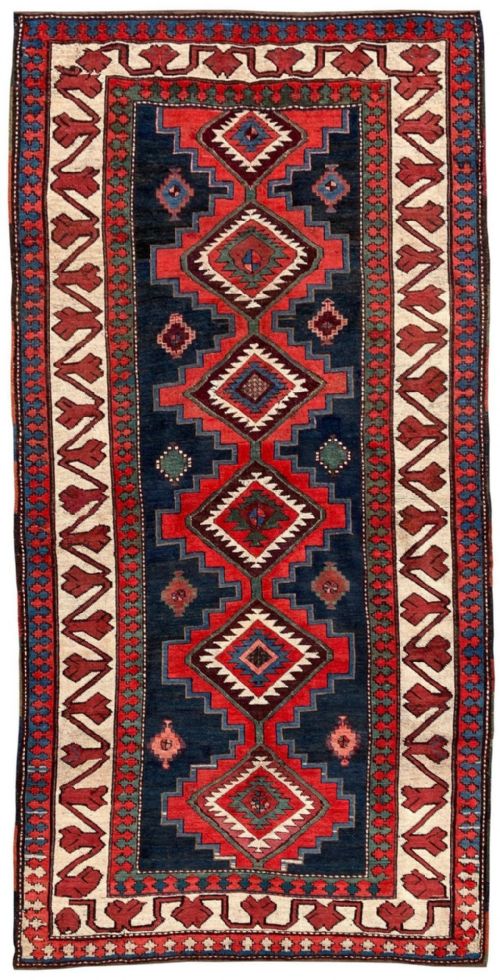
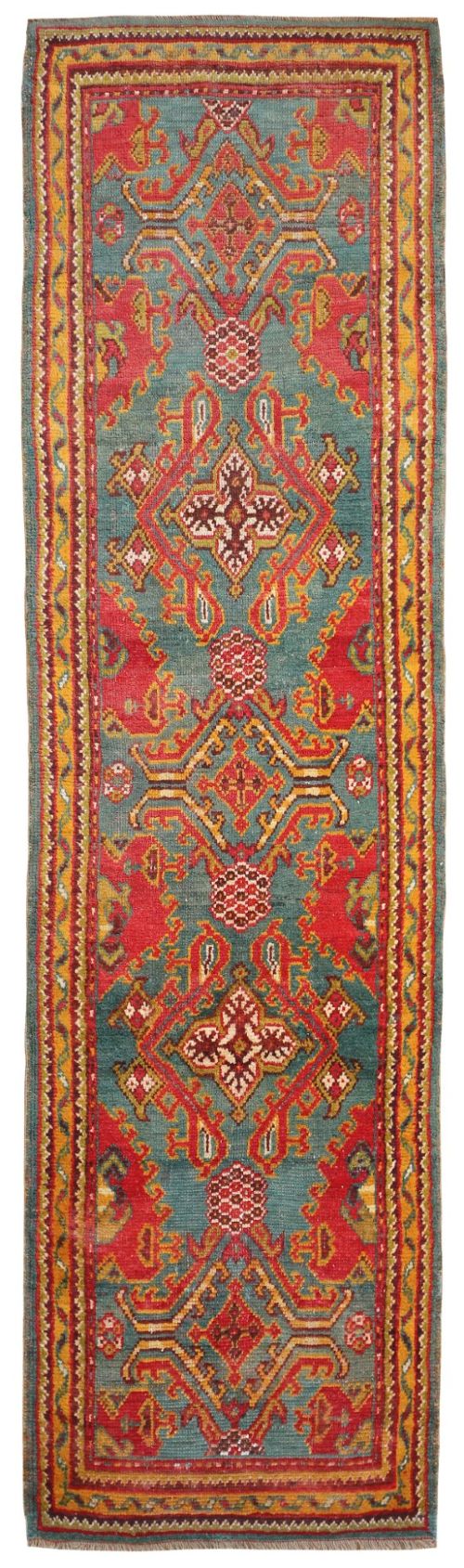
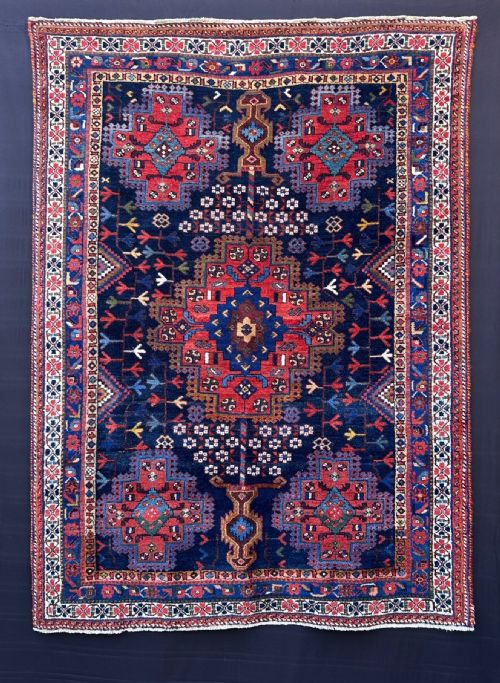
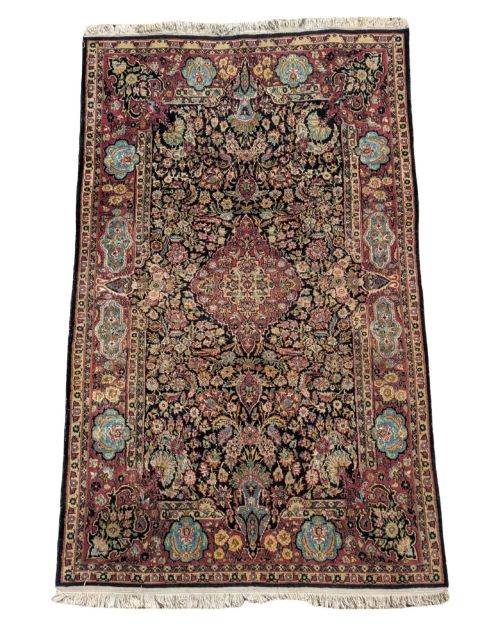
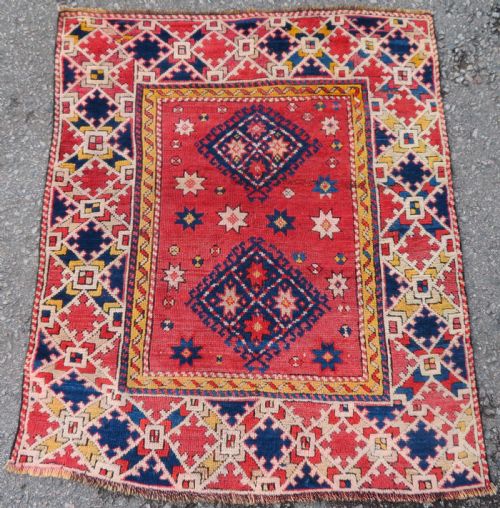
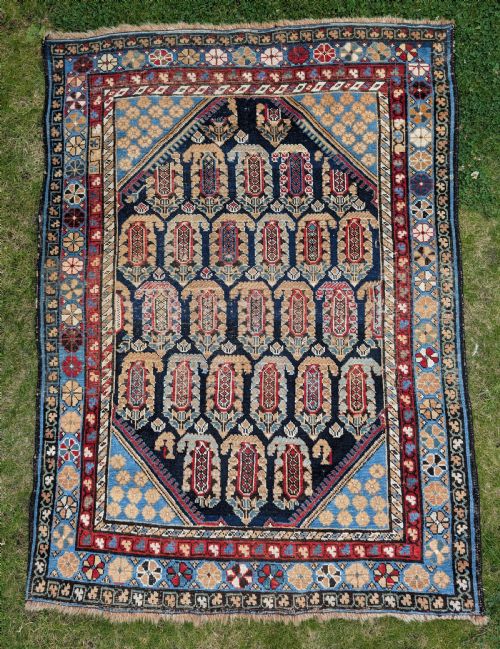
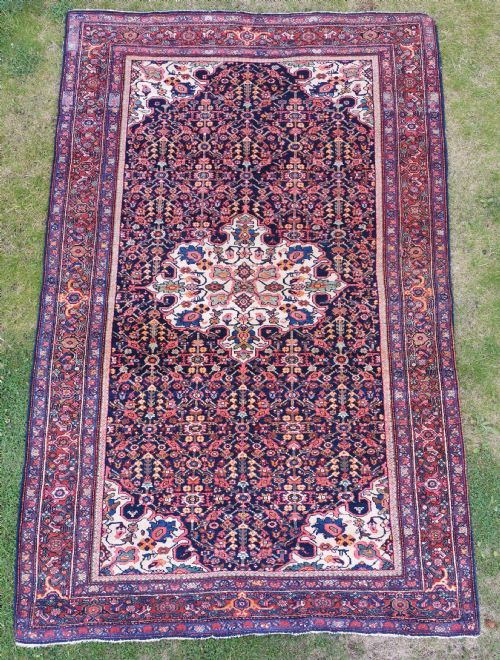
A red blue area rug encompasses woven floor coverings originating from historical centres such as Heriz, Kazak, Afshar, and Bakhtiar. Buyers searching this phrase meet hand-knotted room-size carpets, runners, and hearth-sized pieces spanning the nineteenth and twentieth centuries.
The selection here ranges from village productions like Khamseh and Mazlaghan to room-scale Heriz and Serapi carpets. Designs vary from bold geometric medallions to intricate floral compositions.
Pieces from these categories function as practical floor coverings while carrying distinct regional iconography developed by tribal and town weavers over generations.
How they were made
Makers utilised natural materials including wool, cotton, and silk, with specific pieces incorporating hand-spun wool and silk highlights. These fibres were hand-knotted onto foundation warps to create durable floor coverings.
Weavers employed traditional vegetable and mineral dyes to achieve deep red and blue tones within tribal and traditional Persian patterns. The physical structure relies on dense knotting techniques handed down through regional workshops and nomadic tribes.
Red Blue Area Rug Retail Price Guide 2026
Typical asking prices for red blue area rug among the pieces listed under this phrase on Sellingantiques today, from the lower quarter to the upper quarter. They describe what is for sale here now, not the wider market.
Listings feature wool, cotton, and silk materials across periods spanning the nineteenth and twentieth centuries.
What varies in quality
Quality in a red blue area rug depends upon the tightness of the knotting and the precision of the geometric or floral layout. Finer examples display greater intricacy in the medallion design and superior handling of materials.
The choice of wool, the depth of the dye saturation, and the integrity of the original borders separate standard village weaving from exceptional workshop productions.
The Red Blue Area Rug Glossary
- Heriz
- A style of carpet originating from northwest Persia, known for large geometric medallions and robust construction. These pieces often utilise bold red and blue colourways.
- Kazak
- A category of rugs woven in the Caucasus region, distinguished by striking geometric motifs and primary saturated colours. They represent traditional tribal weaving methods.
- Medallion
- A central ornamental design motif placed in the middle of the field, common in Persian and Caucasian carpet traditions. It anchors the symmetrical layout of the piece.
- Runner
- A long, narrow carpet format designed for hallways, corridors, or narrow spaces. These items maintain the same knotting techniques as larger floor rugs.
- Prayer Rug
- A smaller format rug featuring a mihrab or niche design used historically for personal devotion. The composition typically directs the viewer toward a specific focal point.
Red Blue Area Rug: Frequently Asked Questions
Where were these rugs made?
These pieces originate from historical weaving centres across Persia and the Caucasus, including regions such as Heriz, Kazak, Afshar, and Bakhtiar. Each area developed distinct geometric or floral traditions.
Village weavers and nomadic tribes produced these floor coverings using locally sourced materials and time-honoured knotting techniques.
How do I care for an antique rug?
Protect the piece by placing it in areas with moderate foot traffic and using a quality underlay to prevent sliding. Regular gentle vacuuming without a rotating brush helps maintain the wool fibres.
Professional cleaning should be undertaken periodically by specialists familiar with antique textiles and natural dyes.
What is the difference between village and workshop rugs?
Village rugs often display spontaneous geometric designs and heavier wool, reflecting the independent work of nomadic or local weavers. Workshop carpets tend to feature more controlled, symmetrical compositions.
Town productions such as Heriz or Jozan usually incorporate finer knot counts and more intricate floral detailing than simpler tribal pieces.
How can I tell the period of a rug?
Dating relies on stylistic markers, dye types, and structural characteristics visible in the foundation and knotting. Nineteenth-century pieces often show specific regional palettes and wear patterns.
Comparing the border motifs and structural materials against known examples helps establish the approximate decade of origin.