
19th Century Wool Rug
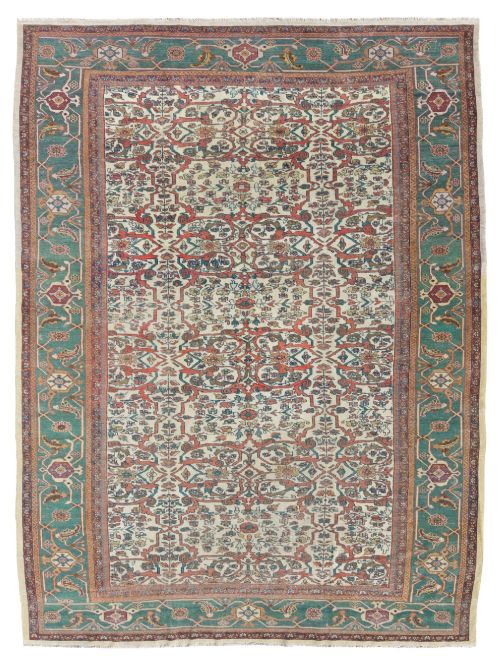
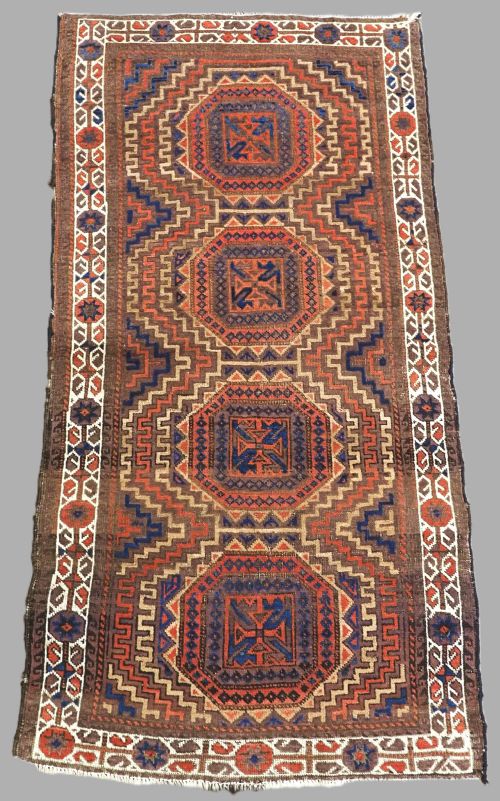
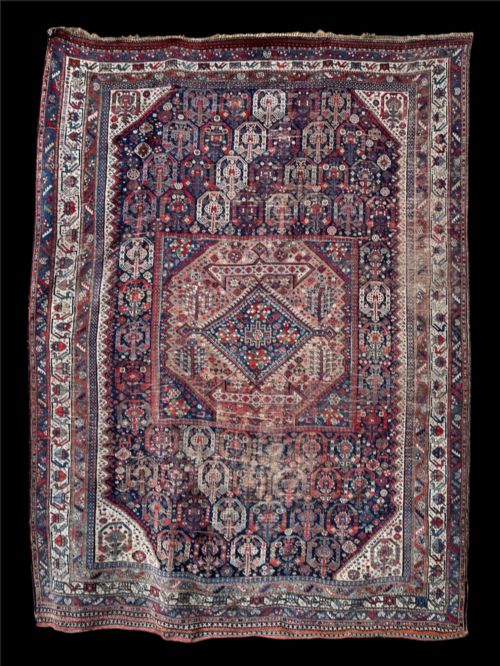
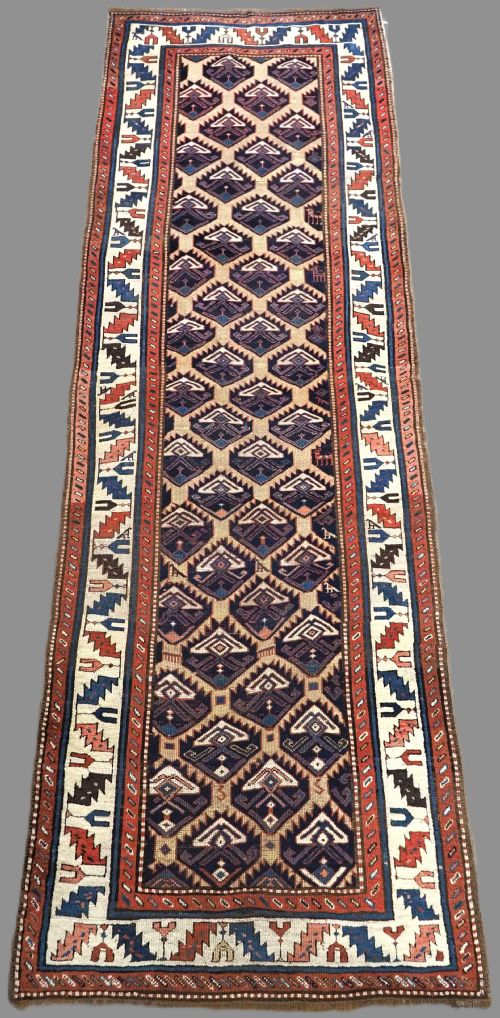
A 19th century wool rug brings genuine tribal character and enduring warmth into a modern room through time-tested craftsmanship.
19th Century Wool Rug
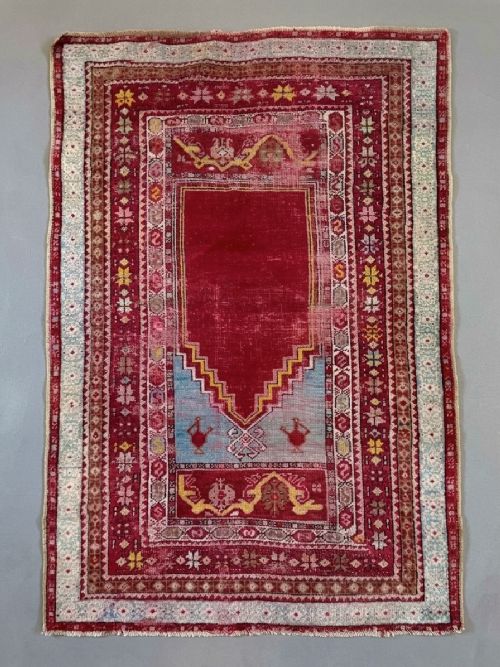
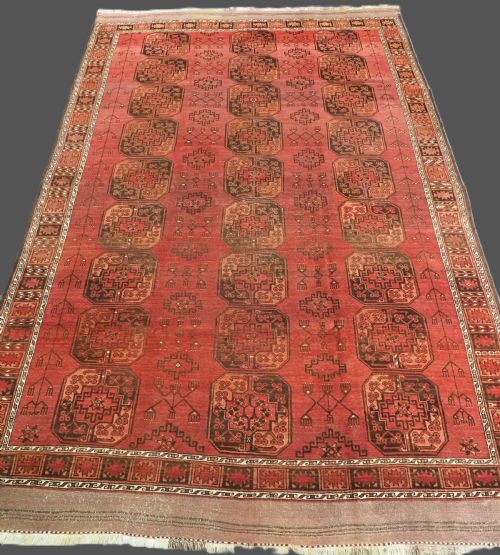
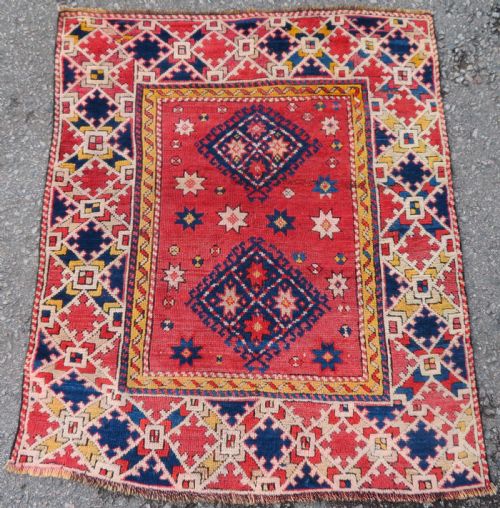
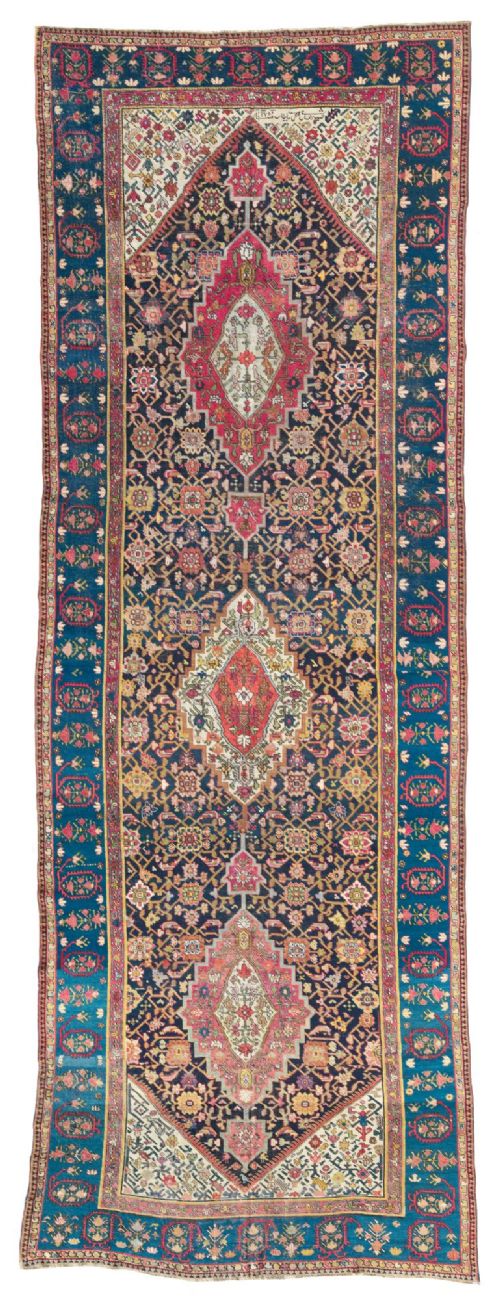
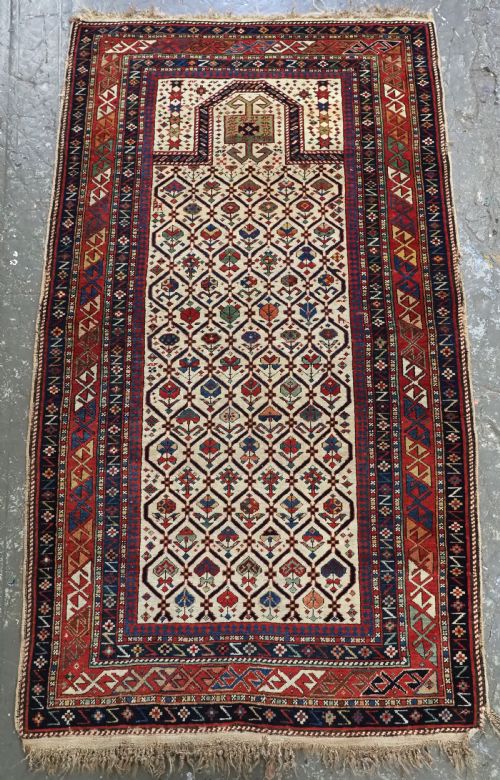
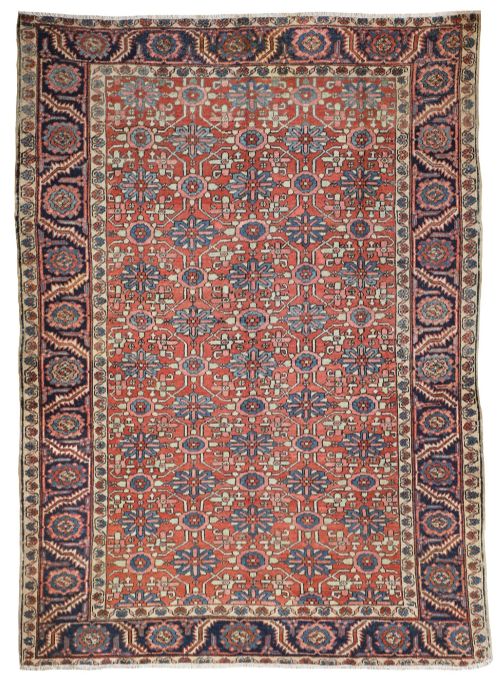
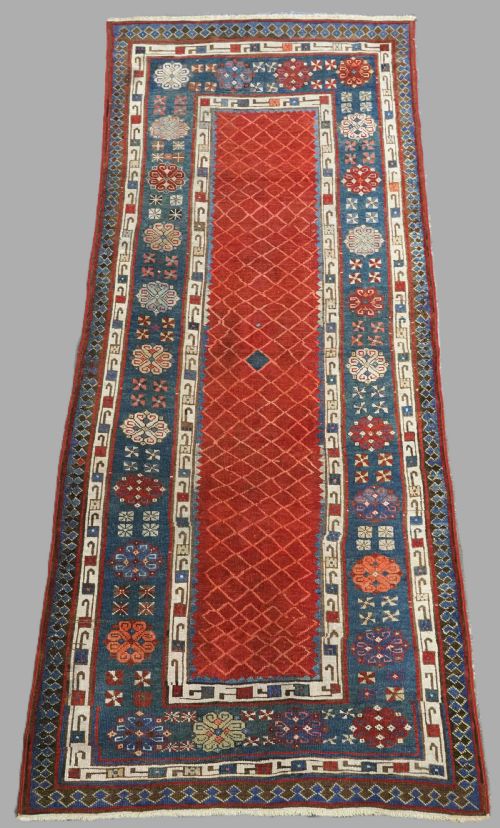
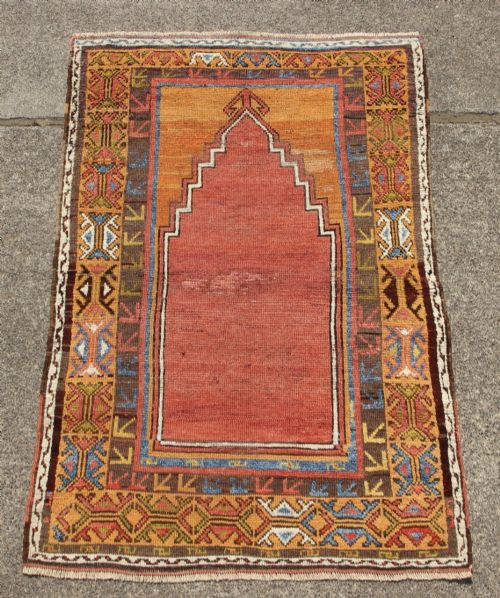
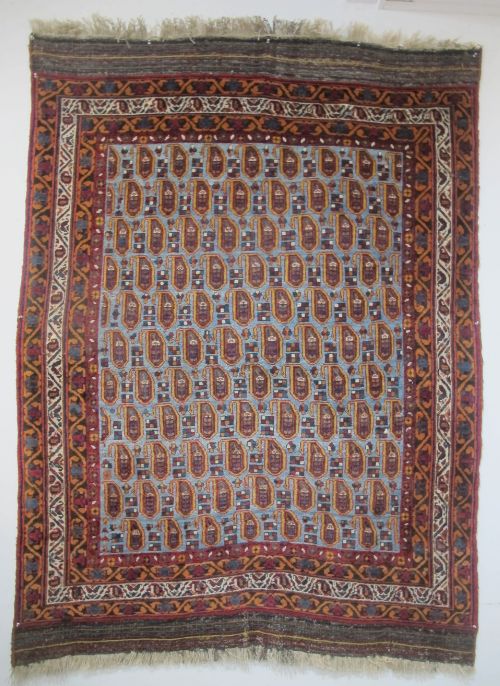
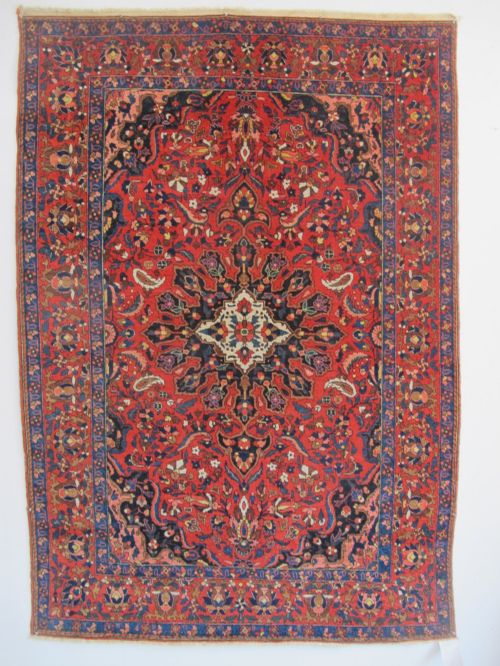
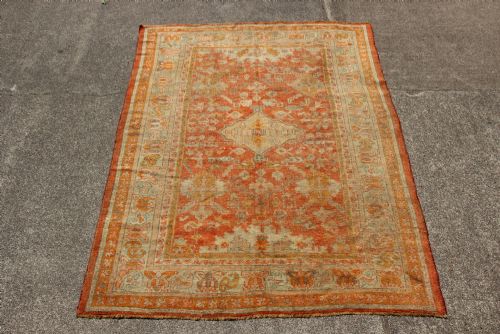
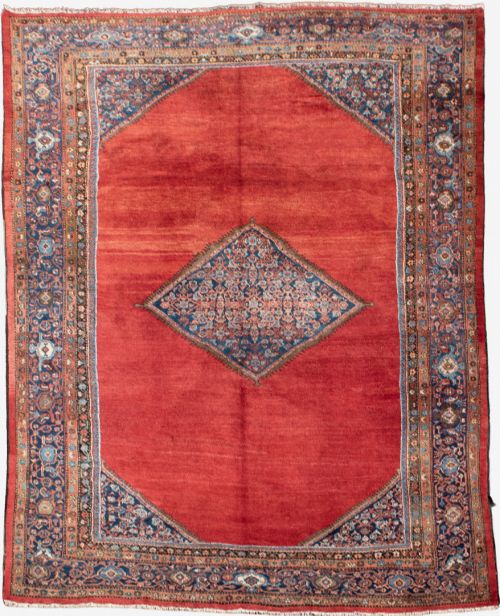
When you search for a 19th century wool rug, you encounter hand-knotted and flat-woven pieces originating from Caucasus, Turkmenistan, and Eastern Europe. These items range from small dowry rugs to larger main carpets created by nomadic and village weavers.
You are most likely to meet Caucasian and Turkmen examples on this page, reflecting distinct regional patterns and palettes. The selection includes specific traditional styles such as Shirvan, Daghestan, Tekke, and Yomut.
The utility of these textiles spans from small area rugs suitable for intimate spaces to substantial carpets that anchor a larger room. Each piece represents a specific cultural tradition preserved through domestic weaving.
How they were made
Every 19th century wool rug relies on animal fibre sourced locally and spun by hand for the foundation and pile. Weavers utilised natural dyes to achieve deep reds, blues, and earth tones that mellow gracefully over decades.
Construction techniques vary between the pile knots of Caucasian and Turkmen carpets and the flat-woven structure of Bessarabian kilims. Hand-tied knots create a dense, resilient surface designed to withstand generations of daily use.
19th Century Wool Rug Retail Price Guide 2026
Typical asking prices for 19th century wool rug among the pieces listed under this phrase on Sellingantiques today, from the lower quarter to the upper quarter. They describe what is for sale here now, not the wider market.
Some dowry rugs were woven in such soft wool that they feel remarkably like velvet underfoot.
What varies in quality
The grade of wool dictates the handle and softness of the surface, with certain dowry pieces exhibiting exceptionally plush textures. Knot density and precision in executing intricate geometric guls or floral motifs also distinguish finer village and tribal weaving.
The integrity of natural dye colours and the preservation of original borders reveal the care taken during production. Pieces retaining their full wool pile and balanced proportions sit at the higher end of the spectrum.
The 19th Century Wool Rug Glossary
- Gul
- A primary octagonal medallion or motif repeated across Turkmen carpets. Each tribal group utilised distinct variations to signify ancestry and identity.
- Kilim
- A flat-woven textile produced without a pile, traditionally created in Eastern Europe and the Caucasus. These pieces offer lighter weight and graphic geometric designs.
- Dowry rug
- A smaller textile woven specifically for a bride's trousseau. These examples often display exceptional fineness and careful attention to traditional symbolism.
- Natural dyes
- Colourants derived from plants, insects, and minerals before the advent of synthetic alternatives. They yield complex tones that develop a rich patina over time.
19th Century Wool Rug: Frequently Asked Questions
Where were these rugs made?
The pieces originate primarily from the Caucasus region, Turkmenistan, and Bessarabia. Nomadic and village communities produced them for domestic use and local trade.
Each weaving region developed distinct palettes and geometric or floral motifs that identify their geographical source.
How do I care for my rug?
Protect the textile by placing it in a low-traffic area or using a breathable underlay. Gentle vacuuming without a beater bar keeps dust from settling into the wool pile.
Professional cleaning tailored to antique textiles ensures the natural dyes and fibres remain stable for years to come.
What is a gul design?
A gul is a repeating medallion motif characteristic of Central Asian tribal weaving. It often serves as the primary visual anchor across Turkmen carpets and main rugs.
Different tribes adapted these shapes into ovoid or octagonal forms to represent their specific heritage and clan.