


Eastern European Kilim
Eastern European kilim pieces are flat-woven rugs and tapestries bringing bold floral designs and rich folk traditions into modern rooms.
Eastern European Kilim
When buyers search for eastern european kilim, they encounter flat-woven wool and cotton rugs, carpets, and tapestries originating from regional traditions between 1880 and 1930. The selections span Bessarabian, Ukrainian, Caucasian, Thracian, and Balkan folk styles.
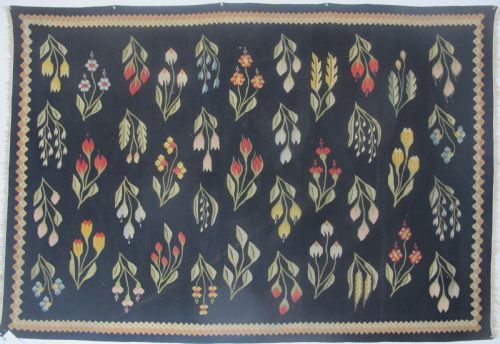
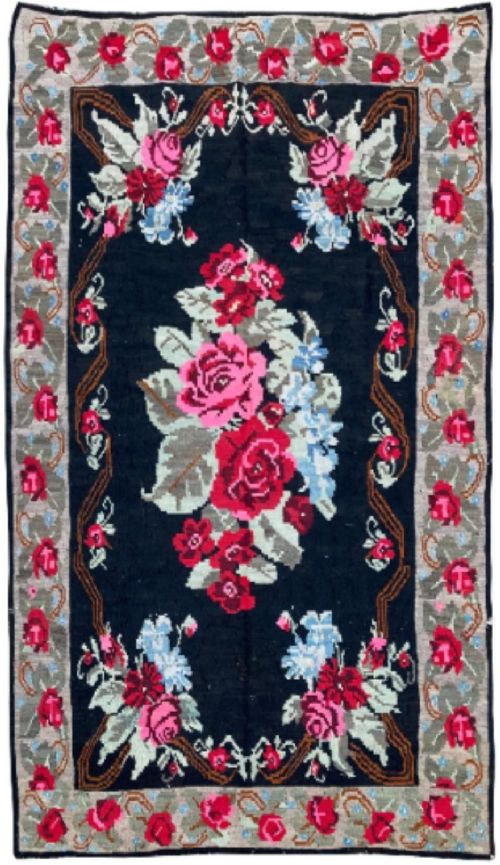
The version most commonly met on this page is the antique Bessarabian kilim, frequently dated around 1890 to 1920. These pieces typically display large floral motifs and structured borders woven with wool.
Object types vary from smaller individual rugs to expansive floor coverings and matched pairs. Regional designations such as Moldovan floral pieces and Caucasian Karabagh work broaden the design range across the inventory.
Materials and construction
These textiles rely primarily on wool and cotton foundations and surface yarns. Weavers utilise flat-weaving techniques without pile, producing durable textiles suitable for floor placement or wall hanging.
Natural dyeing methods and traditional hand-weaving produce the distinctive palette seen across Bessarabian, Ukrainian, and Thracian examples. The interaction of wool textures with regional floral iconography defines the physical structure of these works.
Eastern European Kilim Retail Price Guide 2026
Typical asking prices for eastern european kilim among the pieces listed under this phrase on Sellingantiques today, from the lower quarter to the upper quarter. They describe what is for sale here now, not the wider market.
Some Bessarabian kilims were woven as pairs, offering matching floral compositions for symmetrical rooms.
Assessing quality and execution
Quality separates through the crispness of the floral drawing and the harmony of the palette. Bessarabian and Moldovan floral pieces with deeply detailed botanical rendering sit at the upper end of the range.
Structural integrity of the flat weave and the preservation of original dimensions dictate overall desirability. Pieces maintaining tight tension across large formats demonstrate superior initial manufacture.
The Eastern European Kilim Glossary
- Kilim
- A flat-woven textile without pile, produced across Eastern Europe and the Caucasus. These pieces function as floor coverings or tapestries.
- Bessarabian
- A regional style originating from the historical Bessarabia region, known for dark grounds and naturalistic floral sprays. These rugs form the majority of the current selection.
- Flat-weave
- A construction method where the design is created by interweaving warp and weft threads without knotted pile. This technique yields a lighter textile.
- Tapestry
- A form of wall-hanging textile included in the regional groupings alongside floor rugs. They share similar wool and cotton material construction.
Eastern European Kilim: Frequently Asked Questions
Where were these textiles made?
The listings encompass items originating from regions including Bessarabia, Ukraine, the Caucasus, and Thrace during the late nineteenth and early twentieth centuries. Each area imparted distinct local floral and geometric preferences onto the looms.
Production spanned local workshops and community weaving traditions that adapted indigenous motifs into practical floor and wall furnishings.
How do I care for a wool kilim?
Protect the flat weave by placing an appropriate underlay beneath the textile to prevent sliding and excessive wear on hard floors. Gentle vacuuming without a rotating brush roll helps remove embedded dust.
Professional cleaning tailored to antique flat-woven wool textiles preserves the integrity of the natural dyes and fibres.
Can these kilims be placed on floors?
These flat-woven rugs suit floor placement in areas with moderate foot traffic when paired with a secure non-slip rug pad. Their lack of pile makes them easy to position beneath furniture.
Larger formats function effectively as primary room carpets, while smaller examples anchor specific seating areas or hallways.
How are the different regional styles distinguished?
Bessarabian and Moldovan pieces typically feature dark backgrounds supporting naturalistic floral bouquets, whereas Ukrainian and Caucasian examples incorporate alternative regional folk motifs. Examining the specific floral arrangements and colour distribution clarifies the origin.
Stylistic markers link individual pieces to Bessarabian, Thracian, or Balkan folk traditions recorded between 1880 and 1930.