




Antique Flatweave Carpet
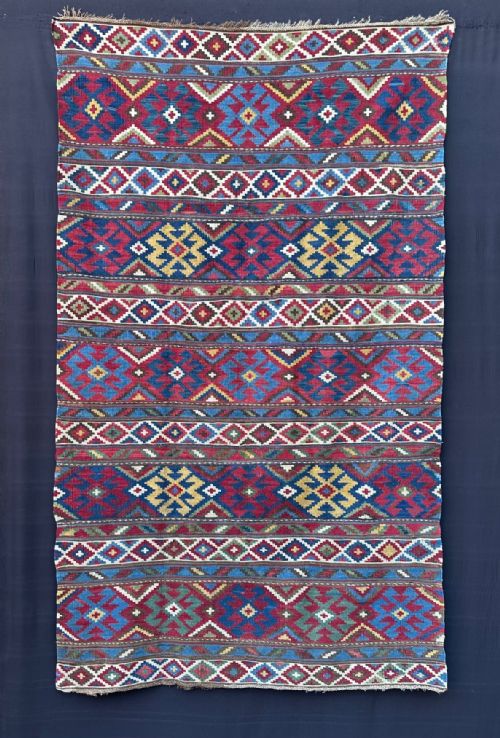
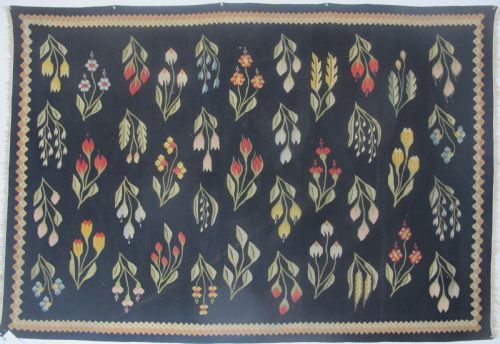
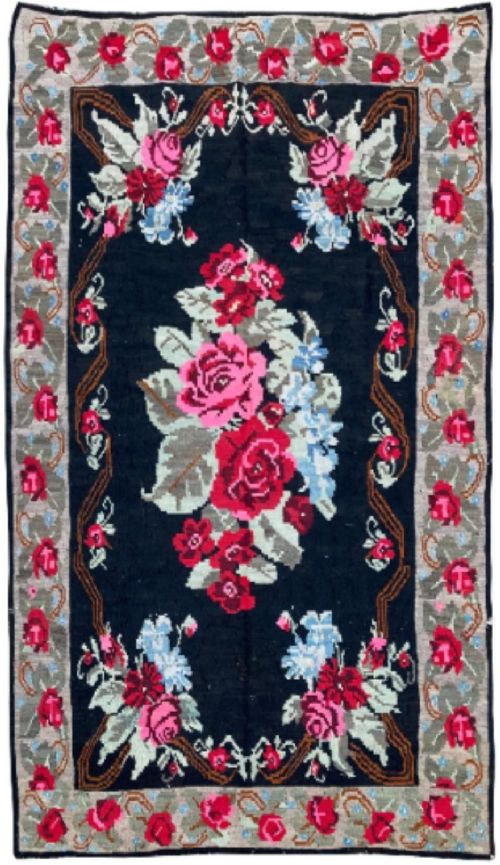
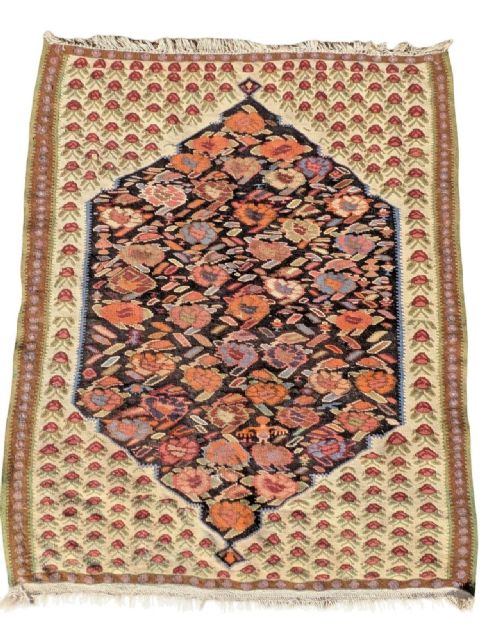
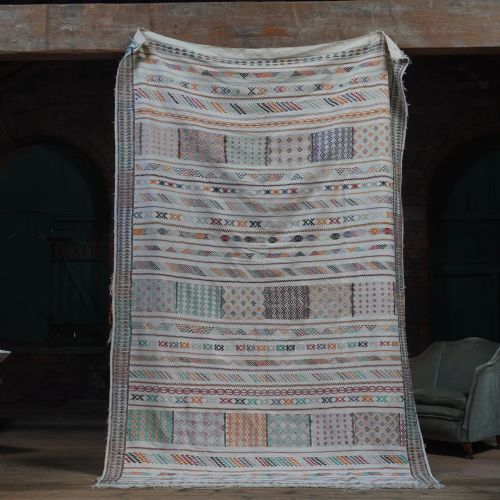
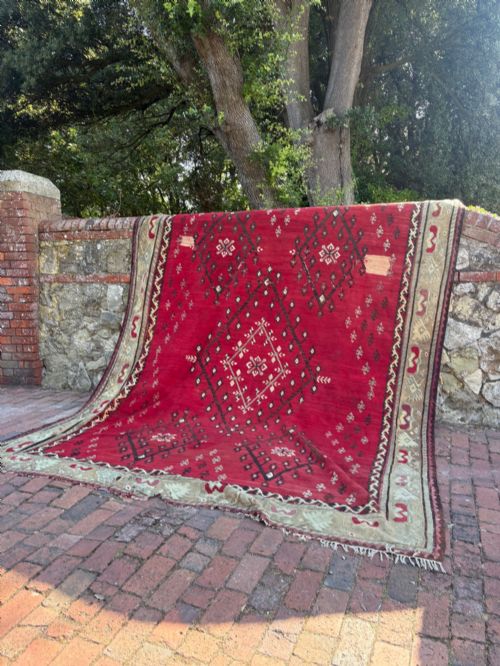
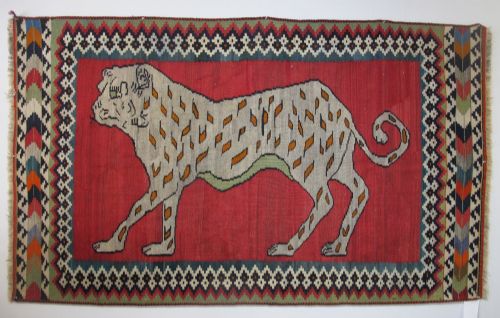
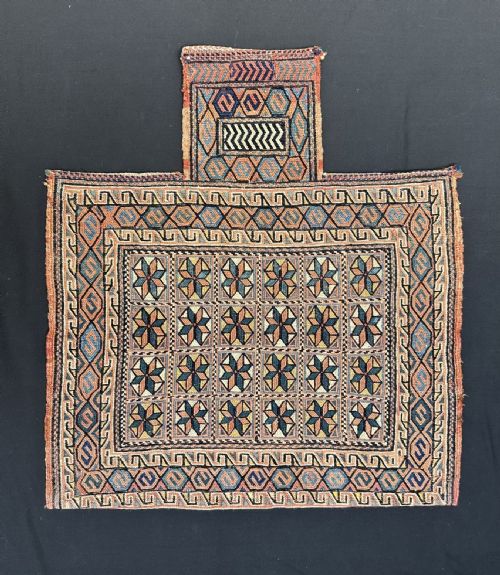
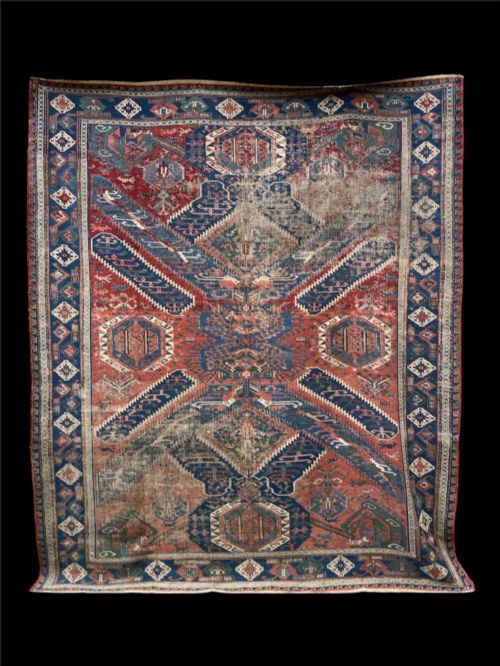
These antique flatweave carpet examples bring bold geometric patterns and historic wool work directly into a room.
Antique Flatweave Carpet
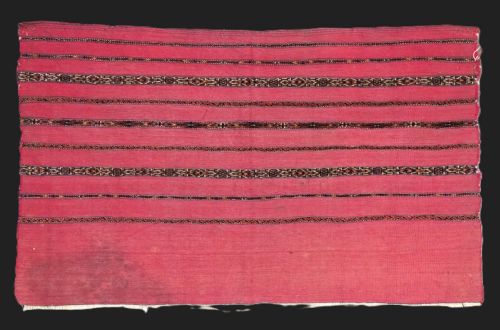
An antique flatweave carpet offers textile enthusiasts a floor covering made without a raised pile, presenting the design directly through the woven warp and weft threads. These pieces span origins from Balkan folk art traditions to French chateau workshops and Indian looms, reflecting diverse cultural weaving histories.
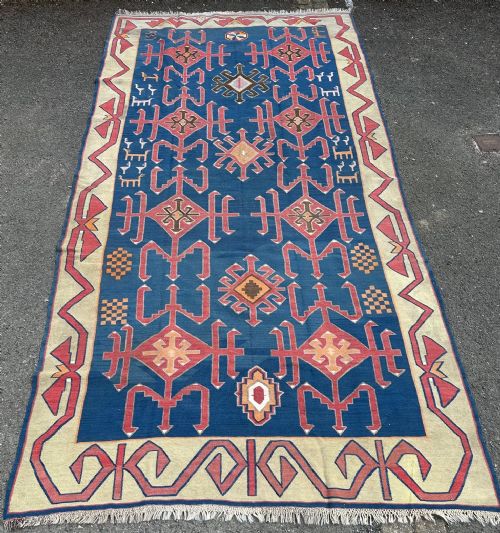
Buyers most frequently encounter kilim rugs and room-size floor coverings originating from specific regional centres such as Pirot and Sarkoy, alongside Bessarabian and Balkan tribal examples. Dating across the nineteenth and early twentieth centuries, these rugs adapt easily to contemporary interior spaces through their flat profiles.
How they were made
Weavers constructed these textiles primarily using natural wool and cotton fibres, interlacing the warp and weft to create sturdy, non-pile surfaces. The technique relies on tight tension and precise colour placement to build complex geometric and floral motifs directly into the structure of the cloth.
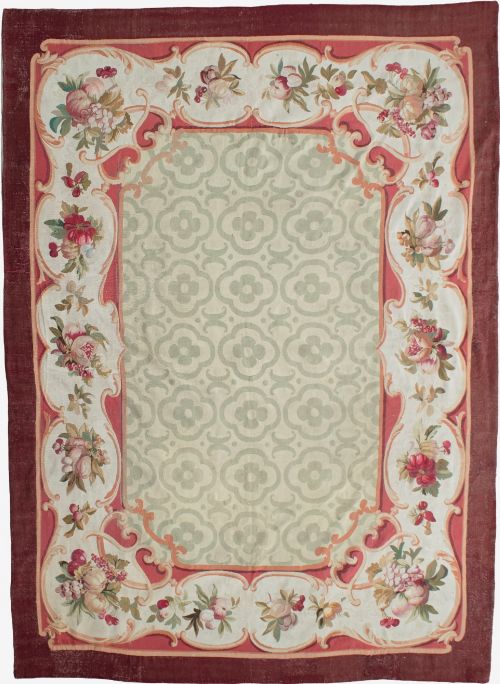
Regional workshops utilised distinct structural methods, from slit-weave techniques found in traditional kilims to the fine tapestry weaves characteristic of French Aubusson floor coverings and Indian cotton dhurries.
Antique Flatweave Carpet Retail Price Guide 2026
Typical asking prices for flatweave carpet among the pieces listed under this phrase on Sellingantiques today, from the lower quarter to the upper quarter. They describe what is for sale here now, not the wider market.
Current listings feature materials in wool and cotton, spanning production years from 1870 through to 1920.
What varies in quality
Quality rests heavily on the clarity of the design and the preservation of the original palette, particularly in pieces featuring intricate lattice or repeat patterns. Finer examples display precise execution of traditional motifs without distortion across the field.
The choice of materials and the tightness of the weave determine the structural integrity of the textile. Superior pieces maintain robust selvages and consistent tension throughout the body of the carpet.
The Antique Flatweave Carpet Glossary
- Kilim
- A pileless textile produced by tightly interweaving the warp and horizontal weft strands to form a flat surface. These pieces often feature sharp geometric designs.
- Warp
- The stationary vertical threads stretched across a loom that serve as the foundational structure for the carpet. Every weft thread passes over and under these lines.
- Weft
- The horizontal threads passed through the warp to build the visible pattern and colour of the textile. Tight packing of these threads creates a durable flatweave.
- Dhurrie
- An Indian flatwoven rug traditionally constructed from cotton or wool. They provide lightweight, reversible floor coverings with distinct regional patterns.
Antique Flatweave Carpet: Frequently Asked Questions
Where were these flatweave carpets made?
Production spans several distinct geographical regions, including the Balkans, Anatolia, France, and India. Each area developed characteristic weaving traditions and aesthetic vocabularies.
Specific towns and weaving centres, such as Pirot and Sarkoy, generated recognisable regional styles that collectors identify through distinct structural and decorative traits.
How do I care for a flatweave carpet?
Protect the textile by placing a quality underlay beneath it to prevent slipping and reduce friction against hard floors. Regular gentle vacuuming without a rotating brush helps remove embedded dust.
Keep the rug away from direct, prolonged sunlight to prevent fading of the natural wool and cotton dyes. Professional textile cleaning is advisable when deep maintenance is required.
Are these carpets reversible?
Many traditional flatweave carpets present a similar design on both sides because the patterning is built directly into the weave structure. This reversibility can help extend the life of the textile by allowing occasional rotation.
However, finishing techniques and tucked ends on certain regional examples mean one side is clearly intended as the primary display surface.
What is the difference between a kilim and a dhurrie?
Kilims are typically wool flatweaves originating from regions such as the Balkans and Anatolia, known for bold geometric motifs and slit-weave construction. They offer substantial weight and warmth underfoot.
Dhurries are flatweaves traditionally associated with Indian production, frequently utilising cotton alongside wool. They often present lighter structures suited to casual interior settings.