


Antique Indian Carpet
These antique Indian carpet examples bring remarkable pattern and heritage into a room, offering rich historical textile work for your floor.
Antique Indian Carpet
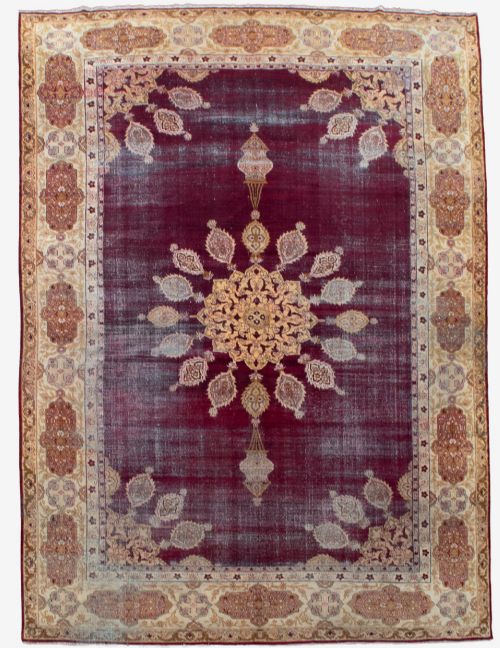
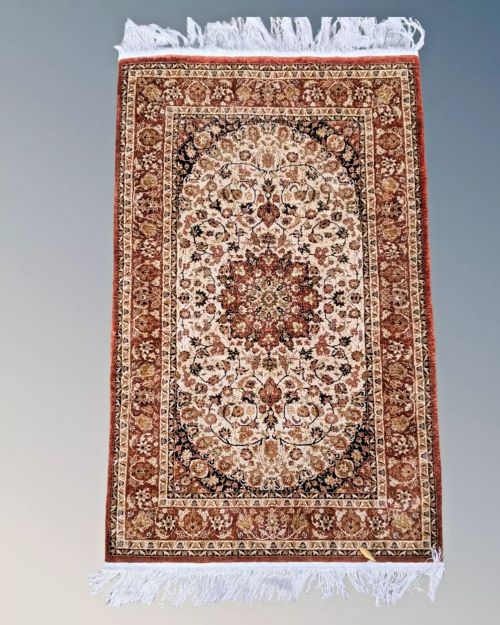
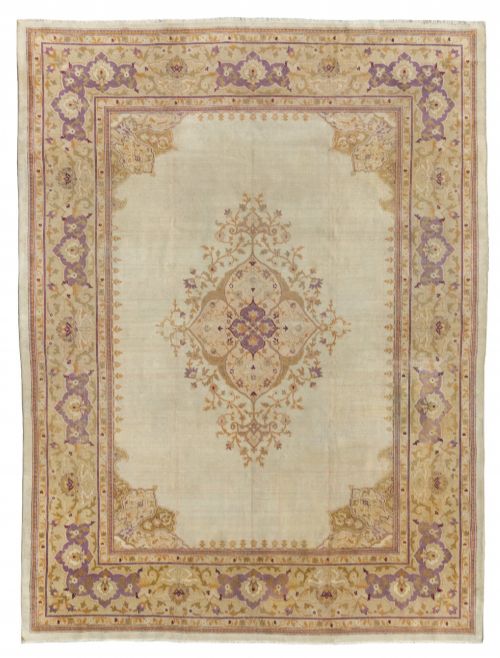
When you search for an antique Indian carpet, you are looking at substantial floor coverings originating from Northern India across the eighteenth and nineteenth centuries, including large country house formats and room-sized pieces.
The selections you are most likely to meet on this page span styles such as traditional Indian designs, Amritsar and Agra weaves, along with earlier Mughal fragments and flat-woven cotton dhurries.
These textiles range from expansive rural room-size carpets down to more compact area rugs and fragments, each reflecting specific regional workshop traditions.
Materials and construction
The pieces recorded in the listings rely on foundational natural materials, principally combining durable wool pile with sturdy cotton foundations.
Weavers utilised traditional hand-knotting techniques for piled carpets, whilst flat-woven examples such as cotton dhurries employed alternate textile methods suited to their specific utility.
Antique Indian Carpet Retail Price Guide 2026
Typical asking prices for indian carpet among the pieces listed under this phrase on Sellingantiques today, from the lower quarter to the upper quarter. They describe what is for sale here now, not the wider market.
The listings on this site record wool and cotton materials across pieces dated from the eighteenth century up to nineteen-thirty.
Assessing quality
Quality rests upon the fineness of the weave and the integrity of the material, where denser knotting and well-preserved wool pile elevate certain rugs above others.
The visual strength of the design, alongside the historic depth of stylistic traditions like Mughal or Amritsar motifs, distinguishes standard utility pieces from exceptional decorative examples.
The Antique Indian Carpet Glossary
- Amritsar
- A style of carpet originating from the city in Northern India known for distinctive large-scale patterns and muted colour palettes. These pieces were frequently woven for grand British country houses.
- Agra
- A designation for carpets produced in the prison workshops and looms of Agra, noted for fine knotting and interpretations of classic Mughal designs. They often incorporate balanced floral arrangements.
- Mughal
- Pertaining to the imperial dynasty that patronised elaborate court arts and intricate textile production across the Indian subcontinent. Surviving fragments show exceptional detail and refined botanical motifs.
- Dhurrie
- A traditional flat-woven rug or carpet made without a pile, typically constructed from cotton. These practical textiles served various domestic functions across Indian households.
- Pile
- The upright loops or cut ends of yarn that form the soft surface of a carpet. In older rugs, the handling of this wool layer determines how the texture wears over decades.
Antique Indian Carpet: Frequently Asked Questions
Where should I place an antique Indian carpet?
These large textiles suit reception rooms, studies, and drawing rooms where their historic patterns anchor the surrounding furniture.
Ensure you use a quality underlay to protect the cotton and wool foundation from friction against hard flooring.
How do I care for wool and cotton rugs?
Vacuum gently with a suction-only attachment, avoiding rotating brush bars that can pull at historic fibres and knotting.
Professional cleaning by specialists experienced in antique oriental carpets is essential when washing becomes necessary.
How do I identify an Amritsar carpet?
Amritsar carpets typically feature expansive room-scale dimensions and earthy, botanical palettes designed to suit European interior tastes of the late nineteenth century.
The weave tends to be looser and more relaxed compared to Persian counterparts, with characteristic traditional Indian floral drawing.
What is the difference between a dhurrie and a carpet?
A dhurrie is a flat-woven textile constructed without a pile, making it lighter and reversible for different seasonal uses.
In contrast, traditional carpets utilise a dense wool pile knotted onto a cotton foundation to create a heavier floor covering.