
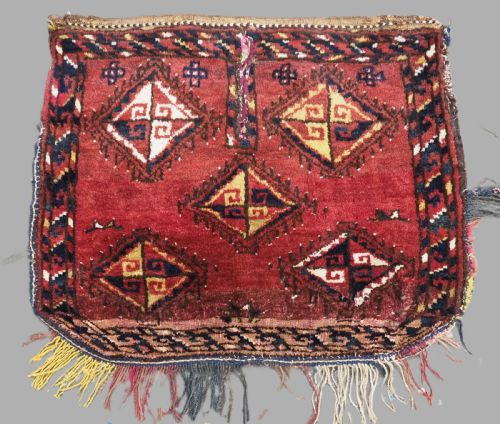

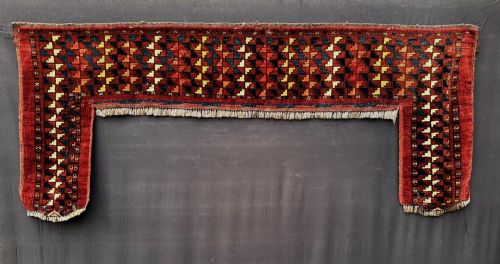
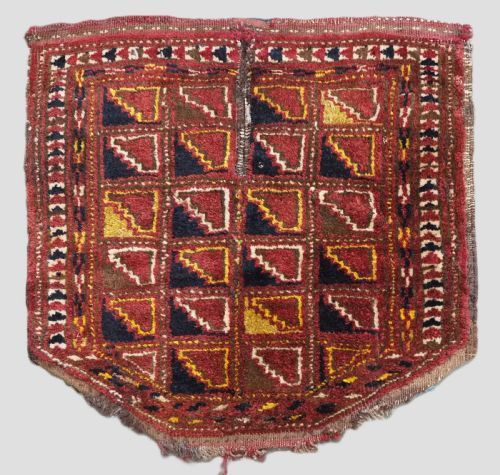
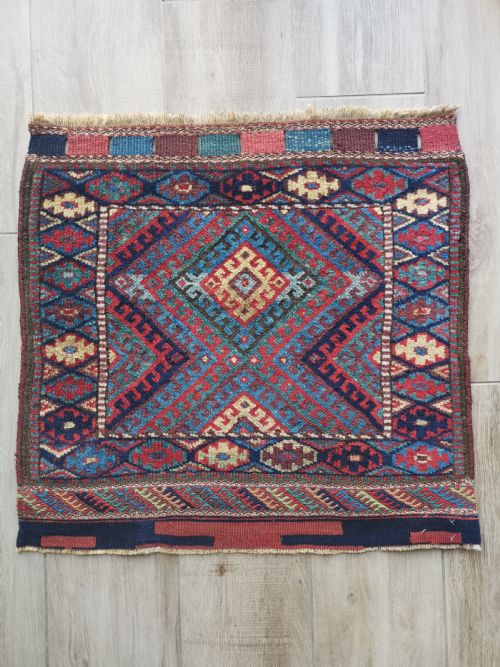
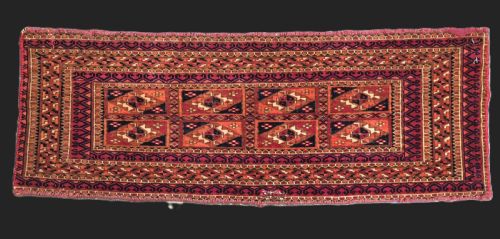
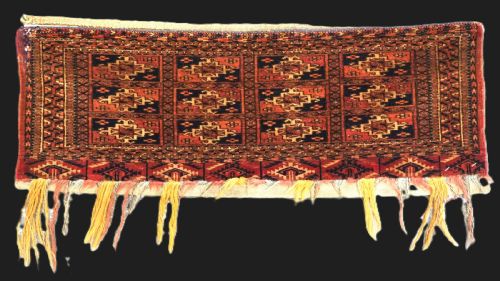
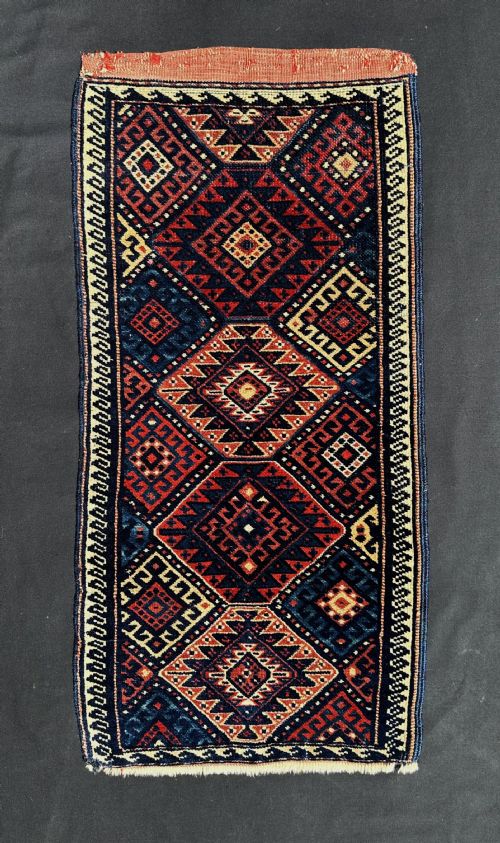


Hand Knotted Wool Textile
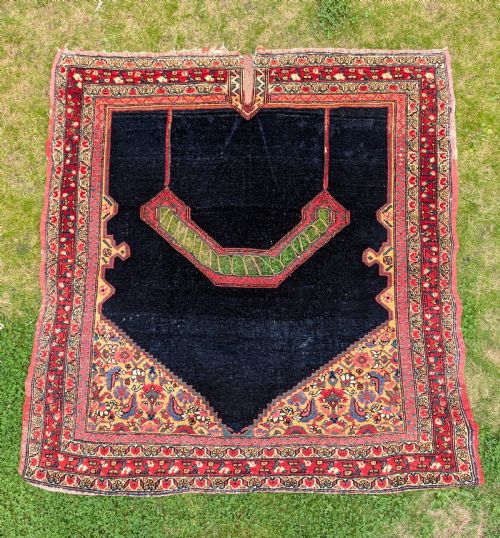
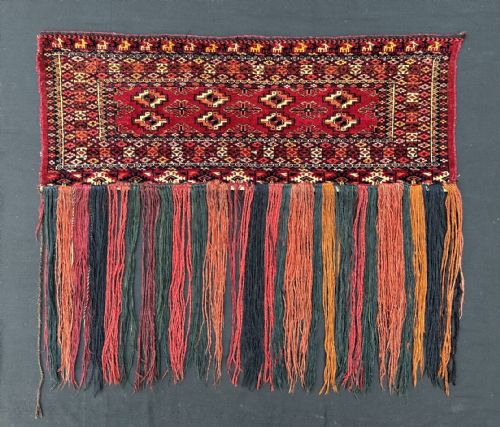
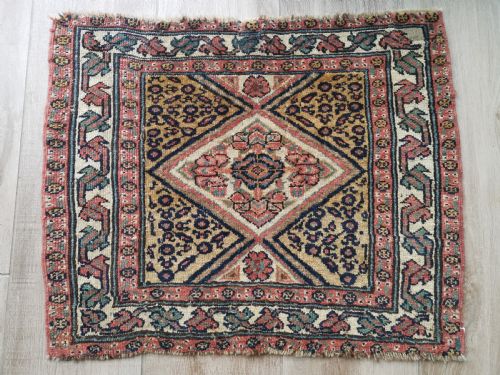
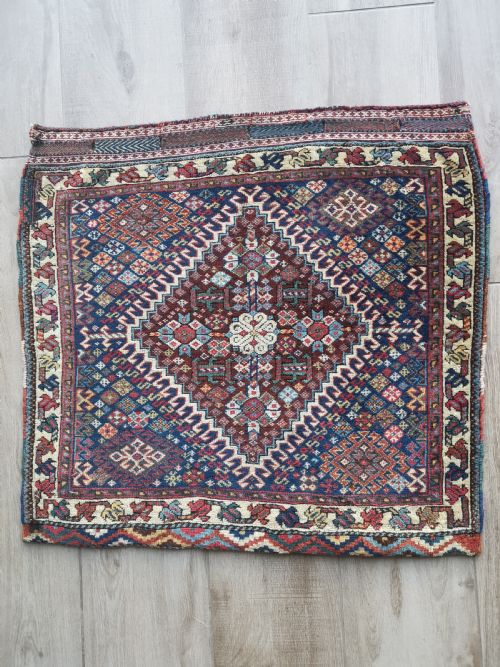
These hand knotted wool textile works are tribal rugs, covers, and bags created across Central Asia, Persia, and the Caucasus.
Hand Knotted Wool Textile
A hand knotted wool textile serves domestic or nomadic functions, taking the form of torbas, bagfaces, saddle covers, chuvals, and rugs. These pieces originate from tribal groups including the Tekke, Yomut, Ersari, Qashqai, and Jaf tribes.
The objects date from the nineteenth and early twentieth centuries, spanning periods from the 1850s to the 1920s. Buyers encounter functional items produced for storage, riding equipment, and floor coverings within Central Asian and Persian weaving traditions.
Materials and construction
Weavers constructed these textiles using hand-spun wool and natural dyes, occasionally incorporating cotton, linen, and leather elements. The structures rely on careful knotting techniques executed by tribal makers across regional workshops and nomadic camps.
Materials like wool provide the structural pile and foundation yarns, while natural dyes supply the palette observed in the patterns. Artisans assembled bagfaces, covers, and rugs with attention to practical durability and traditional geometric design.
Hand Knotted Wool Textile Retail Price Guide 2026
Typical asking prices for hand knotted wool textile among the pieces listed under this phrase on Sellingantiques today, from the lower quarter to the upper quarter. They describe what is for sale here now, not the wider market.
Listings feature pieces spanning the 1850s to the 1920s, utilising natural dyes, wool, and hand-spun wool.
Differentiating quality
Quality separates along the precision of the weave and the clarity of the design motifs, such as guls, 'aina gul' patterns, and curled leaf layouts. Pieces with very fine weave densities and complete backs demonstrate higher technical execution than damaged fragments or simpler examples.
The depth of the natural dye palette and the integrity of the original format, whether a complete torba with its plain weave back or a saddle cover, dictate the standing of an individual textile.
The Hand Knotted Wool Textile Glossary
- Torba
- A small storage bag produced by Turkmen and other Central Asian tribes. These rectangular containers hung inside tents for household storage.
- Chuval
- A large tent bag used by nomadic groups for storing bedding and household goods. They frequently display major guls arranged in rows across the face.
- Bagface
- The decorative front portion of a nomadic storage bag or saddlebag. These sections survived separately after the utilitarian plain-weave backs wore away or were cut off.
- Gul
- A medallion or repeating primary motif found in Turkmen and Central Asian tribal weaving. Different tribes utilised distinct traditional gul patterns to signal identity.
- Engsi
- A rug used as a tent door hanging by Turkmen tribes. These textiles feature a characteristic quartered design layout.
Hand Knotted Wool Textile: Frequently Asked Questions
What is a torba used for?
A torba served as a small storage bag inside nomadic tents across Central Asia. Families utilised them to hold personal possessions and household items.
These bags hung against the lattice walls of yurts, combining practical storage with traditional tribal patterns.
How are tribal bagfaces created?
Tribal weavers knotted wool yarn onto a foundation of wool or cotton, employing natural dyes for the colour palette. The front panel received careful decorative knotting while the back used plain weave.
Over time, many bagfaces were separated from their original utility backs due to wear or intentional cutting.
Where do these textiles come from?
The pieces originate from regions including Turkmenistan, Persia, the Caucasus, and Central Asia. Nomadic and village groups such as the Yomut, Tekke, Ersari, and Qashqai produced them.
Each tribal group developed distinct regional formats, structures, and wool preparation methods.
How do you date an antique textile?
Dating relies on material analysis, dye types, structural characteristics, and stylistic evolution within specific tribal groups. Pieces from the nineteenth century display particular knotting density and natural colour variations.
Comparisons with documented examples from periods like the 1850s or 1900 help place pieces within their historical window.