






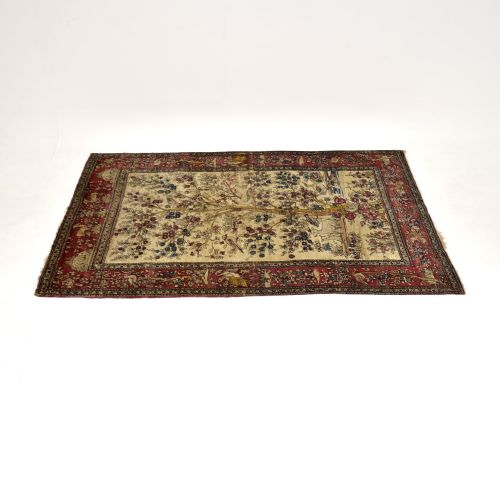

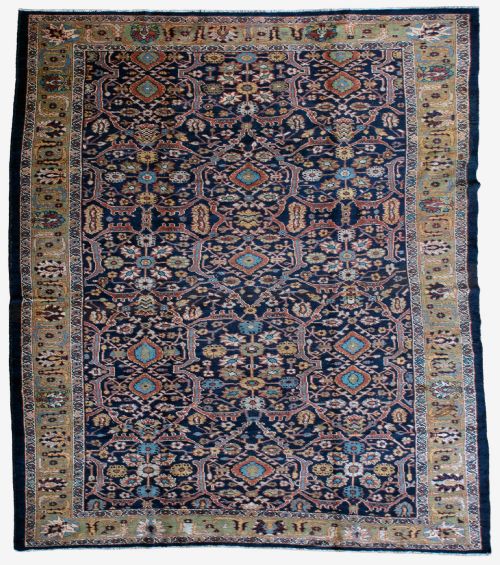
Traditional Hand Knotted Carpet
Traditional hand knotted carpet examples bring enduring craftsmanship into a room through dense piles and regional patterns passed down across generations.
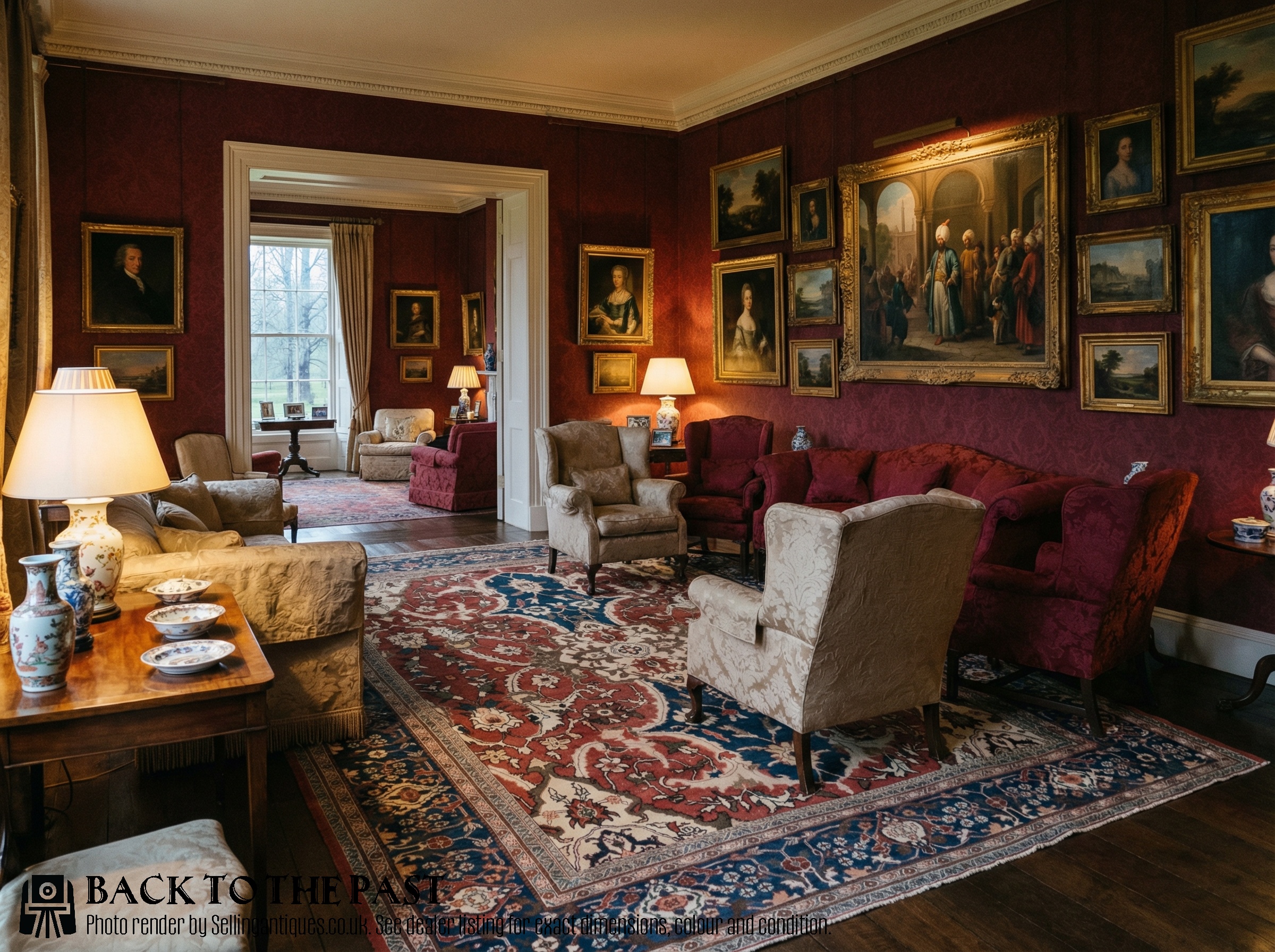
Traditional Hand Knotted Carpet
When you search for a traditional hand knotted carpet, you are looking at floor coverings woven by hand across regions such as Persia, Turkey, the Caucasus, and Central Asia. These items range from large room-sized carpets down to runners and smaller hearth rugs.
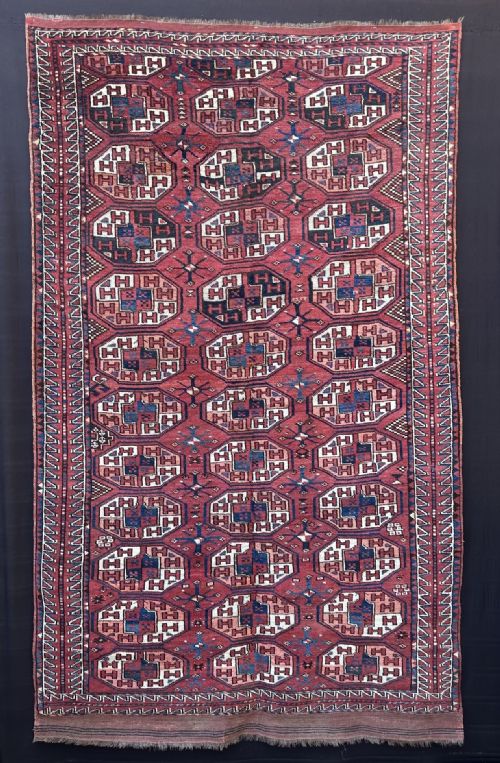
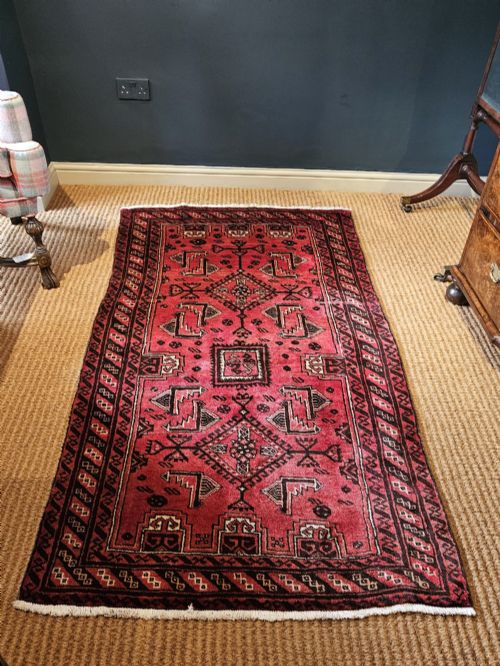
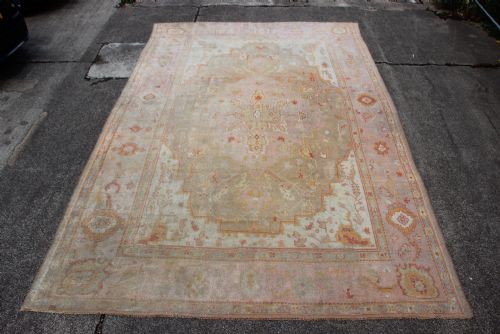
The versions you are most likely to meet on this page hail from the late nineteenth century into the early decades of the twentieth century. They encompass tribal works by groups such as the Baluch, Turkmen, and Kurds, alongside village and city workshop pieces from centres like Heriz, Oushak, and Isfahan.
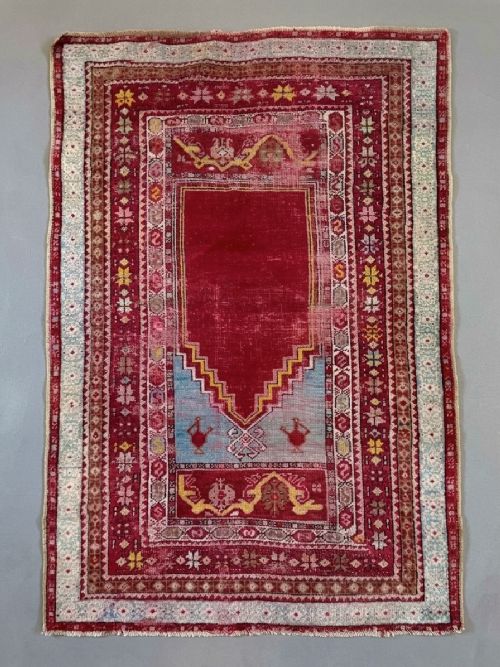
Makers utilised various formats including prayer rugs with distinctive mihrab designs, long narrow runners for hallways, and expansive carpets meant for country houses. Each piece reflects the specific weaving traditions and geographical origins of its makers.
How they were made
Weavers constructed these textiles using wool, cotton, and occasionally silk, often employing hand-spun wool for the pile and foundation threads. Natural dyes provided the deep reds, blues, and mellow background colours seen across the pieces.
The core technique relies on tying individual knots by hand onto a stretched cotton or wool warp, then securing them with horizontal weft threads. This labour-intensive method creates a dense pile that withstands decades of daily use.
Traditional Hand Knotted Carpet Retail Price Guide 2026
Typical asking prices for traditional hand knotted carpet among the pieces listed under this phrase on Sellingantiques today, from the lower quarter to the upper quarter. They describe what is for sale here now, not the wider market.
Some weavers hid tiny asymmetric tribal symbols in the borders to ward off bad luck.
What varies in quality
The degree of fineness in the knotting dictates the crispness of the geometric or floral patterns and the overall durability of the textile. Denser knots allow intricate designs, such as those found in Bidjar or Isfahan rugs, to remain sharp.
The choice of materials also divides the range, with hand-spun wool and natural dyes yielding softer patinas and richer colour depth compared to later chemical dyes. The integrity of the foundational weave determines how well the structure holds its shape over time.
The Traditional Hand Knotted Carpet Glossary
- Pile
- The upright yarn loops that form the soft surface of a carpet, created by individual knots tied to the foundation.
- Warp
- The vertical stationary threads stretched on the loom that hold the tension and support the entire woven structure.
- Weft
- The horizontal threads passed across the warp strands between rows of knots to bind the structure firmly together.
- Mihrab
- A decorative arched niche design found on prayer rugs, traditionally oriented toward Mecca during use.
- Runner
- A long and narrow carpet format specifically proportioned for hallways, corridors, and staircases.
Traditional Hand Knotted Carpet: Frequently Asked Questions
How do I clean a wool rug?
Regular gentle vacuuming without a beater bar removes surface dirt and prevents dust from settling deep into the pile.
Professional cleaning tailored to antique textiles remains necessary for addressing deeper dirt or spills safely.
Can I put a runner in a hallway?
Long narrow formats function well in hallways and corridors by protecting high-traffic wooden floors while adding warmth.
Using a quality rug underlay keeps the piece stable and reduces wear from daily footsteps.
What is a prayer rug used for?
Prayer rugs feature distinct architectural niches like the mihrab and were traditionally used for personal devotion.
Today, collectors appreciate them as compact works of art suited for display on walls or smaller floor spaces.
How do I identify tribal designs?
Tribal rugs from regions like the Caucasus or Turkmenistan display bold geometric motifs, medallions, and symbolic motifs passed through oral traditions.
These pieces often show slightly less uniform symmetry than city workshop carpets, reflecting individual weaver expression.