


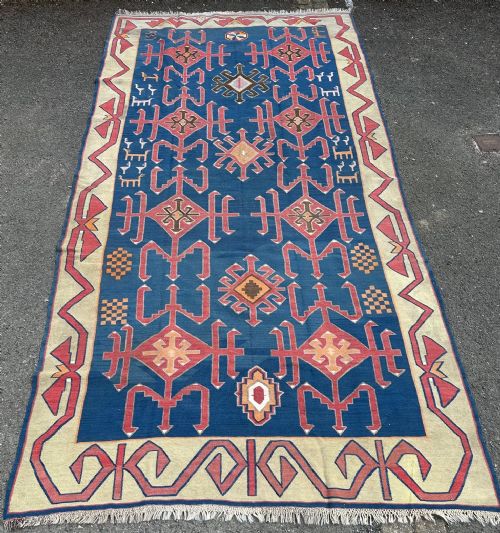


Traditional Flatweave Rug
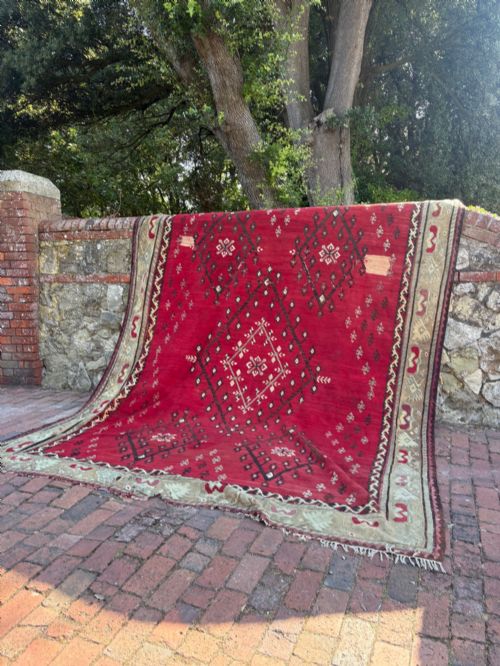
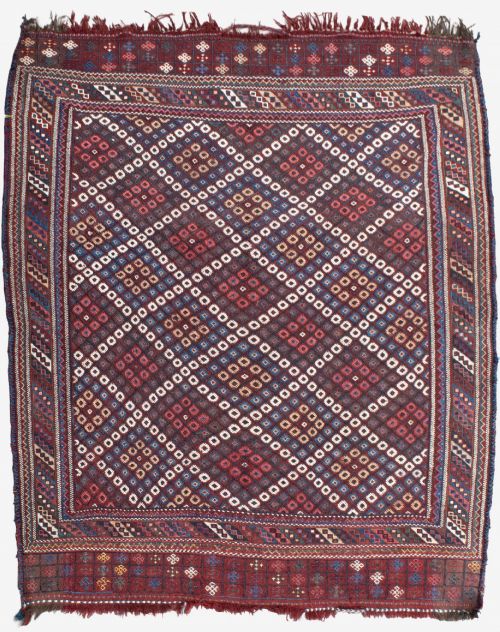
These traditional flatweave rug examples bring genuine warmth and rich geometric pattern to a floor.
Traditional Flatweave Rug
A traditional flatweave rug is an unpiled textile woven without knots, taking forms such as kilims, tapestries, and sumaks. You meet pieces spanning the nineteenth century up to nineteen-twenty, originating from regions including the Caucasus, Anatolia, Persia, and the Balkans.
The selection encompasses room-size carpets, prayer kilims, and paired runners designed for functional floor use. Styles range from Caucasian tribal and Balkan traditional to Persian tribal and Victorian interpretations of classic motifs.
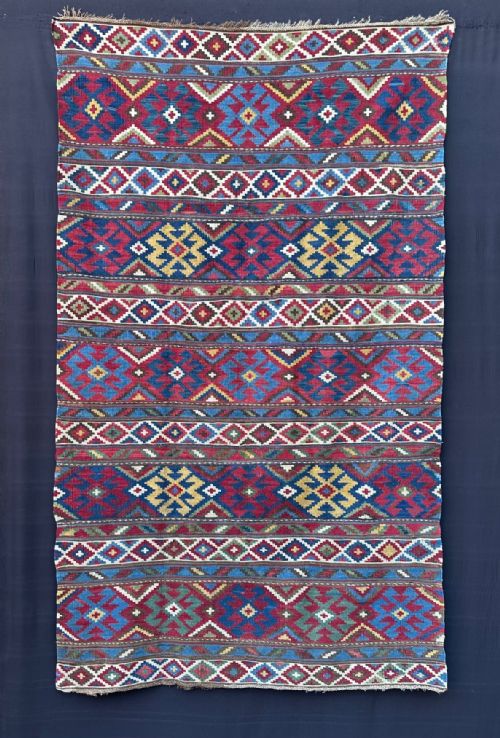
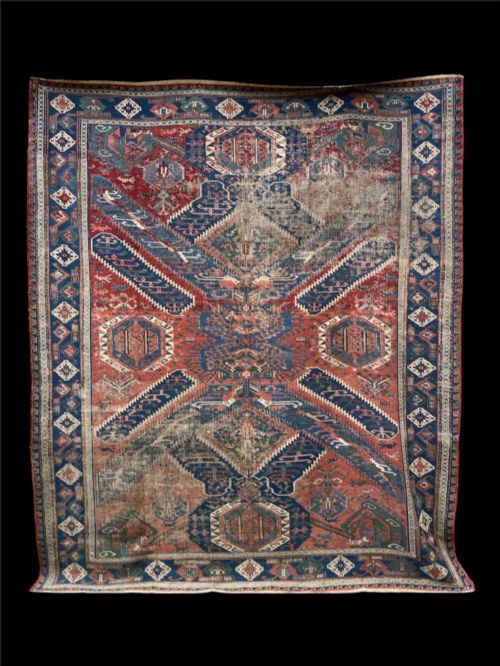
Geometric medallions, directional prayer arches, and stylized dragon motifs dominate the visual vocabulary of these textiles. Each piece reflects the specific weaving heritage and palette of its particular origin.
How they were made
These textiles utilise wool and cotton combined in flat-woven structures without pile loops. Weavers interlace the weft threads tightly across the warp to build crisp geometric boundaries and flat, durable surfaces.
Techniques vary from standard slit-taporescence in kilims to the wrapped supplementary weft technique seen in Sumak pieces. Natural dyeing methods yield soft, muted colours across the wool and cotton foundations.
Traditional Flatweave Rug Retail Price Guide 2026
Typical asking prices for traditional flatweave rug among the pieces listed under this phrase on Sellingantiques today, from the lower quarter to the upper quarter. They describe what is for sale here now, not the wider market.
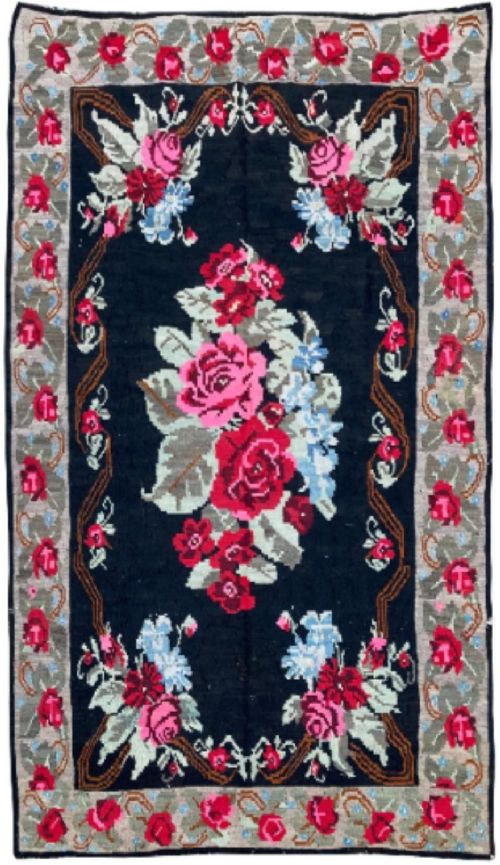
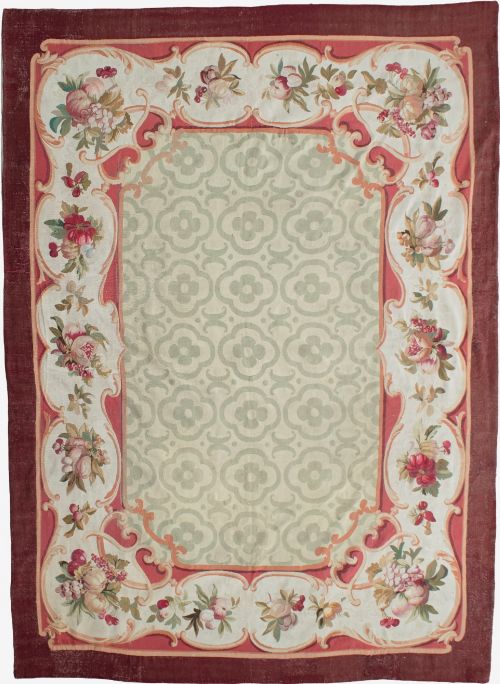
Bessarabian kilims bring a distinctly floral Victorian twist to the otherwise fiercely geometric world of tribal flatweaves.
What varies in quality
Quality rests in the tightness of the weave and the crispness of the geometric design execution. Finer tension in the wool and cotton yarns creates a flatter, more resilient fabric that holds its shape over decades of use.
The sophistication of the palette and the complexity of tribal motifs elevate certain examples above standard production. Intact borders and well-preserved structural integrity separate fine collector pieces from heavily restored domestic floor coverings.
The Traditional Flatweave Rug Glossary
- Kilim
- An unpiled flat-woven carpet or rug produced throughout Anatolia, Persia, and the Caucasus. These textiles use interlocking weft techniques that often create small vertical slits along colour boundaries.
- Sumak
- A flatweave technique involving wrapped supplementary weft threads that produce a textured, ribbed surface on the face. Pieces like the Caucasian Dragon Sumak utilise this method for added structural weight.
- Warp
- The stationary vertical threads stretched on a loom before weaving begins. Wool and cotton warps provide the foundational grid for every flatweave textile.
- Weft
- The horizontal threads passed through the warp to create the pattern and colour. Tightly beaten wefts define the dense structure of traditional flatweave rugs.
- Prayer Kilim
- A flatweave rug featuring a Mihrab or architectural arch design indicating the direction of prayer. These pieces were traditionally used for personal devotion.
Traditional Flatweave Rug: Frequently Asked Questions
How do I clean a flatweave rug?
Regular gentle vacuuming without a beater bar removes surface dust and grit from the flat textile. Professional antique textile cleaning is recommended for deeper maintenance to protect the wool and cotton fibres.
Avoid soaking these rugs or using harsh chemical detergents. Spot cleaning requires mild soap and cool water applied with care.
Can I use these rugs on modern floors?
These flat textiles function well on wooden or tiled floors when paired with a quality non-slip underlay. The underlay prevents slipping and cushions the thin weave against hard surfaces.
Keep them away from damp areas and direct strong sunlight to preserve the natural wool and cotton materials.
What is the difference between a kilim and a sumak?
A kilim is woven flat with interlocking wefts that leave small slits between colour changes. This produces a smooth, lightweight textile identical on both sides.
Sumak weaving involves wrapping extra weft threads around the warp, creating a textured face with visible floats on the reverse and a heavier handle.
How do I date a traditional flatweave rug?
Dating relies on assessing the natural dye palette, wool quality, and regional weaving structures. Nineteenth-century examples often display softer, vegetable-dyed hues and hand-spun wool.
Comparing structural motifs and border designs against documented tribal examples helps narrow the period of origin.