



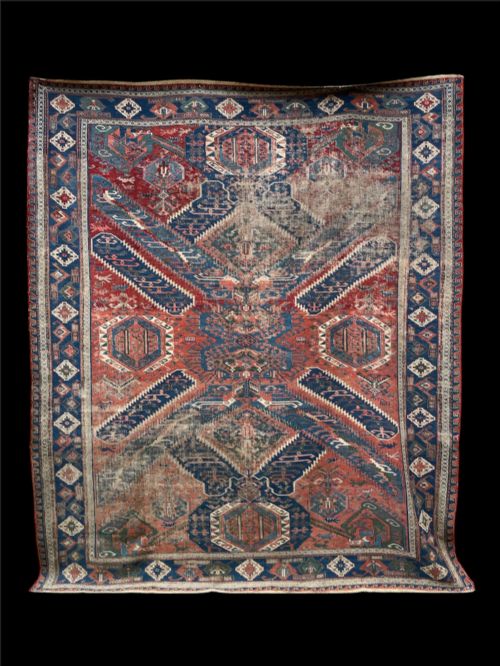
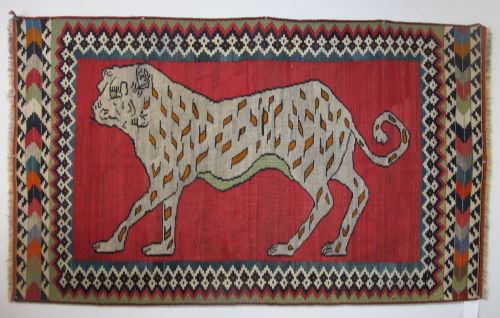
Wool Flatweave Carpet
When you choose a wool flatweave carpet, you invite graphic tribal geometry and centuries of nomadic weaving tradition into your room.
Wool Flatweave Carpet
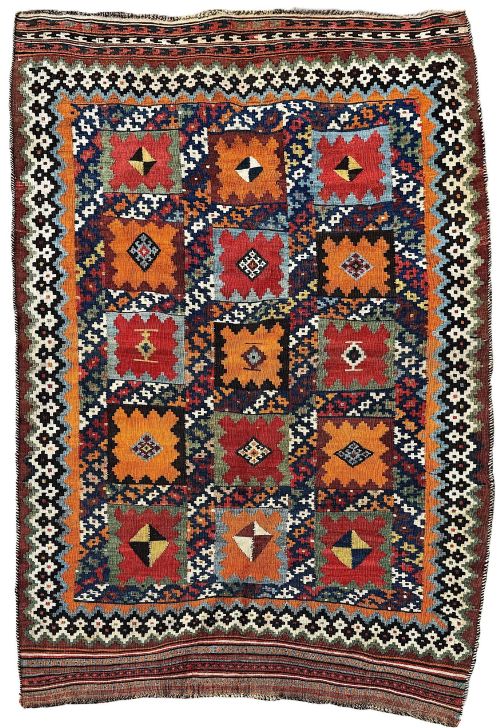
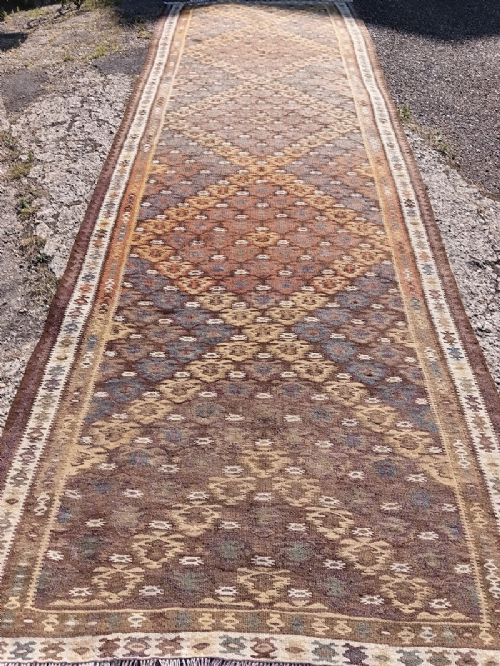
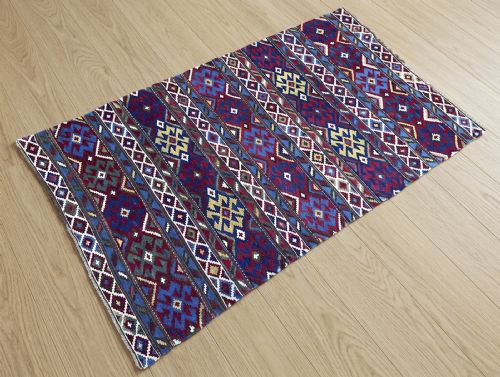
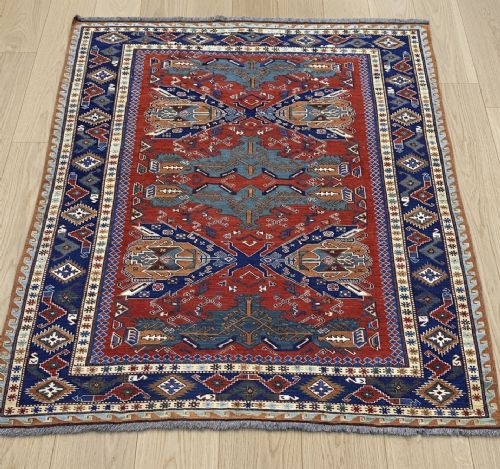
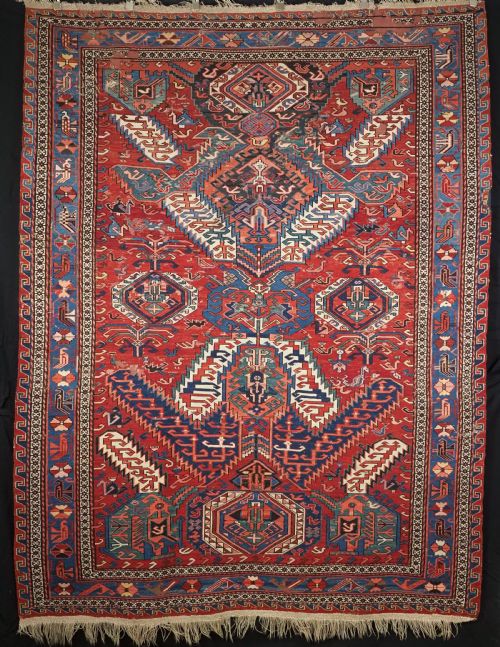
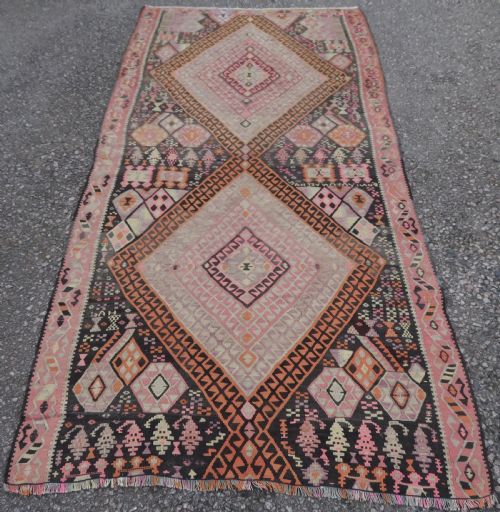
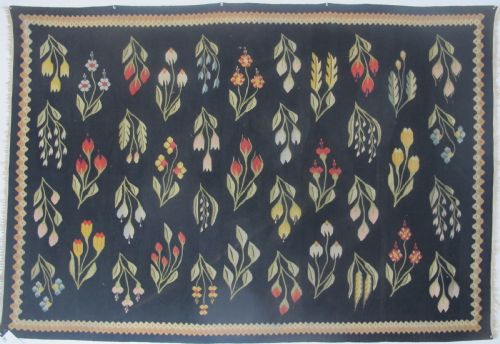
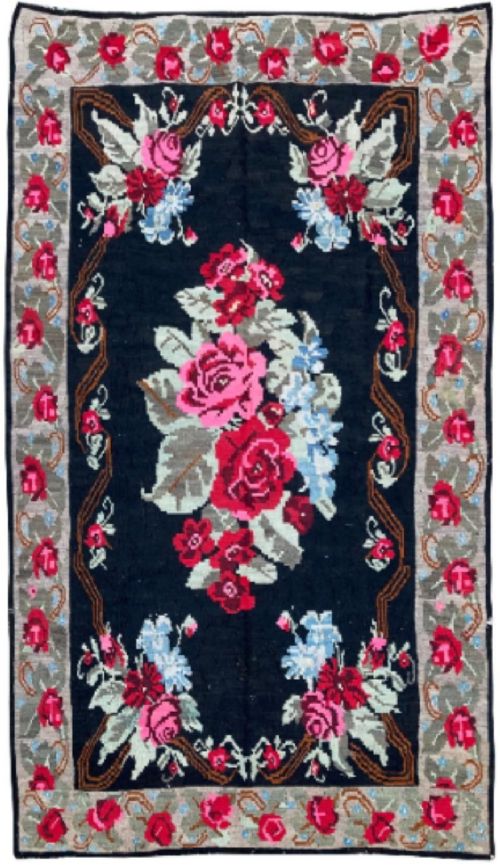
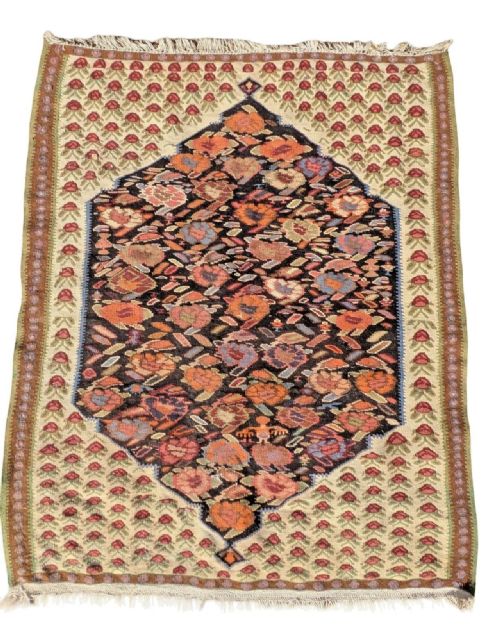
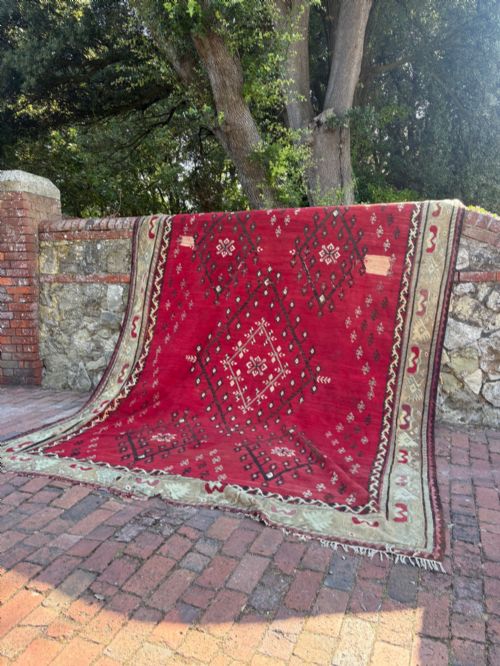
A wool flatweave carpet is a textile created without a pile, relying instead on the interlacing of warp and weft threads to form flat patterns. These pieces include tribal kilims, runners, and storage bags originating from Persian, Caucasian, Central Asian, and Anatolian traditions.
The selections span from the late nineteenth century through to the middle of the twentieth century, encompassing regional styles such as Shirvan, Qashqai, and Yomut. Buyers frequently encounter geometric room-sized carpets and smaller village fragments bearing traditional motifs.
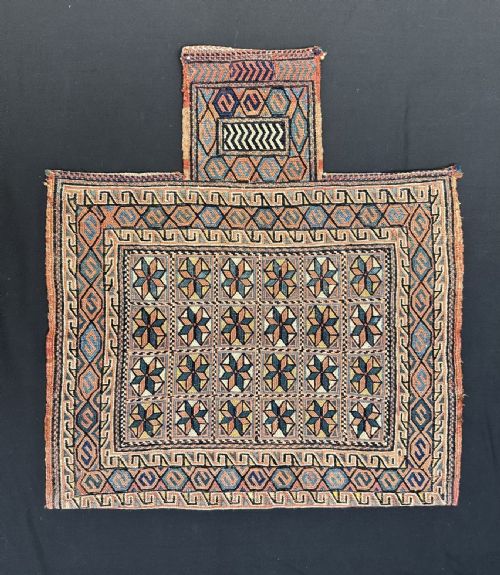
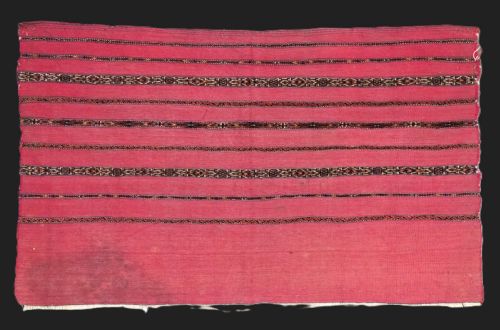
Beyond traditional floor coverings, the category includes functional household textiles like salt-bags, prayer rugs, and sofa cushions. These diverse formats demonstrate the widespread utility of flatweave techniques across nomadic and village communities.
How they were made
Weavers constructed these textiles predominantly using hand-spun wool and cotton, often incorporating natural dyes to achieve deep and varied tones. Certain pieces also utilise camel wool or canvas foundations to add structural stability.
The manufacturing technique relies on slit-tapestry weaving, where the weft threads return at the edge of a colour area rather than continuing across the entire width. This method produces crisp vertical lines and sharp geometric patterns characteristic of tribal textiles.
Wool Flatweave Carpet Retail Price Guide 2026
Typical asking prices for wool flatweave carpet among the pieces listed under this phrase on Sellingantiques today, from the lower quarter to the upper quarter. They describe what is for sale here now, not the wider market.
Nomadic weavers occasionally doubled their storage sacks as portable furniture, meaning today's collector might own a very stylish laundry basket from eighteen-eighty.
What varies in quality
Quality rests primarily in the tightness of the weave and the precision of the geometric design. Finer constructions display intricate detailing and greater density in the interlocked threads.
The choice of dyestuffs significantly influences the character of a piece, with natural dyes yielding harmonious colour variations that age gracefully. The integrity of the original wool supply and the preservation of structural edges also separate standard examples from finer regional works.
The Wool Flatweave Carpet Glossary
- Kilim
- An un-piled flatwoven carpet or rug produced throughout the Near East and Central Asia. They are typically characterised by geometric designs formed by interlooping the coloured weft threads.
- Warp
- The stationary vertical threads stretched onto a loom before weaving begins. The weft threads pass alternately over and under these structural elements.
- Weft
- The horizontal threads passed through the warp to create the fabric and pattern. In flatweaves, these threads carry the visible colours of the design.
- Mafresh
- A rectangular storage bag or container used by nomadic tribes for bedding and household goods. These pieces are frequently repurposed or collected as flatweave panels.
- Sumak
- A technique of brocade-weaving that wraps extra weft threads around the warp to produce a textured surface resembling embroidery on the reverse side.
Wool Flatweave Carpet: Frequently Asked Questions
How do I clean a flatweave carpet?
Regular gentle vacuuming without a beater bar removes surface dust and grit. Professional textile cleaning is recommended for deeper maintenance to protect the wool fibres and natural dyes.
Avoid aggressive scrubbing or soaking, which can weaken the historical structure of older pieces. Promptly blot liquid spills with a clean cloth rather than rubbing.
Where were these rugs made?
The pieces originate from nomadic and village communities across Persia, the Caucasus, Anatolia, and Central Asia. Specific regions such as Shirvan, Karabagh, and areas inhabited by Qashqai and Yomut tribes developed distinct visual vocabularies.
Local access to specific sheep breeds and native plants shaped the palette and texture found in each weaving tradition.
Can I use a flatweave on the floor?
These textiles function well as floor coverings, though adding a quality rug underlay provides slip resistance and extra cushioning. Placing them in moderate-traffic areas helps distribute wear evenly across the flatwoven surface.
For fragile or historical pieces, displaying them on a wall as a textile hanging reduces physical wear and protects the structure.
What is the difference between a kilim and a pile rug?
A kilim is constructed entirely through flatweaving without any raised pile surface, resulting in a lighter and thinner textile. Pile rugs feature vertical knots of wool sheared to create a plush, three-dimensional nap.
Flatweaves fold easily and were traditionally utilised by nomads for versatile packing, horse covers, and flooring.