




Handmade Tribal Rug
A handmade tribal rug brings the historic nomadic and village weaving traditions of Persia, Central Asia, and the Caucasus directly onto the floor.
Handmade Tribal Rug
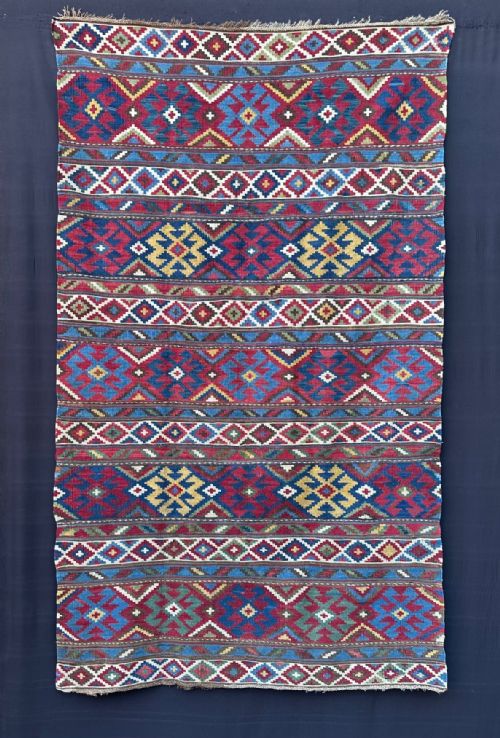
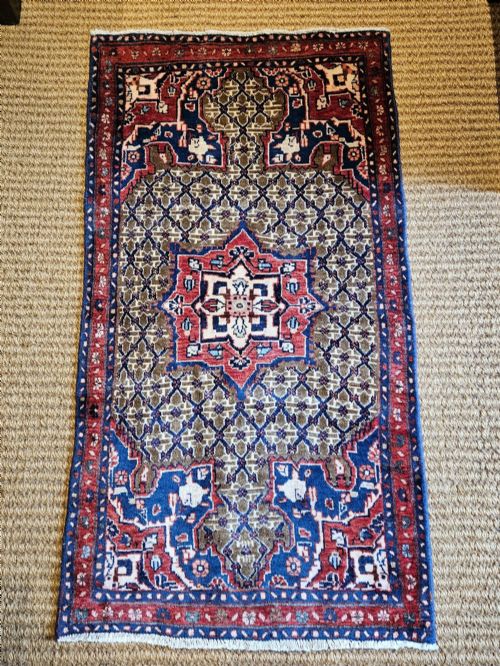
When you search for a handmade tribal rug, you encounter woven works originating from nineteenth and early twentieth-century nomadic groups, village communities, and regional tribes. The selection ranges from larger floor carpets and hearth-sized rugs to specific tribal formats such as torba faces, chuval faces, salt bags, and flat-woven kilims.
The pieces on this page span styles from Persian Tribal and Turkmen to Anatolian Tribal, Qashqai, and Central Asian Tribal. Dating primarily from the nineteenth century up to the 1920s, these textiles reflect the distinct design repertoires of specific groups including the Tekke, Saryk, Yomut, Baluch, and Qashqa'i.
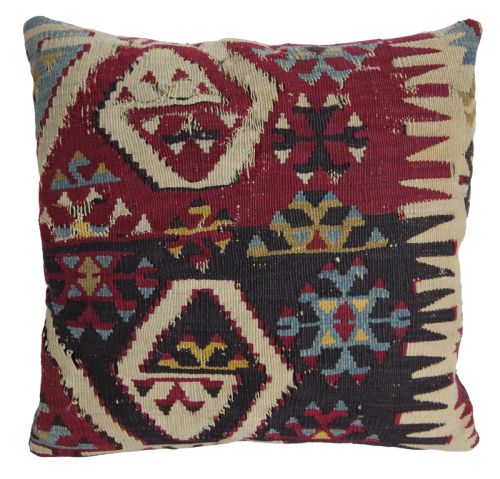
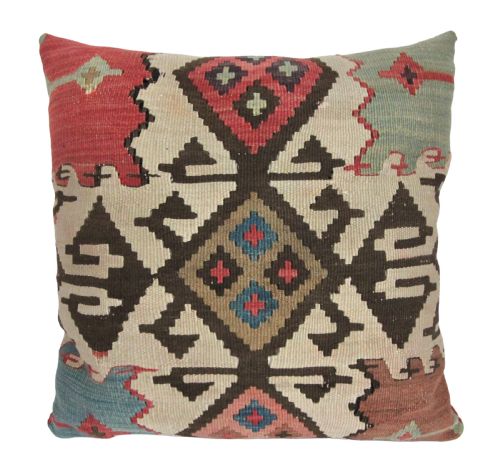
Beyond standard floor rugs, the inventory includes smaller utilitarian forms such as Sofreh dining spreads, water-pipe bags, and cushions fashioned from antique kilim fragments. Each item carries the structural traits and motifs typical of its specific weaving origin.
Materials and construction
These textiles rely primarily on wool, hand-spun wool, and cotton, supplemented by goat hair for durability in specific structural areas. Cotton warp threads often provide a stable foundation for the pile, while the surface wool absorbs natural dyes derived from regional plants and minerals.
Weaving techniques vary by regional tradition, encompassing pile rugs knotted by hand alongside flat-woven kilims and pieces woven in multiple joined strips such as Uzbek yurt rugs. Certain items display fine weaves designed for daily utility or ceremonial dowry purposes, maintaining structural integrity across decades of use.
The listings span periods from the mid-nineteenth century through the 1920s, encompassing wool, cotton warp, and goat hair materials.
Distinguishing quality
Quality in these textiles rests upon the fineness of the weave, the precision of the tribal motifs, and the depth of the palette. Pieces featuring tightly packed knots and crisp structural lines demonstrate superior technical control by the weaver.
Visual balance also defines the upper tier of the range, where traditional gul patterns, medallion layouts, and contrasting border elements maintain proportion and clarity. Well-preserved structures with intact original edges and balanced proportions command greater attention from collectors.
The Handmade Tribal Rug Glossary
- Gul
- A primary octagonal medallion motif frequently found in Turkmen tribal weaving. Different tribes utilised distinct gul designs to signify lineage.
- Kilim
- A flat-woven textile produced without a pile by tightly interweaving warp and weft threads. These serve as floor coverings, covers, or decorative furnishings.
- Torba
- A small storage bag produced by Turkmen nomads, usually hung inside a tent. They often feature elaborate face designs and specific tribal symbols.
- Sofreh
- A spread or cloth used for dining or food preparation in traditional Persian households. They are typically flat-woven and display geometric field patterns.
- Chuval
- A large storage bag used by nomadic groups for bedding and household goods. Surviving examples are frequently preserved as face fragments.
Handmade Tribal Rug: Frequently Asked Questions
How do I identify a tribal rug?
Tribal rugs are recognised by their geometric patterns, asymmetrical village designs, and saturated natural colour palettes. They reflect the specific cultural motifs of nomadic groups rather than urban workshop standards.
Look for characteristics like tribal guls, abrash colour variations in the wool, and distinctive structural endings. Each region from the Caucasus to Persia imparts unique structural habits to its weaving.
Where were these rugs made?
These textiles were produced by nomadic tribes, village weavers, and regional confederacies across Persia, Anatolia, Central Asia, and the Caucasus. Groups such as the Qashqa'i, Baluch, Tekke, and Saryk created them for daily domestic use.
Production took place within local settlements and during seasonal migrations. The materials and motifs directly reflect the immediate environment and cultural traditions of the makers.
How should I clean an antique rug?
Antique tribal wool requires gentle care to protect natural dyes and hand-spun fibres. Professional cleaning suited to antique textiles is recommended over harsh domestic methods.
Regular light vacuuming without a rotating power brush helps remove embedded dust. Avoid soaking the textile or using chemical detergents that can strip the natural lanolin from the wool.
What does a gul motif mean?
A gul is a repeating medallion pattern characteristic of Central Asian and Turkmen tribal weaving. It often served as a tribal emblem identifying specific clans and lineages.
Different variations, such as the ovoid gul or the Salar Khani design, distinguish one group's work from another. These motifs carry generations of symbolic tradition within the weave.