


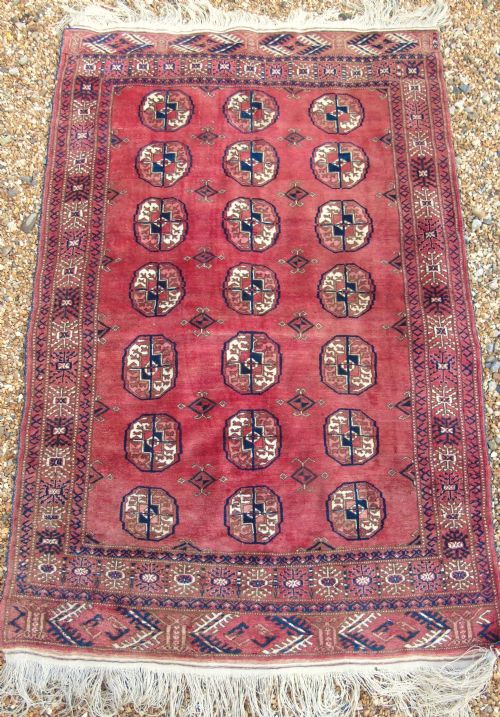
Vintage Bokhara Rug
These vintage bokhara rug pieces bring rich Central Asian tribal character and deep red tones directly into your home.
Vintage Bokhara Rug
A vintage bokhara rug connects your floor to the rich weaving traditions of Central Asian and Turkmen tribes. When exploring these listings, you will frequently encounter formats ranging from compact wedding rugs and dowry pieces to large main carpets and village runners.
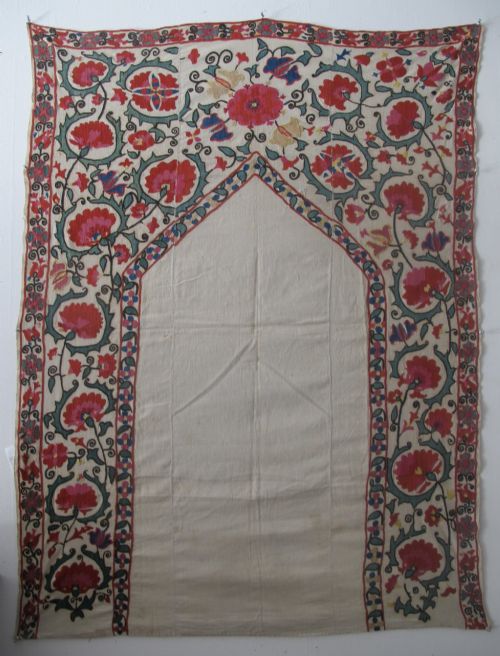
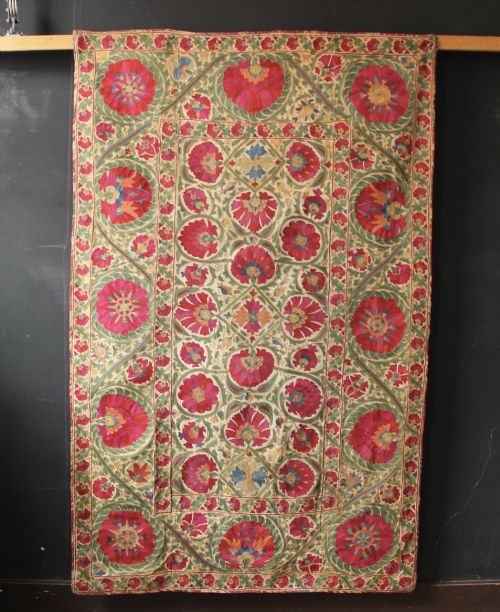
The inventory spans pieces produced across the nineteenth and early twentieth centuries, particularly from the 1850s through to the 1920s. Alongside traditional pile carpets, you will also discover embroidered textiles such as suzanis featuring architectural and floral motifs.
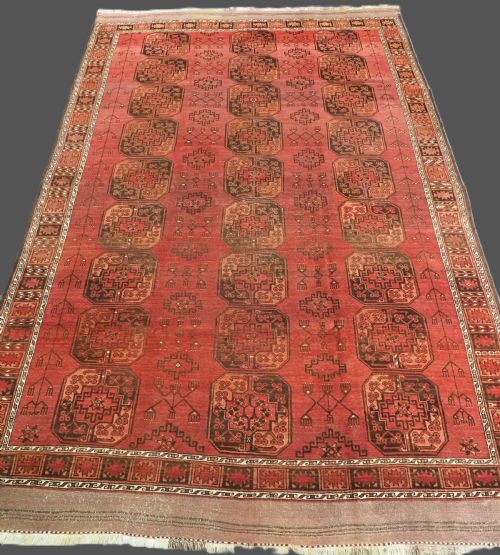
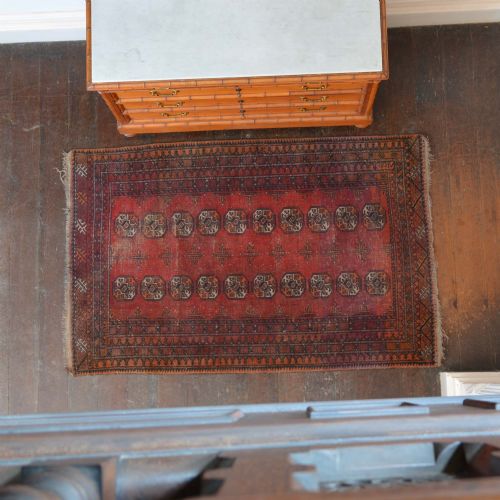
These floor coverings and wall hangings display classic tribal geometry, most notably repeating gul motifs and ovoid designs. Afghan and Turkmen variations dominate the selection, bringing substantial woollen construction and deep red or burgundy colour palettes to domestic spaces.
How they were made
Weavers constructed these textiles primarily using wool, cotton, and silk materials, often combining wool foundations with silk highlights. Soft handle wool provides the dense pile seen in traditional wedding rugs and main carpets.
Nomadic and village workshops utilised natural dyeing techniques to achieve the warm red, burgundy, and gold tones characteristic of the region. Hand-knotted pile and detailed needlework suzani embroideries demonstrate the careful execution required for these enduring floor coverings and wall hangings.
Listings feature wool, silk, and cotton materials across periods spanning the nineteenth and early twentieth centuries.
What varies in quality
The fineness of the knotting and the density of the wool pile set individual examples apart. Superior items exhibit a tight, even weave and exceptional softness in the handle, particularly in smaller dowry and wedding pieces.
Colour saturation and the clarity of traditional gul and ovoid patterns also dictate distinction. Pieces retaining full pile alongside well-preserved silk highlights represent the highest standard of weaving craftsmanship.
The Vintage Bokhara Rug Glossary
- Gul
- A repeating octagonal or medallion motif used traditionally by Turkmen and Central Asian weavers. These geometric emblems form the primary decorative field on most bokhara carpets.
- Suzani
- An embroidered tribal textile originating from Central Asia, often worked in silk on a cotton or linen foundation. They frequently incorporate floral or architectural elements.
- Dowry rug
- A specialised textile created by nomadic weavers as part of a bride's traditional marriage portion. These pieces typically display particularly fine knotting and soft wool.
- Chuval face
- The front panel of a large Turkmen storage bag woven with large guls. Collectors prize these fragments for their bold tribal geometry.
- Main carpet
- A large-format floor covering produced for daily domestic use or ceremonial display within a tribe. They require extended periods of weaving time compared to smaller runners or wedding rugs.
Vintage Bokhara Rug: Frequently Asked Questions
How were these rugs originally used?
Nomadic and village communities utilised these textiles as floor coverings, tent decorations, and significant components of wedding dowries. Larger formats served as main carpets in communal spaces, while smaller dowry pieces held deep cultural meaning.
Textiles like suzanis functioned as wall hangings, decorative covers, or festive hangings within Central Asian homes. Their robust construction suited both daily practical living and ceremonial occasions.
How do I live with a tribal carpet?
Place your rug in a low-to-medium traffic area to preserve the wool pile and natural dyes over time. Use a quality underlay to prevent slipping and to provide extra cushioning beneath the feet.
Keep the textile away from direct, harsh sunlight to maintain the rich red and burgundy colour tones. Gentle vacuuming without a rotating brush roll helps clear dust while protecting the delicate hand-knotted structure.
How can I tell different tribal designs apart?
Examine the primary motifs, such as the repeating octagonal gul patterns associated with Turkmen weavers or the distinctive ovoid shapes. Ersari and Tekke pieces often display subtle variations in border geometry and colour saturation.
Pay attention to the scale of the field and the presence of supplementary materials like silk highlights. These structural and stylistic choices point directly to specific regional weaving traditions.
What is the difference between a rug and a suzani?
A rug is a heavy, pile-woven floor covering constructed by knotting wool yarn onto a warp and weft foundation. They are built for durability underfoot and feature dense geometric patterns.
A suzani is an embroidered textile rather than a pile carpet, stitched with silk or cotton thread onto a fabric ground. They were created primarily as decorative wall hangings or covers rather than functional floor mats.