





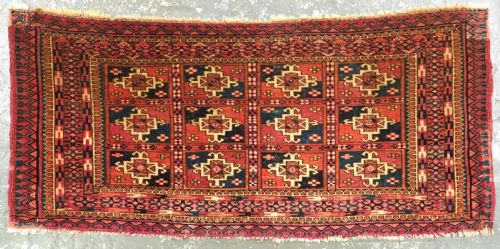
Antique Turkoman Weaving
Antique Turkoman weaving brings dense tribal geometry and rich wool palettes into modern spaces.
Antique Turkoman Weaving
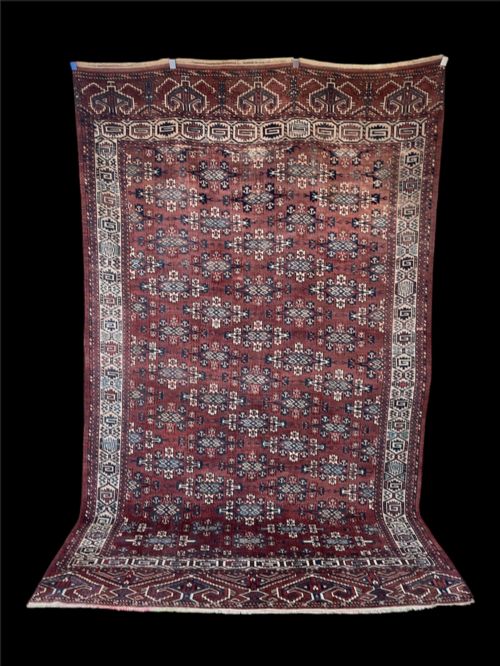
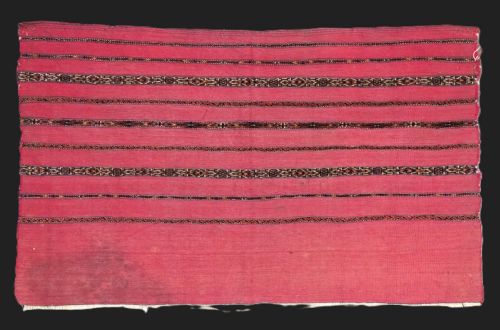
Antique turkoman weaving encompasses tribal rugs, trappings, and tent bands produced across Central Asia. These items range from large carpets and dowry rugs to smaller utilitarian forms such as chuval faces and tent pole bags.
The pieces appearing here stem primarily from the nineteenth and early twentieth centuries, spanning periods from the seventeen-fifties through to nineteen-twenty. Buyers encounter specific tribal groups including Yomut, Tekke, Salor, Ersari, and Karakalpak.
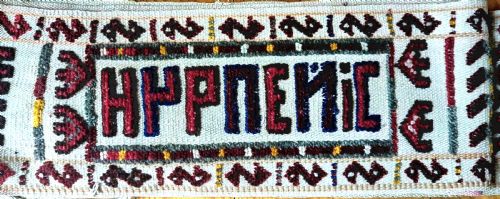
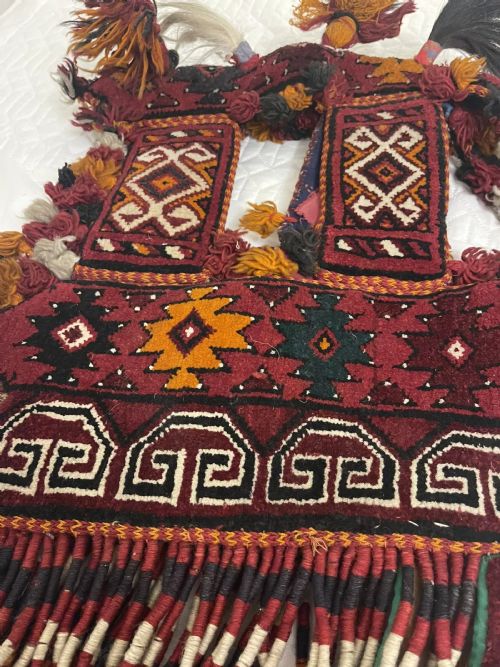
Forms include complete main carpets, mafrash faces, wedding camel or horse neck dress garments, and yurt bands. Each piece reflects the nomadic heritage and functional requirements of Turkoman and Central Asian tribal life.
Materials and construction
Makers utilised wool as the primary foundation and pile material, frequently supplemented by cotton for structural elements and silk for specific highlights. Natural dyes provided the distinctive palette seen across these tribal textiles.
Weavers constructed these pieces with tight knotting techniques suited to nomadic deployment and daily domestic wear. Tent bands, wall hangings, and trapping panels demonstrate durable structural engineering designed to withstand harsh environments.
Current listings feature materials including wool, cotton, silk, and natural dyes across carpets, fragments, and tent bands.
Factors determining quality
The intricacy of the primary design and the density of the weave separate exceptional examples from standard production. Finer knot counts and complex gül motifs indicate greater technical skill on the part of the weaver.
The preservation of natural dyes and the clarity of secondary borders influence the visual impact of a textile. Intact structural borders and minimal restoration preserve the integrity of nineteenth-century pieces.
The Antique Turkoman Weaving Glossary
- Chuval
- A large storage bag face produced by nomadic tribes for household organisation. These rectangular panels display repeated tribal motifs such as güls.
- Gul
- A primary medallion motif repeated across Turkoman carpets and trappings. Different tribal groups developed distinct geometric gül patterns to signify their heritage.
- Okbash
- A decorative tent pole bag used inside nomadic dwellings. These small triangular or hood-shaped pieces protected the ends of yurt poles during transport or storage.
- Mafrash
- A storage bag face used for bedding and household goods. They often feature intricate border systems and central medallion repeats.
- Trapping
- A woven textile designed for animal decoration during weddings and migrations. Examples include camel and horse neck dress garments from Afghanistan and surrounding regions.
Antique Turkoman Weaving: Frequently Asked Questions
What is a chuval face?
A chuval face is the front panel of a large storage bag made by nomadic weavers. These pieces were mounted on tent walls or used for stacking bedding.
Over time, collectors removed the worn backs to preserve the intricate face designs. They now function primarily as small wall hangings or floor rugs.
How do I identify different tribal groups?
Tribal attribution relies heavily on the specific gül motifs and border arrangements used in the weaving. Yomut, Tekke, and Ersari weavers each employed distinct geometric vocabularies.
Palette choices and secondary ornaments also assist in separating regional styles. Close inspection of the structural knots confirms the specific tribal origin.
Where were tent bands used?
Tent bands functioned as structural and decorative straps inside circular nomadic dwellings. They secured the felt coverings around the wooden framework of the yurt.
Long strips were woven in sections to withstand the tension of daily camp life. Today, surviving bands serve as decorative wall borders or runners.
How do I care for antique wool textiles?
Antique wool textiles require gentle maintenance to preserve natural fibres and dye stability. Regular light vacuuming without a beater bar removes surface dust.
Professional textile conservation cleaning prevents fibre degradation. Avoiding direct sunlight protects natural dyes from fading over time.