






Red Wool Kazak Rug
These red wool kazak rug examples bring bold Caucasian geometry and rich saturated tones into a room.
Red Wool Kazak Rug
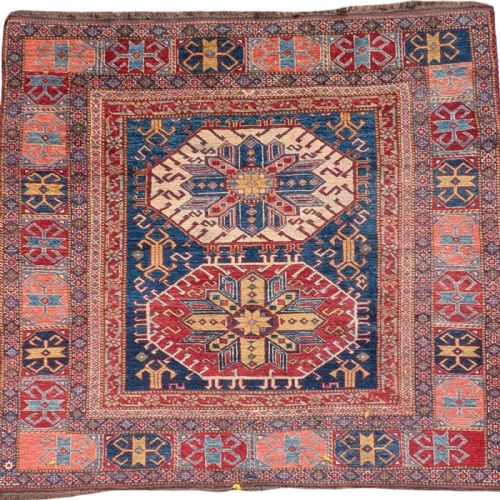
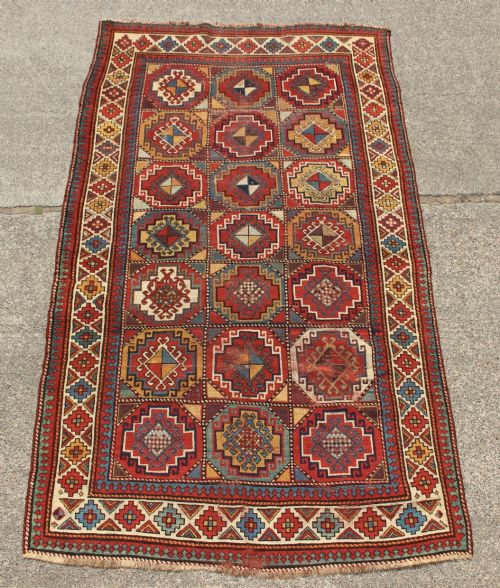
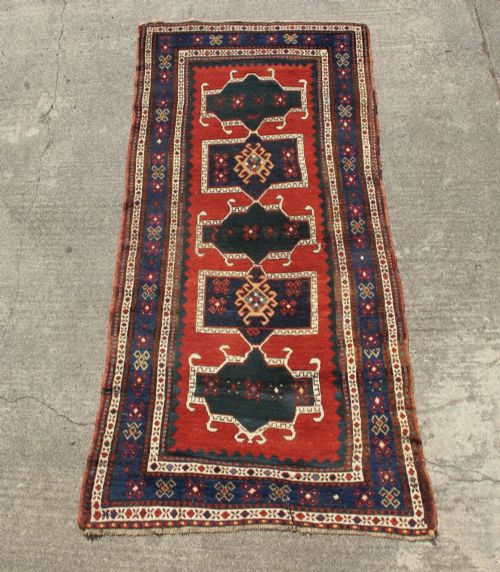
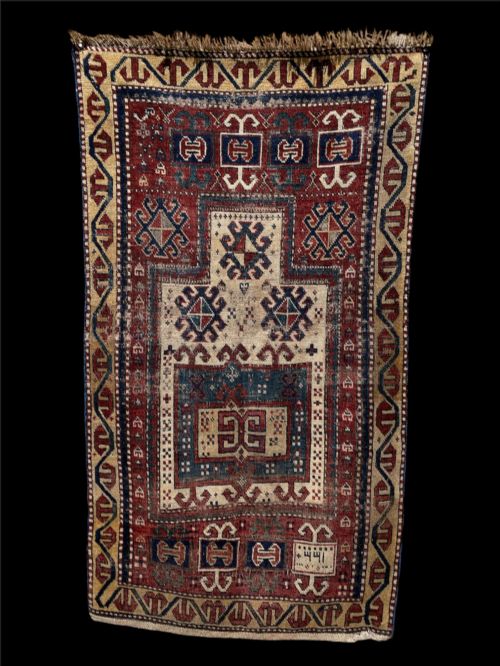
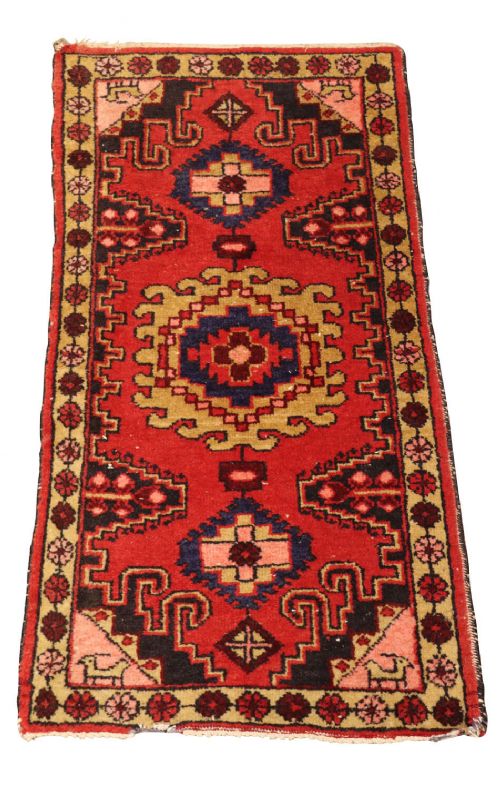
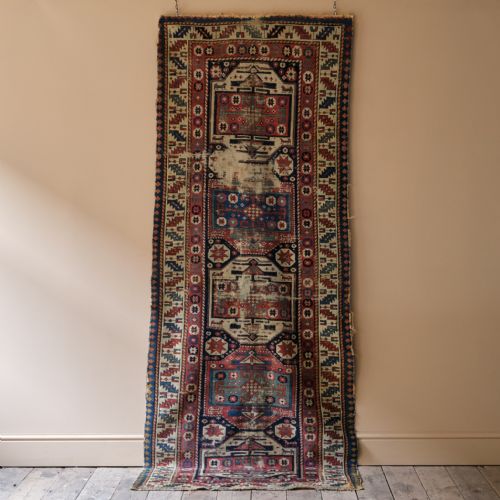
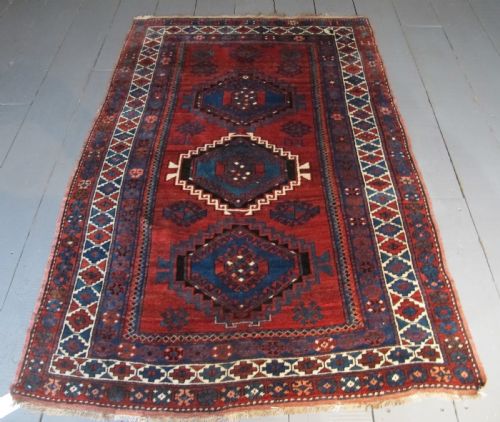
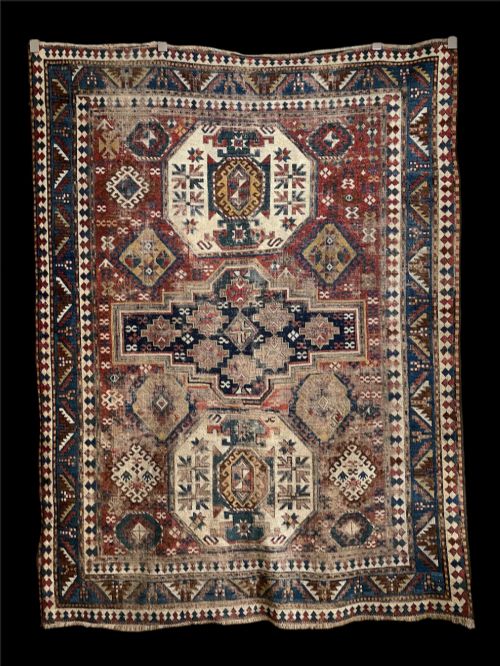
A red wool kazak rug is a woven tribal floor covering originating from the Caucasus region during the nineteenth and early twentieth centuries. These pieces display distinct geometric medallions, animal motifs, and prayer designs executed in formats ranging from small mats to runners and carpets.
The versions most commonly met on this page date from the 1850s to the 1930s, often attributed to specific regional traditions such as Fachralo, Borchalu, Moghan, Karachov, and Chelaberd. They function primarily as durable floor textiles or decorative focal points in domestic interiors.
Materials and construction
The physical structure relies on hand-spun wool for the pile and cotton or wool for the foundation, combined through hand-knotting techniques. Natural dyes provide the characteristic palette, utilising organic sources to create deep reds, blues, and contrasting accents.
Weavers constructed flatweave kilims and pile carpets alike, occasionally incorporating repurposed elements such as mafrash panels into flatwoven structures. This traditional craftsmanship results in a dense, resilient textile designed for heavy daily use.
Red Wool Kazak Rug Retail Price Guide 2026
Typical asking prices for red wool kazak rug among the pieces listed under this phrase on Sellingantiques today, from the lower quarter to the upper quarter. They describe what is for sale here now, not the wider market.
Listings span the nineteenth and early twentieth centuries, featuring wool, cotton, hand-spun wool, and natural dyes across diverse rug formats.
Assessing quality and character
Quality in these textiles depends heavily on the clarity of the geometric design, the saturation and depth of the natural dyes, and the fineness of the knotting. Pieces with well-defined medallions and balanced proportions command greater attention from collectors.
Condition also plays a role, distinguishing intact surfaces and crisp remnants from heavily worn examples. The vitality of the wool and the precision of regional motifs determine the overall presence of each piece.
The Red Wool Kazak Rug Glossary
- Kazak
- A term applied to rugs woven by various tribal groups in the Caucasus region. These pieces are celebrated for their bold geometric patterns and vibrant colour palettes.
- Medallion
- A central ornamental motif set within the field of a rug. In Caucasian weaving, these are frequently hooked, octagonal, or multi-lobed in configuration.
- Prayer rug
- A small format textile featuring a specific architectural mihrab or niche design at one end. Historically used for individual devotion, these are prized for their compact, symmetrical compositions.
- Kilim
- A flatwoven textile produced without a raised pile. These items rely on interlocking weft techniques to create crisp, geometric surface patterns.
- Boteh
- A teardrop or almond-shaped motif with a curved upper end, of Persian origin. This symbol appears frequently in regional runner designs and lattice patterns.
Red Wool Kazak Rug: Frequently Asked Questions
Where were these rugs made?
These textiles were produced by tribal weavers across the Caucasus region, encompassing areas that bridge Europe and Asia. Specific valleys and villages developed distinct design vocabularies that help identify their geographic origins today.
Local materials and regional weaving traditions dictated whether a workshop favoured hooked medallions, prayer niches, or large animal motifs.
How do I care for an antique wool rug?
Maintenance requires gentle vacuuming without a rotating beater bar and prompt attention to spills using mild, non-alkaline cleaners. Keeping the textile out of direct, harsh sunlight preserves the stability of the natural dyes.
Professional cleaning tailored to antique pile rugs ensures the wool and foundational cotton remain undamaged over decades of use.
What is a prayer niche?
A prayer niche is an architectural arch depicted at one end of a rug to signify a sacred space. Weavers incorporated this mihrab shape to guide the orientation of the textile during personal use.
Over time, these niches evolved into distinct decorative hallmarks within specific Caucasian sub-types like Fachralo and Karachov formats.
How can I tell regional styles apart?
Different Caucasian regions utilised characteristic colour combinations and specific geometric arrangements to signal their origin. For instance, Karachov types often feature large central square blocks, while Moghan rugs favour hooked repeating medallions.
Examining the border patterns, secondary motifs, and structural density provides further clues to a piece's specific provenance.