







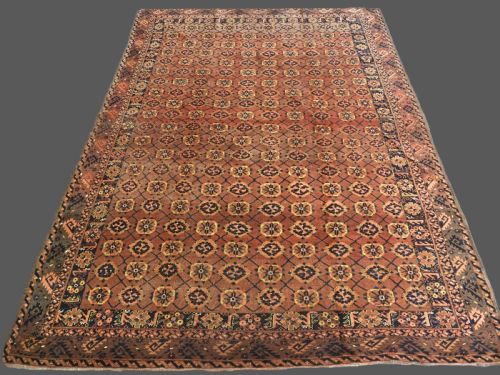
Persian Tribal Wool Carpet
A persian tribal wool carpet brings earthy warmth and rich village character to a floor through enduring nomadic weaves and saturated wool.
Persian Tribal Wool Carpet
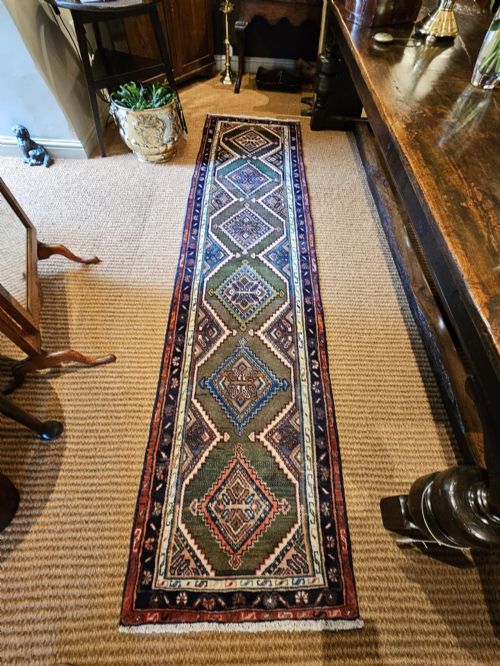
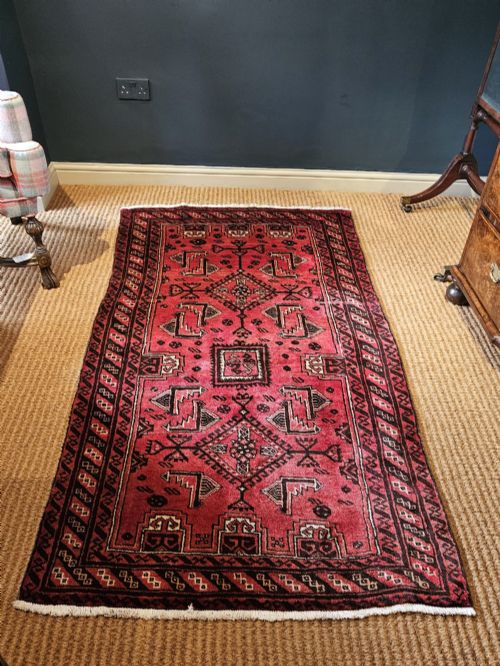
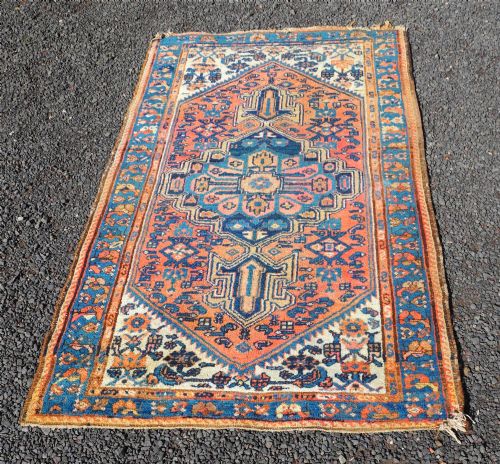
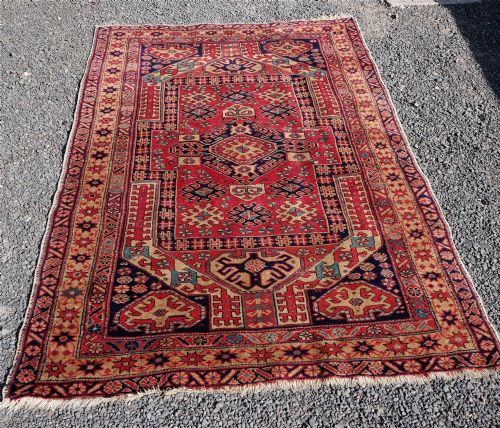
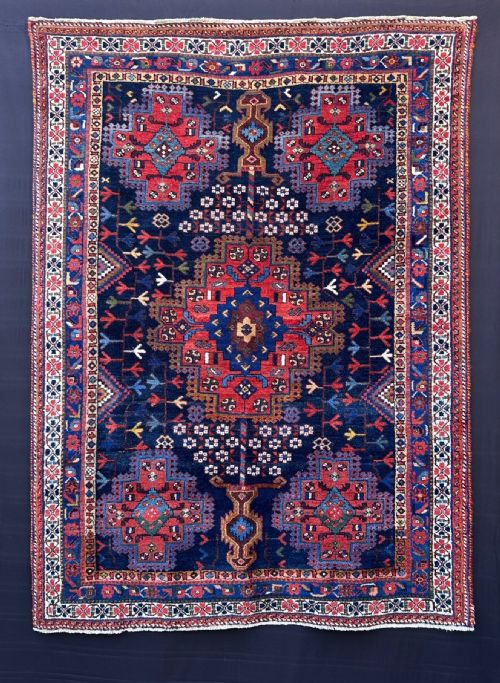
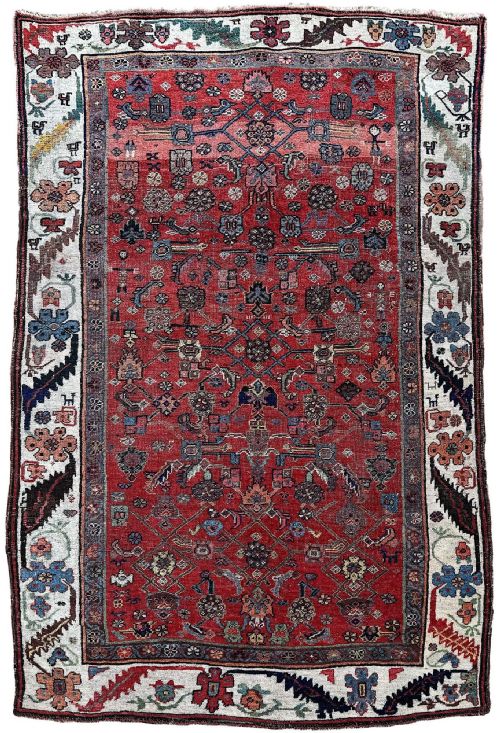
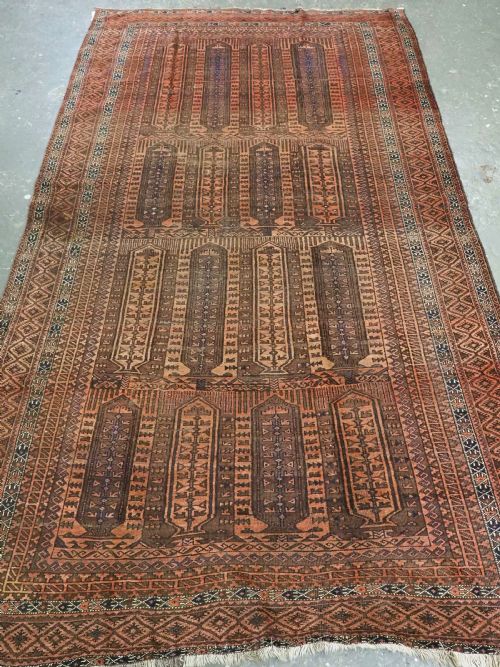
When buyers search for a persian tribal wool carpet, they encounter hand-woven area rugs, runners, and village carpets originating from nomadic confederacies and provincial centres. These textiles display geometric motifs, medallion formats, and repeating field designs rooted in regional weaving traditions. The items on this page span the nineteenth and twentieth centuries, capturing village and tribal expressions from across Persia and adjacent regions.
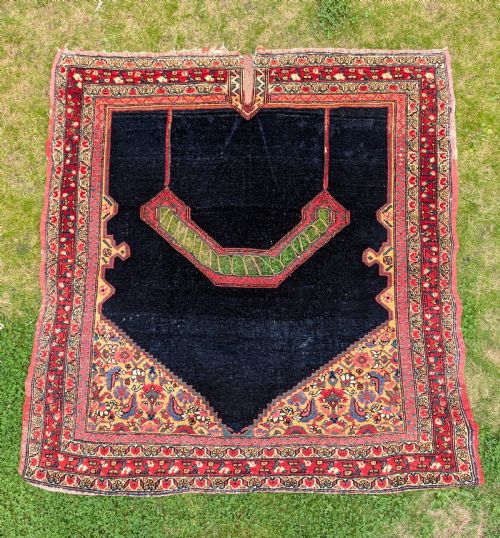
The versions most frequently met on this page include room-sized carpets, long hallway runners, and compact scatter rugs attributed to groups such as the Afshar, Bakhtiar, Khamseh, Qashqai, and Baluch. Makers utilised traditional looms, producing durable floor coverings intended for daily domestic use. Formats range from large room carpets down to specialised pieces like saddle covers and saddle bag cushions.
Examples often incorporate distinctive regional patterns, including the boteh motif, lattice grids, and large guls characteristic of village production. The palette shifts between warm reds, olive greens, and deep indigos derived from natural dyestuffs. Buyers selecting these pieces acquire tangible records of nomadic and village craft preserved across generations.
Materials and Construction
The foundation of these floor coverings relies primarily on wool and cotton, with pure wool and hand-spun wool utilised for the pile. Artisans also incorporated camel hair in specific areas to introduce natural tones and varied textures. These organic materials provide the resilience necessary for heavy foot traffic while maintaining a soft handle.
Weavers employed natural dyes to colour the yarns, achieving deep hues that mellow gracefully over time. The structural warp and weft foundations typically utilise sturdy cotton or wool threads, supporting dense hand-knotted piles. This traditional assembly method ensures structural integrity across large carpets and slender runners alike.
The listings span multiple decades from the nineteenth century through the mid-twentieth century, featuring wool, cotton, and camel hair materials.
Factors Determining Quality
The distinction between tiers rests upon knot density, precision of tribal design execution, and the condition of the wool pile. Higher-tier examples demonstrate meticulous hand-knotting that maintains geometric clarity across intricate field patterns and complex borders. The handling of natural dyes also influences the overall aesthetic impact, with certain pieces exhibiting exceptional depth of colour.
Structural preservation significantly affects the standing of a textile, particularly the integrity of the selvedges and ends. Pieces retaining their original dimensions and uncompromised foundations command greater interest among collectors. Conversely, extensive pile wear or poorly executed historic repairs alter the visual harmony of the surface.
The Persian Tribal Wool Carpet Glossary
- Gul
- A medallion or repeating octagonal motif commonly found in tribal weaving traditions. This design element often serves as a primary identifier for specific nomadic groups.
- Kelleh
- A large format rectangular carpet, typically longer than it is wide. This format was traditionally produced for specific room dimensions in Persian village homes.
- Kilim
- A flat-weave carpet produced without a pile by tightly interweaving warp and weft strands. These textiles offer lightweight versatility and sharp geometric patterning.
- Selvedge
- The reinforced outer edge of a carpet running parallel to the warp threads. Proper finishing prevents the pile from unravelling along the lateral margins.
- Warp
- The stationary vertical threads stretched onto a loom before knotting begins. These foundational cords support the entire weight of the wool pile.
Persian Tribal Wool Carpet: Frequently Asked Questions
How do I clean a wool carpet?
Regular gentle vacuuming without a rotating brush roll prevents dust accumulation within the wool pile. Professional specialist cleaning remains essential for addressing deep-seated soil without disturbing natural dyes.
Harsh chemical treatments and excessive moisture must be avoided to protect the structural integrity of the foundation. Prompt attention to liquid spills by blotting prevents permanent staining of the hand-spun fibres.
Can these rugs withstand hallway traffic?
Runner formats and thick village carpets were constructed for demanding domestic environments. The resilience of natural wool fibres allows them to absorb daily movement while maintaining structural coherence.
Placing a quality rug underlay beneath the textile prevents slipping and reduces abrasive friction against the floorboards. This supportive layer extends the functional lifespan of the foundation.
What indicates regional origin?
Specific design vocabularies, colour combinations, and structural characteristics point toward particular weaving groups. Characteristic motifs like stylized animals, lattice networks, and repeating geometric medallions often align with specific tribal districts.
Examining the selvedge finish and the preparation of the wool provides further clues regarding provenance. Regional workshops adhered to distinct technical traditions passed down through generations.
How do natural dyes age?
Natural dyestuffs interact with light and air over decades, developing a characteristic patina known as abrash. This subtle tonal variation adds visual depth across the field of the carpet.
Unlike synthetic dyes, plant and insect-derived colours soften harmoniously rather than fading harshly. This gradual mellowing enhances the antique character of nineteenth and twentieth-century textiles.