


Vintage Tribal Mat
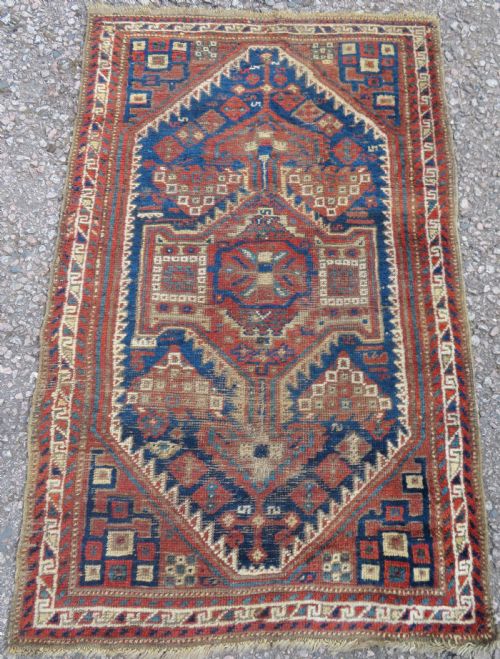
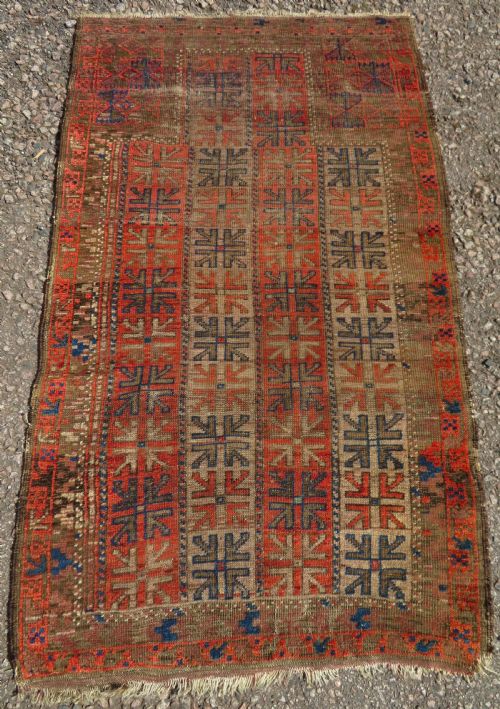
These woven pieces are vintage tribal mats, small floor coverings and utility textiles made by nomadic and village weavers across Central Asia, Persia, and Anatolia.
Vintage Tribal Mat
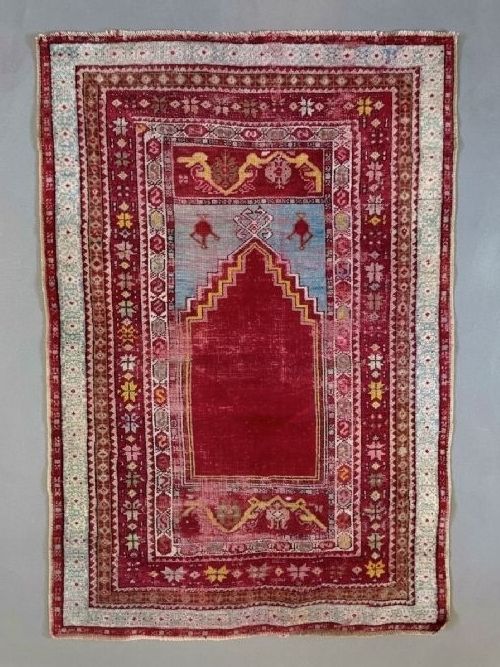
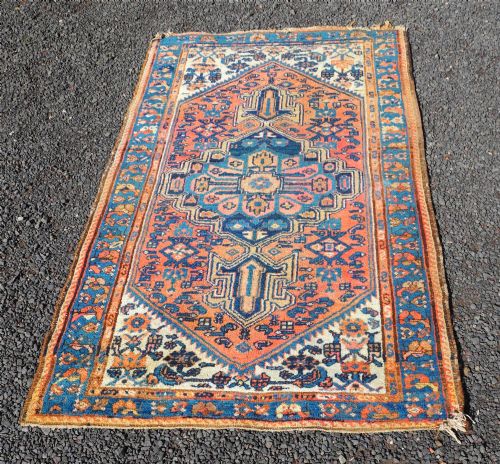
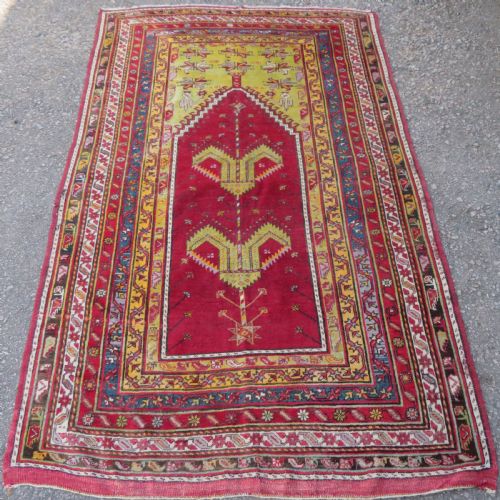
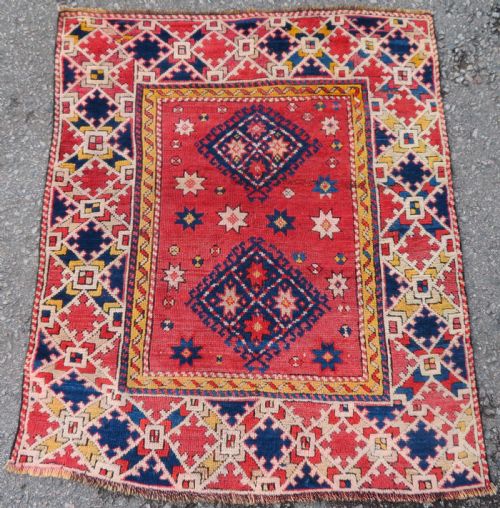
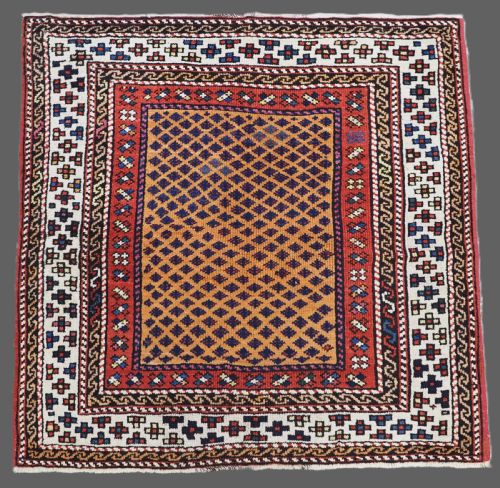
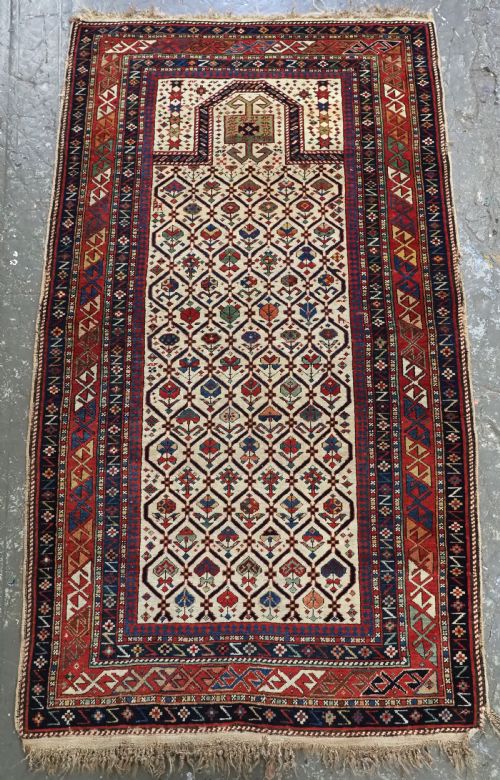
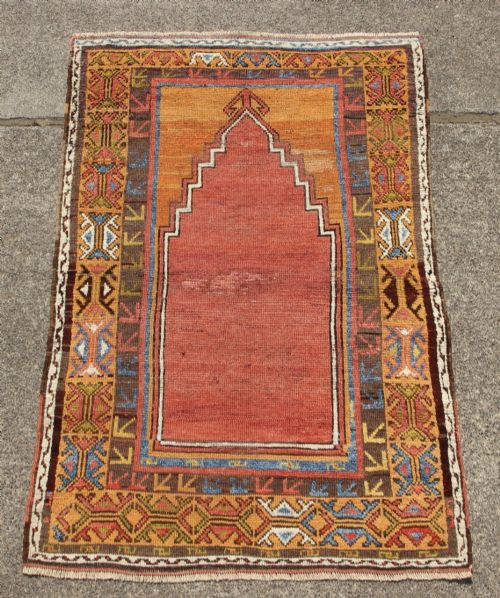
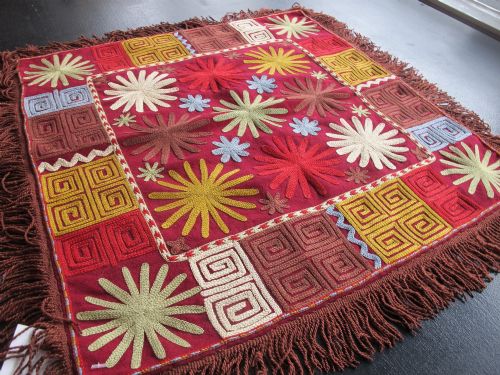
A vintage tribal mat represents small-scale domestic or utilitarian weaving produced by nomadic and village groups across Anatolia, Persia, the Caucasus, and Central Asia. These items include hearth-sized rugs, prayer rugs, saddle covers, bag faces, and eating spreads known as sofreh, which served practical daily functions within tribal life.
The materials deployed in these textiles typically rely on hand-spun wool, cotton foundations, and occasionally camel wool, silk, or Tibetan wool. Natural dyes provide the palette, yielding deep earthy tones that age with considerable character.
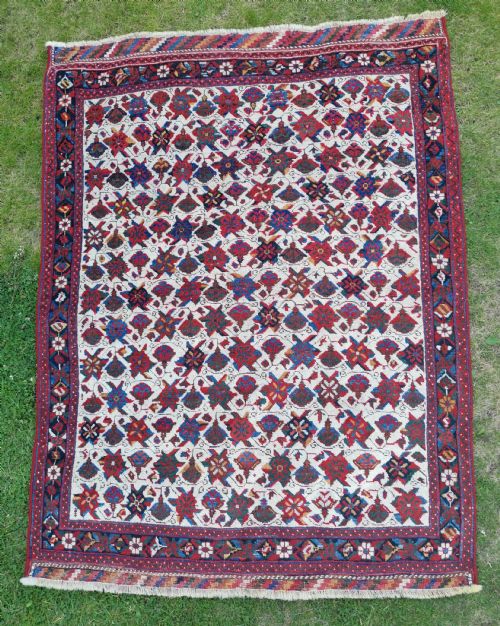
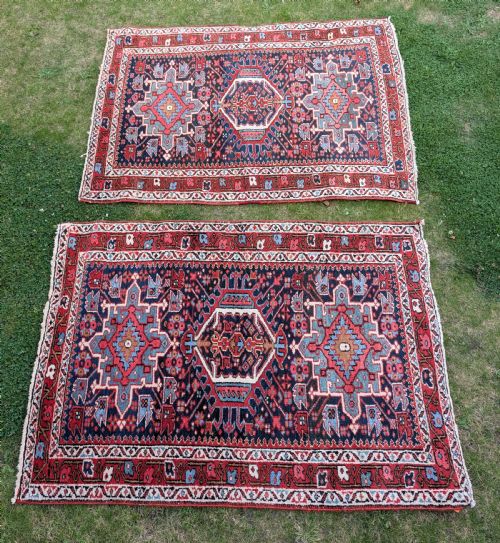
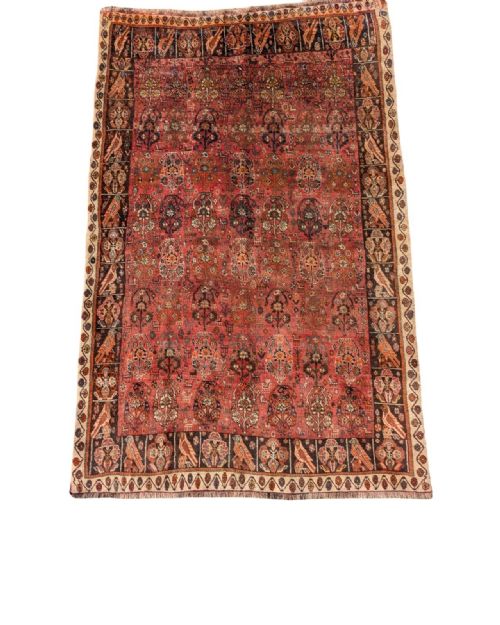
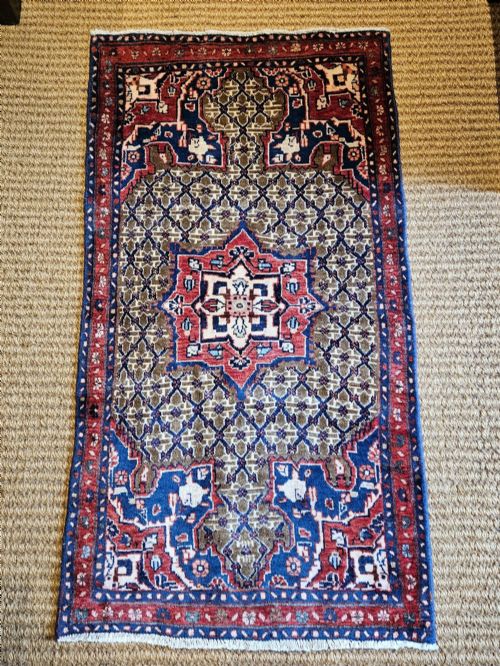
While many listings span the nineteenth and early twentieth centuries, buyers commonly encounter regional forms such as Baluch, Afshar, Turkmen, and Caucasian prayer rugs or small squares. Each group employs distinct geometric or floral lattice designs rooted in their specific tribal heritage.
How they were made
Weavers constructed these mats using hand-spun wool for the pile, knotted densely onto sturdy wool or cotton warps and wefts. This method yielded a robust textile intended to withstand the rigours of nomadic camps and village homes.
Colour came from natural dyes extracted from local plants and minerals, fixed to the fibres before weaving. The resulting palette interacts with light across hand-spun wool, creating subtle variations in tone across the surface of the mat.
Materials span wool, cotton, silk, camel wool, and Tibetan wool, coloured with natural dyes.
What varies in quality
Quality rests primarily in the fineness of the knotting and the handling of the natural dyes, which determine the crispness of the geometric or floral lattice designs. Tighter knotting allows intricate patterns to hold their definition over decades of use.
The integrity of the original wool, surviving borders, and tassels significantly influences the standing of a piece. Examples retaining their initial proportions and uncompromised edges demonstrate superior survival through active domestic service.
The Vintage Tribal Mat Glossary
- Sofreh
- A woven spread used for kneading bread, dining, or gathering grain within nomadic households. These flatweaves or pile rugs often display bold geometric layouts.
- Prayer rug
- A small textile featuring a central mihrab or arch design indicating the direction of prayer. Weavers across Anatolia, the Caucasus, and Persia produced these for personal devotion.
- Bag face
- The decorative front panel of a storage sack or saddle bag detached from its utilitarian rear. These fragments showcase concentrated tribal iconography in small formats.
- Warp
- The vertical foundation threads stretched tightly on the loom before knotting begins. Wool or cotton warps form the structural skeleton of the mat.
- Natural dye
- Colourants derived from botanical, insect, or mineral sources prior to the widespread adoption of synthetic aniline dyes. These materials produce harmonious, fading patinas over time.
Vintage Tribal Mat: Frequently Asked Questions
How were these mats used?
Nomadic and village weavers produced these textiles for daily utility, employing them as prayer mats, hearth rugs, saddle covers, and eating spreads. They insulated cold floors, lined seating areas, and served practical storage functions within tents and dwellings.
Over time, these utilitarian objects gained appreciation for their artistic merit, transitioning from domestic tools to cherished elements of interior decoration.
Where do these tribal designs originate?
The patterns stem from specific tribal confederations and village groups across Anatolia, the Caucasus, Persia, and Turkmenistan. Each region developed distinct motifs, colour palettes, and weaving structures that identified the maker's community.
Baluch, Afshar, Turkmen, and Caucasian groups each preserved particular geometric and floral lattice traditions through generations of hand-knotting.
How do I care for a vintage mat?
Gentle vacuuming without a rotating brush helps remove embedded dust from the wool pile without damaging the hand-spun fibres. Keeping the textile out of direct sunlight prevents the natural dyes from fading unevenly across the surface.
Professional cleaning tailored to antique textiles ensures the wool and cotton foundations remain stable over years of display.