


Antique Tekke Carpet
When you examine an antique tekke carpet, you encounter the rich textile traditions of Central Asian nomads expressed through meticulous knotting and distinctive geometric motifs.
Antique Tekke Carpet
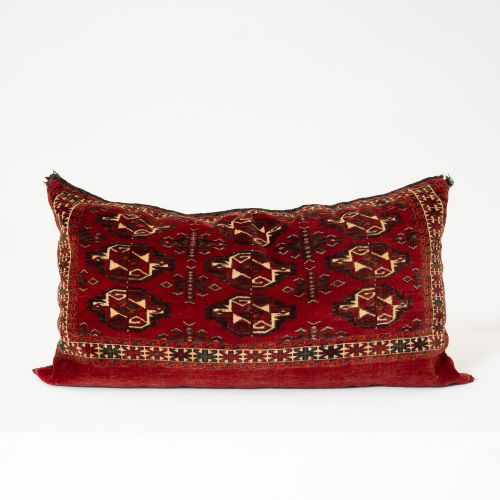
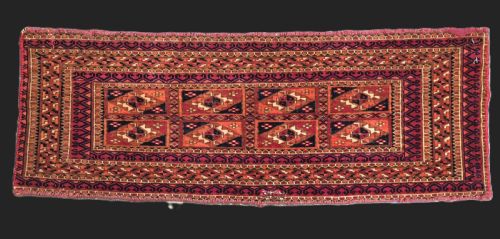
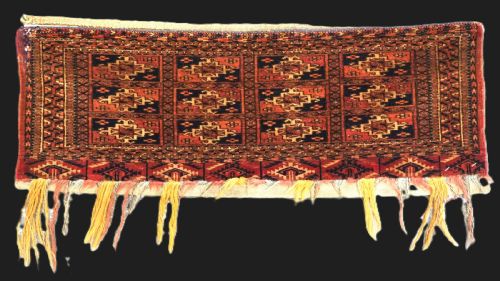
The antique tekke carpet category encompasses room-sized floor coverings, smaller rugs, and functional tribal weavings produced by the Tekke Turkmen tribes of Central Asia. These textiles frequently display disciplined rows of primary octagonal guls, which serve as tribal insignia and define the structured visual rhythm of the field.
Beyond full-scale carpets, buyers regularly encounter specialised formats such as torba faces, chuval storage bags, ensi door hangings, and dowry rugs. Dating primarily from the nineteenth and early twentieth centuries, these pieces reflect a nomadic heritage transformed into sophisticated household and ceremonial furnishings.
How They Were Made
Weavers constructed these textiles predominantly using wool foundations and piles, often enriched with natural dyes that yield deep madder reds, ivory grounds, and secondary tones. Selected pieces incorporate silk highlights or linen elements to accentuate specific details within the intricate patterns.
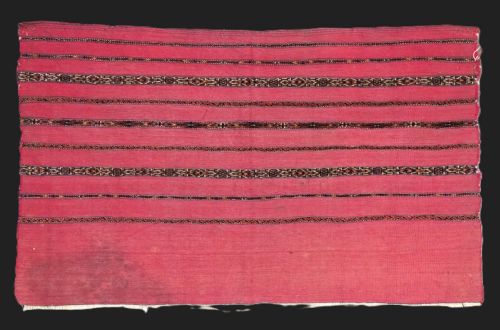
The technical execution relies on a dense, fine weave achieved through precise knotting techniques. Complete items frequently retain original plain-weave backs and elaborately decorated elem end panels, demonstrating the comprehensive craftsmanship of Central Asian nomadic workshops.
Antique Tekke Carpet Retail Price Guide 2026
Typical asking prices for tekke carpet among the pieces listed under this phrase on Sellingantiques today, from the lower quarter to the upper quarter. They describe what is for sale here now, not the wider market.
Listings feature pieces spanning the mid-nineteenth century to the early twentieth century, utilising wool, cotton, silk, and natural dyes.
What Varies in Quality
Quality in these textiles depends heavily upon the fineness of the weave and the clarity of the drawing. Superior examples exhibit exceptionally tight knotting that allows complex gul designs and curved leaf motifs to render with high definition.
The brilliance and depth of the colour palette also distinguish finer specimens, particularly where natural dyes have matured gracefully across the pile. Furthermore, the presence of scarce structural variants, intact backs, and well-preserved elem ends elevates the standing of an individual piece.
The Antique Tekke Carpet Glossary
- Gul
- A primary octagonal medallion or tribal motif repeated in orderly rows across the carpet field. These geometric emblems often denote specific Turkmen clans and design lineages.
- Chuval
- A large tribal storage bag face utilised within nomadic tents for household belongings. They frequently feature multiple rows of guls and survive as prized collector fragments or complete panels.
- Torba
- A smaller storage bag format traditionally hung on the interior walls of a yurt. Collectors prize these pieces for their condensed proportions and varied design elements.
- Ensi
- A specialised carpet type functioning as a tent door hanging. They typically display a cross-shaped division separating the field into distinct panels.
- Elem
- The decorated lower end panel of a carpet situated beneath the main border and field. Generously proportioned elem panels indicate superior weaving ambition.
Antique Tekke Carpet: Frequently Asked Questions
What is an ensi?
An ensi is a specialised tribal rug designed specifically to hang over the doorway of a nomadic yurt. These pieces traditionally feature a characteristic candelabra or cross design that divides the central field into four distinct quadrants.
Unlike floor coverings, they served a threshold function in daily nomadic life. Their distinct format makes them instantly recognisable to collectors of Central Asian textiles.
How are chuval bags different from rugs?
Chuval pieces are the faces or complete sides of large utility bags used by Turkmen nomads for storing household goods inside tents. They are generally wider than they are long and feature rows of repeating guls tailored for vertical display.
While rugs were laid upon the ground for domestic use, chuvals originated as functional containers. Today they are usually mounted and appreciated as textile art.
What do the guls signify?
Guls are repeated octagonal medallions that function as genealogical and tribal insignia for the Turkmen groups who wove them. Variations in the shape, colour, and internal quartering of these motifs help identify specific sub-tribes and design traditions.
In finer weaving, these emblems dictate the geometric symmetry of the entire field. They represent a visual language passed down through generations of nomadic makers.
Are natural dyes common?
Natural dyes derived from plants, roots, and minerals provide the foundational palette for nineteenth-century nomadic weavings. These colourants yield rich terracotta reds, soft pinks, and contrasting ivory tones that mellow gracefully over time.
The interaction of these traditional dyes creates the varied visual depth prized in older examples. They react to light and age in a manner distinct from synthetic alternatives.