






Antique Qashqai Bag
An antique qashqai bag brings the nomadic artistry of south-west Persia into modern interiors through rich tribal weaving.
Antique Qashqai Bag
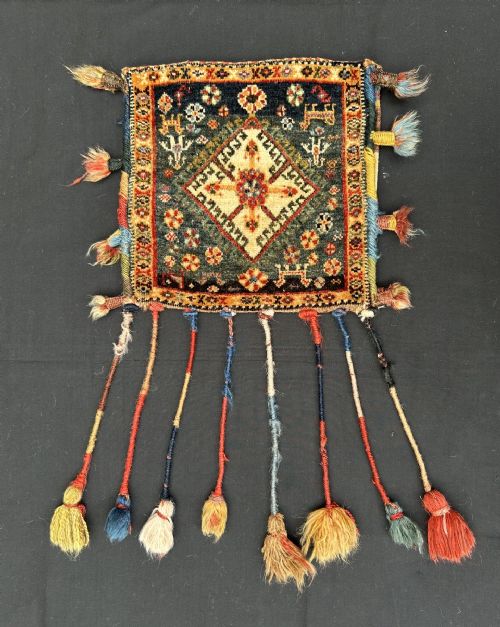
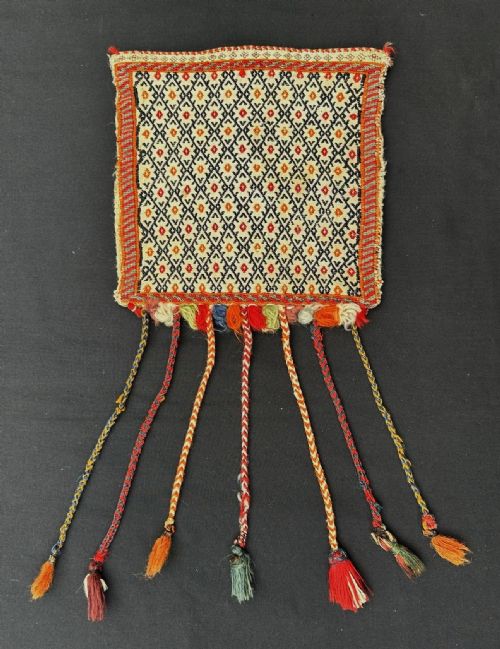
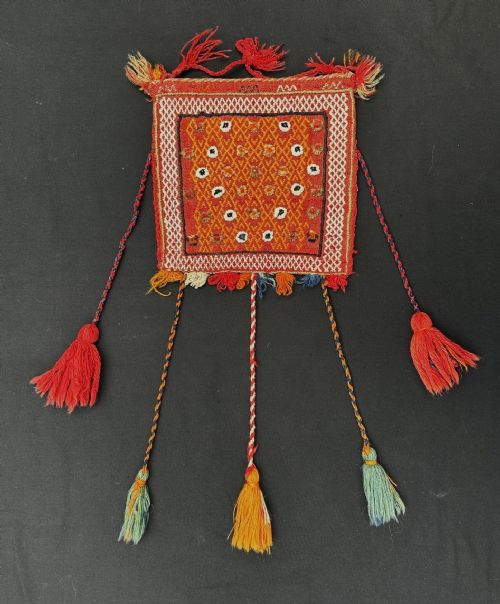
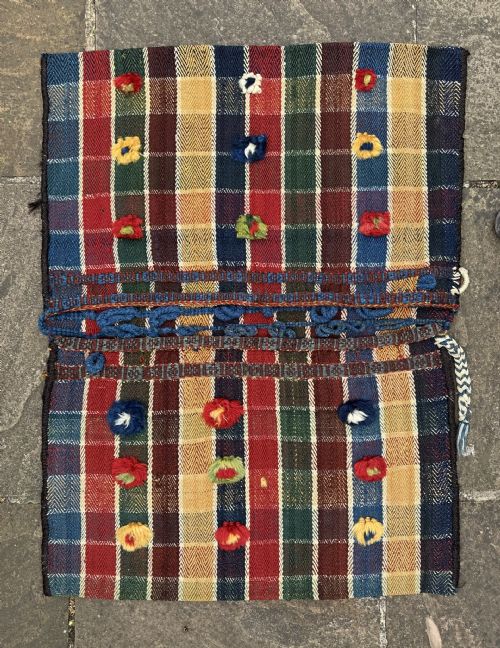
An antique qashqai bag encompasses tribal textiles originating from the Fars province of south-west Persia, made by nomadic confederacies and sub-tribes. These items range from complete saddlebags with plain weave backs to individual bag faces, storage bags, and vanity items.
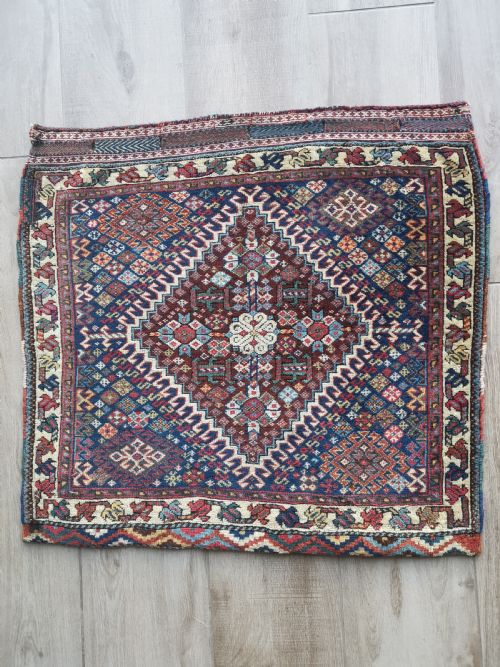
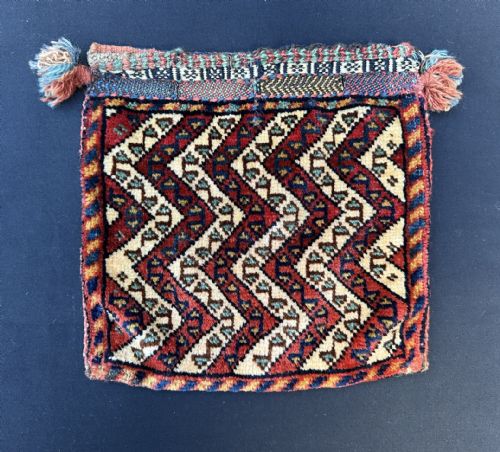
Buyers will most frequently encounter bag faces and saddlebag halves on this page, often woven with distinctive central medallions, diamond patterns, or banded designs. The selection also includes specialised forms like salt bags, bedding bags, and water-pipe containers.
The tradition spans from the late nineteenth century into the early decades of the twentieth century, capturing the traditional aesthetic of Persian tribal makers. Each piece reflects the functional requirements of nomadic life transformed into intricate textile art.
Materials and technique
The construction relies fundamentally on hand-spun wool and cotton, worked by nomadic hands into dense pile surfaces or flat-woven backs. Selected examples incorporate natural dyes to achieve deep palettes, while occasional pieces utilise silk wefts for enhanced fineness.
Weavers employed traditional knotting and weaving techniques passed down through tribal groups such as the Bolvardi, Kashkuli, Darrehshuri, and Shekarlu. The resulting textiles combine robust utility with precise geometric and figurative motifs.
Nomads wove specialised vanity and water-pipe bags, proving that even horses and camels travelled with proper grooming accessories.
What varies in quality
Quality rests upon the tightness of the weave and the depth of colour achieved through natural dyeing methods. Finer examples display meticulous execution in complex diamond patterns, latch hook medallions, and intricate bird motifs.
The distinction between standard utility items and superior examples lies in the precision of the tribal design and the handling of hand-spun materials. Intact complete saddlebags with their original decorative plain weave backs represent the upper echelon of survival.
The Antique Qashqai Bag Glossary
- Khorjin
- The traditional Persian term for a double saddlebag used by nomadic tribes for transport and storage. These pieces were constructed to hang across mounts during migration.
- Bag face
- The decorative pile-woven front of a storage or saddle bag, which was often preserved independently after the plain weave back deteriorated. It displays the primary tribal motifs and design work.
- Chuval
- A large nomadic storage bag traditionally utilised for bedding and household goods within the tribal tent. These items are distinct for their generous proportions.
- Chanteh
- A small vanity or personal bag woven by tribal women for carrying small possessions. They frequently exhibit exceptional detail and fine knotting.
- Plain weave
- A flat, un-piled structural technique often used for the backs of bags or specific banded sections. This method provided durability and flexibility for daily nomadic use.
Antique Qashqai Bag: Frequently Asked Questions
How were these bags used?
Nomadic tribes utilised these textiles primarily for storage and transport during seasonal migrations across the Fars province. They held personal items, salt, water pipes, bedding, and daily provisions.
Over time, many functional saddlebags were separated into individual bag faces as sections wore out or were adapted for interior display.
How do I live with an antique qashqai bag?
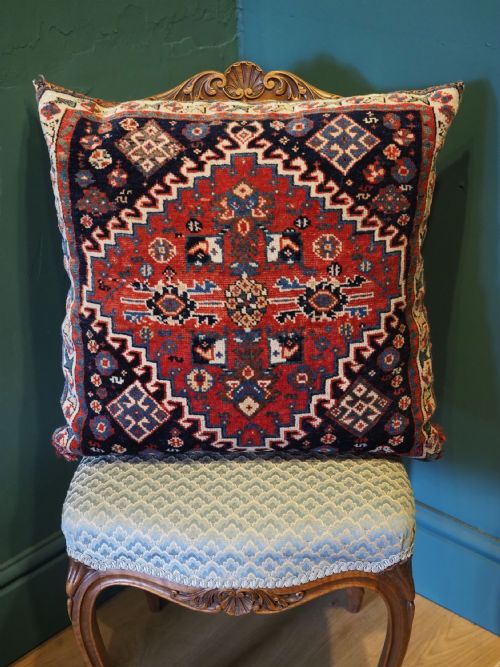
These textile pieces adapt well to modern interiors as wall hangings, table accents, or cushion conversions for seating. Their strong geometric designs complement both traditional and contemporary spaces.
Keep them away from direct sunlight to protect the natural dyes, and support fragile textiles properly if mounted on walls.
How can I tell different sub-tribes apart?
Attribution relies on specific design traits, colour combinations, and historical tribal groupings recorded within the Fars region. Sub-tribes such as the Kashkuli, Darrehshuri, and Shekarlu often imparted distinct nuances to their medallions and border patterns.
Detailed study of knotting structure and secondary materials further helps distinguish specific nomadic workshops.
Are complete pairs common?
Complete double saddlebags with their original plain weave backs survive less frequently than isolated bag faces. Many pieces lost their connecting panels through decades of hard nomadic use and subsequent division.
Finding a matched pair or a complete khorjin represents a significant survival of original tribal equipment.