



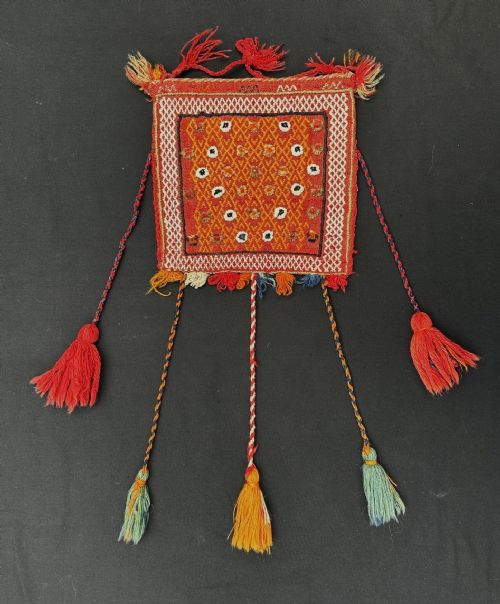


Small Persian Wall Hanging
A small persian wall hanging brings rich nomadic colour and texture to an interior, offering woven tribal fragments and bags re-imagined for display.
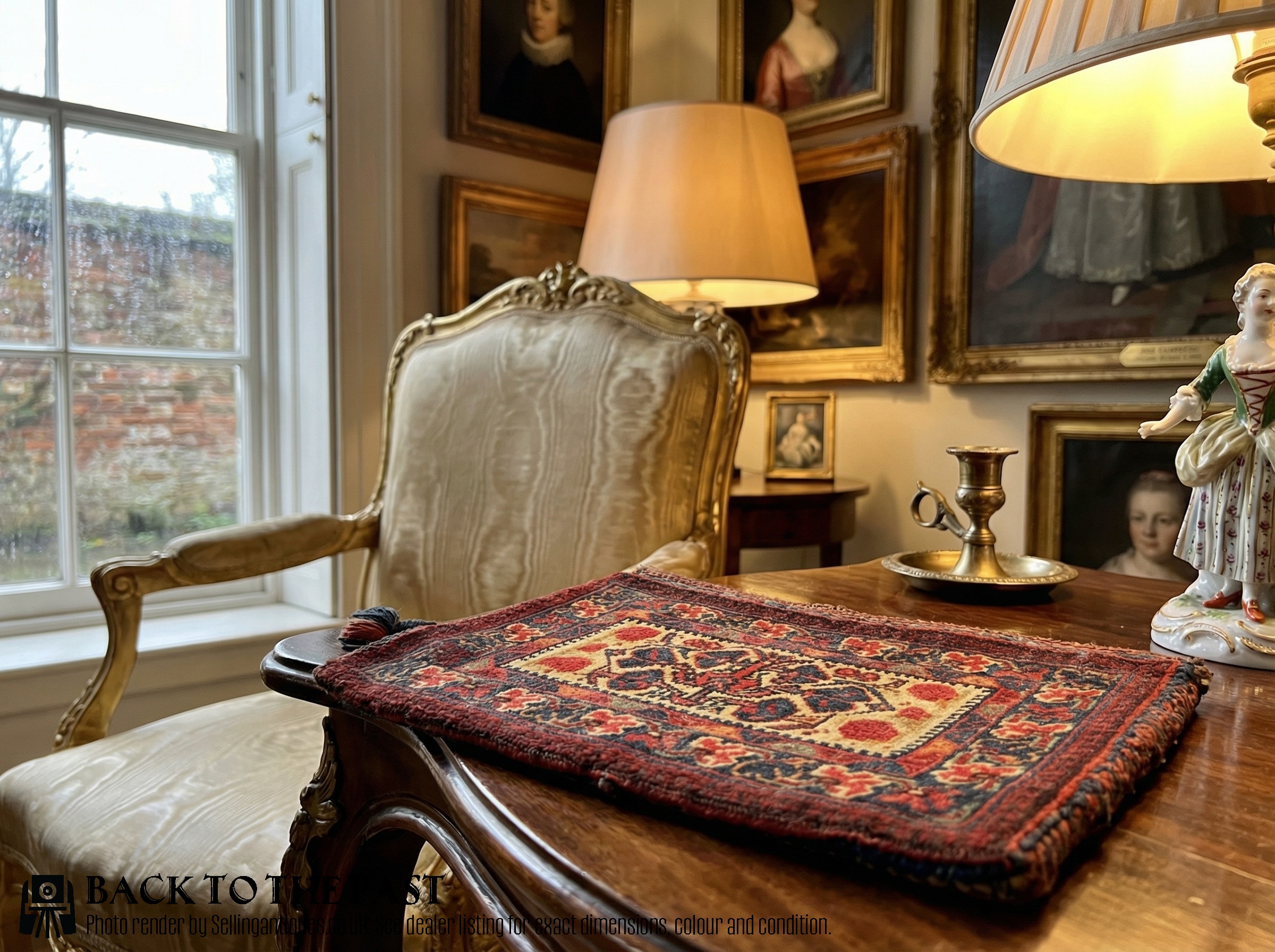
Small Persian Wall Hanging
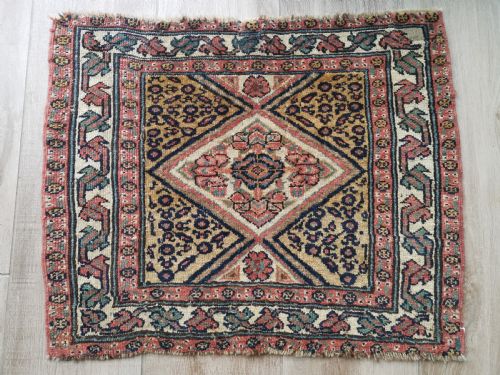
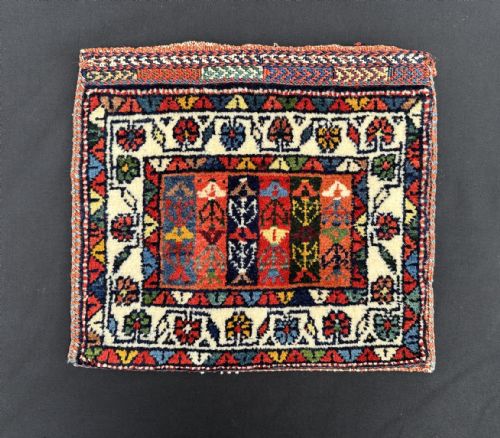
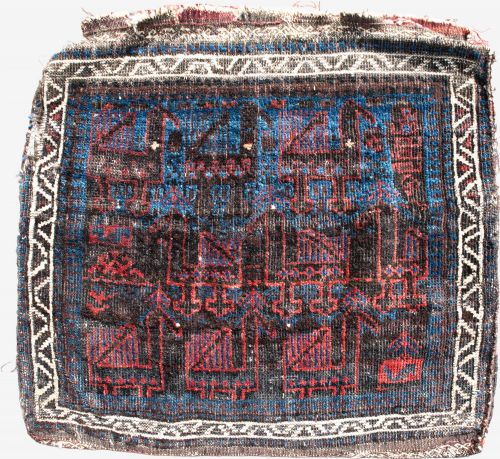
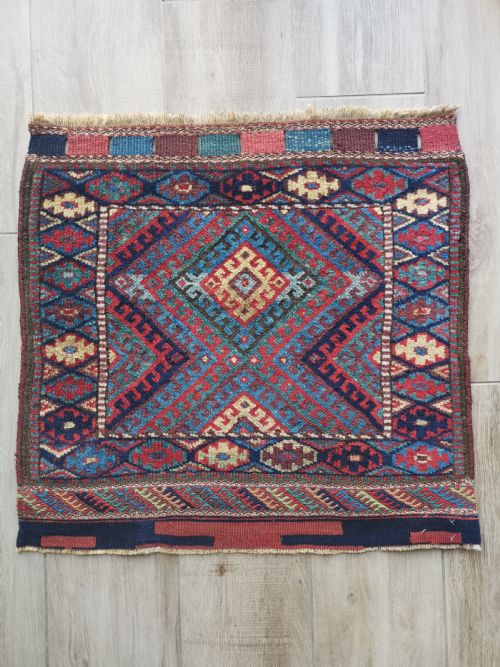
A small persian wall hanging typically comprises antique tribal bagfaces, saddlebags, and small mats originating from nineteenth-century and early twentieth-century weaving traditions. Buyers searching this phrase encounter authentic nomadic textiles, including Afshar vanity-bags, Baluch bird bags, Kurdish chantehs, and Qashqai fragments repurposed for display. These pieces showcase regional tribal designs from centres such as Kerman, Luristan, and Azerbaijan.
The most common formats on this page are bagfaces and small textile panels created by nomadic and village confederations. These compact items reflect the functional artistry of groups like the Shahsevan, Jaf Kurds, and Khamseh, featuring geometric patterns, animal motifs, and medallion layouts adapted for vertical presentation.
What varies in quality
The standard of a piece rests on the handling of natural dyes and the crispness of the tribal design. Rich, luminous wool and precise execution elevate certain bagfaces above simpler village work.
Preservation of the original structure and the clarity of regional motifs dictate the tier of the piece. Subtle variations in wool quality and the complexity of the specific tribal patterns distinguish standard domestic items from finer examples.
Nomadic weavers occasionally included tiny protective amulets or intentional minor asymmetries within the wool to ward off the evil eye.
The Small Persian Wall Hanging Glossary
- Bagface
- The decorative front panel of a nomadic saddlebag, separated from the reverse and preserved for display. These panels contain the most concentrated tribal designs.
- Chanteh
- A small personal bag or vanity-bag carried by tribal groups for holding small possessions. They translate easily into compact decorative hangings.
- Sofreh
- A flatwoven spread used for dining or handling bread in nomadic households. Examples feature striking geometric layouts.
- Natural Dyes
- Colourants derived from plants, roots, and insects before the widespread adoption of synthetic dyes. They yield harmonious tones that age gracefully.
- Pushti
- A small mat used for sitting or leaning against within a tent. Their scale suits modern interior display.
Small Persian Wall Hanging: Frequently Asked Questions
How do I hang a textile securely?
Mounting a textile requires careful weight distribution to protect the antique foundation fibres. A conservation-grade velcro strip or a custom sleeve stitched along the top edge allows the piece to hang flat without sustaining damage.
Avoid piercing the fabric directly with nails or heavy pins. Professional framing behind UV-protective glass also offers an alternative method for smaller panels and delicate embroideries.
What is a chanteh?
A chanteh is a small personal bag made by nomadic weavers for carrying everyday items. These pieces represent some of the most intimate expressions of tribal weaving.
Collectors prize them for their dense knotting and concentrated geometric patterns. Their modest dimensions make them ideal for vertical interior display.
How do I identify tribal origins?
Tribal origins emerge through specific colour palettes, structural materials, and characteristic border motifs. Weaving groups such as the Afshar, Baluch, and Qashqai employed distinct design vocabularies.
Comparing knotting styles and field patterns helps link a piece to specific regions like Kerman or Luristan. Reference literature on Persian tribal rugs assists in confirming these attributions.
Are these pieces authentic antiques?
The listings on this page date from the nineteenth and early twentieth centuries. They originate from historical nomadic and village weaving traditions in Persia.
Evidence of age appears in the wear patterns, hand-spun materials, and traditional natural dye palettes. Each item reflects the working material culture of its period.