
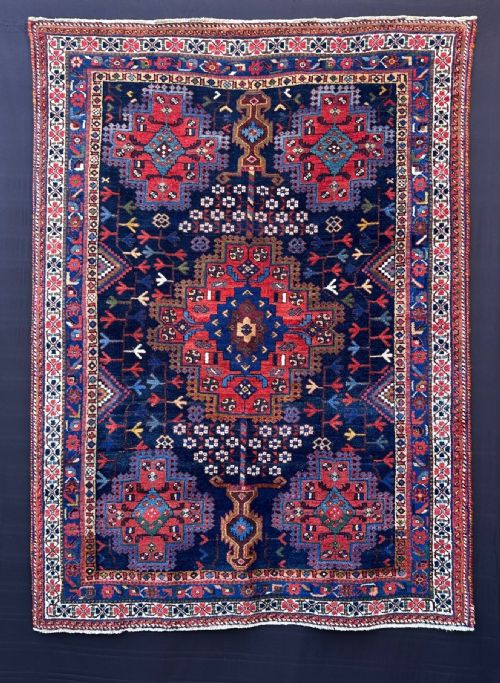


Navy Blue Persia Rug
Deep indigo hues anchor a navy blue persia rug, bringing centuries of nomadic and village weaving traditions straight to your floor.
Navy Blue Persia Rug
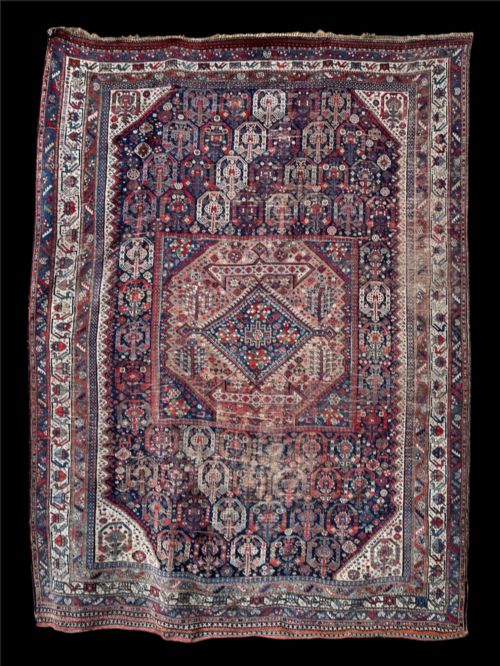
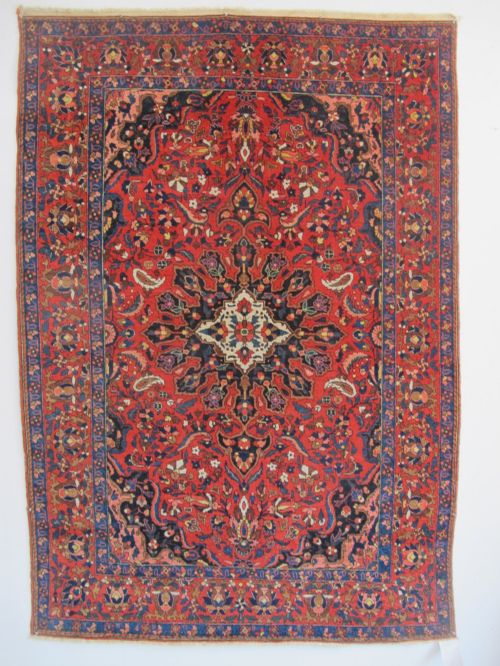
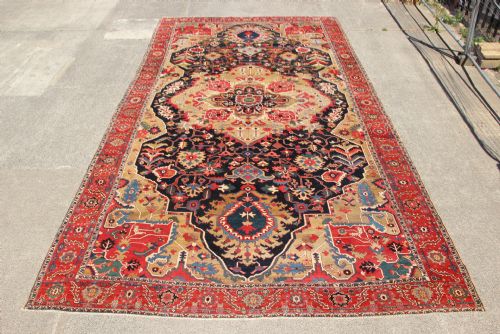
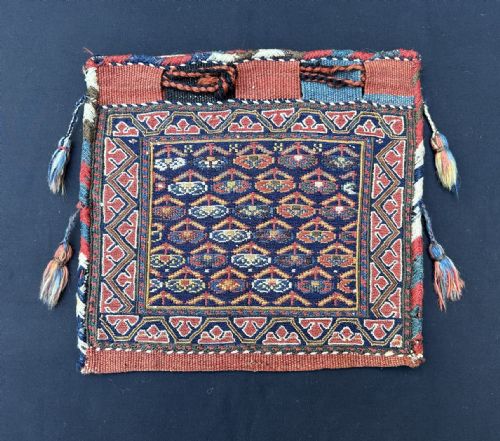
A navy blue persia rug encompasses woven carpets, village rugs, runners, and tribal bags originating from various Persian regions and tribes. These pieces frequently display rich indigo or dark blue primary fields contrasting with intricate geometric or floral motifs.
Materials and construction
Weavers constructed these textiles primarily using wool for the pile and cotton for the foundations, ensuring both softness on the surface and structural stability underneath. Natural dye techniques allowed artisans to achieve deep, lasting shades of navy and indigo that gracefully patina over decades.
Village and nomadic workshops utilised traditional hand-knotting methods on upright looms, incorporating sturdy flatwoven finishes and Soumak techniques on specific tribal pieces. This labour-intensive construction explains the enduring resilience observed across the inventory.
Current listings span the nineteenth and early twentieth centuries, constructed from wool and cotton across diverse regional styles.
Assessing quality in antique weaving
Quality rests in the precision of the knotting, the complexity and clarity of the tribal motifs, and the depth of the dye work. Finer execution yields sharper pattern definition on the surface and greater flexibility through the textile body.
The handling of the wool pile and the integrity of the original side cords and ends dictate the structural condition. Superior pieces maintain dense, even pile and well-preserved borders that reflect the skill of the original weavers.
The Navy Blue Persia Rug Glossary
- Boteh
- A stylised almond or pear-shaped motif representing a sprouting bush or flame, frequently seen across Persian tribal rugs. This ancient design appears in numerous variations within village and nomadic weavings.
- Soumak
- A flatweave technique where supplementary weft threads wrap around the warp yarns to create a sturdy, textured surface. It provides durability without a traditional cut-wool pile.
- Sofreh
- A woven spread or cloth used historically for dining or food preparation among nomadic tribes. These textiles often feature minimalist geometric fields framed by symbolic borders.
- Kelleh
- A long, rectangular format of carpet traditionally suited for specific reception rooms in Persian architecture. It sits between standard area rugs and full room-sized main carpets in proportion.
Navy Blue Persia Rug: Frequently Asked Questions
How do I care for an antique rug?
Vacuum gently without using a rotating beater bar to protect the aged wool fibres and foundation.
Professional specialist cleaning is recommended every few years to remove embedded dust safely without damaging natural dyes.
Where were these rugs made?
These pieces originate from diverse tribal territories, villages, and regional centres across Persia, including Fars, Kerman, and Khorassan.
Nomadic confederations and settled workshops each contributed distinct local designs and colour palettes to their output.
How can I date my rug?
Dating relies on analysing wool characteristics, dye types, structural materials, and stylistic markers specific to nineteenth and early twentieth-century production.
Comparing structural knot counts and regional motif variations helps narrow down the probable era of manufacture.
Are these rugs suitable for heavy traffic?
Many sturdy village and nomadic carpets withstand moderate daily foot traffic when paired with an appropriate quality underlay.
Delicate or finer antique room-sized pieces benefit from placement in lower-traffic areas to preserve their historic pile.