




Persian Chanteh Bag
A persian chanteh bag is a woven tribal pouch that offers a tangible link to nomadic life through rich wool and natural dyes.
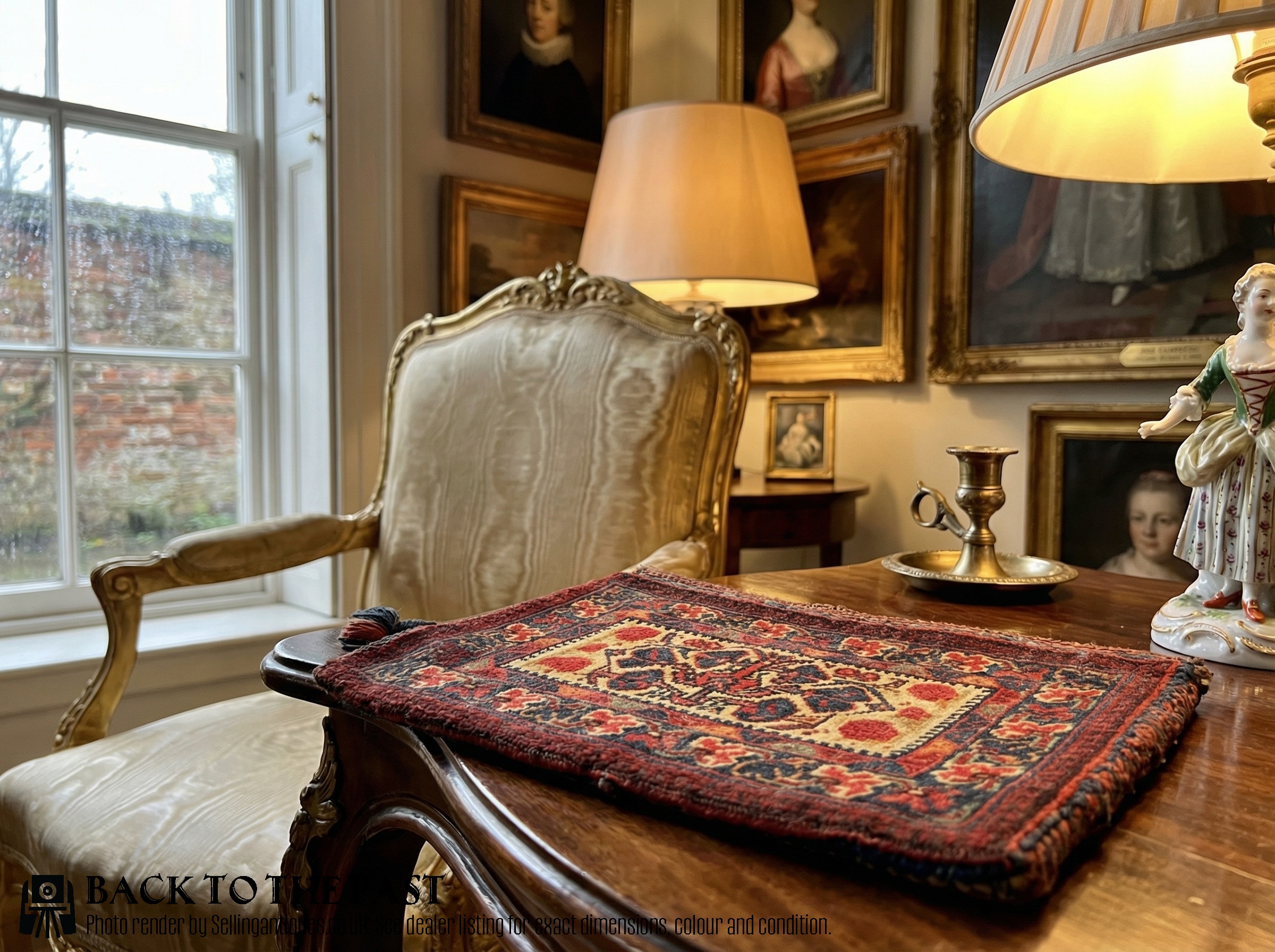
Persian Chanteh Bag
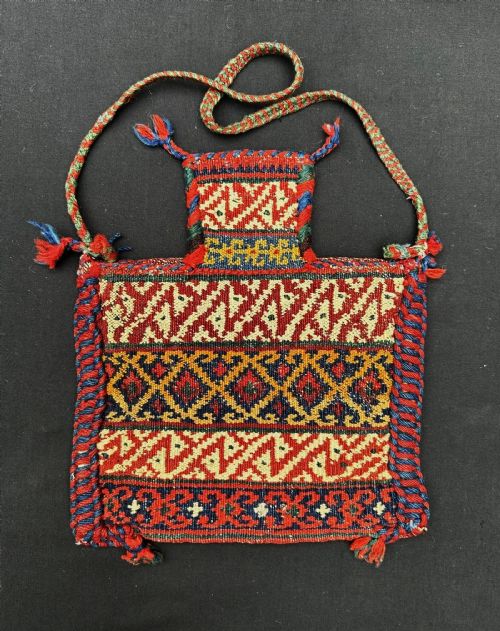
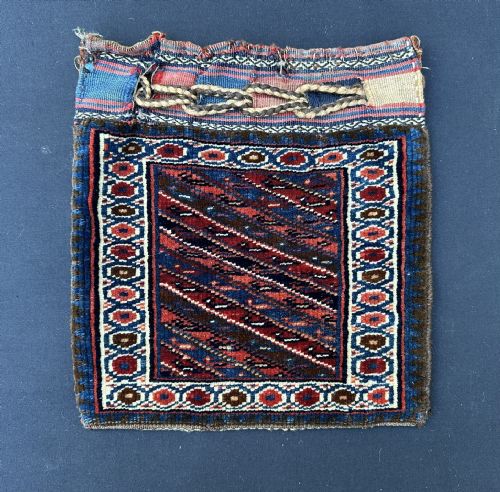
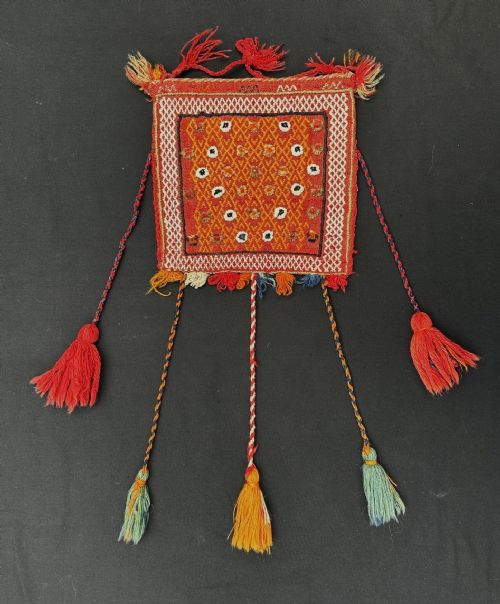
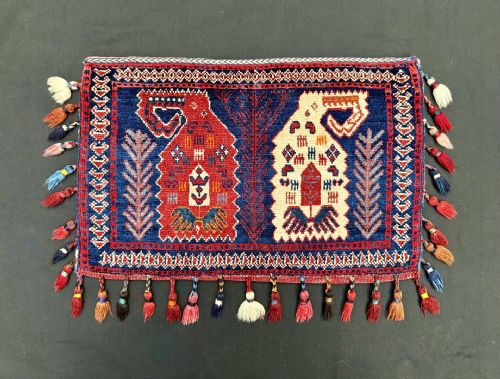
A persian chanteh bag represents a compact form of tribal textile created by nomadic and village groups across regions such as Fars, Kerman, and Khorassan. These pieces function historically as personal carrying pouches for tobacco, vanity items, spindles, or pipes rather than floor coverings.
The selections encountered here span periods from the mid-nineteenth century through the early twentieth century, encompassing specific confederacies and tribes like the Qashqa'i, Afshar, Baluch, and Kurdish populations. Their forms vary from complete small bags to decorative bag faces.
Buyers look for these items to appreciate authentic tribal weaving traditions and regional iconography executed on a manageable domestic scale. The pieces demonstrate the distinct utility and artistic expression of South, North, and West Persian nomads.
How They Were Made
These textiles are constructed primarily from wool foundations and pile, often utilising cotton for structural elements or supplementary details. Artisans employ traditional hand-knotting and flatweave techniques to build durable surfaces.
Colour derives from natural dyes applied to local wool, producing stable, rich hues that age with deep patination. The integration of these materials reflects the resources available to nomadic weavers in provincial Persia.
Listings feature wool, cotton, and natural dyes across periods spanning from eighteen-sixty to nineteen-twenty.
What Varies in Quality
Quality rests upon the tightness of the weave and the precision of the tribal pattern execution, which ranges from coarse village work to very fine nomadic output. The handling of wool and the clarity of design dictate the visual strength of each pouch.
The depth and integrity of the natural dye palette contribute significantly to the standing of a piece. Examples retaining vibrant, uncompromised colour scales show superior dyework compared to duller or unevenly dyed specimens.
The Persian Chanteh Bag Glossary
- Chanteh
- A small tribal bag or personal pouch used by nomads for carrying small possessions. These objects frequently display intricate face designs characteristic of specific tribal groups.
- Tribal
- Pertaining to nomadic or semi-nomadic confederacies and groups who produce textiles for personal use rather than commercial export. This term defines the origin and cultural context of the weaving.
- Natural Dyes
- Colourants derived from plant, insect, or mineral sources rather than synthetic chemicals. Their application creates the nuanced, mellow tones seen in older Persian nomadic work.
- Pile
- The upright yarn loops that form the plush surface of knotted rugs and bags. It provides texture and protects the structural foundation beneath.
Persian Chanteh Bag: Frequently Asked Questions
What is a persian chanteh bag used for?
These bags served historically as personal carriers for small items such as tobacco, pipes, vanity gear, or spindles among nomadic groups.
Today, collectors use them as decorative wall hangings or small display textiles rather than functional utility pouches.
How do I identify a tribal bag?
Identification relies on examining the specific wool texture, structural format, and regional motifs associated with groups like the Qashqa'i or Afshar.
Checking the weave density and the presence of natural dyes helps confirm the traditional origin.
Where were these bags made?
Production occurred across various provinces of Persia, including Fars, Kerman, Khorassan, and Kurdish regions.
Different nomadic confederacies and sub-tribes developed distinct patterns tied to their specific geographic locations.
How do I care for an antique textile?
Keep these fragile wool items out of direct sunlight to prevent natural dye fading and fibre degradation.
Gentle vacuuming without a rotating brush helps maintain the surface without damaging the historic pile or flatweave foundation.