
Antique Wool Bag
When you handle an antique wool bag, you touch the nomadic heritage of Persia, Central Asia, and Anatolia through durable hand-spun textiles.
Antique Wool Bag
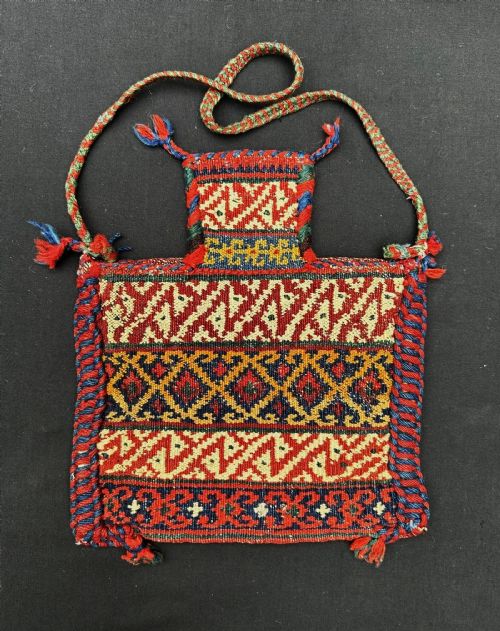
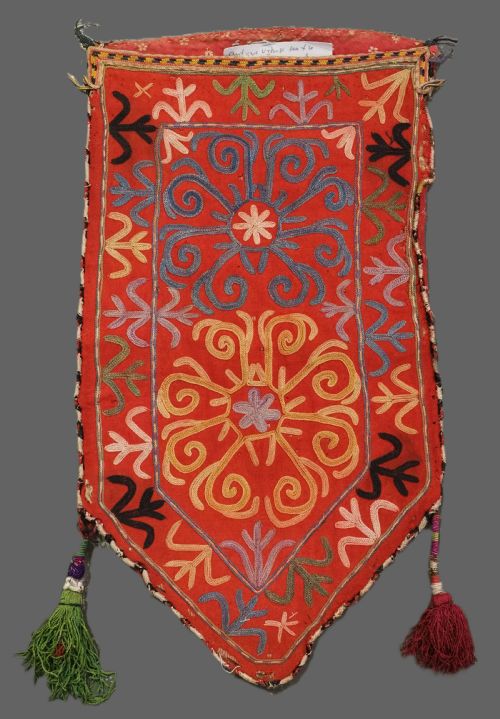
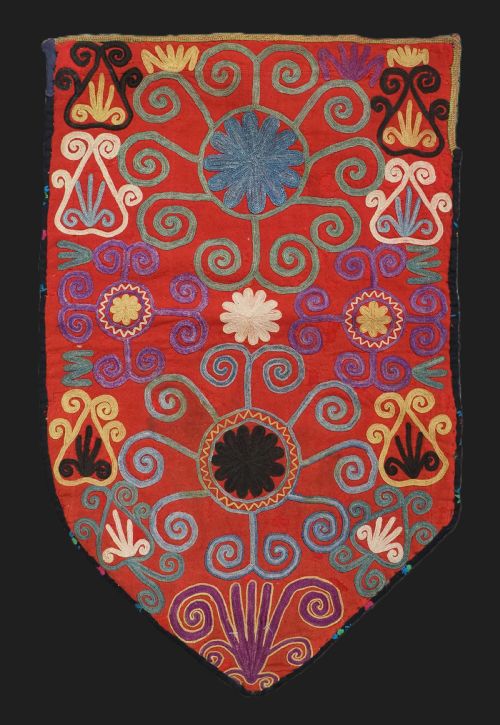
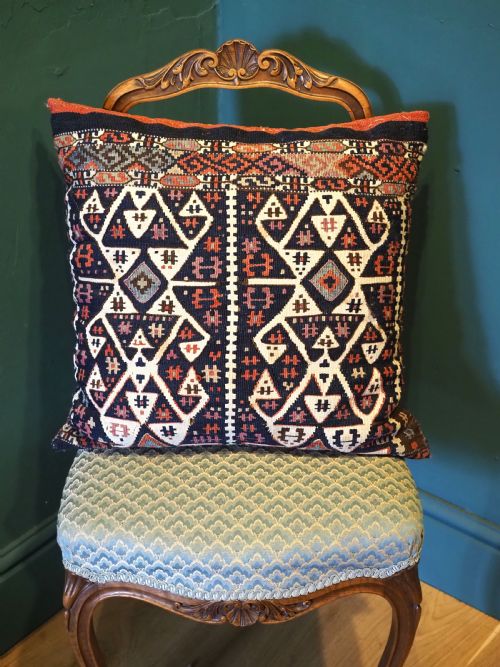
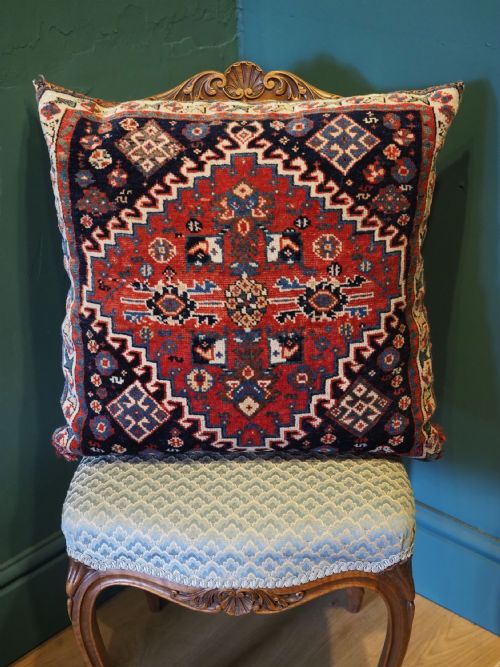
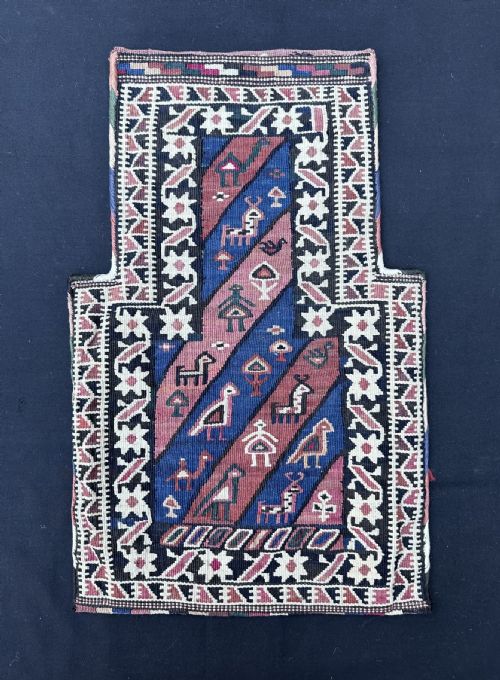
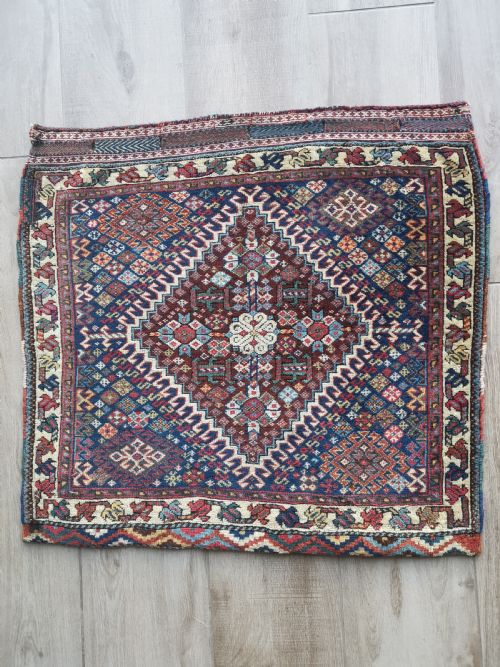
An antique wool bag represents the utilitarian weaving traditions of nomadic and tribal groups across Persia, Central Asia, and Anatolia. These pieces served practical roles in camp life, functioning as storage containers, salt bags, vanity pouches, and saddle bags.
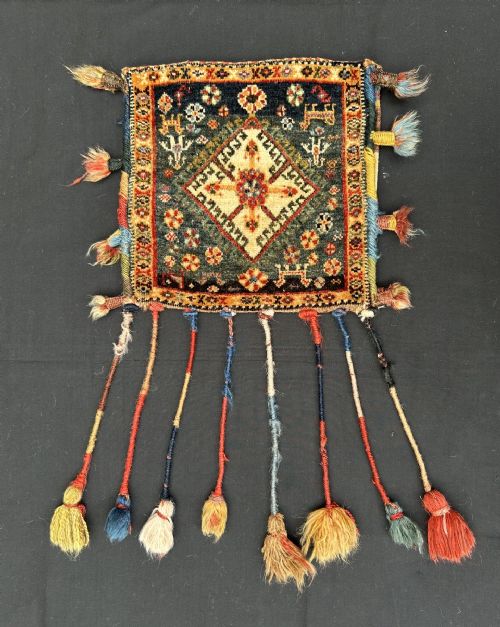
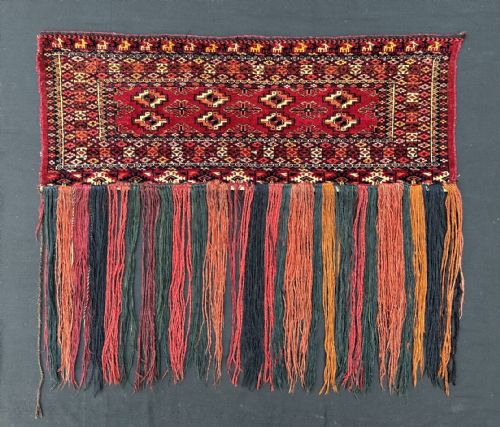
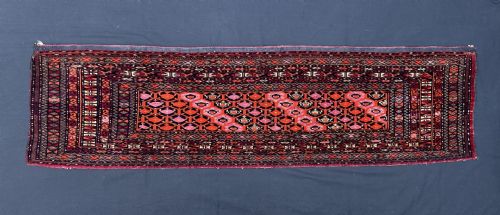
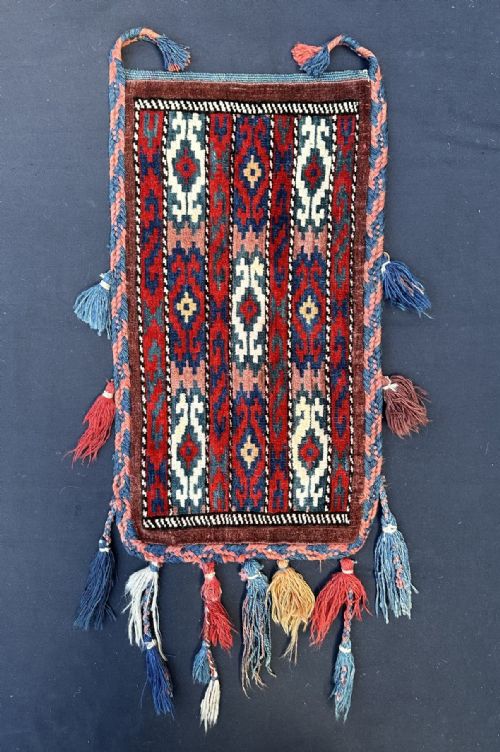
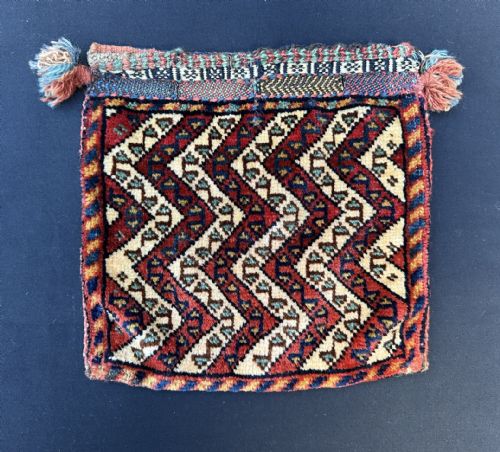
The selection on this page centres on tribal creations from regions such as Fars, Kerman, and Turkmenistan, originating primarily from the mid-nineteenth century through to the early twentieth century. Common forms include the small chanteh, the tent storage kap, and the paired khorjin or saddle bag.
Makers utilised traditional formats specific to their confederations, producing utilitarian items that doubled as expressions of tribal identity through distinctive geometric and symbolic motifs.
Construction and materials
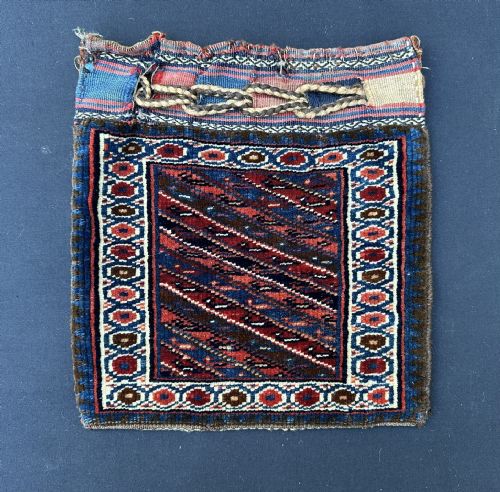
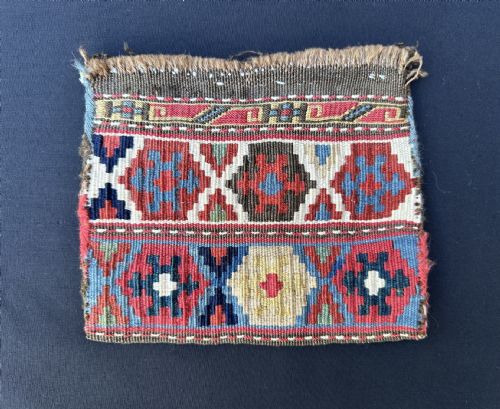
Weavers relied on hand-spun wool for the primary structure, often combining pile knotting with flatwoven kilim techniques on the reverses and closures. Natural dyes derived from local plants and minerals provided the foundational palette of reds, blues, and browns.
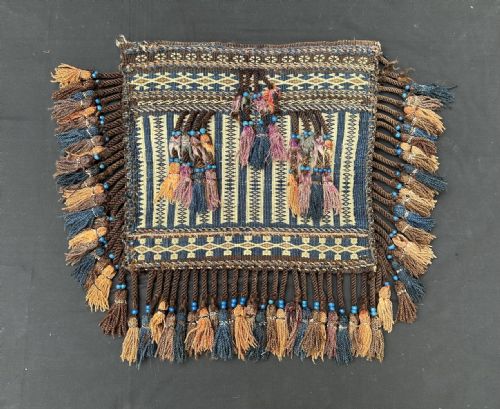
Certain examples incorporate supplementary materials like cotton for foundation warps, along with decorative elements such as glass beads and cowrie shells to embellish specific bag faces.
The listings span tribal weaving traditions from 1850 to 1920, predominantly featuring wool, cotton, and natural dyes.
Assessing quality and structure
Quality rests in the density of the weave, the clarity of the natural dye colours, and the integrity of the remaining structural backings. Tighter knotting and precise geometric execution distinguish finer tribal pieces from coarser utilitarian gear.
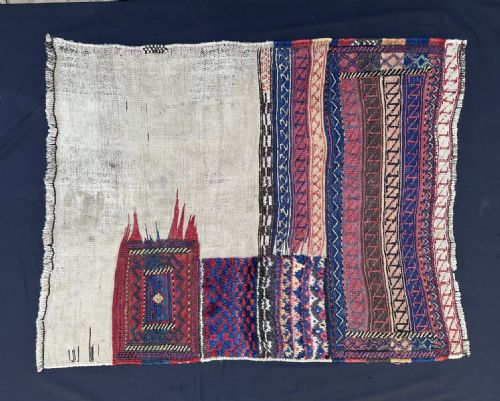
The preservation of original flatwoven backs, closure loops, and selvedges significantly elevates the integrity of a textile, showing the object as it functioned in daily nomadic use rather than as a mere fragment.
The Antique Wool Bag Glossary
- Chanteh
- A small tribal vanity or personal bag used by nomads for carrying small possessions. These miniature pouches frequently display intricate face designs.
- Chuval
- A large tent-storage bag produced by Turkmen tribes for household organisation. They were woven to hang inside the yurt for bedding or clothing.
- Khorjin
- A traditional double-sided saddle bag joined by a central web. They were slung over pack animals for transport during seasonal migrations.
- Torba
- A smaller Turkmen storage bag usually wider than it is tall. These were often hung against the lattice walls of a tent.
- Kilim
- A flatwoven textile technique produced without a pile. It forms the lightweight reverse sides and hanging loops on many storage bags.
Antique Wool Bag: Frequently Asked Questions
What were antique wool bags used for?
Nomadic tribes used these textiles for practical storage during seasonal migrations across Persia and Central Asia. They held household goods, salt, personal items, and provisions inside tents or on pack animals.
Over time, these utilitarian objects became canvases for traditional tribal patterns, recording the distinct weaving identity of groups like the Qashqai, Afshar, and Turkmen.
How do I care for an antique wool bag?
Protect antique wool textiles by keeping them out of direct sunlight to prevent natural dye fading. Gentle vacuuming through a mesh screen removes surface dust without catching on old fibres.
Avoid hanging heavy objects inside vintage bags, as the historic wool and cotton foundations can weaken under strain. Professional textile conservation is recommended for any major cleaning.
How can I tell different tribal bags apart?
Tribal attribution relies on the specific structural palette, wool quality, and repeat motifs characteristic of different weaving confederations. Turkmen pieces often utilise deep madder reds with gul medallions, while Persian Afshar or Qashqai bags display lively geometric field designs.
Examining the side finishes, knot density, and flatwoven back structures provides further clues to the specific regional origin and sub-tribe.
Are these bags complete with their backs?
Many surviving examples retain their original flatwoven plain-weave backs and closure systems, though some appear simply as bag faces. Listings specify whether a piece includes its original reverse construction.
Complete pieces offer a view of the full utilitarian object, showing how the front display panel joined with the functional back during daily use.