




Woven Tribal Storage Bag
A woven tribal storage bag brings the tactile geometry of nineteenth-century nomadic life directly into a modern interior.
Woven Tribal Storage Bag
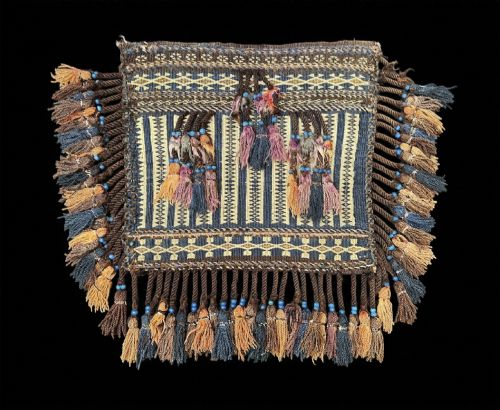
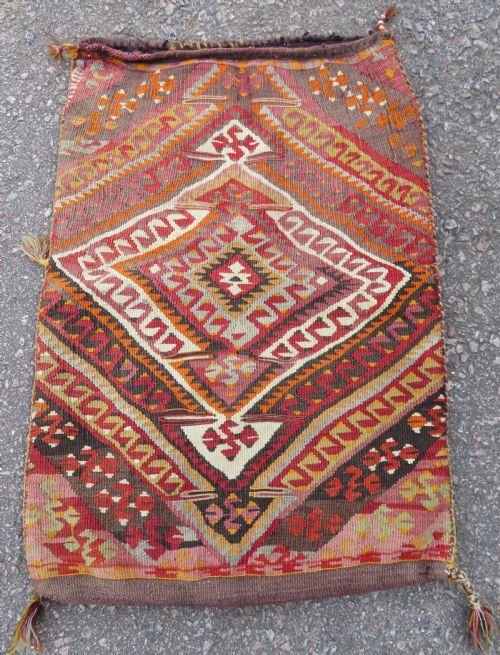
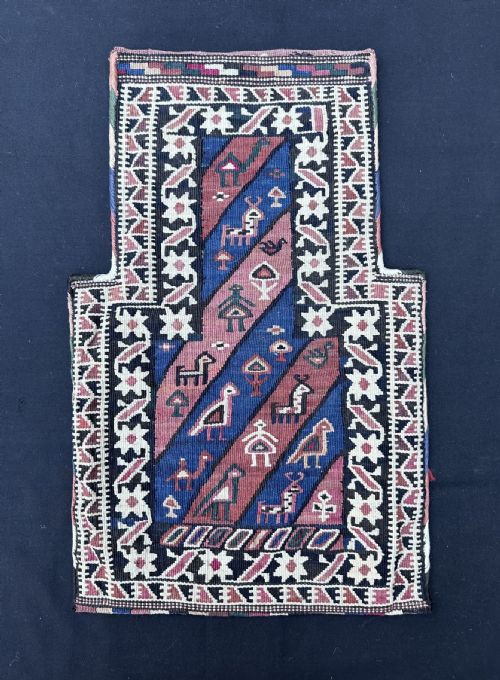
A woven tribal storage bag encompasses utilitarian pouches, tent bags, and bedding sacks produced by nomadic and village groups across Central Asia, Persia, and the Caucasus. These textile pieces served practical domestic functions inside tents and dwellings, utilised for grain, salt, spindles, or personal possessions.
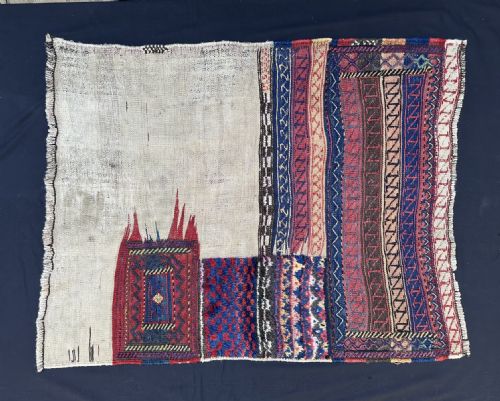
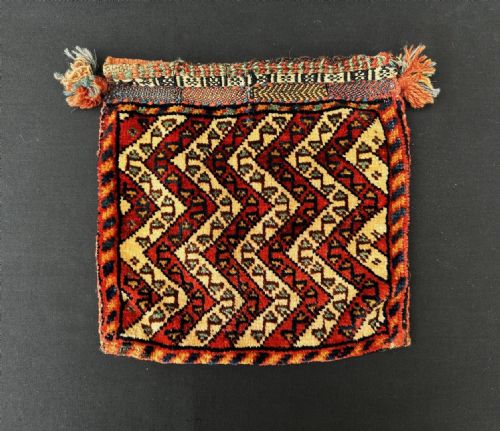
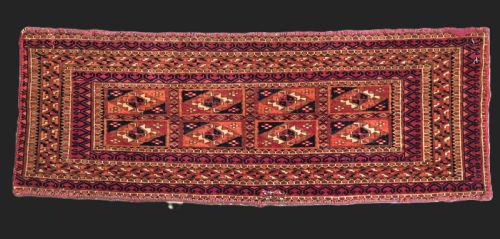
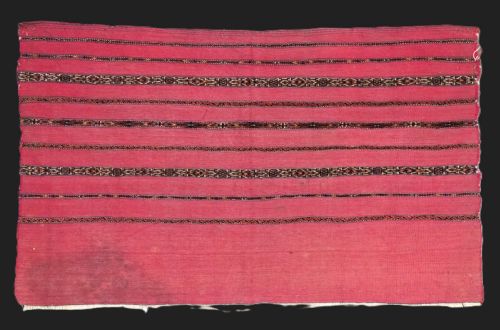
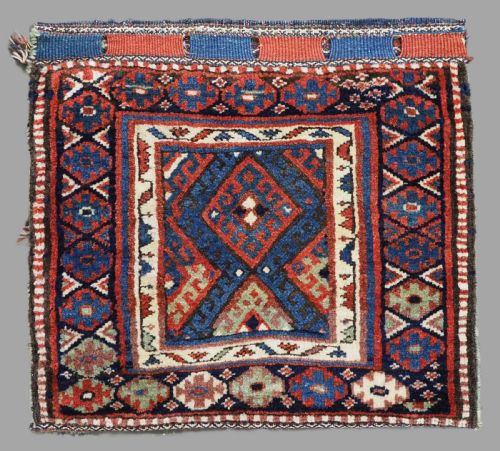
The selections available here lean heavily toward Turkmen torbas, chuvals, and mafrash units, alongside Baluch, Kurdish, and Bakhtiari tribal examples. Buyers will encounter both complete bags retaining their plain weave wool backs and individual bag faces mounted for display.
Originating largely between the mid-nineteenth century and the early twentieth century, these nomadic items reflect distinct regional weaving traditions. Tribal groups such as the Yomut, Tekke, Ersari, and Qashqa'i stamped their specific clan identities onto every utilitarian item.
Materials and Construction Methods
Makers relied on hand-spun wool for the primary structure, often incorporating goat hair for durability along edges and cotton for structural highlights. Natural dyes provided the deep madder reds, indigos, and earth tones that define the palette of these nineteenth-century textiles.
Weaving techniques combined pile knotting on the faces of larger storage sacks with intricate flatweave structures on backs and utility pouches. Artisans occasionally integrated silk highlights and glass beads to accent tribal motifs and geometric layouts.
Woven Tribal Storage Bag Retail Price Guide 2026
Typical asking prices for woven tribal storage bag among the pieces listed under this phrase on Sellingantiques today, from the lower quarter to the upper quarter. They describe what is for sale here now, not the wider market.
Current listings span production dates from the mid-nineteenth century through the early twentieth century.
Evaluating Quality in Tribal Storage Textiles
Quality rests upon the density of the knotting or the tightness of the weave, with finer examples displaying exceptional precision in complex geometric layouts. The clarity and saturation of natural dyes further separate standard utility pieces from masterwork clan productions.
Survival of original plain weave backs and hanging loops greatly elevates the integrity of a textile piece. The handling of secondary materials like goat hair and cotton structural elements also dictates the overall resilience of the construction.
The Woven Tribal Storage Bag Glossary
- Torba
- A small horizontal Turkmen storage bag traditionally used for domestic items inside the yurt.
- Chuval
- A large tent bag utilised by Turkmen nomads for storing bedding and heavy household goods.
- Mafrash
- A rectangular Caucasian or Persian storage bag, frequently woven in sets to carry belongings during migration.
- Gul
- A repeating medallion or octagonal gabled motif characteristic of Central Asian tribal carpet designs.
- Flatweave
- A textile structure created without pile by interlocking warp and weft threads, common on bag backs.
Woven Tribal Storage Bag: Frequently Asked Questions
How were these storage bags used in nomad camps?
Nomadic families utilised these receptacles inside tents for organising household provisions, clothing, and blankets. Their rigid flatweave backs protected contents from damp ground while suspended against lattice walls.
Smaller pouches held specialised tools including spindles, salt, or personal vanity items during seasonal migrations across the steppes.
What is the difference between a bag face and a complete bag?
A complete bag retains both its decorated pile front and its original plain weave wool back, preserving the full utilitarian object. Many surviving examples lost their backs through decades of heavy domestic wear or when dealers separated them for easier display.
Complete pieces offer greater historical integrity for collectors, whereas individual bag faces function effectively as small decorative wall hangings.
How can I tell which tribe made a specific bag?
Attribution relies on distinct structural proportions, colour palettes, and signature primary motifs associated with specific geographic regions. Turkmen groups like the Tekke and Yomut deployed specific gul medallions, while Kurdish and Baluch weavers utilised entirely different geometric vocabulary.
Examining the structural weave and edge finishes often confirms whether a piece originated in Western Persia, the Caucasus, or Central Asia.
How do I care for an antique wool storage bag?
Keep these textiles away from direct sunlight to prevent natural dyes from fading over time. Gentle vacuuming through a mesh screen removes surface dust without damaging fragile hand-spun wool pile or supplementary cotton threads.