




Nineteenth Century Tribal Weave
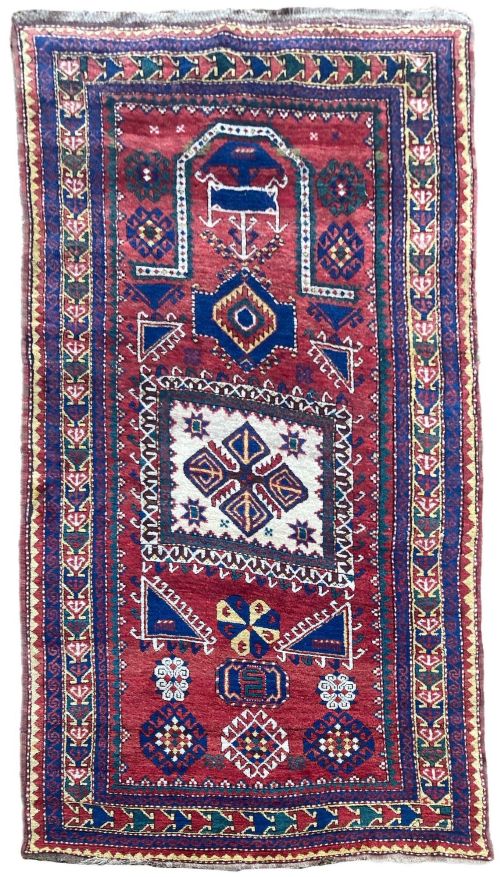
Nineteenth century tribal weave describes hand-knotted and woven textiles from nomadic and village traditions across Central Asia, the Caucasus and Persia.
Nineteenth Century Tribal Weave
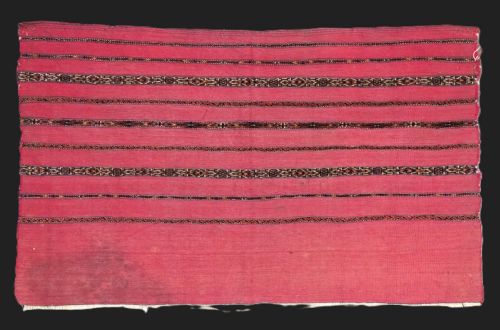
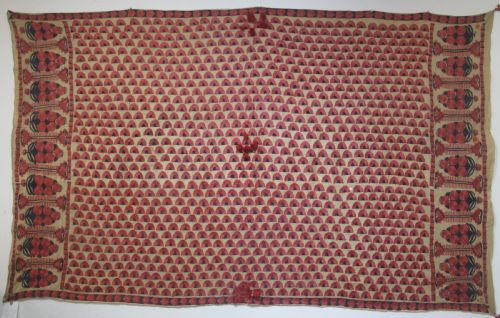
When searching for a nineteenth century tribal weave, a buyer encounters practical items made by nomadic groups and village weavers for daily use. These domestic objects include chuval faces, torbas, saddlebags, tent bands and prayer rugs produced across regions spanning the Caucasus, Persia and Central Asia.
Tekke Turkmen chuval faces and torbas dominate the selection, identifiable by traditional guls and banded designs. Pieces range from small utilitarian bags with original plain weave backs to larger carpets and wedding rugs created during the second half of the nineteenth century.
How they were made
Weavers utilised hand-spun wool and natural vegetable dyes to produce durable pile rugs and flatweaves. Silk thread and white cotton occasionally appear as highlights, alongside decorative details such as glass beads.
Specialised techniques include Soumak wrapping for saddlebags and fine knotting for tribal carpets. Workshops and nomadic groups employed traditional looms to construct structural elements like sturdy cotton or wool backings.
One cheerful Khamseh rug depicts curious chickens pecking across the tribal field.
What varies in quality
Quality rests upon the fineness of the weave and the clarity of the drawing. Tightly knotted examples with well-defined guls demonstrate superior technical execution by the weaver.
Colour retention and dye saturation also differentiate the pieces. Natural vegetable dyes that have aged gracefully contribute to depth of tone, whilst the survival of original backs enhances the integrity of bag faces.
The Nineteenth Century Tribal Weave Glossary
- Gul
- A repeating primary medallion motif commonly found in Turkmen tribal rugs and bag faces. Each design often signifies a specific clan or tribal grouping.
- Chuval
- A large storage bag made by nomadic women for household use inside a tent. These pieces typically display multiple guls across the face.
- Torba
- A smaller utility bag utilised for hanging inside a nomadic tent for storage. They frequently mirror the motifs found on larger chuvals.
- Soumak
- A flatweave technique involving warp-wrapping methods that create a durable structure without a cut pile. This technique produces crisp geometric patterns.
- Ensi
- A specific carpet type used as a door hanging for a nomadic yurt or tent. They usually feature a segmented cross design dividing the field.
Nineteenth Century Tribal Weave: Frequently Asked Questions
How were tribal bags used?
Nomadic groups utilised chuvals and torbas for storing household possessions, bedding and clothing inside tents.
These functional items hung against the lattice walls of yurts, protecting contents from dust and dampness.
What is a gul motif?
A gul is an octagonal or medallion-like design element repeated across Central Asian tribal weaving.
Different tribes and clans used distinct gul variations to identify their specific heritage and lineage.
How do I care for antique wool textiles?
Keep textiles away from direct sunlight to prevent natural vegetable dyes from fading over time.
Vacuum gently with a mesh screen attachment and avoid harsh chemical cleaners.
Where were these tribal textiles made?
Weavers produced these pieces across Central Asia, the Caucasus and Persia within nomadic and village communities.
Specific regions include Turkmenistan, Uzbekistan, Azerbaijan and various pastoral areas of Iran.