

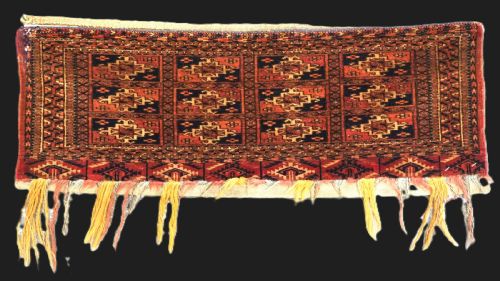
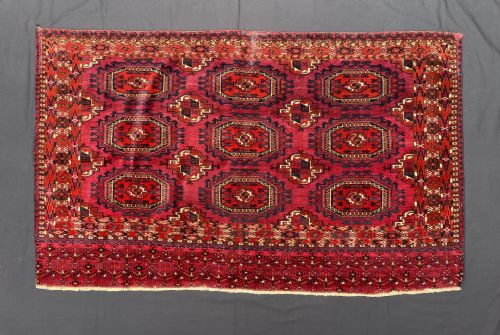


Red Turkmen Wool Bag
A red turkmen wool bag brings authentic Central Asian tribal weaving into domestic spaces through enduring nomadic utility and rich madder tones.
Red Turkmen Wool Bag
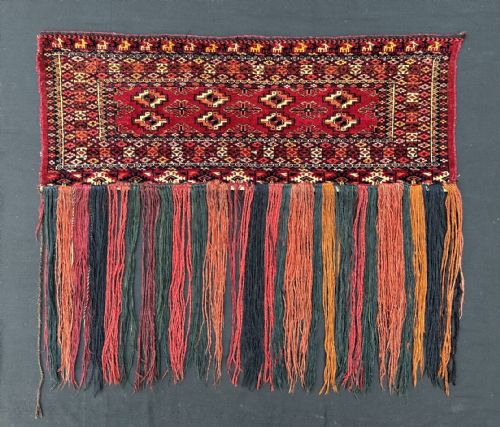
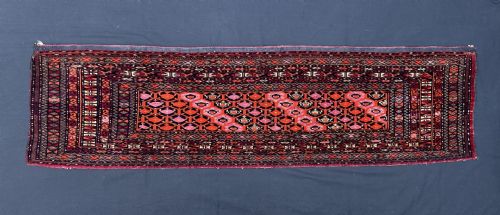
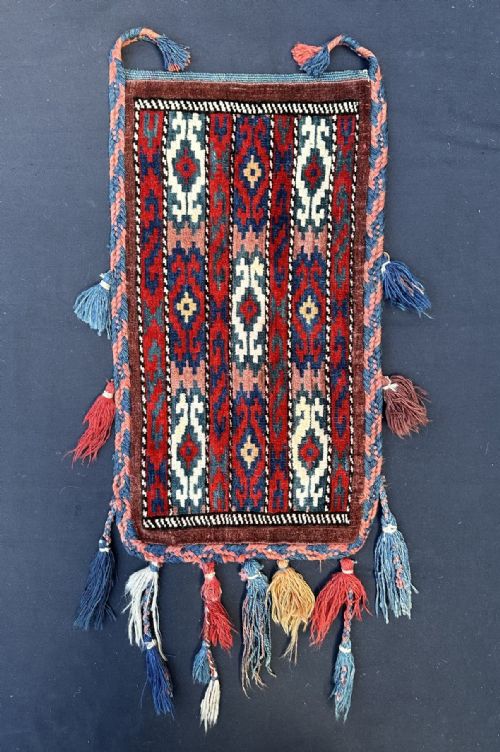
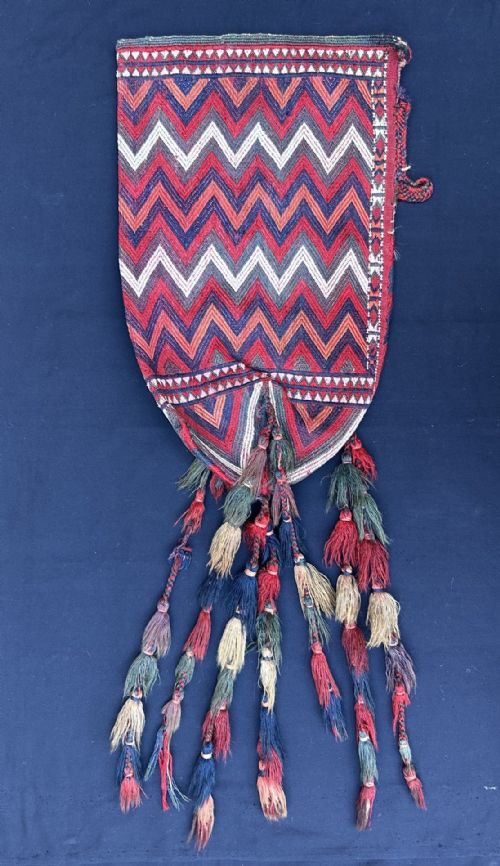
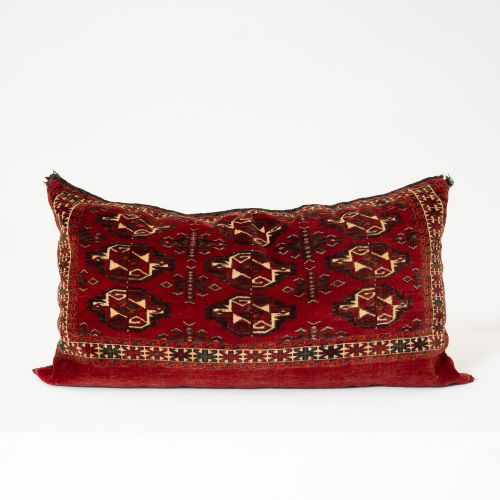
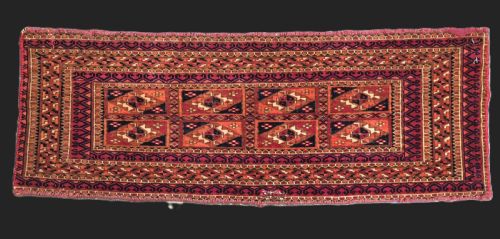
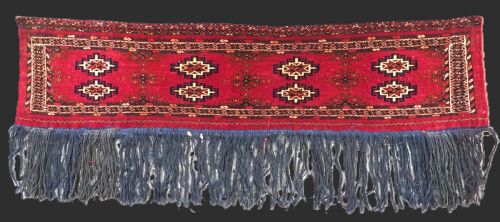
A red turkmen wool bag represents functional nomadic items created by tribes across Central Asia, including the Tekke, Yomut, Saryk, and Ersari groups. These pieces take the form of torbas, chuvals, kap, and spindle-bags designed for tent storage and household organisation.
The objects visible on this page date principally from the nineteenth century up to the early twentieth century, reflecting an era of traditional tribal handicraft. Buyers will encounter both complete examples retaining their original plain weave backs and individual bag faces.
Tribal makers produced these textiles to withstand rigorous nomadic existence while displaying distinct tribal motifs and repeating guls. The predominance of deep madder reds unites these diverse utility items into a coherent visual category.
Materials and Construction
Weavers relied on hand-spun wool for the foundational piles and structural warps, occasionally incorporating cotton and silk highlights for specific design details. Natural dyes derived from local plants and minerals provided the deep red palette characteristic of the region.
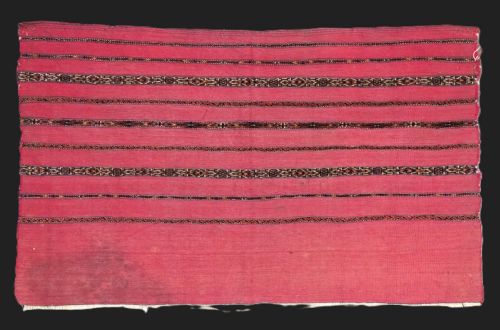
Nomadic artisans combined pile-woven knotting with flatweave techniques on backs and side panels to create durable storage receptacles. Individual workshops utilised vegetable colorants that mellowed gracefully over decades of exposure and use.
Listings feature pieces attributed to the Tekke, Yomut, Saryk, and Ersari tribes, originating from oases across Turkmenistan and Central Asia.
Assessing Craftsmanship
The fineness of the knot density and the precision of the repeating guls distinguish exceptional weaving from standard production. Tighter structures allow complex tribal patterns to remain crisp and legible across the surface of the bag face.
The survival of original plain weave backs and complete structural integrity elevate individual pieces above isolated fragments or heavily restored examples. Depth and saturation of the natural dyes further separate ordinary items from superior survivals.
The Red Turkmen Wool Bag Glossary
- Gul
- A primary medallion or repeating motif used in Turkmen carpets and bags to denote specific tribal identity. These octagonal or principal ornaments anchor the visual composition.
- Torba
- A small horizontal storage bag traditionally hung inside a nomad tent for household items. They often feature elaborate face designs with guls.
- Chuval
- A large tent bag utilised for bedding and clothing storage by Central Asian tribes. These rectangular pieces frequently display multiple rows of primary guls.
- Mafrash
- A rectangular storage container or face utilised for transporting goods during nomadic migrations. They commonly incorporate banded flatweave or piled designs.
- Kap
- A general designation for various small Turkmen utility bags and covers. These objects served specialised functions within the nomadic household.
Red Turkmen Wool Bag: Frequently Asked Questions
What were these bags used for?
Nomadic families utilised these wool containers inside yurts to store clothing, bedding, and smaller household possessions. Their structured shapes allowed them to hang securely against lattice tent walls.
Different formats served specific domestic roles, from small spindle receptacles to large bedding sacks used during seasonal migrations across the steppes.
How do I display a bag face?
Bag faces mount successfully on interior walls as textile art when properly supported by conservation-grade backing methods. Their concentrated designs and rich red tones function effectively as focal points in minimalist or traditional rooms.
Alternatively, complete pieces with original backs can be placed on benches or low surfaces where the texture remains accessible to touch.
How can I tell different tribal groups apart?
Tribes such as the Tekke, Yomut, Saryk, and Ersari expressed distinct visual identities through specific secondary ornaments and proportional layouts. Examining the geometry of the guls and the structure of the border designs reveals the likely weaving group.
Palette choices also offer clues, as certain oases favoured lighter madder grounds while others utilised deep brownish-reds.
Are these pieces made with natural dyes?
Traditional examples from the nineteenth century rely entirely on plant and insect extracts to achieve their enduring red hues. These natural colorants produce subtle tonal variations across the wool pile known as abrash.
Over decades, exposure to light and air softens these botanical dyes into harmonious secondary shades that synthetic colours rarely replicate.