




Tekke Turkmen Chuval
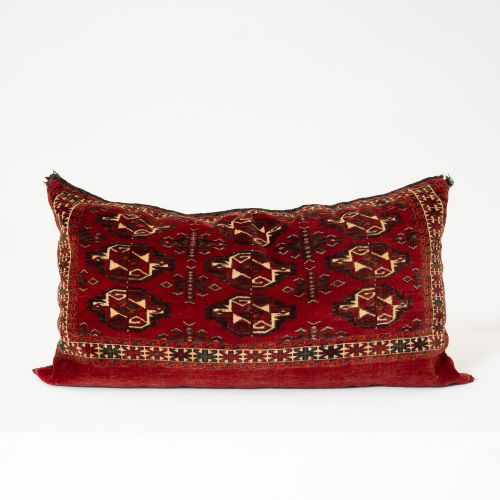
These tekke turkmen chuval pieces are tribal textile artefacts that bring rich nomadic heritage and structured geometric design into modern interiors.

Tekke Turkmen Chuval
A tekke turkmen chuval is a traditional tribal storage bag or bedding bag originating from Central Asia, categorised under rugs and textiles, tribal textile, and wall hangings.
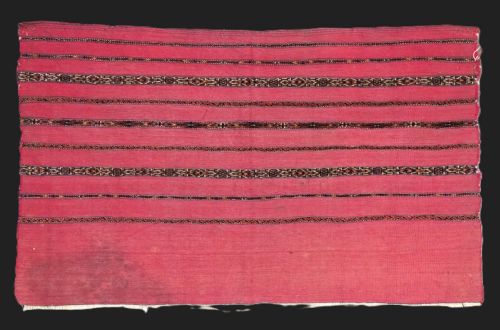
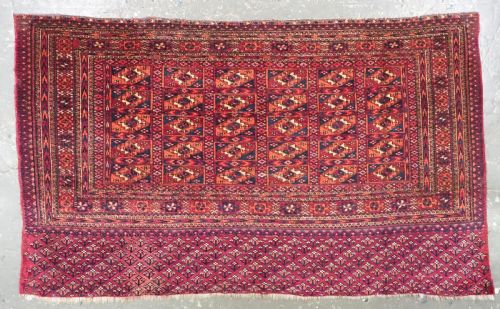
Buyers most frequently encounter chuval faces, which are the decorative front panels preserved from larger utility bags, occasionally complete with original backs or hanging loops attached.
The designs span traditional banded patterns, Kizil and Ak variants, and configurations featuring varying counts of guls and Salor turreted guls dating from the nineteenth century.
How They Were Made
These textiles are constructed using wool and cotton foundations, incorporating flat-woven techniques alongside piled surfaces.
Selected examples integrate silk and cotton highlights to accentuate the intricate geometric guls across the field.
Tekke Turkmen Chuval Retail Price Guide 2026
Typical asking prices for tekke turkmen chuval among the pieces listed under this phrase on Sellingantiques today, from the lower quarter to the upper quarter. They describe what is for sale here now, not the wider market.
The material record for these pieces spans wool and cotton foundations, incorporating periods from eighteen sixty through to nineteen hundred.
What Varies in Quality
Quality rests in the density of construction, with exceptionally fine weaves distinguishing higher-grade examples from standard production.
The sophistication of the design layout, such as scarce formats featuring aina gul or multiple Salor guls, dictates the standing of an individual piece.
The Tekke Turkmen Chuval Glossary
- Chuval
- A large tribal bag used for storage and bedding among Turkmen tribes in Central Asia. These items were traditionally employed within the yurt.
- Gul
- A primary medallion motif repeated across Turkmen carpets and bags. Different tribal groups developed distinctive geometric forms of these ornaments.
- Salor gul
- A secondary medallion type borrowed or shared between tribal traditions, often featuring turreted or elaborate multi-pointed outlines.
- Kizil
- A designation applied to specific Turkmen weaving groups or colour treatments within the tribal tradition. It often relates to red-ground variants.
- Flat woven
- A textile technique produced without pile by interweaving warp and weft threads directly. These examples form lighter utility structures.
Tekke Turkmen Chuval: Frequently Asked Questions
What is a tekke turkmen chuval used for?
These pieces served as large storage sacks for bedding and household goods inside traditional nomadic dwellings in Central Asia.
Today they function primarily as decorative wall hangings and textile art within contemporary interiors.
How do I hang a chuval face?
Many surviving examples retain original loops or require a custom sleeve attached along the upper reverse edge for safe display.
Support the weight evenly across the entire top margin to protect the antique wool and cotton foundation.
How are different periods identified?
Dating relies on material analysis, dye characteristics, and structural fineness recorded across nineteenth-century examples.
Earlier pieces from the mid nineteenth century often display specific silk highlights and distinct regional gul configurations.
What is the difference between a chuval and a rug?
A chuval is specifically a storage bag face rather than a floor covering, shaped for utility within a nomadic household.
They feature specialised Turkmen tribal layouts designed specifically for display on tent walls.