
Central Asian Tribal Textile
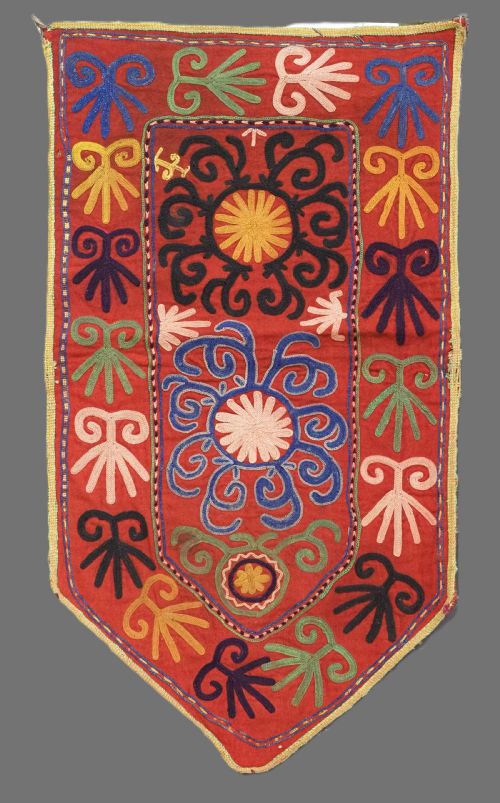
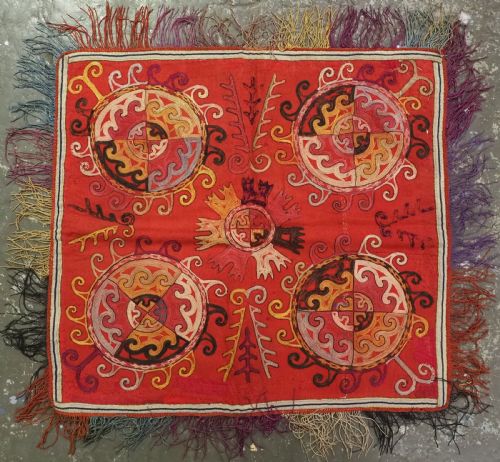
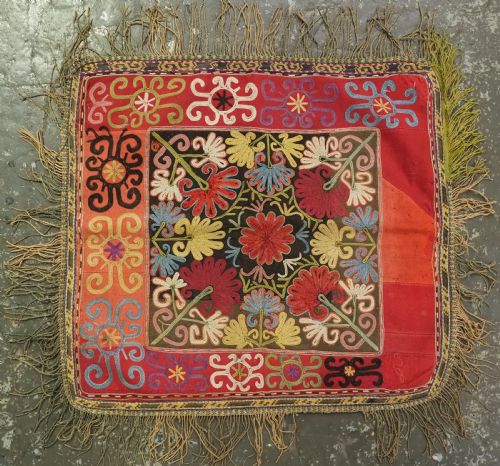
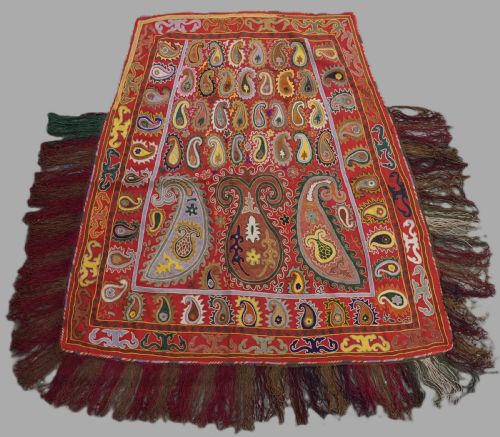
These Central Asian tribal textile pieces are nomadic woven works of character, sought after for rich dyes and striking tribal geometry.
What a central asian tribal textile is
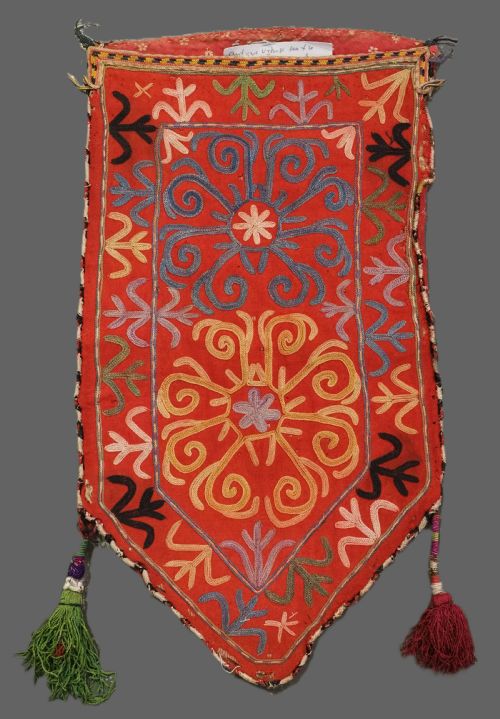
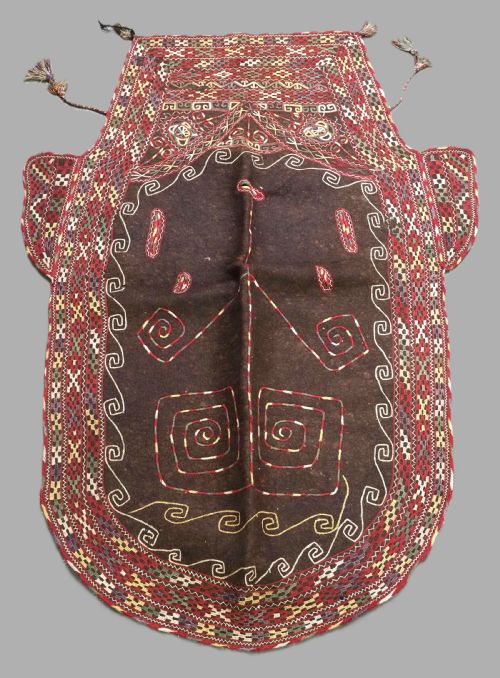
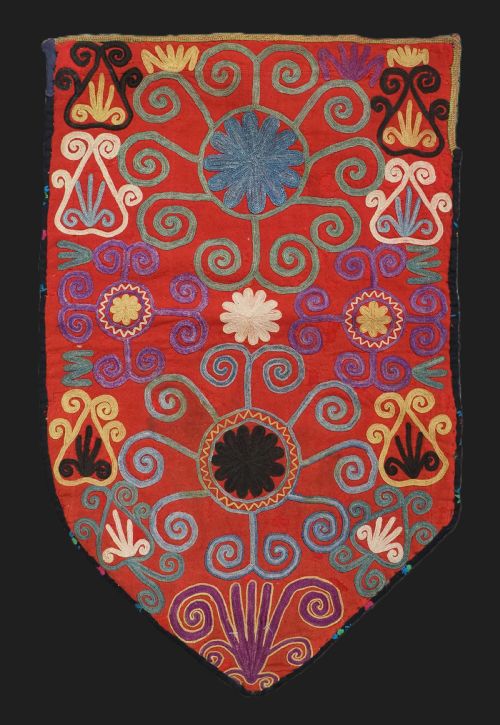
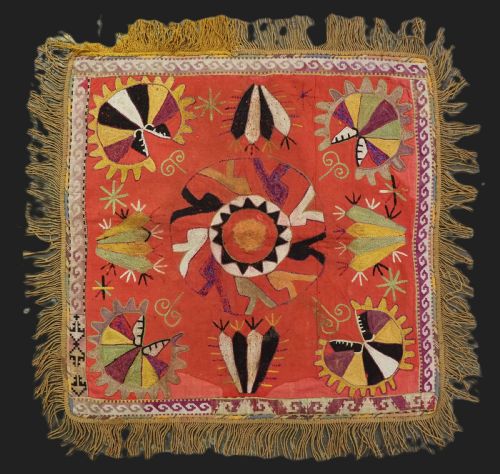
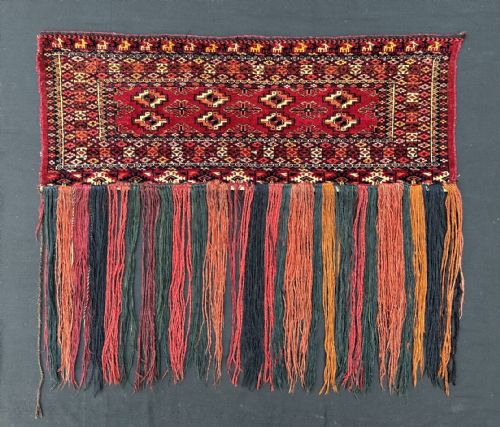
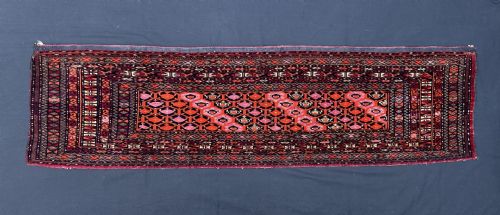
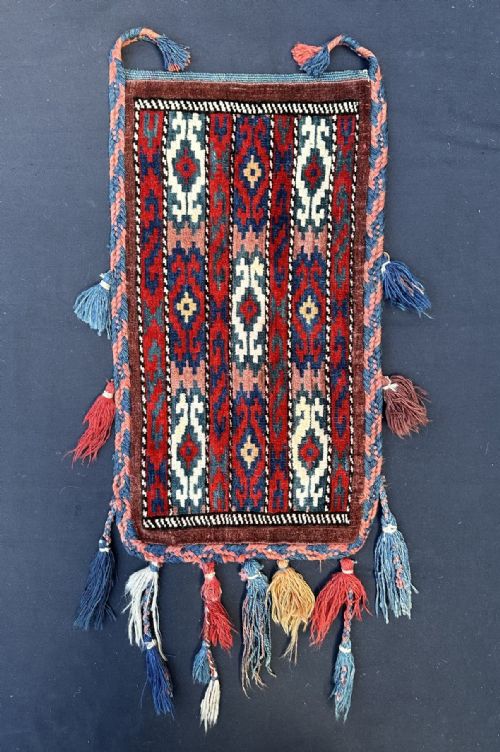
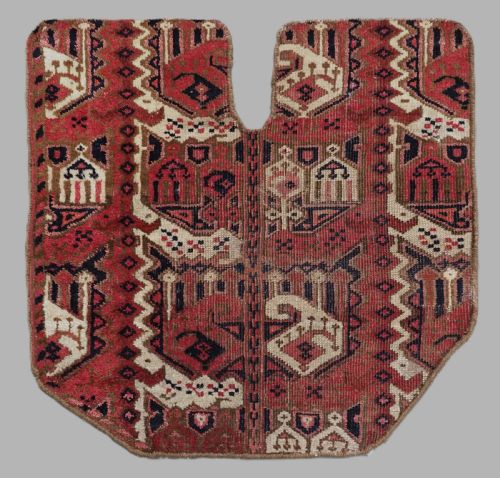
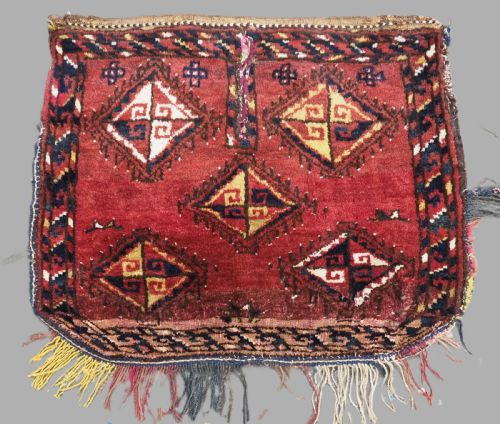
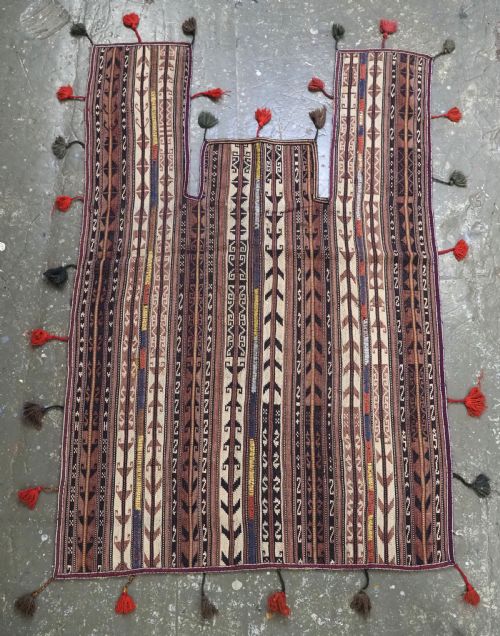
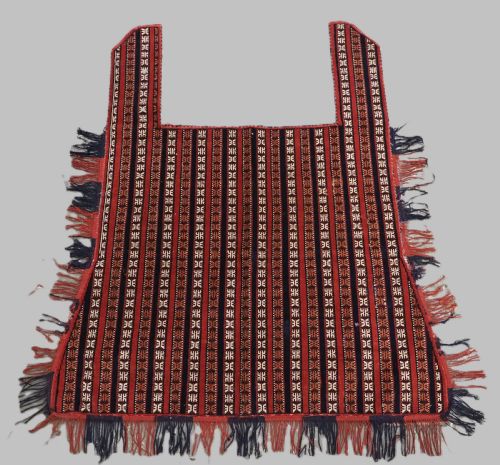
When you search for a central asian tribal textile, you are looking at utilitarian weaving produced by nomadic and semi-nomadic groups. These works include torbas, bag faces, spindle bags, and tent-pole bags originating from Turkmenistan.
The pieces on this page span the late nineteenth century and the turn of the twentieth century. They represent distinct tribal groups such as the Tekke, Yomut, and Ersari peoples, each with their own design vocabulary.
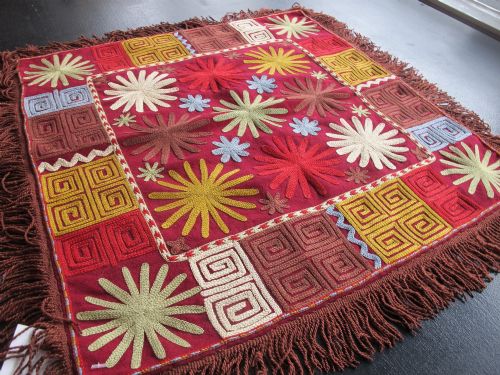
Forms range from complete storage bags to fragments and wall hangings. They demonstrate the practical domestic and nomadic requirements of their makers.
Materials and construction
These textiles are built from hand-spun wool, providing a tactile and durable foundation for daily nomadic use. The handling of the wool yields substantial texture across both pile and flatweave sections.
Natural dyes provide the palette for these works, developing distinct patination over time. Artisans utilised traditional vegetal and mineral colorants to achieve deep red grounds and contrasting motifs.
Retail Price Guide 2026
Typical UK retail prices for central asian tribal textile, calculated from the Sellingantiques database of over a million retail prices indexed since 2003. This retail price guide relies exclusively on Sellingantiques data; no external sources or auction records are used, so the figures do not describe the wider market.
The listings on this page span the late nineteenth century to nineteen hundred, focusing entirely on wool materials and natural dyes.
Measures of quality
Quality in these textiles rests upon the precision of the tribal motifs and the integrity of the weave. Finer knot density and crisp execution of gul patterns elevate a piece above standard domestic output.
The vibrancy and depth of the natural dyes distinguish superior examples. Retaining original plain weave backs or complete structural elements also defines the better survivors of this tradition.
The Central Asian Tribal Textile Glossary
- Torba
- A small hanging storage bag used within the yurt for domestic possessions. These often feature elaborate face designs with primary guls.
- Gul
- A primary medallion or octagonal motif repeated across Turkmen weaving. Each tribal group utilises distinct gul variations to signal identity.
- Mafrash
- A rectangular storage sack or bedding bag produced by nomadic weavers. They are frequently encountered as fragments or surviving faces.
- Plain weave
- A simple weaving technique without pile, utilised for the backs of bags to reduce weight and thickness. This structure allows the bag to sit flush against the tent wall.
- Uk ok bash
- A specialised tent-pole bag used to store and protect the wooden struts of a yurt. These narrow forms are distinctive nomadic artefacts.
Frequently Asked Questions
How do I identify a Yomut weaving?
Yomut pieces often display specific secondary motifs and characteristic colour palettes associated with the Yomut tribe of Turkmenistan. Their bag faces and spindle bags present distinct geometric structures.
Comparing the border designs and gul formations against known tribal examples helps confirm origin. Examining the hand-spun wool and natural dye characteristics further aids attribution.
How should I care for a textile?
Keep these wool works away from direct sunlight to prevent natural dye fading. Gentle vacuuming with a mesh screen protects the fragile fibres from damage.
Avoid hanging pieces in damp environments to protect the natural materials. Professional textile conservators should handle any necessary cleaning.
How are the dates determined?
Dates rely on stylistic analysis, material degradation, and structural wear consistent with late nineteenth and early twentieth-century production. Comparisons with dated museum and archival examples provide a reliable baseline.
Hand-spun wool characteristics and natural dye chemistry help narrow the period of origin. These indicators place the current pieces between eighteen eighty and nineteen hundred.