





Terracotta Woven Bag
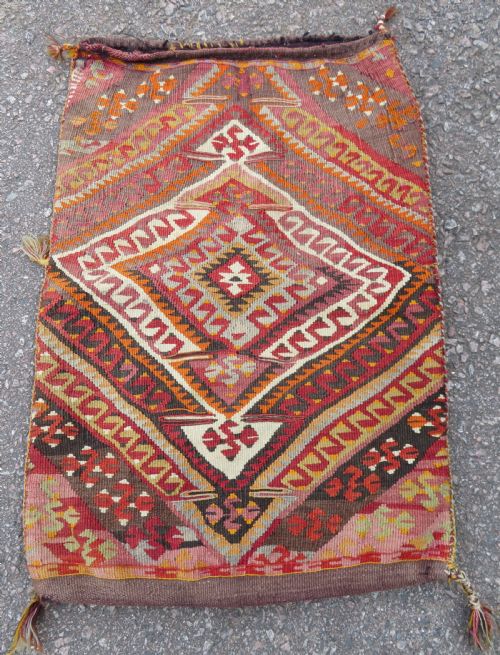
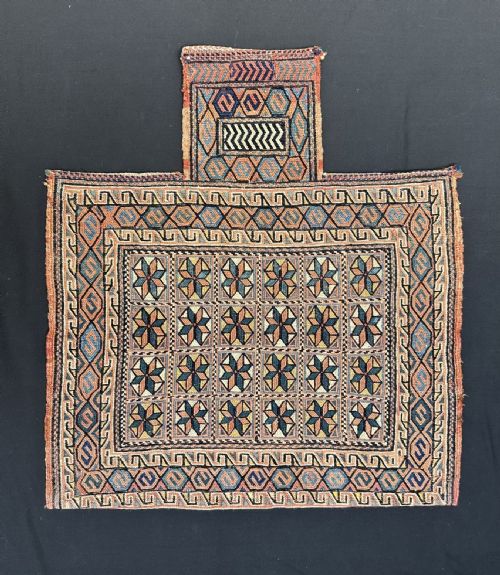
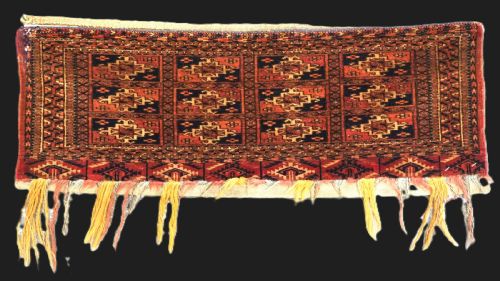
When you explore a terracotta woven bag selection, you encounter authentic tribal textiles and nomadic storage bags crafted across nineteenth and early twentieth century Persia, Caucasus, and Central Asia.
Terracotta Woven Bag
A terracotta woven bag typically takes the form of an antique tribal storage piece, including saddle-bags, salt-bags, torbas, and mafrashes originating from nomadic groups such as the Turkmen, Shahsavan, Qashqa'i, and Baluch. These items served practical functions in tribal daily life, functioning as household containers, packhorse panniers, and dowry items woven on portable horizontal looms.
The selection on this page centres on authentic nineteenth and early twentieth-century examples, ranging from complete pieces with original backs and tassels to individual bag faces and fragments. Makers utilised traditional regional motifs, including guls, tree designs, and geometric medallions, executed in distinctive earthy tones and terracotta hues.
Buyers will find both single bag faces intended for decorative display and complete double-sided structures preserved from nomadic encampments. Each piece reflects the specific weaving traditions of distinct tribal confederations spanning Azerbaijan, Fars, and Western Afghanistan.
Materials and construction
Weavers constructed these pieces predominantly using hand-spun wool, cotton, goat hair, and natural dyes to achieve durable surfaces capable of withstanding nomadic travel. The integration of dyed yarn provided the characteristic terracotta and deep red colour palettes seen across tribal weaving traditions.
Techniques varied between pile knotting and flatweave construction, yielding sturdy structures like soumac work, banded flatweaves, and weft-faced plain weave. Artisans often reinforced edges and added goat hair for extra durability on functional storage compartments and saddle-bags.
Terracotta Woven Bag Retail Price Guide 2026
Typical asking prices for terracotta woven bag among the pieces listed under this phrase on Sellingantiques today, from the lower quarter to the upper quarter. They describe what is for sale here now, not the wider market.
Some tent-pole bags served the specific domestic purpose of holding the wooden skeletal framework of a nomadic yurt during transport.
Markers of distinction
Quality in a terracotta woven bag rests upon the density of the knotting or the tightness of the flatweave structure, alongside the clarity and precision of the geometric or tribal design. Pieces exhibiting exceptionally fine weave, balanced proportions, and complete original backs or tassels command greater recognition among collectors.
The complexity of the regional motifs, such as multi-gul arrangements or intricate tree designs, combined with the vibrancy and depth of the natural dyes, separates standard utility pieces from masterworks of tribal art. Preservation of the original structure without extensive modern restoration similarly elevates the standing of individual textiles.
The Terracotta Woven Bag Glossary
- Torba
- A small Turkmen storage bag traditionally used for household goods inside a yurt. These rectangular pieces frequently feature distinctive tribal guls and were often woven as part of a bride's dowry.
- Mafrash
- A large rectangular storage bale or box-shaped container used by nomads for bedding and clothing during migrations. They often display striking banded flatweave designs or soumac work.
- Gul
- A medallion pattern or repeating octagonal motif used extensively in Turkmen and Central Asian tribal weaving. Each design identifies the specific tribe or clan that produced the textile.
- Soumac
- A warp-wrapping flatweave technique that produces a heavier, more durable textile than standard plain weave. This method creates a textured surface resembling embroidery on the front of the bag.
- Chuval
- A large Turkmen tent-bag utilised for storing household possessions. They are typically wider than they are tall and display rows of primary guls.
Terracotta Woven Bag: Frequently Asked Questions
What is a terracotta woven bag used for?
Nomadic tribes utilised these bags for practical storage during seasonal migrations, packing everything from salt and personal belongings to heavy bedding and tent poles. Saddle-bags were slung over pack animals to carry goods across rugged terrain.
Today, collectors and interior designers use these textiles as decorative wall hangings, small cushions, or floor accents. Their durable construction makes them well-suited for preserved display in modern homes.
How do I tell different tribal designs apart?
Tribal attribution relies heavily on the specific structural motifs, colour palettes, and knotting techniques characteristic of particular regions. Turkmen pieces often display repeating guls, while Shahsavan and Qashqa'i works frequently incorporate intricate geometric medallions or banded flatweaves.
Examining the weave type, such as soumac versus pile knotting, helps narrow down whether a piece originates from Caucasian, Persian, or Central Asian nomadic groups.
Are complete bags better than bag faces?
Complete bags retain their original backs, side cords, and sometimes tassels or closure flaps, offering a full picture of how the textile functioned in nomadic life. They represent rarer survivals from the nineteenth century.
Bag faces are fragments separated from their original reverse sides, often mounted or framed for display. While less complete, they showcase the finest decorative weaving without the bulk of the storage compartment.
How should I care for an antique tribal bag?
Protect antique wool and natural dye textiles by keeping them out of direct sunlight to prevent fading of the terracotta tones. Gentle vacuuming with a low-suction attachment through a mesh screen helps remove dust without damaging the fibres.
Avoid placing heavy furniture on antique bag faces used as floor coverings, and consult a specialist textile conservator for professional cleaning rather than using household washing methods.