


Geometric Tribal Wall Hanging
When you search for a geometric tribal wall hanging, you are looking at woven nomadic artefacts from Persia, Central Asia, and the Caucasus.
Geometric Tribal Wall Hanging
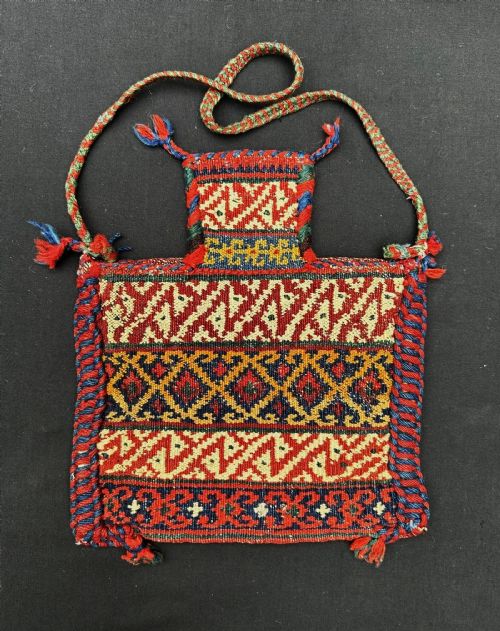
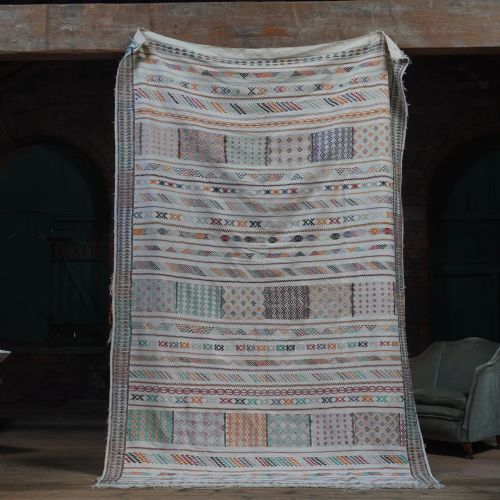
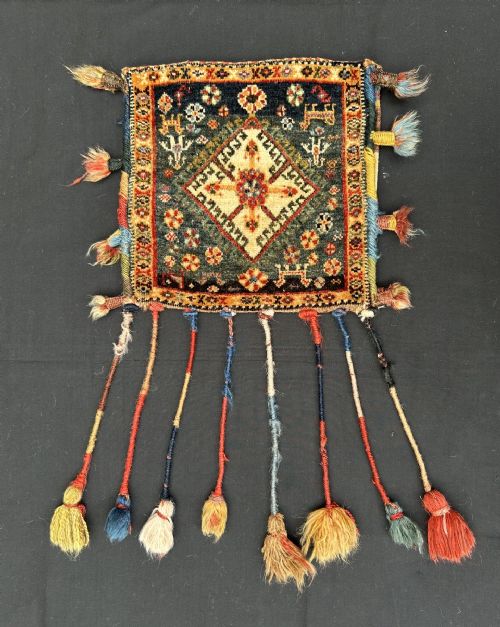
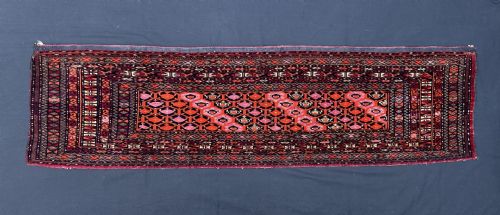
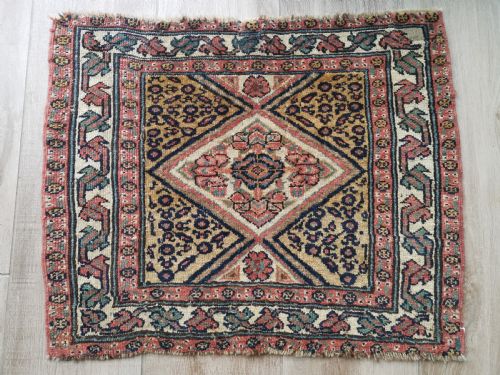
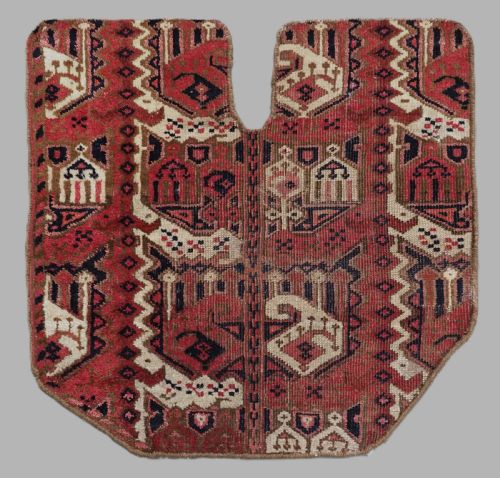
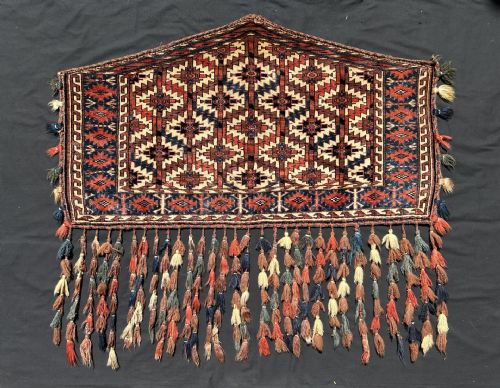
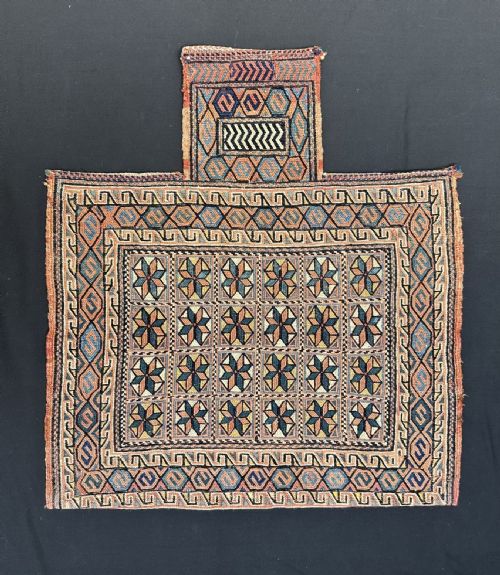
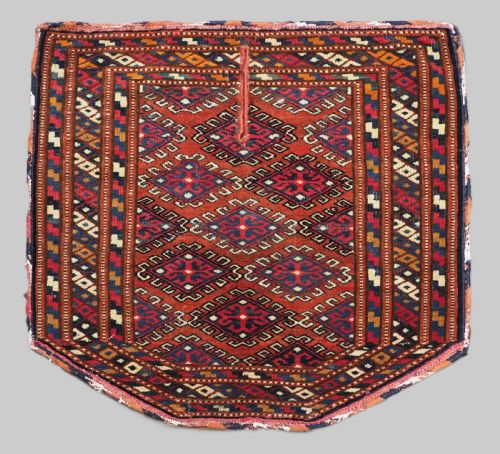
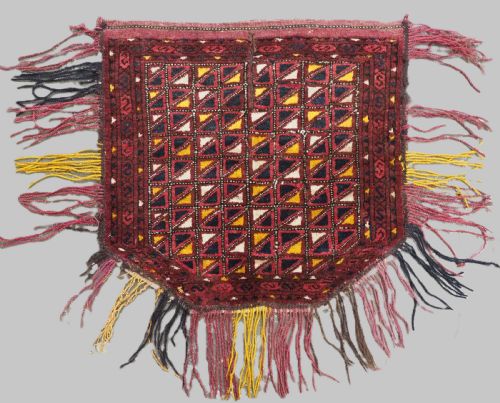
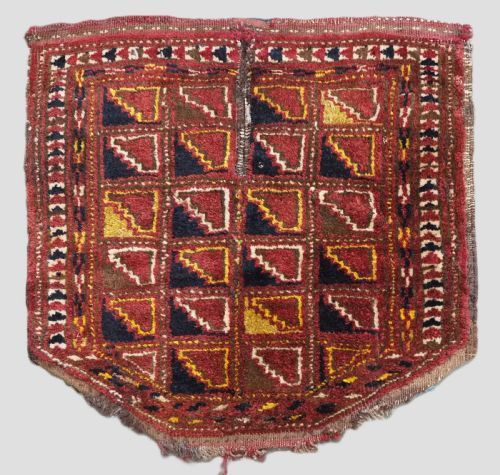
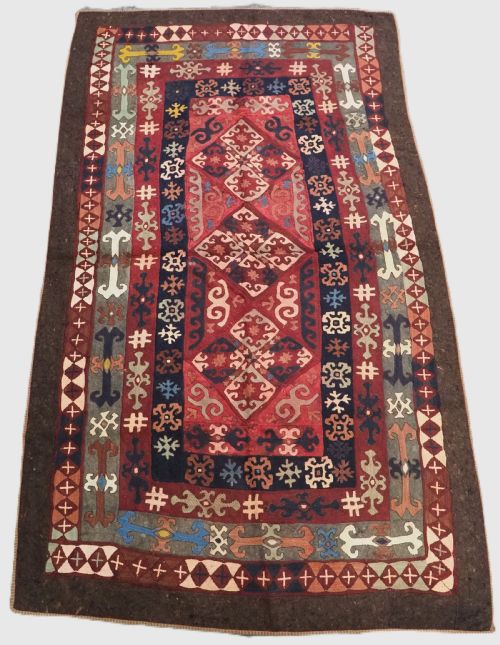
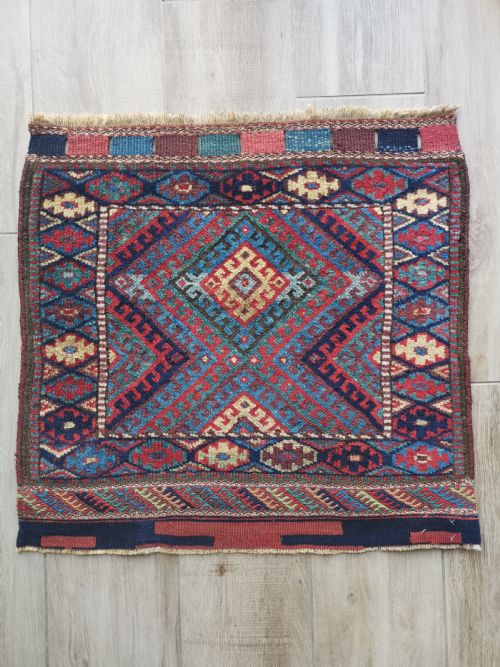
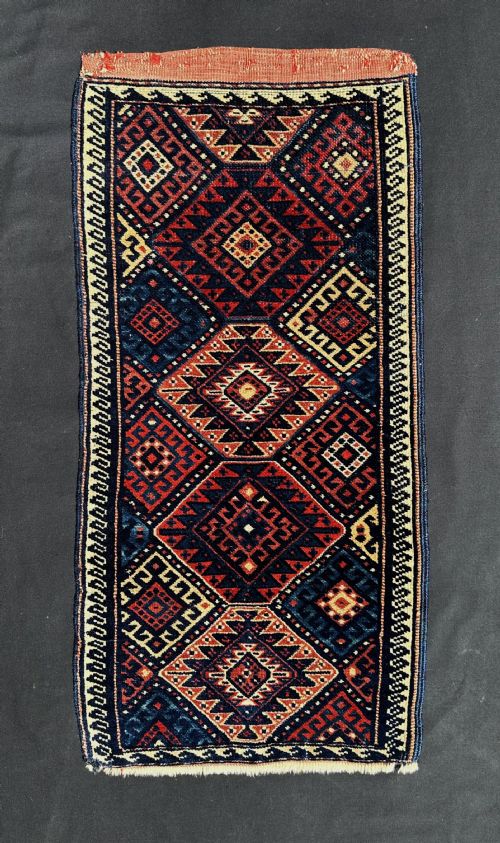
A geometric tribal wall hanging on this page typically originates as a utilitarian nomadic object rather than a decorative textile made specifically for display. You will frequently encounter items such as antique saddle bags, torba faces, sofres, and kilim panels spanning the nineteenth and early twentieth centuries. These objects derive from Persian, Turkmen, Uzbek, and Caucasian tribal traditions, bringing distinct rectilinear patterns into domestic spaces.
Materials and construction
Makers utilised hand-spun wool and cotton foundations, binding the structures with resilient natural dyes derived from local plants and minerals. Artisans applied various techniques including flatweave kilim, sumac wrapping, and central Asian embroidery onto felt or woven textile grounds. These fibrous materials provided the necessary durability for daily nomadic existence, resulting in dense textiles that retain their structural integrity over generations.
The interplay of hand-spun wool fibres and natural dyestuffs creates the characteristic tactile depth observed across these tribal fragments. Whether working on a small pillow bag-face or a larger saddle cover, weavers relied on tightly beaten wefts and structural warps to form crisp, enduring geometric outlines without synthetic reinforcement.
Listings feature wool, cotton, and natural dyes shaped into rugs, flatweaves, and wall hangings dating from the nineteenth and early twentieth centuries.
Judging the standard of execution
Quality in these textiles rests upon the precision of the tribal design work, the saturation of the natural dyes, and the fineness of the spin. Superior examples demonstrate a confident handling of traditional motifs, where proportion and colour balance create a coherent visual rhythm across the field. Lesser pieces may display irregular drawing or muddy colour transitions resulting from hurried dye preparation.
The handling of the wool itself dictates the tier of the piece, with tightly spun, glossy fleece yielding a more resilient and luminous surface than coarse or slackly prepared yarn. The integrity of the original borders, plain weave backs, and surviving tassels also separates standard utilitarian survivals from exceptional collector examples.
The Geometric Tribal Wall Hanging Glossary
- Torba
- A small storage bag produced by Turkmen tribes, traditionally hung inside a tent to store household possessions.
- Sumac
- A flatweave technique involving supplementary weft wrapping that creates a textured, ribbed surface resembling embroidery.
- Sofre
- A woven cloth used primarily for spreading meals or handling bread dough within nomadic households.
- Asmalyk
- A pentagonal trapping mounted on the flanks of a camel during Turkmen wedding processions.
- Kilim
- A tapestry-woven carpet or flat textile lacking pile, produced by tightly interlacing warp and weft threads.
Geometric Tribal Wall Hanging: Frequently Asked Questions
How do I hang a textile safely?
Mounting a woven piece requires spreading the physical weight evenly across the entire upper edge to prevent distortion of the foundation threads. Utilising a sleeve of cotton stitched to the reverse or employing a padded hook system preserves the integrity of the antique wool.
Avoid direct vertical tension from isolated pins or nails, which can tear historical warps and wefts over time. Professional conservation mounting ensures the textile hangs flat while remaining fully supported.
How were these bags originally used?
Nomadic groups utilised these woven pieces for practical storage, transport, and domestic routines during seasonal migrations. Items such as torbas, khorjins, and salt-bags held personal belongings, grain, and utensils inside portable dwellings.
Over decades of daily handling, these utilitarian objects absorbed the traditions and functional requirements of groups like the Afshar, Yomut, and Shahsevan. Their conversion into decorative wall hangings represents a modern appreciation for their graphic design.
How do I identify tribal regions?
Regional attribution relies upon distinct structural habits, specific colour palettes, and characteristic geometric iconography associated with particular confederations. Turkmen weavings often feature deep madder reds and gul motifs, whereas Caucasian or Shahsevan pieces lean towards starker primary colours and sharp hooked polygons.
Examining the technical structure, such as the twist of the wool and edge finishes, helps confirm whether a piece hails from South Persia, Khorassan, or the Trans-Caspian steppes.
How do I care for antique wool?
Maintaining antique textiles involves keeping them away from direct sunlight, which fades natural dye compounds over extended periods. Gentle vacuuming through a protective mesh screen removes surface dust without disturbing fragile hand-spun fibres.
Professional textile conservators should handle any significant cleaning or repair work rather than attempting domestic washing, which can cause dye bleed or shrinkage in nineteenth-century wool.