





Multicolour Tribal Textile
These items of multicolour tribal textile work represent the practical artistry of nomadic groups from Persia and Central Asia.
Multicolour Tribal Textile
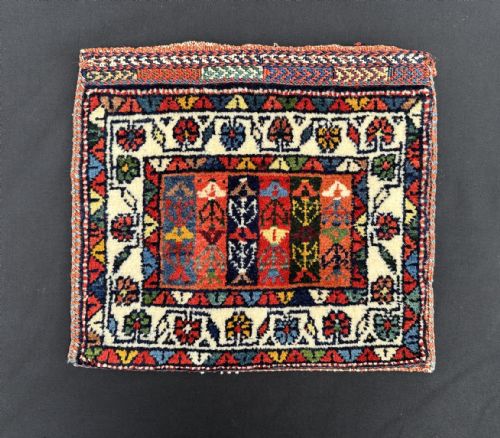
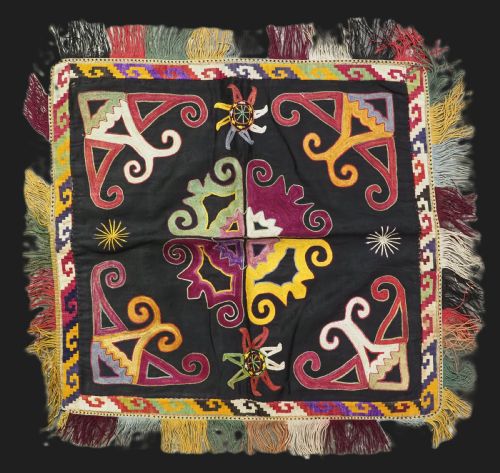
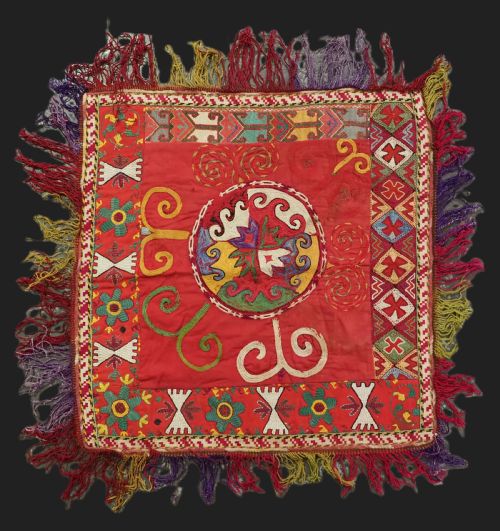
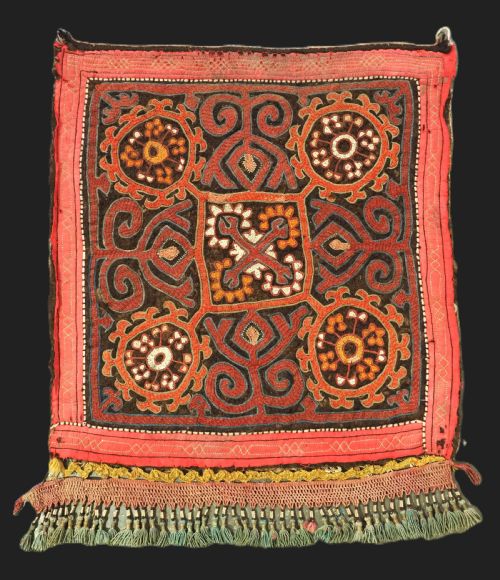
A multicolour tribal textile encompasses utilitarian household items, horse trappings, and dowry pieces produced by nomadic and village groups. When searching this phrase, buyers encounter small personal bags, horse decorations, and wall panels originating from regions such as Persia and Uzbekistan.
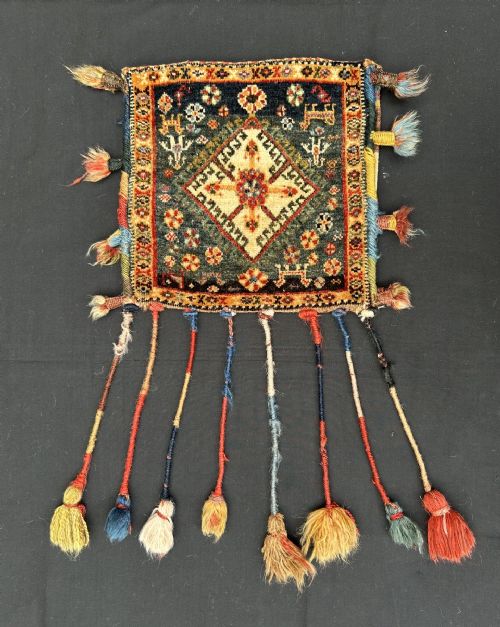
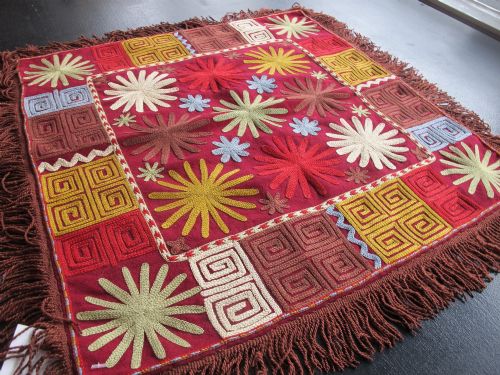
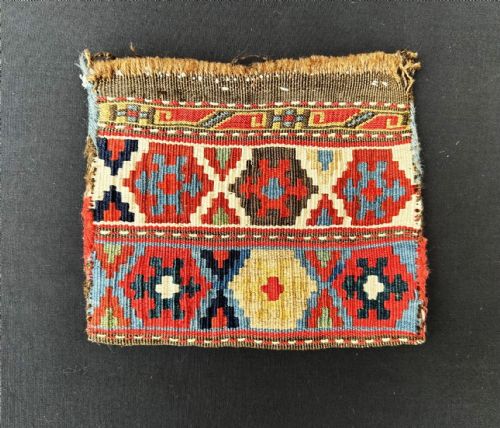
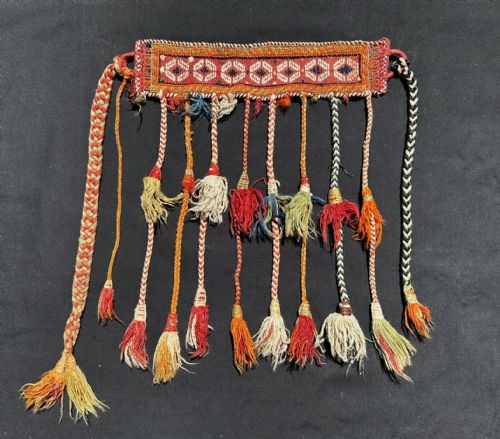
The pieces on this page span from the mid-nineteenth century into the early twentieth century, reflecting traditional weaving and embroidery practices. Common functional forms include tobacco pouches, vanity bags, saddle covers, and embroidered wall hangings.
Tribal groups including the Qashqa'i, Afshar, Shahsevan, and Lakai created these items using local materials for everyday use within their communities. Each piece carries specific tribal motifs and structures tied to the geographic origins of the makers.
How They Were Made
The construction of these textiles relies primarily on hand-spun wool, cotton, and silk, frequently combined with natural dyes to achieve a vibrant palette. Artisans also integrated felt, leather, and wood elements depending on the specific utility of the item.
Techniques range from pile weaving and flat-woven kilim structures to intricate silk embroidery on cotton or wool foundations. Applied fringes, leather details, and supportive panels complete the construction of functional objects like bags and horse trappings.
Recorded periods span from eighteen-fifty through nineteen-thirty, documenting generations of traditional nomadic craftsmanship.
What Varies in Quality
The standard of a piece depends on the fineness of the spin, the precision of the tribal motifs, and the complexity of the colour palette. Tighter weaves and finer needlework indicate a higher degree of execution by the artisan.
Condition and completeness also influence the standing of an item, particularly when original fringes, leather elements, or backing materials remain intact. Pieces retaining their full structural integrity and original decorative components demonstrate greater craft preservation.
The Multicolour Tribal Textile Glossary
- Chanteh
- A small tribal bag or vanity pouch used by nomads for personal possessions. These small containers often feature distinctive tribal patterning on the face.
- Ilgich
- An embroidered dowry hanging produced by the Lakai tribe in Uzbekistan. These items are typically square in format and worked in silk.
- Suzani
- A large embroidered wall hanging or cover originating from Central Asia. They are worked in silk or cotton on a textile foundation.
- Jajim
- A flat-woven textile produced in strips and joined together, often utilised for bedding or covers. They display bold striped or geometric patterns.
- Kilim
- A flat-woven carpet or textile without a pile. These pieces rely on the interlacing of warp and weft threads to form graphic designs.
Multicolour Tribal Textile: Frequently Asked Questions
How were these tribal bags used?
Nomadic groups utilised small bags to store personal items, tobacco, pipes, or spinning tools during daily life and migration.
Many of these containers hung inside tents or served practical functions tied to transport and domestic organisation.
What is a Lakai embroidery?
Lakai embroideries are distinctive silk textiles created by the Lakai people of Uzbekistan around the turn of the twentieth century.
They often served as dowry items, wall hangings, or ceremonial horse decorations featuring dynamic geometric motifs.
How do I care for antique textiles?
Keep antique textiles away from direct sunlight to prevent natural dyes from fading over time.
Display them gently on supportive mounts or walls, avoiding heavy tension on historic fibres and stitching.
How do I identify tribal origins?
Specific colour combinations, structural techniques, and recurring motifs point to particular tribal confederations and geographic regions.
Comparing structural details like weave types and embroidery styles helps distinguish pieces made by groups such as the Qashqa'i or Shahsevan.