


Terracotta Wool Kilim
Terracotta wool kilim pieces bring tribal warmth and flatweave geometry to a room, offering durability and rich, earthy hues.
Terracotta Wool Kilim
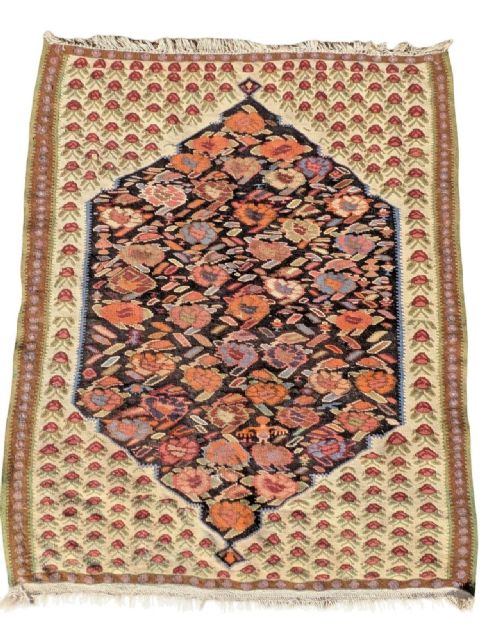
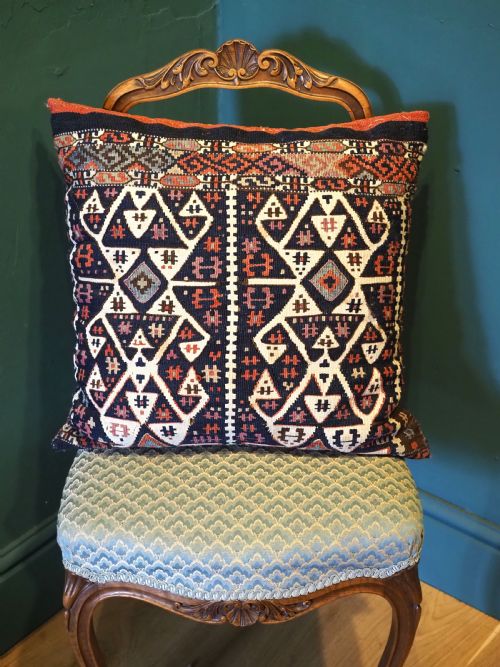
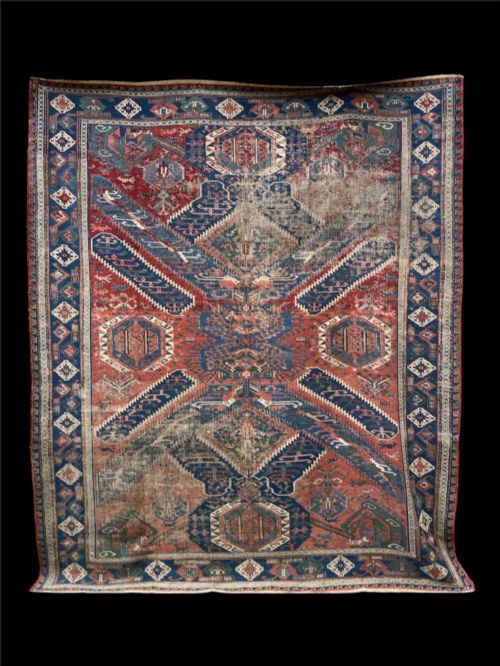
A terracotta wool kilim brings together flatweave floor coverings and small textiles created by nomadic and tribal communities across regions such as Anatolia, the Caucasus, Persia, and Central Asia. When searching for this specific aesthetic, buyers encounter items ranging from full room-size carpets and long runners down to storage bags, tent bands, and cushions.
The selections span from the mid-nineteenth century through to the early decades of the twentieth century, encompassing styles from Anatolian tribal to Balkan folk art. Pieces often utilise banded designs, repeat medallions, or lattice patterns worked in traditional wool and hand-spun wool fibres.
How They Were Made
These flatweaves rely on wool and hand-spun wool for the primary structure, sometimes combined with cotton elements or supported by wooden and metal framing in specific functional items like foot warmers. The weaving technique avoids pile entirely, instead interlocking weft threads tightly over warp threads to produce a flat, durable surface with sharp geometric definition.
Many items incorporate supplementary weft work, brocading, or soumak wrapping to build complex patterns. Storage bags and tent panels often show expert assembly from multiple narrower strips joined together, complete with original backs and tassels.
Terracotta Wool Kilim Retail Price Guide 2026
Typical asking prices for terracotta wool kilim among the pieces listed under this phrase on Sellingantiques today, from the lower quarter to the upper quarter. They describe what is for sale here now, not the wider market.
Listings feature items dated from the mid-nineteenth century through the 1930s, constructed predominantly from wool and hand-spun wool.
What Varies in Quality
Quality rests on the fineness of the weave and the precision of the flatweave structure. Denser knotting and tighter weft packing create firmer, more resilient textiles that hold their geometric clarity across decades of use.
The Terracotta Wool Kilim Glossary
- Kilim
- A flatwoven carpet or rug produced without a pile. These textiles rely on tightly packed weft threads concealing the warps.
- Soumak
- A brocading technique where supplementary weft threads wrap around the warp threads in a herringbone or braid-like pattern. This adds texture and durability to the flatweave surface.
- Mafrash
- A large rectangular storage bag used by nomadic tribes for bedding and household goods. Panels from these bags are frequently repurposed into smaller rugs or cushions.
- Torba
- A small, horizontal Turkmen storage bag traditionally hung inside a tent. They feature banded flatweave designs and decorative lower fringes.
- Verneh
- A type of brocaded flatweave originating from the Caucasus. It typically displays striking animal or geometric motifs.
Terracotta Wool Kilim: Frequently Asked Questions
How do I care for an antique kilim?
Vacuum gently without a rotating brush roll to remove dust and grit from the flatweave structure. Professional cleaning designed for antique textiles preserves the wool fibres.
Keep the textile out of direct sunlight to protect the natural dyes. Using a suitable underlay prevents slipping and reduces friction against hard floors.
Where were these tribal flatweaves made?
The pieces originate from nomadic and village communities across Anatolia, the Caucasus, Persia, and Central Asia. Groups such as the Yomut Turkmen, Qashqa'i, and Shahsavan produced them for daily domestic use.
Each region developed distinct geometric vocabularies, colour palettes, and weaving methods. These local traditions make it possible to trace a piece's geographical origin.
Can I use storage bag panels on the floor?
Many bag faces and fragments are sturdy enough for light foot traffic when properly secured with a non-slip underlay. They function well as small accent rugs or stair runners.
Alternatively, smaller bag pieces and cushions work effectively as decorative seating accents or wall hangings. This protects delicate flatweave structures from heavy wear.
What does a banded design mean?
Banded designs feature horizontal stripes of repeating geometric patterns, triangles, or borders across the field of the textile. This layout is typical of many Central Asian and Caucasian flatweaves.
Weavers built these compositions stripe by stripe using natural dye materials. The rhythm of the bands reflects the practical constraints and aesthetic preferences of the maker.