

Afshar Tribal Rug
These woven pieces known as an afshar tribal rug bring rich Persian geometry and practical nomadic history straight into contemporary interiors.

Afshar Tribal Rug
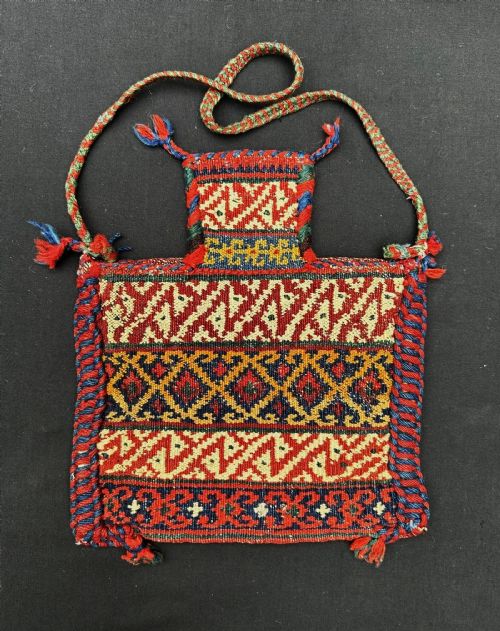
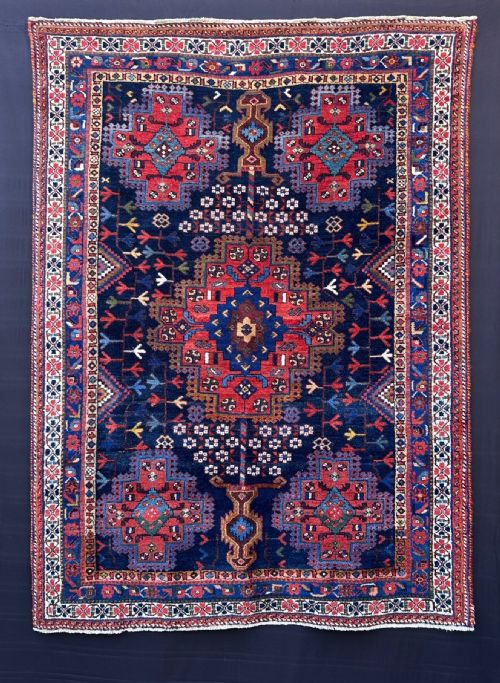
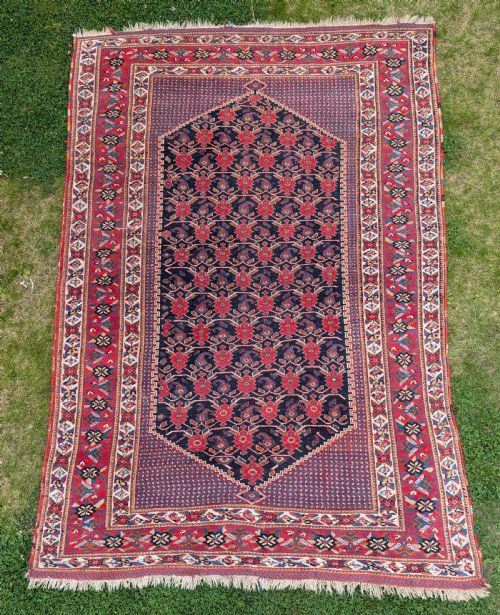
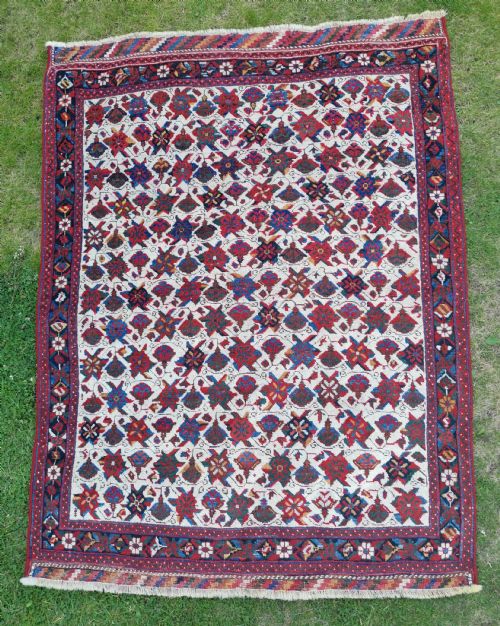
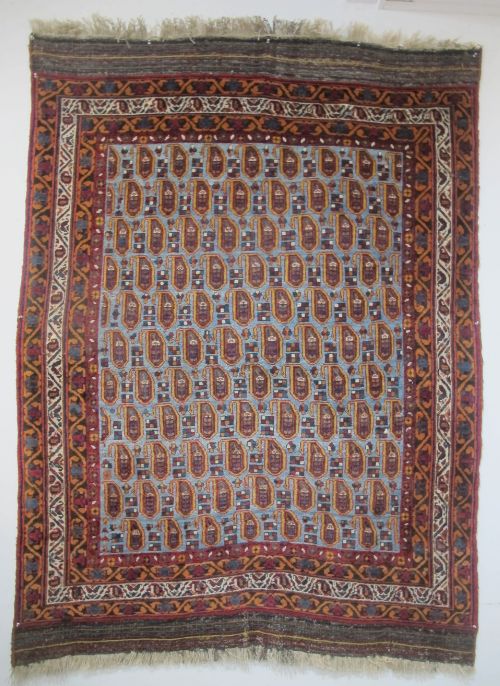
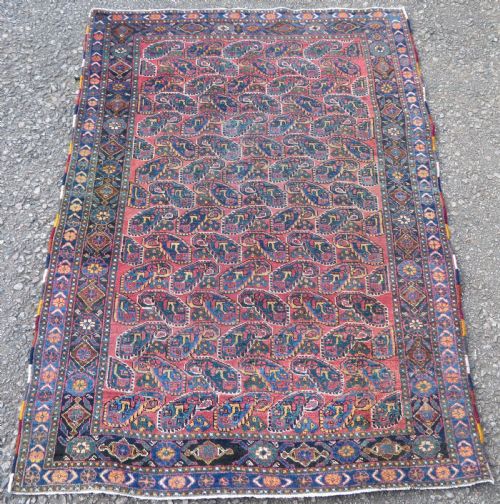
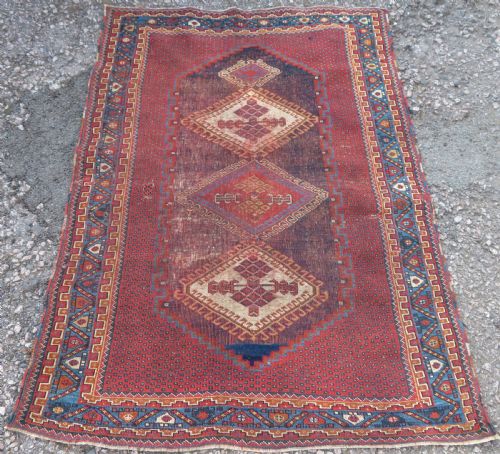
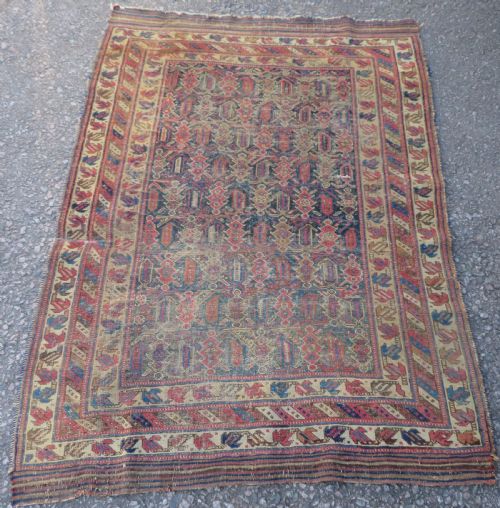
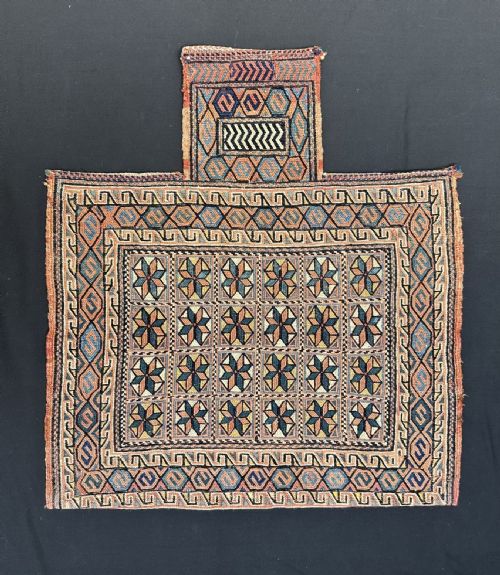
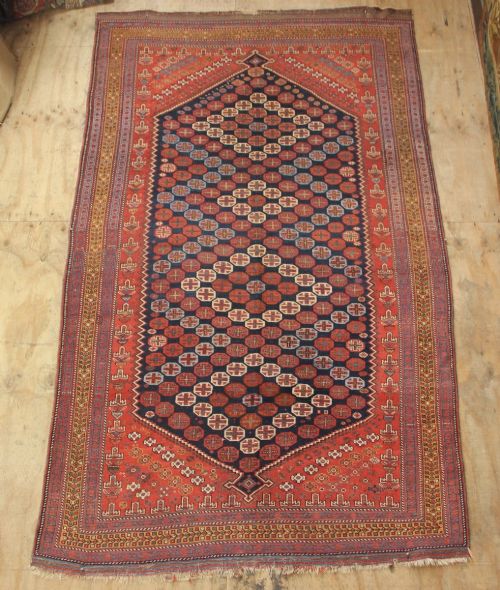
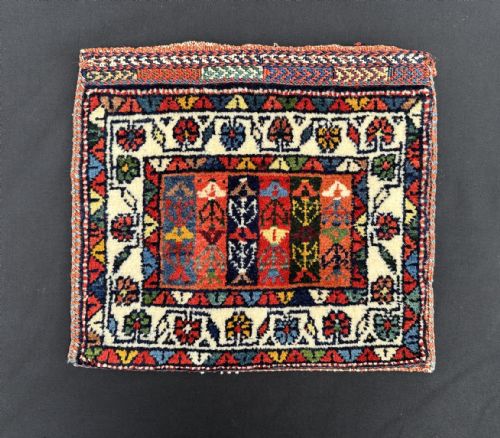
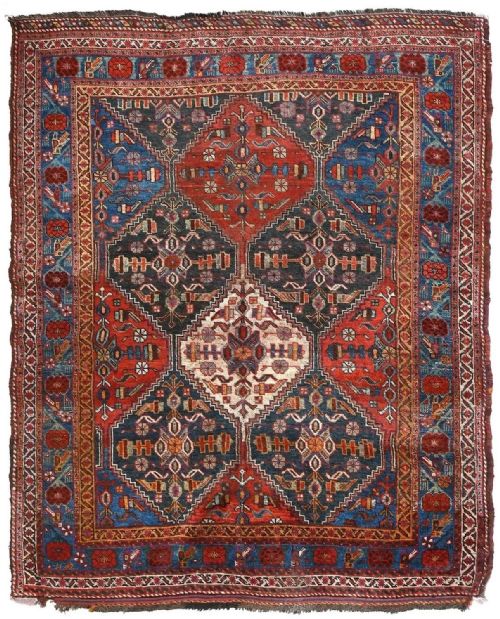
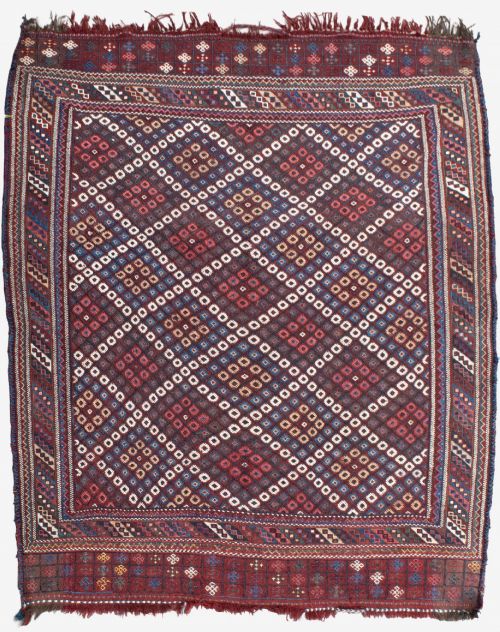
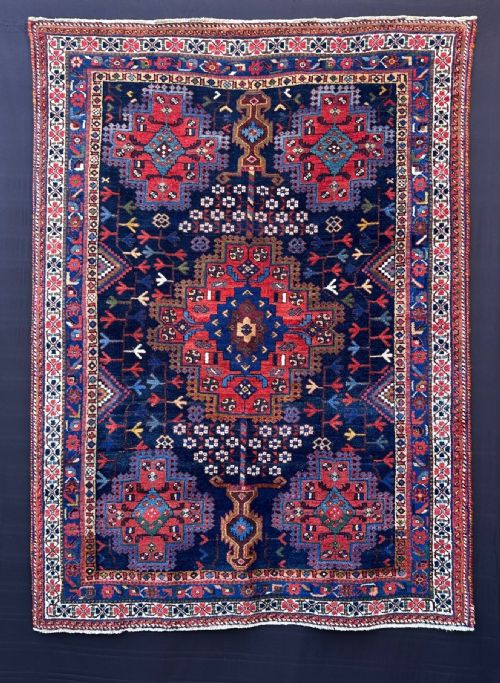
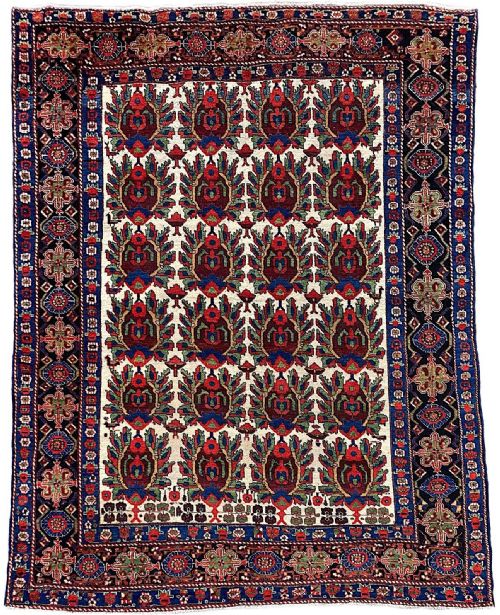
An afshar tribal rug originates predominantly from the Kerman province in south Persia, woven by nomadic and village groups across regions like Neiriz, Sirjan, and Bardsir. Collectors encounter these works in various formats, ranging from full area carpets and small floor rugs down to functional utility items such as bread sofreh spreads, salt bags, and vanity pouches. The aesthetic draws heavily on traditional Persian tribal motifs, utilising geometric medallions, repeating boteh patterns, and structured lattice designs.
The physical format varies considerably between large floor coverings and smaller tribal containers designed for nomadic life. Floor rugs and carpets provide substantial geometric impact, whereas smaller weaving pieces demonstrate the same intricate dye work and knotting on a portable scale. These textiles capture an authentic record of south Persian weaving traditions spanning the nineteenth and early twentieth centuries.
Materials and construction
Traditional weavers constructed these textiles using hand-spun wool for the pile, set against sturdy cotton foundations in many examples. Artisans sourced natural dyes to achieve deep saturated palettes, creating characteristic variations in tone across the surface of each rug.
Specialised techniques such as soumak flatweaving appear alongside standard knotted pile construction, particularly on utility pouches and storage bags. Cowrie shells sometimes decorate specific pieces, adding tactile ornamentation to nomadic textile items.
Afshar Tribal Rug Retail Price Guide 2026
Typical asking prices for afshar tribal rug among the pieces listed under this phrase on Sellingantiques today, from the lower quarter to the upper quarter. They describe what is for sale here now, not the wider market.
Some nomadic storage bags still retain original cowrie shells stitched onto the fabric for traditional good fortune and protection.
Assessing quality
Quality in these weavings depends upon the precision of the geometric execution and the density of the knotting within the pile. Finer examples display crisper delineation of motifs such as the boteh or central medallion, alongside superior handling of natural dye saturation.
The integrity of the wool and the overall balance of the regional design layout also dictate the standing of a piece. Early examples exhibiting tightly packed foundations and well-preserved structural edges command greater attention from experienced collectors.
The Afshar Tribal Rug Glossary
- Sofreh
- A flatwoven or piled spread used for dining or bread-making traditions among nomadic groups. These textiles often feature striking minimalist or geometric fields.
- Boteh
- A stylised almond or paisley motif representing a floral spray or cypress tree. It appears frequently as a repeating element across south Persian weaving.
- Soumak
- A flatweave technique involving wrapping weft threads around warp threads in a continuous pattern. This method creates a durable, textured surface often utilised for storage bags and salt pouches.
- Chanteh
- A small personal bag or vanity pouch woven by nomads for carrying small possessions. These miniature textiles display the same design rigour as larger floor carpets.
- Kerman
- A major province in south Persia encompassing key weaving districts such as Neiriz, Sirjan, and Bardsir. Most pieces associated with this tradition trace their origins to this geographic area.
Afshar Tribal Rug: Frequently Asked Questions
Where were these rugs made?
Most examples originate from the Kerman province in south Persia, created by nomadic and village weavers across specific regions including Neiriz, Sirjan, and Bardsir.
Production centres in this territory produced both large floor coverings and small utility bags sharing a distinct regional aesthetic.
How do I identify natural dyes?
Natural dyes present subtle tonal shifts known as abrash across the wool pile, resulting from variable absorption in the dye bath over time. These organic colours age with a characteristic depth.
Examination under natural light reveals gentle variations within a single colour field rather than uniform factory-produced flatness.
How should I care for an old rug?
Protect wool textiles from direct sunlight and damp environments to preserve the integrity of the natural fibres and organic dyes. Regular gentle vacuuming without a rotating brush bar prevents dirt accumulation within the pile.
Rotate the textile periodically to ensure even wear patterns if placed in a high-traffic area of the home.