
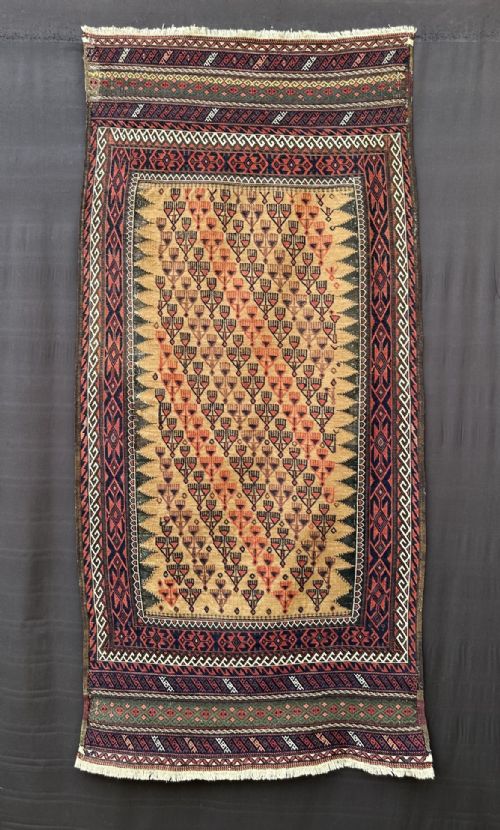
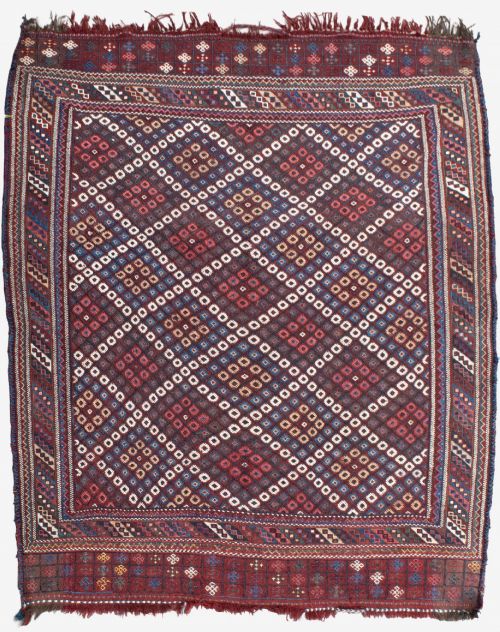


Vintage Flatweave Rug
When you search for a vintage flatweave rug, you are looking at pileless textiles woven by nomadic and village communities across Persia, Anatolia, the Caucasus, and Central Asia.
Vintage Flatweave Rug
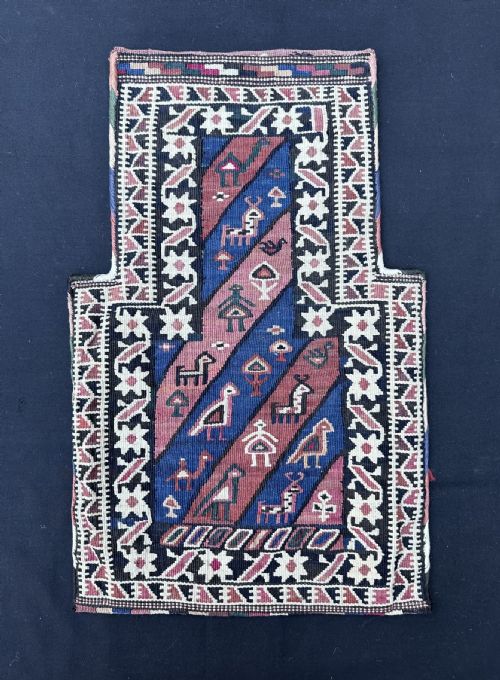
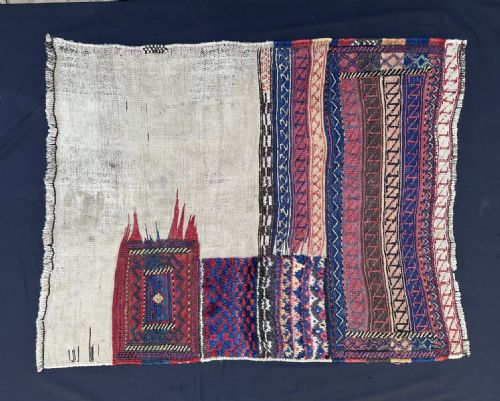
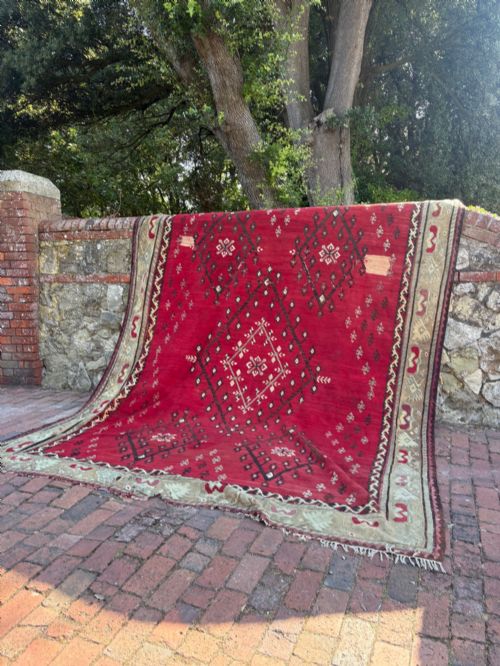
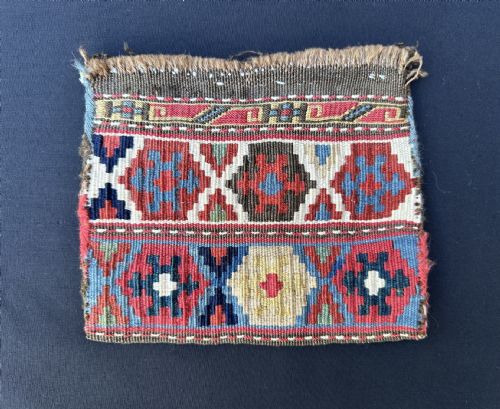
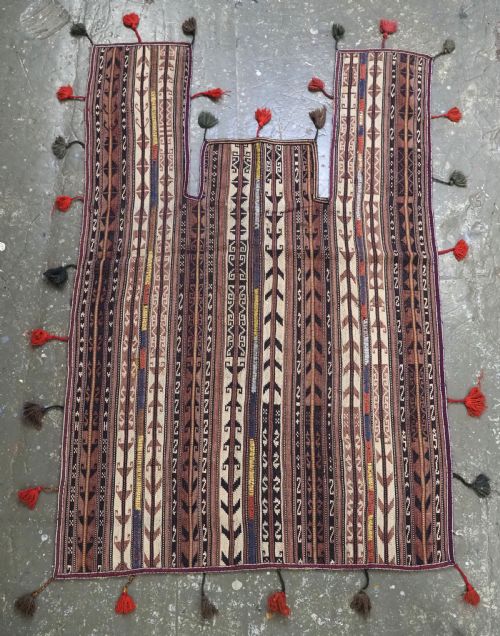
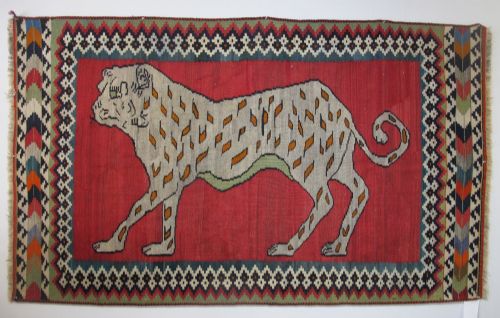
A vintage flatweave rug encompasses a wide variety of utilitarian and decorative textiles, including kilims, sofres, salt-bags, and horse blankets created by tribal groups. These items range from room-size carpets down to small cushions and covers, reflecting the diverse domestic needs of their makers.
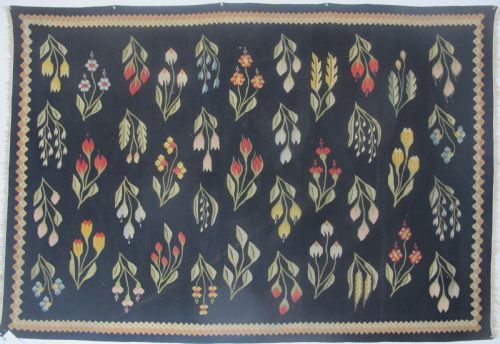
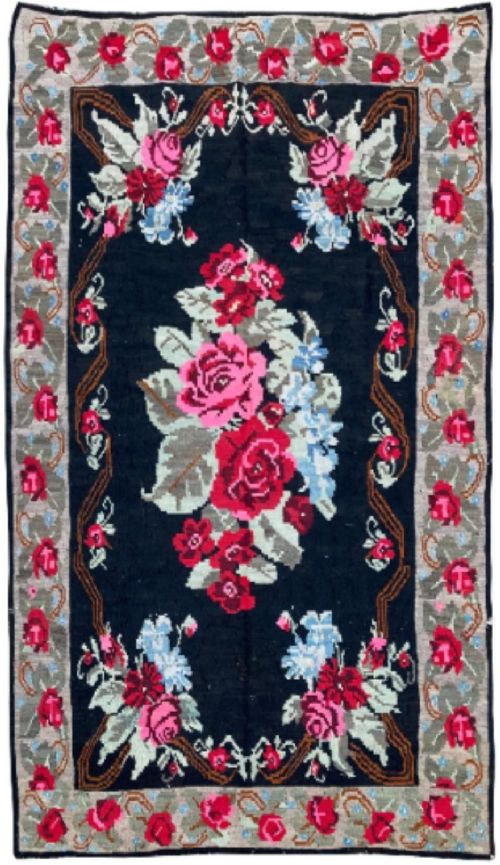
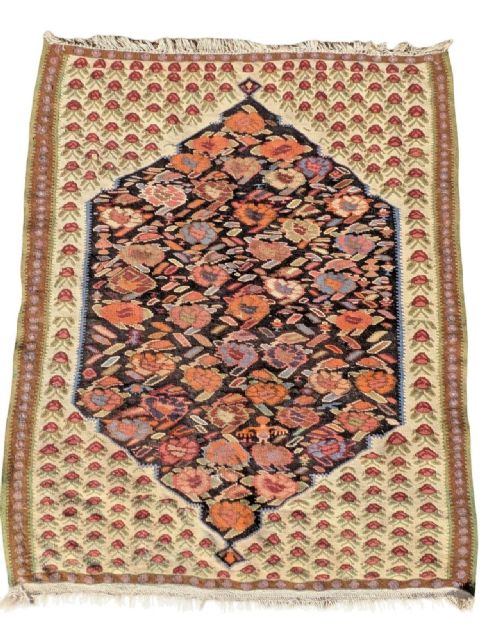
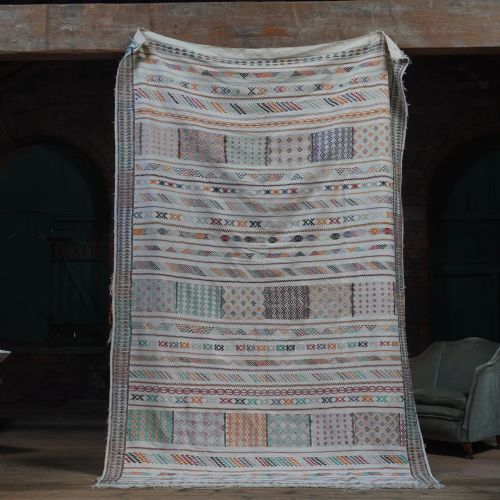
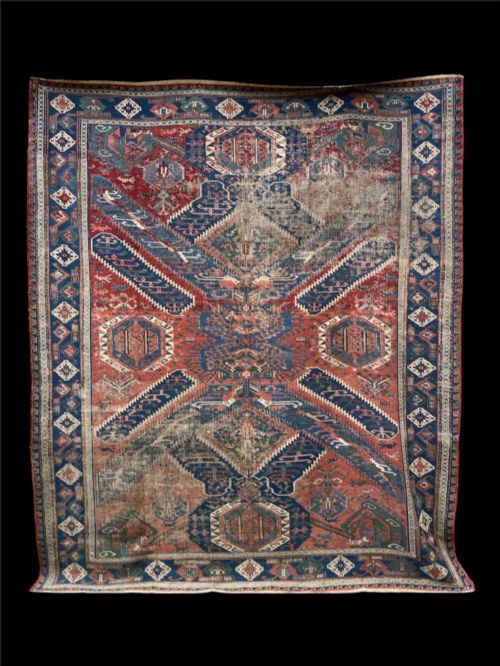
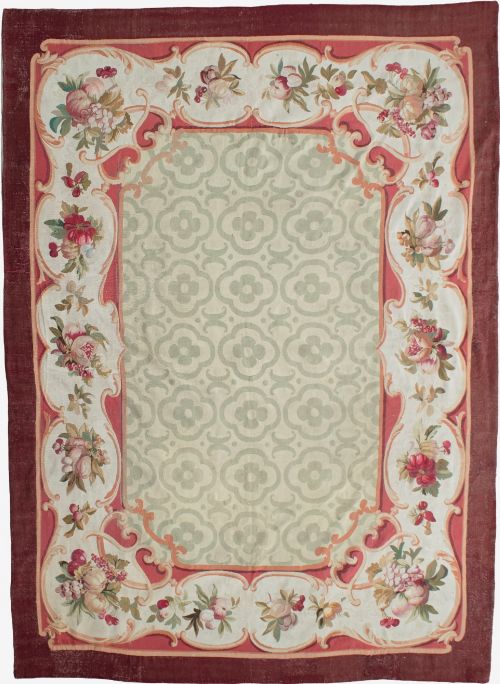
The selections available span from the late nineteenth century through to the interwar period, drawing on distinct regional traditions such as Qashqai, Shahsevan, Turkmen, and Anatolian tribal weaving. Buyers will frequently encounter geometric village runners and banded flatweaves alongside floral European tapestry works.
Rather than standard factory floor coverings, these pieces functioned as bread spreads, animal trappings, and household containers before entering the decorative market. Each format carries the specific structural methods of its originating tribe or region.
Factors that define quality
Quality rests upon the tightness of the weave, the fineness of the yarn preparation, and the stability of the structural foundations. Tighter knotting and denser flatweaving result in sturdier textiles that hold their geometric clarity and edge integrity over generations.
The depth and harmony of the colour palette also determine distinction, particularly where natural dyes have mellowed evenly across wool or silk elements. Secondary repairs and timeworn alterations alter the original state, shifting the balance between utility and preservation.
Current listings span periods from the 1850s to the 1940s, showcasing wool, cotton, and natural dyes across Anatolian, Persian, and Caucasian tribal forms.
The Vintage Flatweave Rug Glossary
- Kilim
- A pileless textile produced by tightly interweaving warp and weft strands to create a flat surface. These pieces often feature sharp geometric patterns.
- Sofreh
- A spread or cloth traditionally used for kneading dough, sharing meals, or serving bread within nomadic households. They frequently display minimalist tribal layouts.
- Sumak
- A wrapping technique where extra weft threads are looped around the warp yarns to create a textured, durable face resembling embroidery. It yields a heavier structure than standard flatweaving.
- Mafrash
- A large storage bag or side panel used for bedding and household possessions during tribal migrations. They are typically woven in distinct banded designs.
- Warp
- The stationary vertical threads stretched across a loom that form the foundational skeleton of the textile. All weft yarns pass over and under these structural lines.
Vintage Flatweave Rug: Frequently Asked Questions
How were flatweave rugs used originally?
Nomadic communities utilised these textiles for practical daily functions such as floor coverings, bedding storage, dining spreads, and animal trappings. They served as durable household equipment adapted to migration.
Over time, many utility items transitioned into decorative interior furnishings while retaining their distinct regional patterns and utilitarian shapes.
Where do these vintage flatweaves originate?
The listings draw primarily from Persia, Anatolia, the Caucasus, Central Asia, and parts of Eastern Europe including Romania and Ukraine. Each geographic zone developed specific tribal motifs and weaving techniques.
Specific groups such as the Qashqai, Shahsevan, and Turkmen applied localized colour choices and structural methods that identify their geographic source.
What materials are found in these textiles?
Wool forms the primary fibre, often hand-spun and dyed using natural colour sources on cotton foundations. Some specialised pieces incorporate camel wool, canvas, or plant-derived cactus silk.
The combination of these organic materials contributes to the soft patination and flexibility characteristic of older flatweaves.
How do you care for an older flatweave rug?
Gentle vacuuming without a rotating brush helps remove dust while protecting the flat structure of the weave. Professional textile cleaning suited to antique woolens is recommended for deeper maintenance.
Keeping the piece out of direct, harsh sunlight preserves the natural dyes and prevents uneven fading across the surface.