


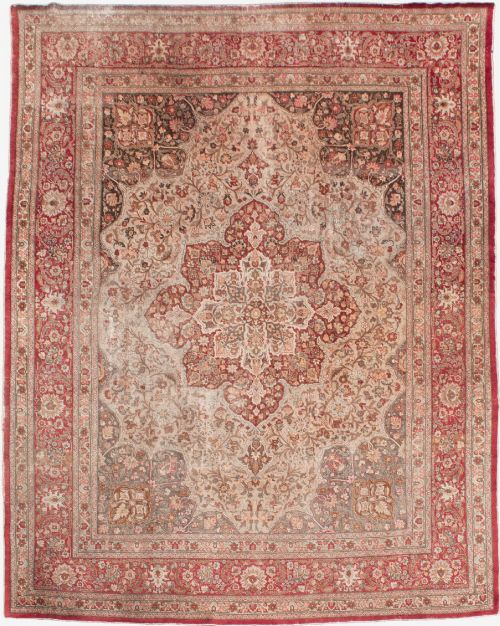
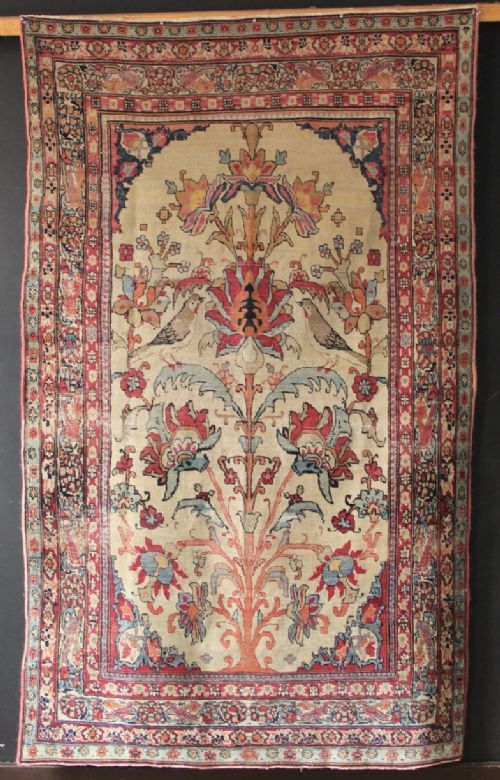
Red Floral Area Rug
A red floral area rug brings warmth and traditional pattern into a room, drawing on Persian, Ottoman, and French Rococo traditions.
Red Floral Area Rug
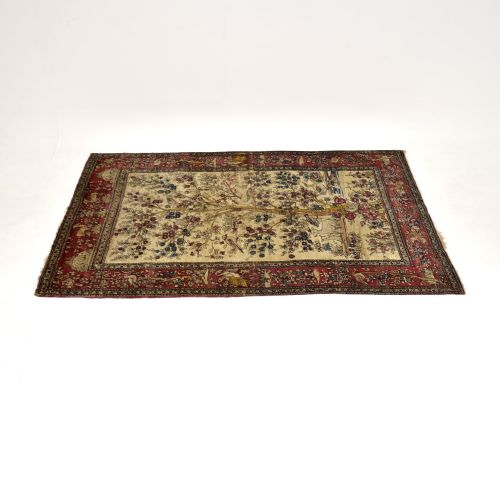
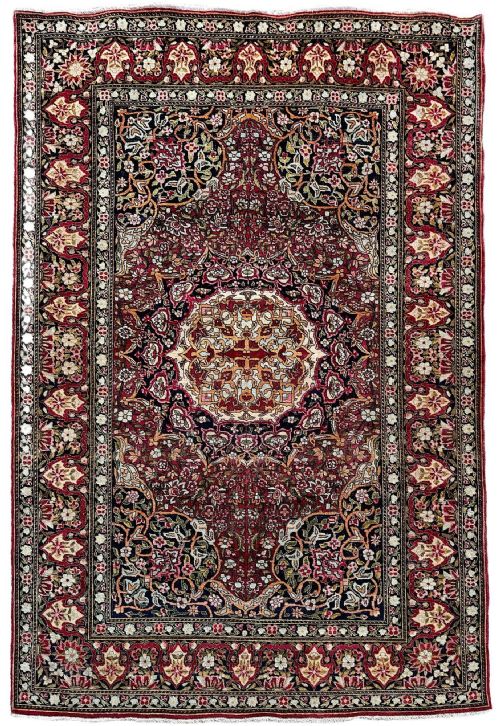
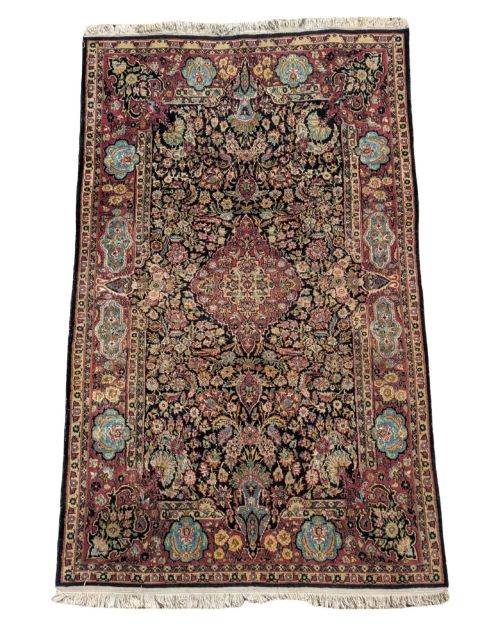
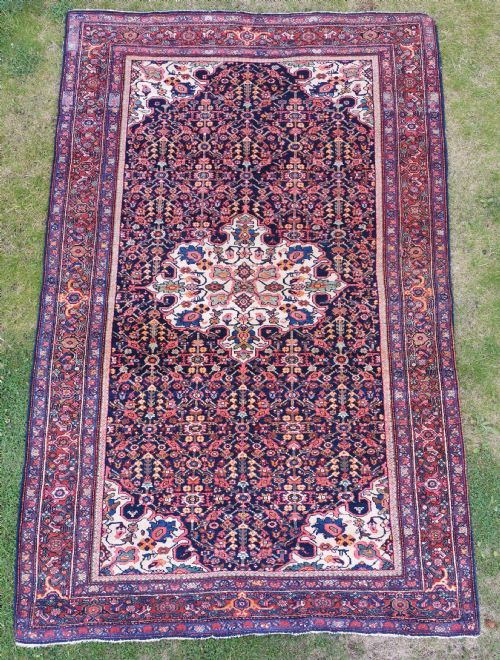
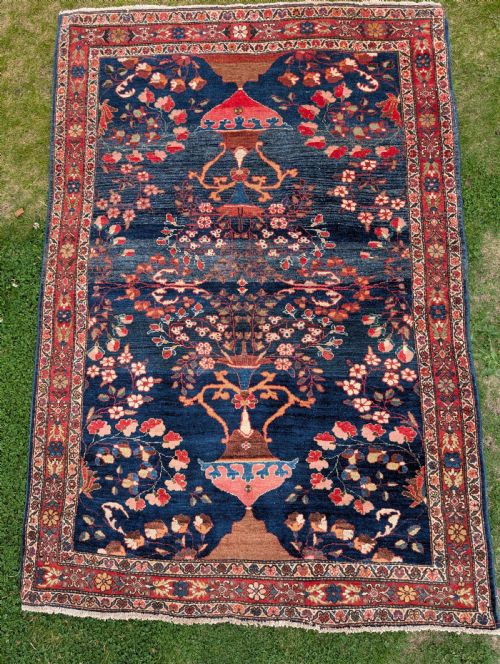
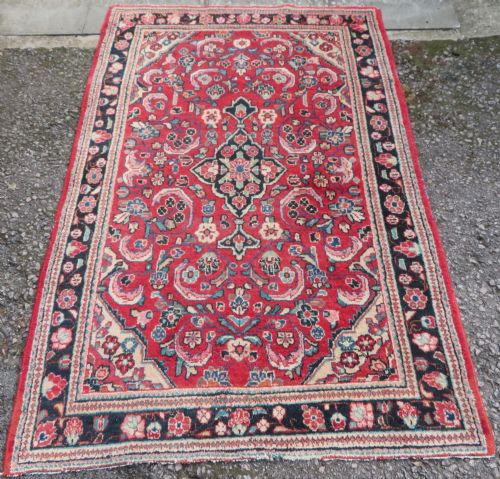
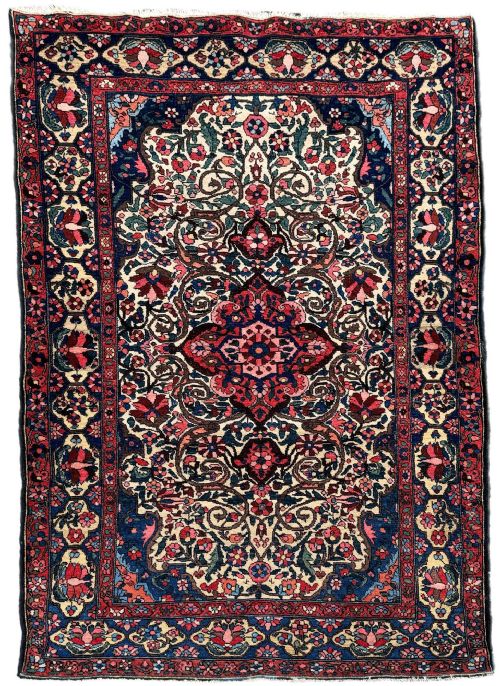
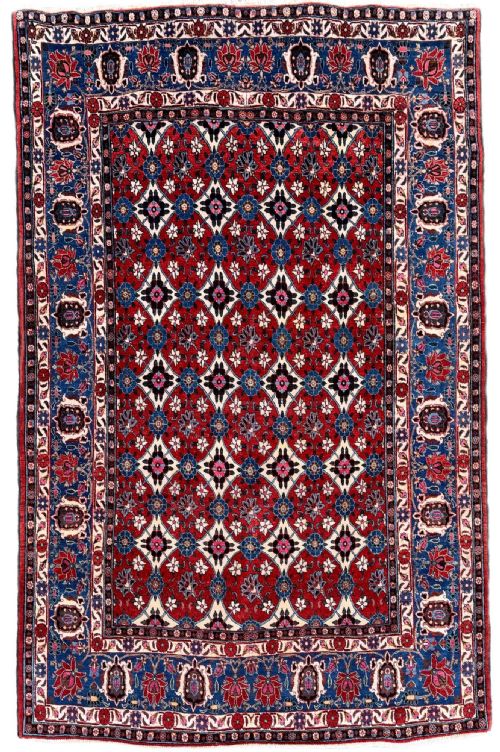
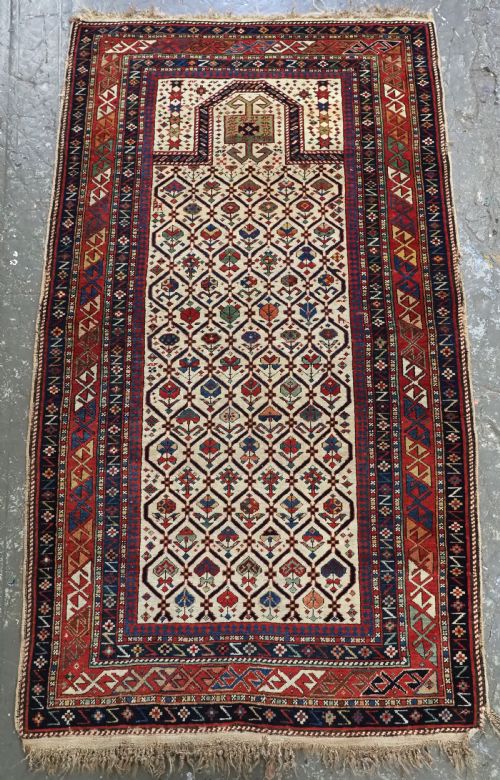
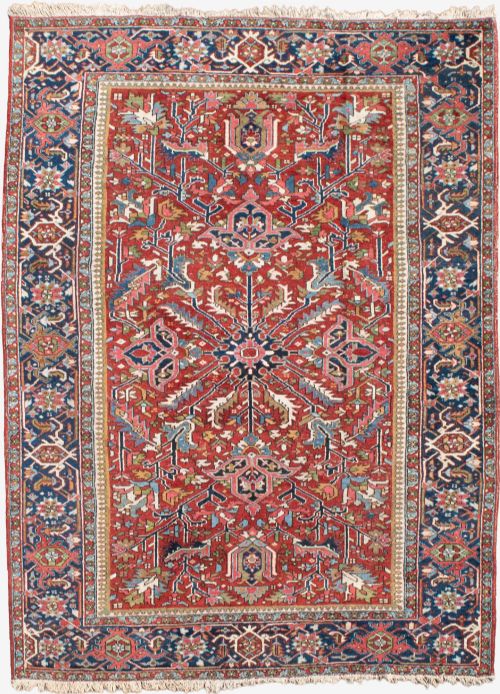
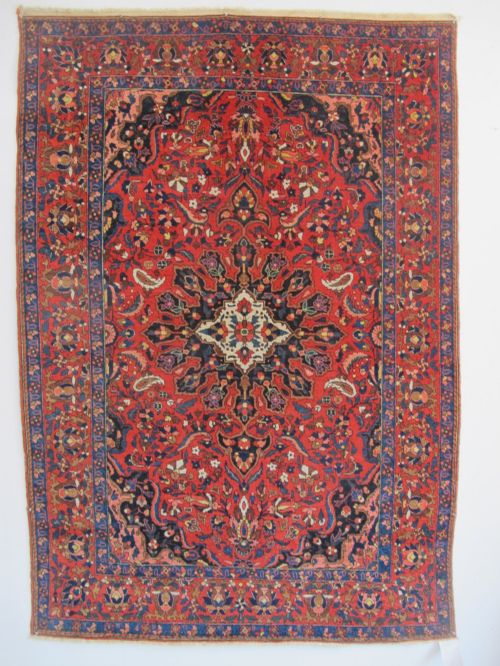
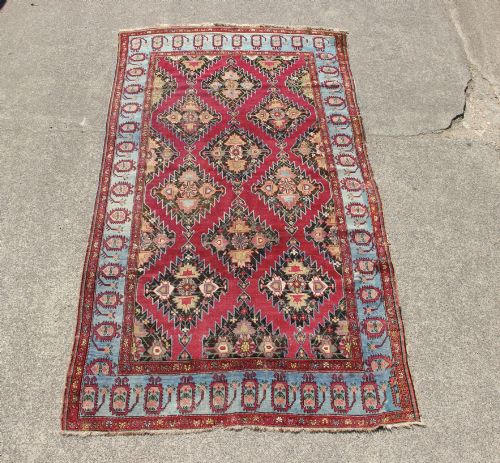
A red floral area rug encompasses large carpets and smaller rugs produced across diverse regions and periods, spanning the nineteenth century through the mid-twentieth century. These floor coverings function as practical textile furnishings while displaying elaborate botanical and floral motifs rooted in historical design traditions.
Buyers encountering this selection will most frequently find hand-knotted and woven pieces originating from traditional weaving centres such as Ushak, Kirman, Isfahan, Sarouk, and Hamadan, alongside European interpretations like Aubusson. Each regional grouping brings distinct knotting structures, colour palettes, and floral compositions to the domestic interior.
How They Were Made
These textiles utilise natural fibres, primarily combining wool pile with cotton foundations to ensure durability and structural stability. Weavers knotted or flat-wove these materials by hand, executing complex floral patterns that required precise placement of dyed yarns across the expanse of the carpet.
The dying and preparation of these organic materials relied on traditional methods to achieve the deep red tones and contrasting floral hues characteristic of Persian, Ottoman, and French Rococo styles. Artisans built up dense pile surfaces or flat-woven structures depending on the specific regional tradition and intended function of the rug.
Red Floral Area Rug Retail Price Guide 2026
Typical asking prices for red floral area rug among the pieces listed under this phrase on Sellingantiques today, from the lower quarter to the upper quarter. They describe what is for sale here now, not the wider market.
Recorded styles encompass Persian Traditional, Ottoman, and French Rococo aesthetic traditions.
What Varies in Quality
Quality in these rugs reveals itself through the fineness of the weave and the precision with which the floral motifs are rendered across the wool surface. Tightly packed knots and clear delineation of botanical details distinguish superior examples from simpler village or workshop productions.
The harmony and depth of the natural dyes used for the red grounds and floral accents further determine the aesthetic standing of a piece. Finer carpets demonstrate greater complexity in their compositional layout and a more refined balance between the central medallion or field and the surrounding borders.
The Red Floral Area Rug Glossary
- Pile
- The upright yarn loops that form the tactile surface of a rug. In traditional hand-knotted pieces, this is typically made from sheep wool.
- Medallion
- A central ornamental design motif placed in the middle of the rug field. It often takes a symmetrical floral or geometric form.
- Warp
- The vertical foundation threads stretched tightly on the loom before knotting begins. Cotton is frequently utilised for this structural element.
- Weft
- The horizontal threads passed across the warp strands to lock the knots in place. This contributes to the overall firmness of the textile.
Red Floral Area Rug: Frequently Asked Questions
How do I clean a wool rug?
Regular gentle vacuuming without a beater bar removes surface dust trapped within the wool pile. Professional specialist cleaning remains essential for deep maintenance to protect the natural fibres and dyes.
Water exposure and harsh chemical detergents should be avoided to prevent dye bleeding or fibre degradation. Professional conservators understand how to handle antique textiles safely.
Where were these carpets made?
Production centres span traditional weaving regions in the Middle East, including towns and workshops in Persia and the Ottoman Empire. European centres such as France also contributed distinct decorative styles.
Each region developed specific knotting techniques, colour combinations, and floral design vocabularies. These local traditions define the geographic origin of individual pieces.
Are these rugs suitable for daily use?
Wool and cotton construction provides natural resilience for placement in domestic settings. Regular foot traffic can be accommodated by sturdier room-sized carpets.
Placing an appropriate underlay beneath the rug helps prevent sliding and reduces friction against the floorboards. This simple measure protects the structural foundation over time.
How do I identify the style?
Stylistic attribution relies on examining the specific floral arrangements, border motifs, and overall colour schemes. Persian and Ottoman designs often feature intricate vines and palmettes.
French Rococo examples display characteristic scrolling acanthus leaves and pastel floral garlands. Comparing these elements with established regional corpora clarifies the design pedigree.