



West Anatolian Rug
A west anatolian rug brings centuries of Turkish weaving tradition into a room, offering rich village patterns and soft wool underfoot.
West Anatolian Rug
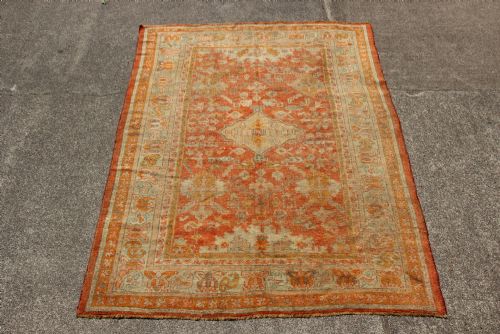
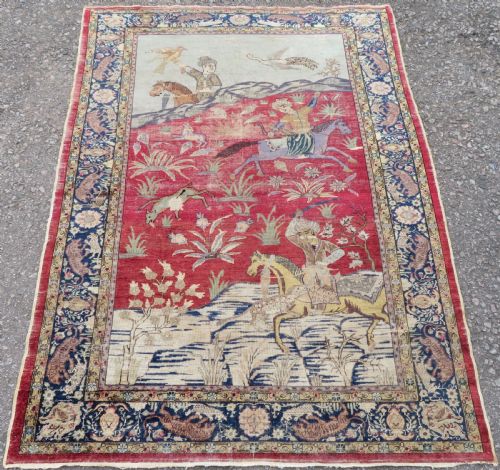
A west anatolian rug represents the historic carpet-weaving output of western Turkey, encompassing regions such as Oushak, Bergama, Ghiordes, Kula, Milas, and Panderma. When you examine this selection, you encounter pieces that span from the turn of the nineteenth century through the early decades of the twentieth century.
The format varies between larger carpets and smaller area or village prayer rugs. Village prayer rugs frequently display architectural mihrab niches, while carpets tend towards expansive field designs and classic border patterns.
These floor coverings emerge from distinct regional traditions within Anatolia, carrying Ottoman stylistic influences mixed with tribal motifs. Buyers most commonly meet pieces styled as traditional Anatolian, Ottoman, or specific village types.
Materials and Techniques
Weavers utilised natural materials, relying primarily on wool, hand-spun wool, cotton, angora wool, and occasionally silk. Foundations often combine wool and cotton yarns to provide structure for the pile.
Dyes derived from natural sources yielded the soft colours and rich tones characteristic of these carpets. Hand-knotting techniques secured the pile to the warp and weft threads, creating durable textiles designed for daily use.
West Anatolian Rug Retail Price Guide 2026
Typical asking prices for west anatolian rug among the pieces listed under this phrase on Sellingantiques today, from the lower quarter to the upper quarter. They describe what is for sale here now, not the wider market.
The listings show pieces dated across the nineteenth and early twentieth centuries, featuring wool, cotton, and silk.
Judging Quality
Quality rests upon the fineness of the knotting, the integrity of the foundation materials, and the stability of the dyes. Tighter knots allow for crisper graphic execution in complex geometric and floral borders.
The choice of fibre influences the handle and sheen of the pile, with hand-spun wool and silk yielding different tactile qualities. Well-preserved pieces retain balanced pile depth and clear secondary motifs without extensive structural rebuilding.
The West Anatolian Rug Glossary
- Mihrab
- The arched niche design found on prayer rugs, symbolising a doorway or prayer direction. Weavers often position this architectural motif at one end of the field.
- Warp
- The vertical foundation threads stretched tightly on the loom before knotting begins. Weft threads pass across these to lock the rows of knots in place.
- Pile
- The dense surface of cut wool or silk loops that stands upright from the woven foundation. This layer forms the visible pattern and cushions footsteps.
- Oushak
- A major weaving centre in western Turkey known for large-scale carpets and distinctive floral designs. These pieces often feature soft palettes and generous proportions.
West Anatolian Rug: Frequently Asked Questions
How do I clean an antique rug?
Gentle surface brushing and professional specialist washing preserve the delicate natural fibres.
Avoid harsh chemical treatments that strip the historic wool and alter the soft dyes.
Where were these woven?
Village workshops and domestic looms across the western regions of Turkey produced these textiles.
Specific towns such as Bergama, Ghiordes, and Milas developed distinct local aesthetic traditions.
Can I use these on the floor?
Standard placement includes low-traffic living areas and bedrooms where footfall remains moderate.
Using a quality underlay prevents slipping and cushions the historic foundation against hard floors.
How do I spot a prayer rug?
Prayer rugs feature a distinctive pointed arch or mihrab design at one end of the field.
This architectural motif directs the placement of the rug during daily devotional practices.