

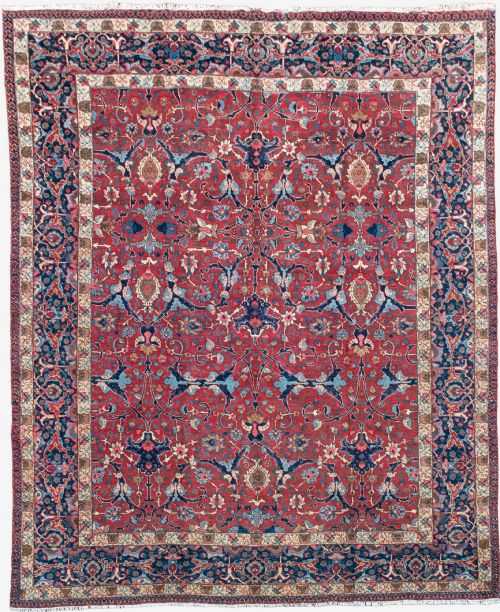
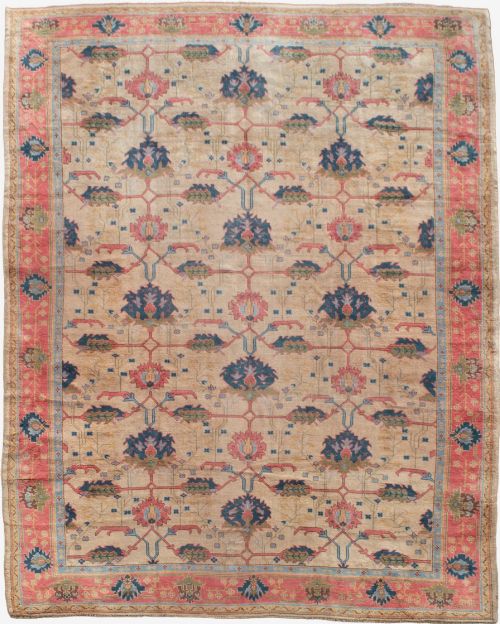
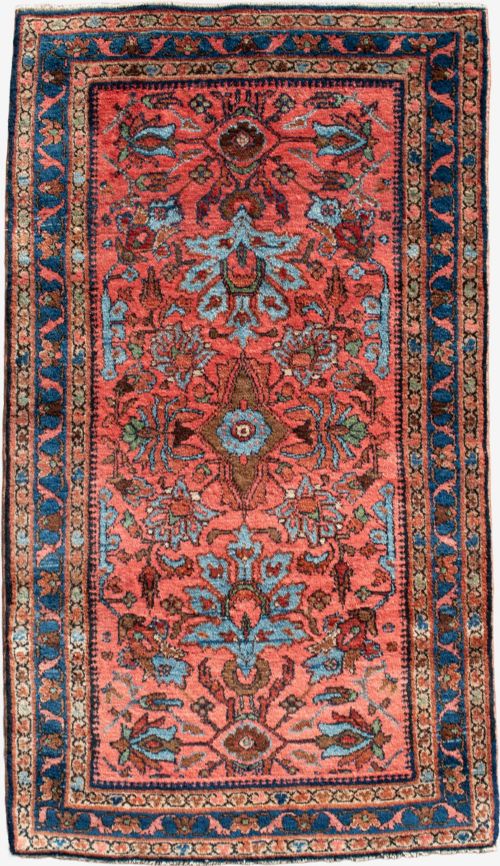
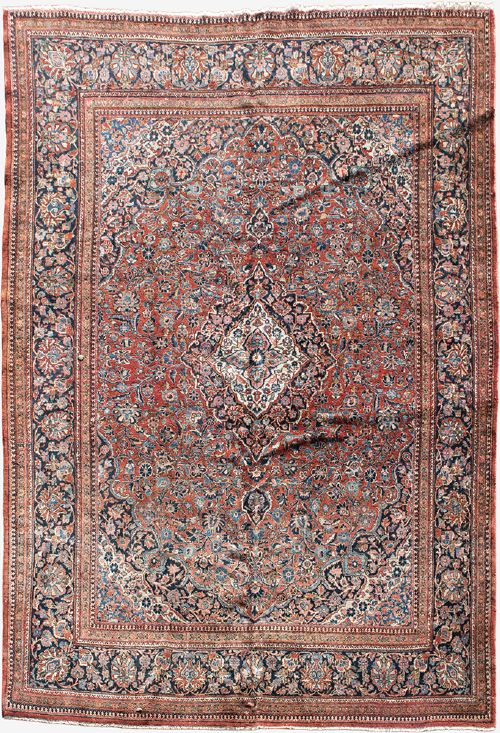
Wool Area Carpet
These wool area carpet selections bring enduring tribal and traditional patterns into domestic spaces, offering warmth and texture underfoot.
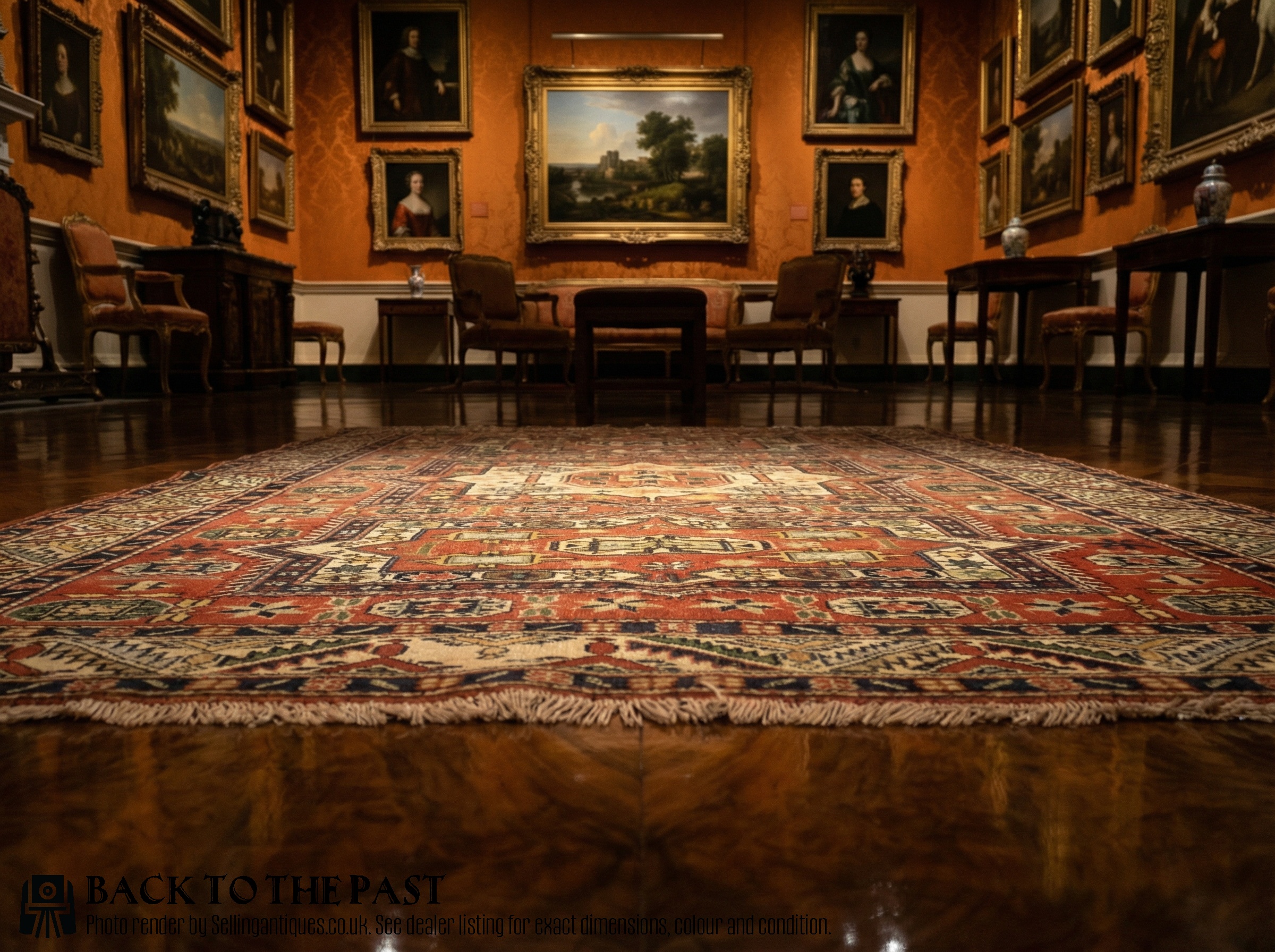
Wool Area Carpet
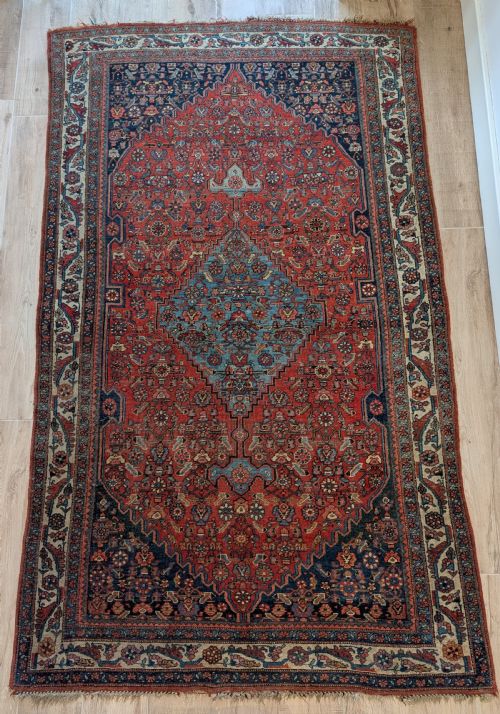
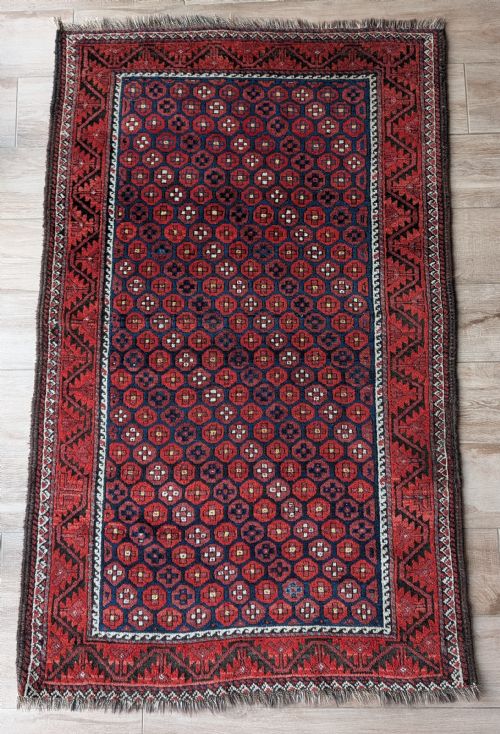
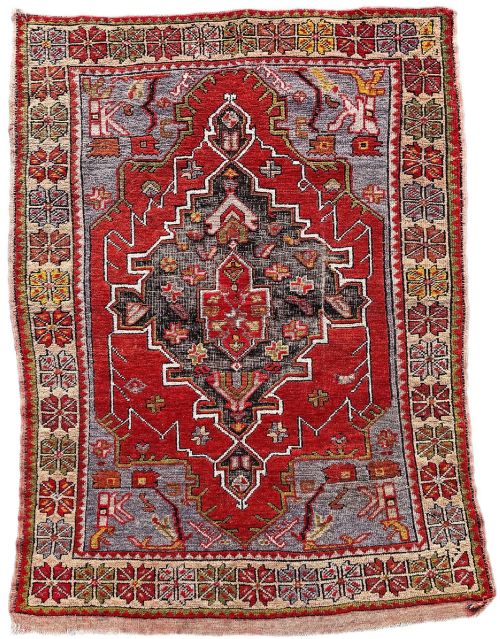
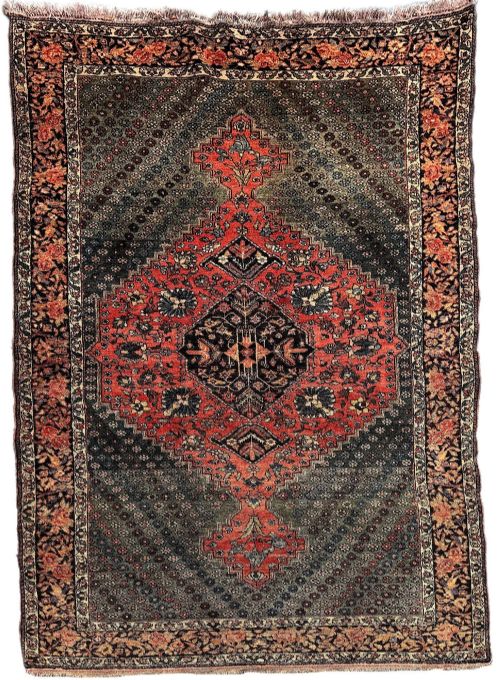
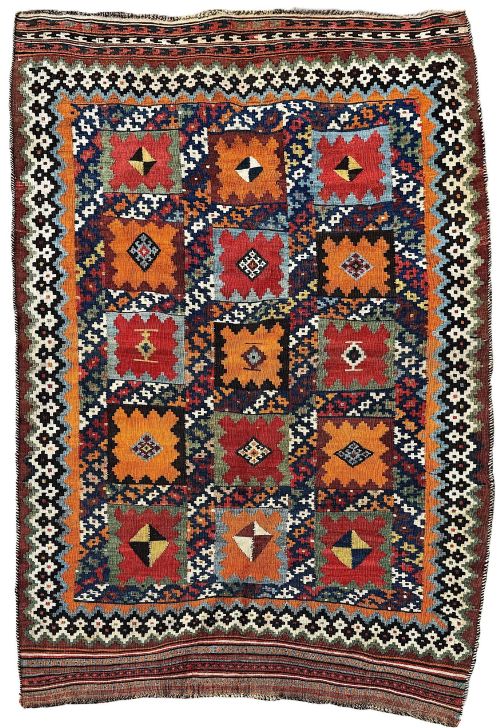
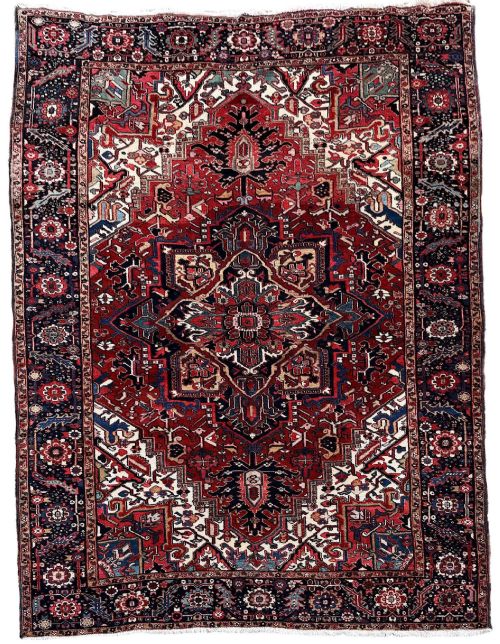
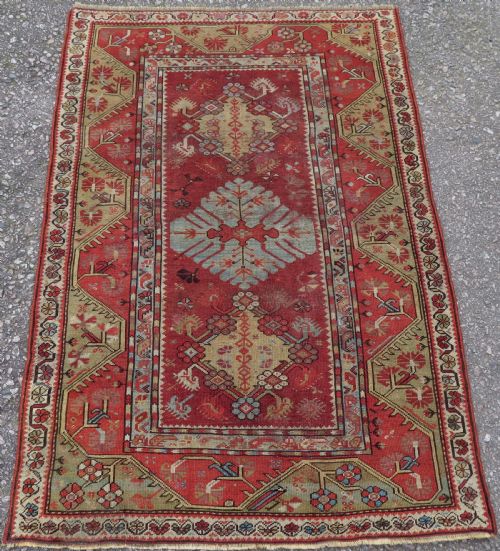
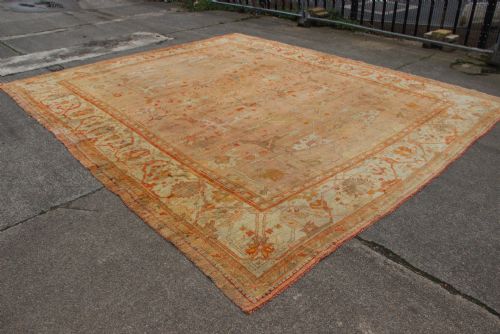
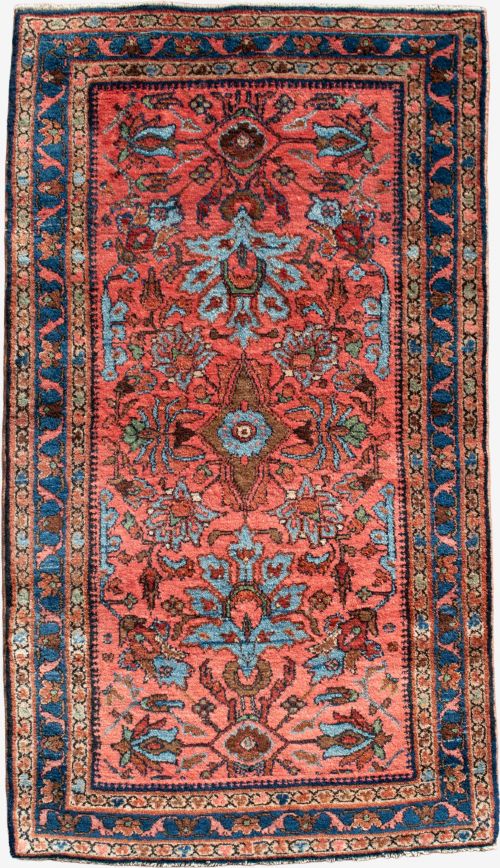
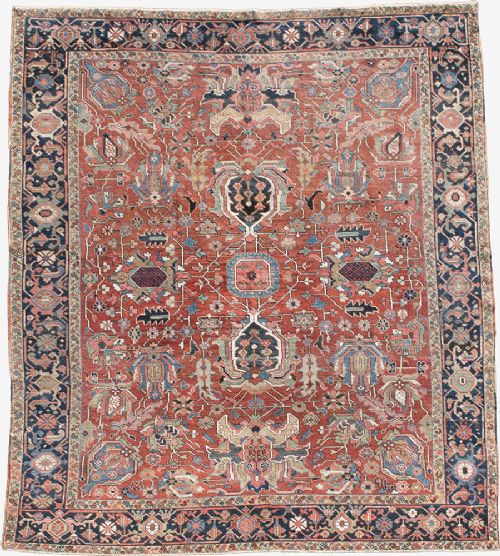
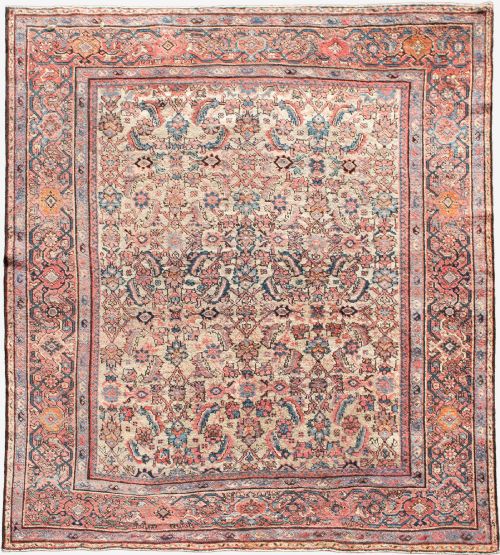
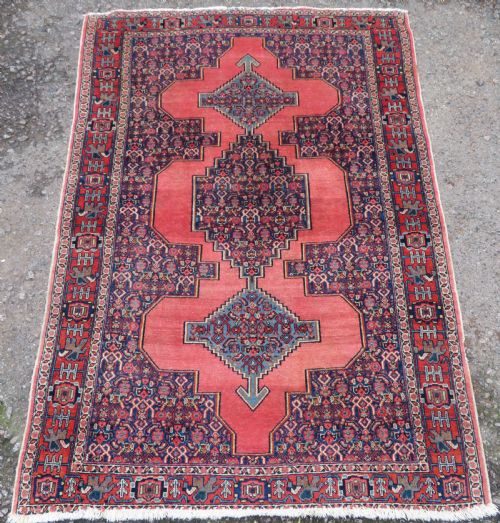
A wool area carpet encompasses floor coverings originating from Persian, Caucasian, Turkmen, and Tibetan traditions. Buyers seeking these items encounter formats ranging from large carpets to smaller prayer rugs and runners.
The selections span production periods from the nineteenth century through the early decades of the twentieth century. Traditional Persian and regional tribal workshops dominate the aesthetic varieties found across these listings.
Materials and Construction
Makers utilised wool, cotton, and silk, often incorporating hand-spun wool alongside natural dyes to create durable pile surfaces. Cotton frequently serves as the foundation warp and weft structure for stability in larger carpet formats.
Weaving techniques rely on traditional hand-knotting and flat-weaving methods characteristic of specific regional workshops and nomadic tribes. Natural dye sources provide the foundation for the characteristic colour palettes observed in the surviving pieces.
Wool Area Carpet Retail Price Guide 2026
Typical asking prices for wool area carpet among the pieces listed under this phrase on Sellingantiques today, from the lower quarter to the upper quarter. They describe what is for sale here now, not the wider market.
Production dates span from the nineteenth century through the 1930s, encompassing various Persian, Caucasian, and Tibetan styles.
Evaluating Quality and Execution
Knot density and the precision of the woven design dictate the structural integrity of an individual piece. Finer knotting permits more intricate curvilinear or geometric precision in the executed pattern.
The purity of the materials, particularly the use of hand-spun wool and stable natural dyes, separates standard utility items from exceptional workshop productions. Age-related wear remains secondary to the original integrity of the foundation and pile.
The Wool Area Carpet Glossary
- Prayer Rug
- A small format rug featuring a mihrab or arch design, traditionally used for individual daily prayers. These pieces often display specific directional motifs orientated towards a holy site.
- Kilim
- A flat-woven carpet or rug produced without a pile by tightly interweaving warp and weft strands. This technique results in a lightweight, reversible textile with sharp geometric patterns.
- Mihrab
- The arched niche design depicted on prayer rugs, symbolising a doorway or sanctuary. Its orientation directs the user during ritual placement.
- Warp
- The stationary lengthwise threads stretched tightly on a loom before weaving begins. The pile knots are tied around these foundational threads.
- Weft
- The horizontal threads passed alternately over and under the warp threads to bind the knots in place. They are beaten down firmly after each row of knots is completed.
Wool Area Carpet: Frequently Asked Questions
How do I clean a wool area carpet?
Regular gentle vacuuming without a rotating power brush helps remove embedded dust from the wool pile. Professional specialist cleaning is recommended for deep maintenance to protect natural dyes.
Avoid excessive moisture and harsh chemical detergents during any spot treatment. Proper air drying prevents fibre degradation and protects the underlying cotton foundation.
Where were these carpets traditionally made?
Production centres span across Persia, the Caucasus, Turkmenistan, Afghanistan, and Tibet. Each region developed distinct tribal or workshop aesthetics reflecting local cultural traditions.
Weavers utilised locally sourced materials such as sheep wool and plant-based dyes. These geographic origins define the structural and visual characteristics of the surviving examples.
How can I tell a tribal rug from a city carpet?
Tribal rugs typically display bolder geometric motifs, asymmetric layouts, and thicker hand-spun wool. They were produced by nomadic or village weavers working from memory rather than formal paper cartoons.
City carpets feature finer, highly symmetrical curvilinear floral designs created in established urban workshops. The knot density and precision of line are usually much higher in these formal workshop pieces.
Can I place these carpets in high traffic areas?
Traditional wool area carpets possess natural durability due to the resilience of animal fibres and tight knotting. Hallways, living rooms, and dining spaces accommodate these textiles effectively when paired with a quality underlay.
The underlay prevents slipping and reduces friction between the foundation and the floorboards. Rotating the rug periodically ensures even exposure to foot traffic and sunlight.