
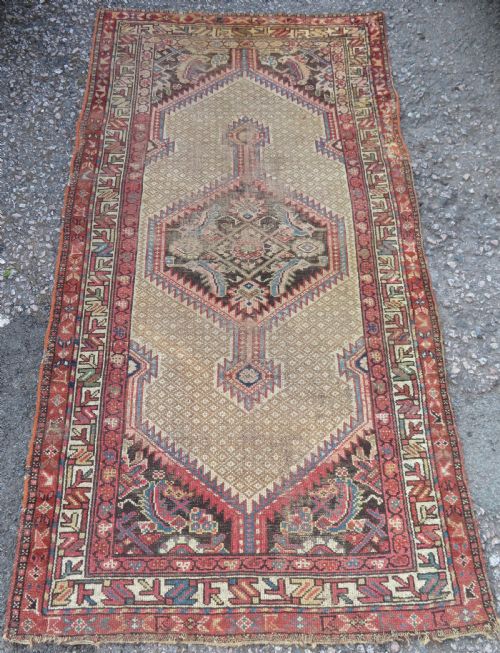
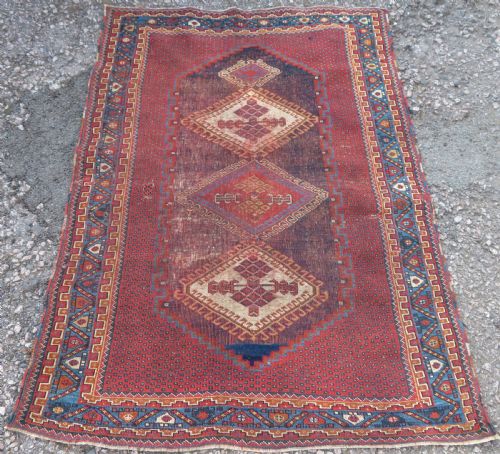
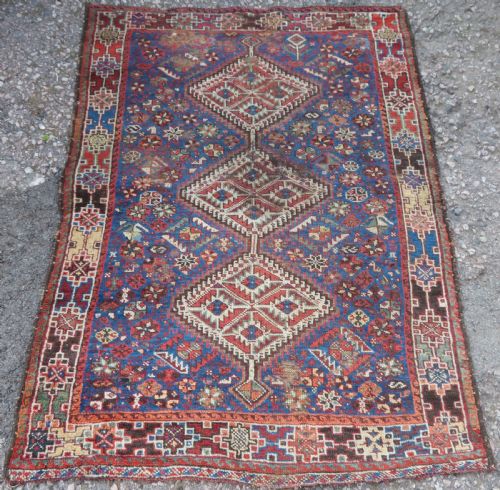
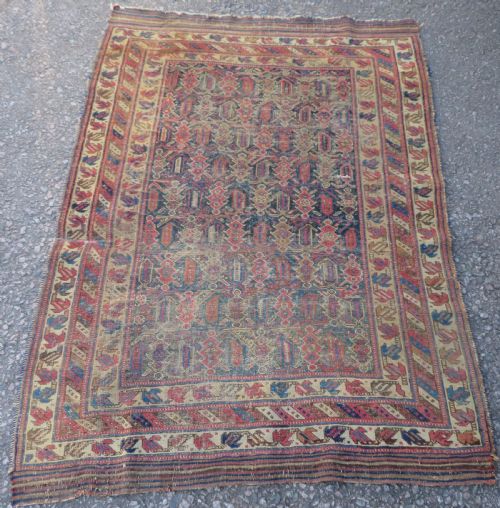
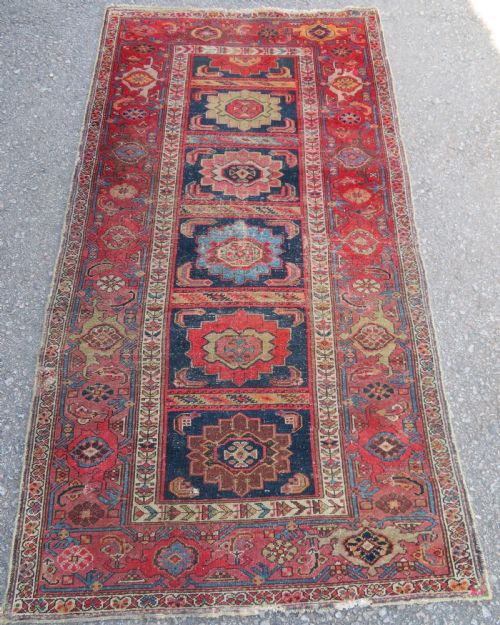
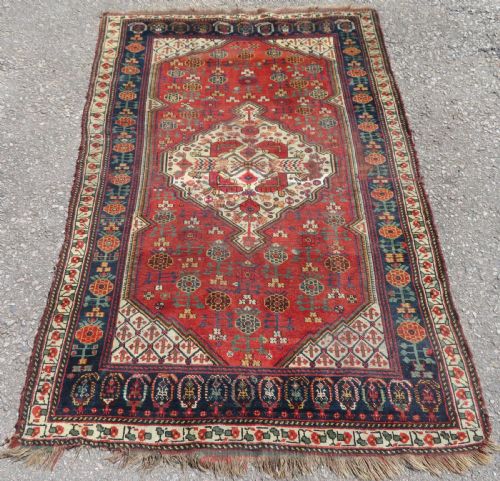
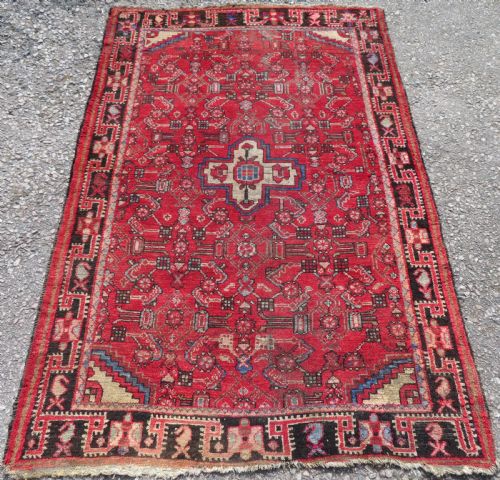
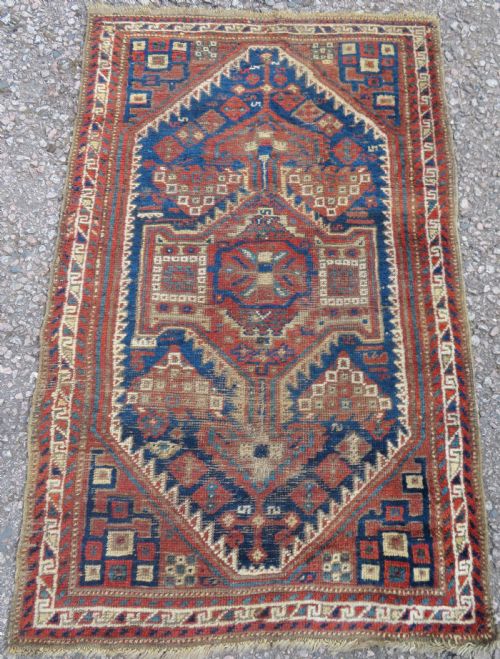
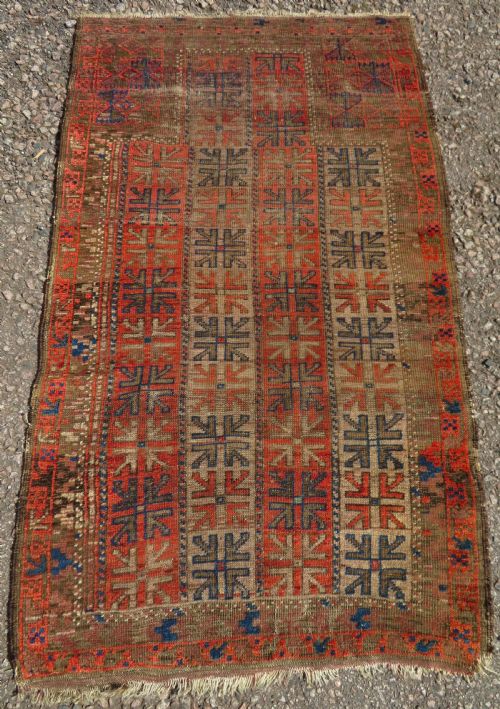

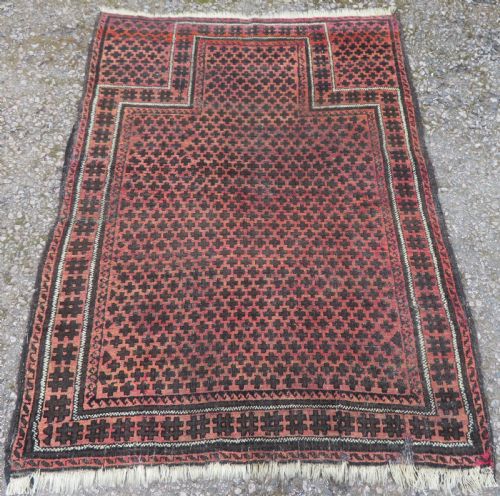
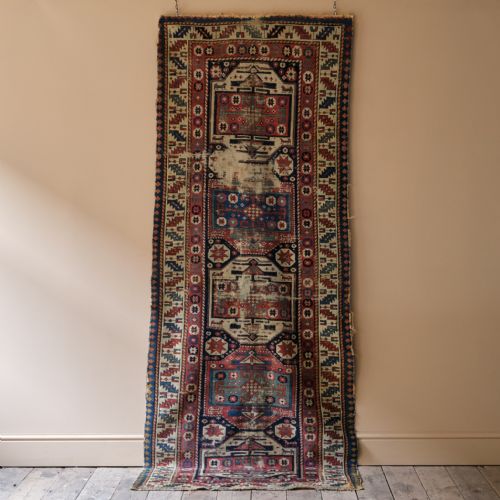
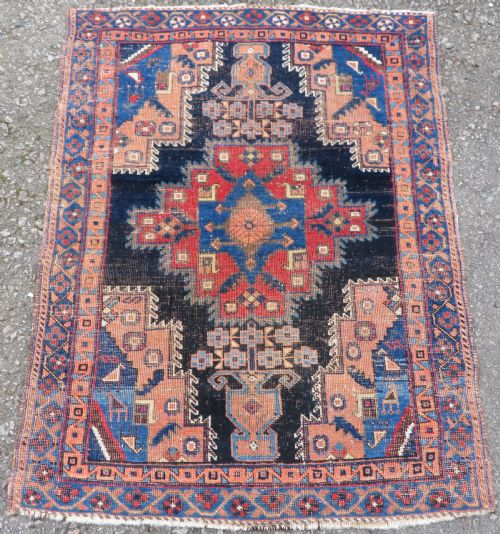


Distressed Persian Rug
A distressed persian rug brings faded elegance and worn charm to a room, offering rich historical character underfoot.
Distressed Persian Rug
A distressed persian rug brings centuries of weaving heritage into contemporary spaces through worn, faded surfaces. These floor coverings bridge traditional craftsmanship and relaxed interiors by embracing the patina of age.
The pieces on this page span the late nineteenth century to the early twentieth century. Examples include room-size carpets and smaller area rugs originating from specific weaving centres.
Buyers most frequently encounter tribal and traditional Persian styles from this era. Hamadan, Afshar, Meshed, and Kirman rugs dominate the selection, each displaying distinct regional patterns and colour palettes.
How they were made
Weavers constructed these carpets using natural wool and cotton foundations. Wool provides the soft pile and durable surface, while cotton often forms the underlying warp and weft threads.
Traditional hand-knotting techniques created dense, resilient textiles capable of enduring generations of use. Vegetable and natural dyes yielded rich tones that soften gracefully over decades of wear and sunlight.
Distressed Persian Rug Retail Price Guide 2026
Typical asking prices for distressed persian rug among the pieces listed under this phrase on Sellingantiques today, from the lower quarter to the upper quarter. They describe what is for sale here now, not the wider market.
These rugs have spent over a century absorbing footsteps, tea spills, and centuries of quiet domestic gossip.
What varies in quality
Quality rests in the fineness of the knotting and the complexity of the regional design. Finer foundations allow for crisper geometric or floral motifs that remain legible beneath the softening effects of age.
The character of the wear distinguishes a superior example from a lesser one. Even fading and harmonious softening elevate a carpet, whereas uneven deterioration compromises the structural integrity of the weave.
The Distressed Persian Rug Glossary
- Pile
- The upright loops or cut ends of yarn that form the usable surface of a rug. Wool is the most common fibre used for this layer.
- Warp
- The vertical foundation threads stretched tightly on the loom before knotting begins. Cotton typically serves this purpose in these pieces.
- Weft
- The horizontal threads passed across the warp strands to lock the knots in place. This structure gives the textile its lateral stability.
- Hamadan
- A designation for rugs produced in and around a major West Iranian market town. These pieces often feature sturdy wool structures and bold geometric or medallion designs.
- Afshar
- A style originating from nomadic and village weavers in southern Iran. They frequently display tribal motifs, rich indigo tones, and distinct rectilinear patterns.
Distressed Persian Rug: Frequently Asked Questions
How do I clean an antique rug?
Gentle surface brushing and professional specialist cleaning preserve the fragile wool fibres and natural dyes. Avoid harsh chemical treatments and excessive water.
Regular light vacuuming without a rotating power brush prevents dust accumulation within the pile without pulling at the old knots.
Can I place these carpets in high traffic areas?
Sturdy wool construction allows these textiles to handle moderate foot movement in living rooms and studies. Placing a quality underlay beneath the piece reduces friction and prevents slipping.
Heavily worn vintage carpets benefit from placement in lower traffic zones to preserve their remaining pile and delicate cotton foundations.
How do I identify an Afshar rug?
Afshar pieces often display distinct tribal motifs, hooked medallions, and deep indigo or red backgrounds. The nomadic heritage shows in the spirited geometry of the borders.
These village rugs tend to be smaller in format compared to grand city carpets from workshops in Kirman or Meshed.
What makes a Kirman carpet different?
Kirman carpets originate from a major southeastern weaving centre known for elaborate floral compositions and refined artistry. These large formats often feature central medallions surrounded by intricate botanical scrolls.
The workshop tradition employs superior knot densities that accommodate complex curves and detailed pictorial elements.