



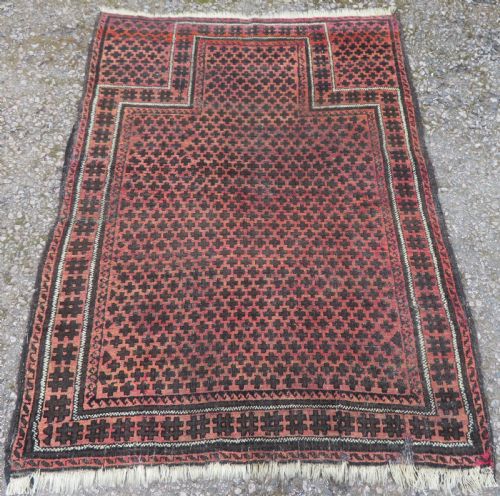
Distressed Wool Carpet
A distressed wool carpet brings historic texture into a room, offering worn pile and faded dye from nomadic and village workshops.
Distressed Wool Carpet
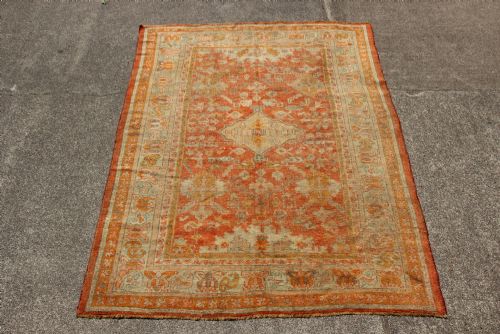
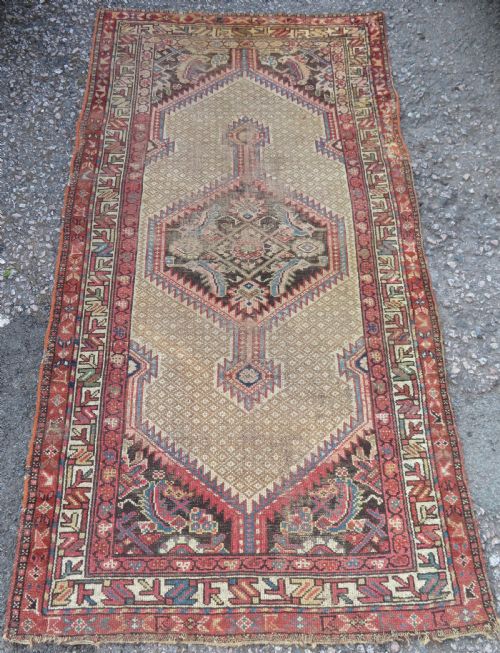
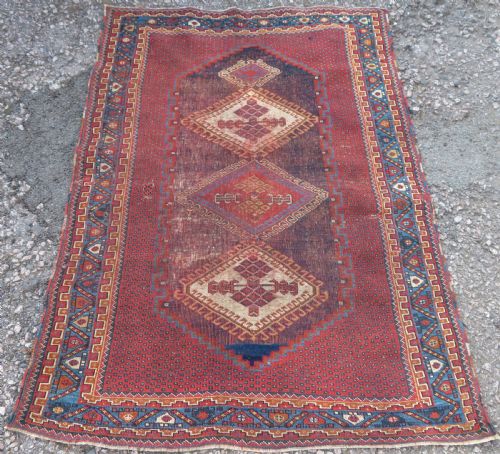
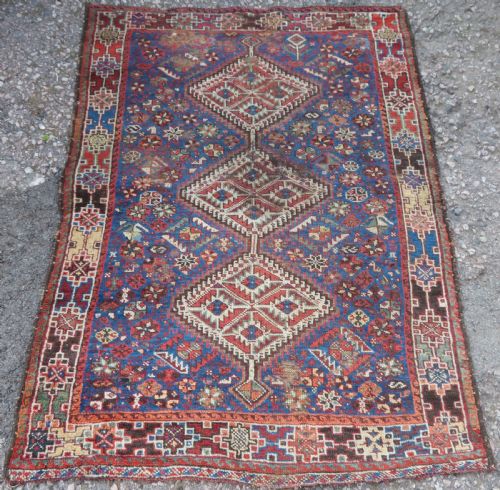
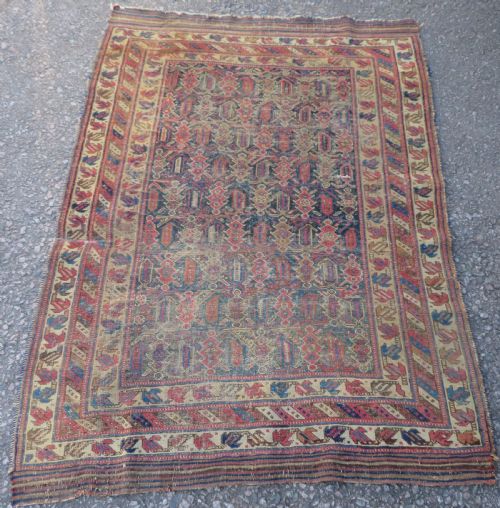
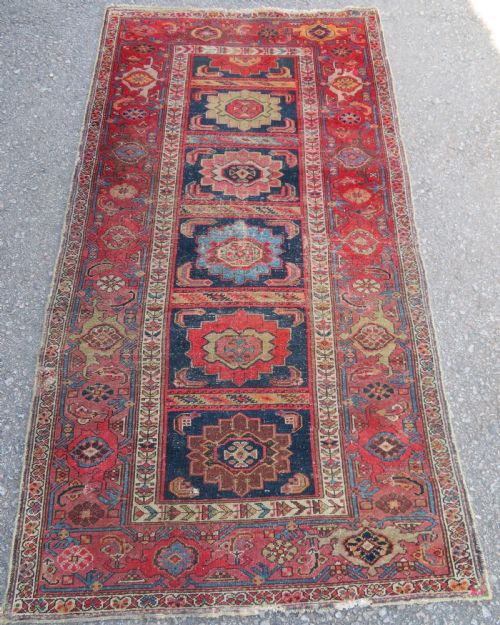
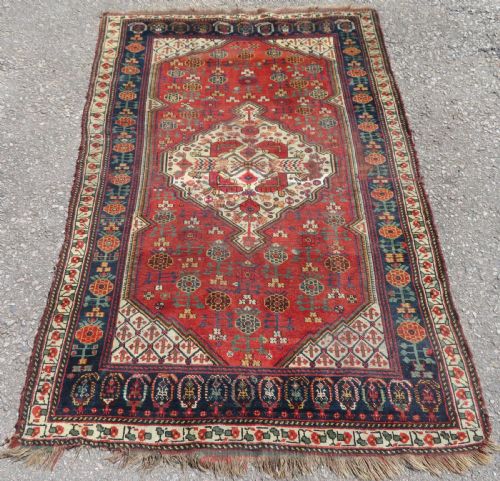
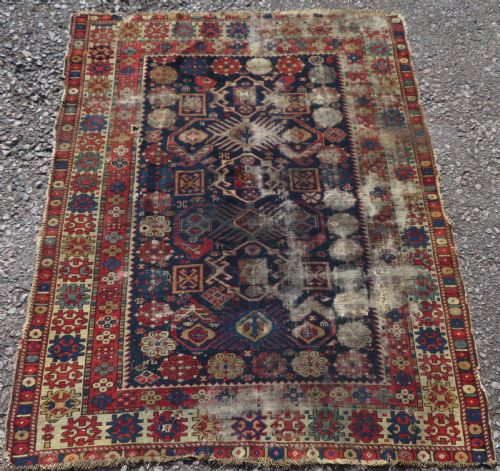
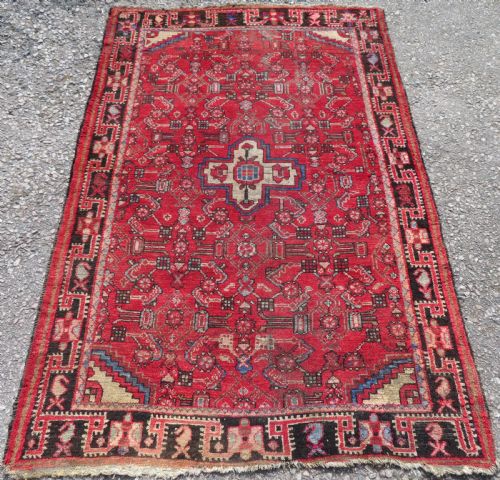
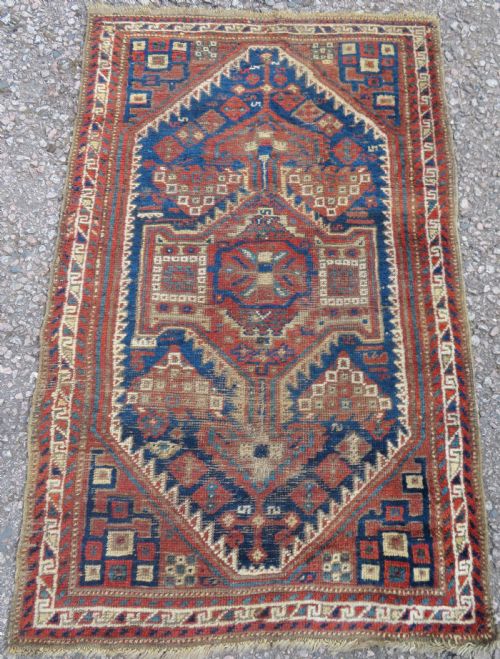
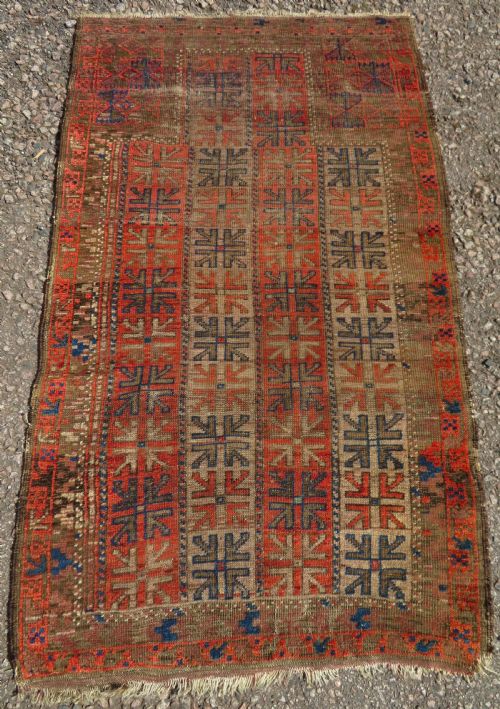
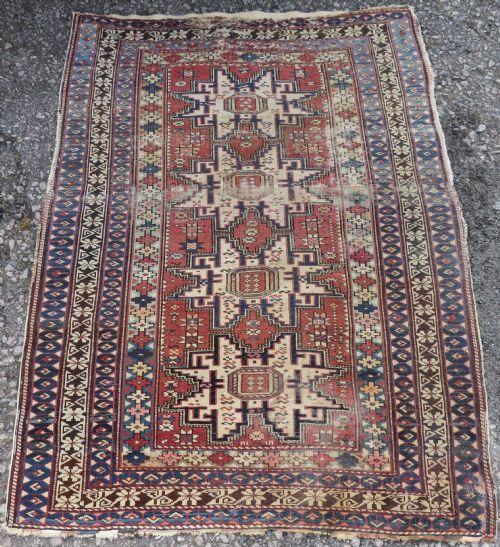
A distressed wool carpet bridges the gap between antique textile scholarship and interior decoration, often presenting as a room-sized floor covering or a smaller runner. When someone types distressed wool carpet into a search bar, they find floor coverings shaped by decades of friction, pedestrian traffic, and natural fading. The examples gathered here span from the late nineteenth century into the early decades of the twentieth century, originating primarily from Persian, Caucasian, and Anatolian weaving traditions.
The aesthetic is defined by an eroded pile that exposes the foundation yarns beneath, creating a softened palette and a tactile surface. Common regional types appearing in this selection include tribal Afshar, Khamseh, and Sarab pieces, alongside geometric Caucasian Kazak and Daghestan weaves. Buyers encounter everything from compact prayer rugs to expansive Oushak and Kirman carpets, each showing the distinct signs of age.
These floor coverings carry the design vocabulary of specific weaving centres and nomadic groups, translating traditional medallions, boteh motifs, and geometric borders into muted tones. The reduction of sharp colour contrasts through wear allows the underlying structure and secondary hues to emerge. This particular visual weight suits modern interiors that benefit from historic grounding without heavy formality.
Materials and construction methods
The foundation and surface of these floor coverings rely on natural animal and plant fibres, predominantly wool paired with cotton for warps and wefts. Weavers utilised hand-spun wool that accepted natural dyes unevenly, laying the groundwork for the gradual tonal shifts visible today. Camel hair also appears in specific tribal and nomadic pieces, adding durability and a distinctive warm undertone.
Production methods involved vertical or horizontal floor looms, where knotting techniques such as the symmetrical or asymmetrical knot secured the pile to the foundation. Natural dyes derived from plants, insects, and minerals interacted with the wool over generations, mellowing under sunlight and washing. This reliance on organic materials ensures that the gradual loss of pile reveals a harmonious secondary layer rather than synthetic backing.
Distressed Wool Carpet Retail Price Guide 2026
Typical asking prices for distressed wool carpet among the pieces listed under this phrase on Sellingantiques today, from the lower quarter to the upper quarter. They describe what is for sale here now, not the wider market.
Several runners here are cheerfully described as crooked, proving that nineteenth-century nomadic weavers were delightfully human.
Assessing quality in aged textiles
Quality in a distressed wool carpet depends on the integrity of the remaining foundation and the balance of the wear pattern. A superior piece retains structural soundness in its knotting and selvedges even when the surface pile has thinned significantly. The distinction lies between uniform, historic wear that respects the original design and structural degradation that compromises the textile's utility.
The sophistication of the initial design and the depth of the natural dye palette separate ordinary examples from exceptional ones. Finer knot density in the unblemished areas indicates skilled workshop production, while energetic asymmetry reveals the hand of nomadic weavers. The best examples maintain crisp structural geometry underneath the soft patina of age.
The Distressed Wool Carpet Glossary
- Pile
- The vertical or slanted loops of wool that form the usable surface of the carpet. As this fibre wears down through generations of use, the foundation beneath becomes visible.
- Warp
- The stationary lengthwise threads stretched tightly on the loom before weaving begins. These cotton or wool threads form the skeleton of the textile.
- Weft
- The horizontal threads passed across the warps to bind the knots in place. Together with the warp, they create the grid that holds the wool pile.
- Patina
- The surface sheen and softening of colour acquired by organic materials through age, wear, and light exposure. This quality defines the visual appeal of older textiles.
- Boteh
- An ancient Persian motif resembling a almond, pear, or bent floral spray. It frequently appears across nineteenth-century tribal rugs in varied geometric interpretations.
- Selvedge
- The finished side edges of a carpet formed by wrapping the outermost warp threads. Secure binding here prevents the sides from fraying over time.
Distressed Wool Carpet: Frequently Asked Questions
How do I clean a worn antique carpet?
Gentle surface vacuuming without a rotating brush roll keeps dust from settling into the remaining wool pile. Professional specialist cleaning remains necessary for deeper maintenance to protect old fibres.
Water exposure should be kept to a minimum to prevent dye migration across the faded areas. Prompt attention to spills using dry extraction methods preserves the historic structure.
Will a distressed carpet handle daily foot traffic?
Most of these pieces remain durable enough for moderate domestic use if supported by a quality underlay. The sturdy wool and cotton foundations withstand normal walking when placed correctly.
Placing them in lower-traffic zones or bedrooms reduces further fibre loss on very thin areas. An appropriate rug pad cushions the textile and stops sliding.
How do I identify a tribal rug origin?
Geometric motifs, saturated colour palettes, and specific knotting structures point toward particular nomadic groups or regions. Village and tribal pieces often display asymmetrical designs and spontaneous colour changes.
Comparing border patterns and prayer niche shapes helps separate Caucasian weaves from Persian or Anatolian examples. Reference literature on regional carpet types aids precise attribution.
Why do older rugs show uneven fading?
Natural dyes react differently to sunlight, room placement, and washing over decades of domestic life. Areas near windows or high-traffic paths lose colour intensity faster than protected sections.
This uneven transition contributes to the prized aesthetic depth found in antique textiles. Each tonal shift records the history of the object's environment.