

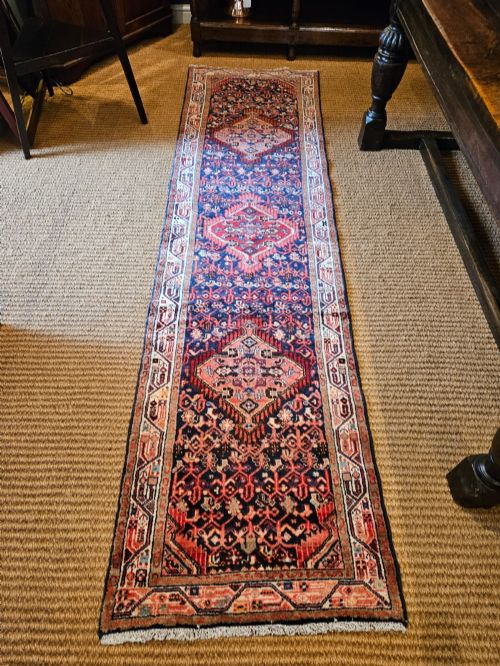
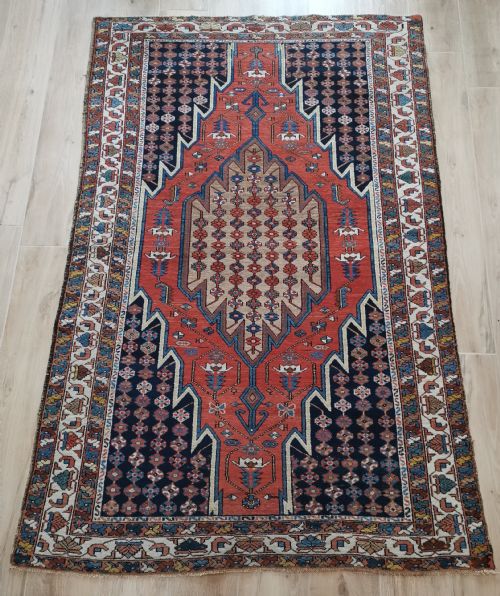
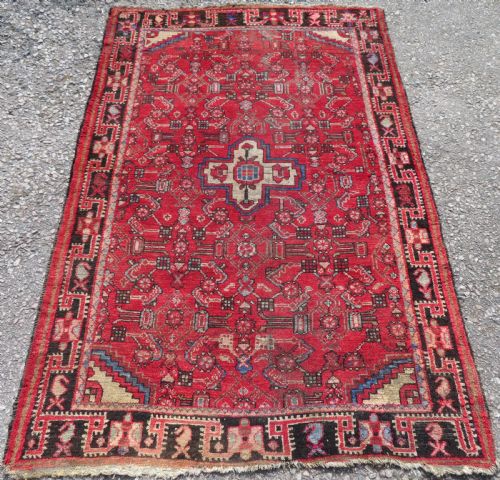
Handwoven Wool Runner Rug
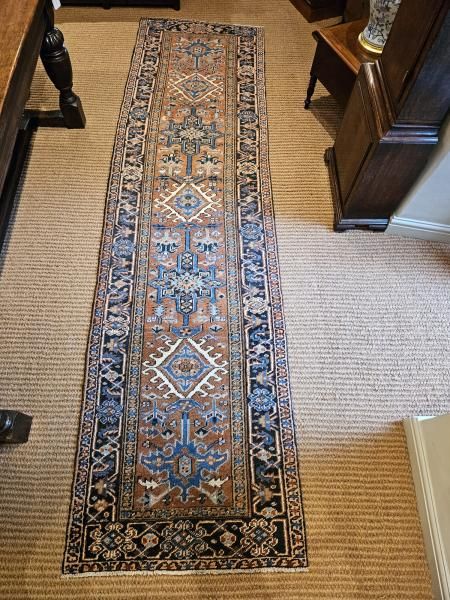
A handwoven wool runner rug brings texture and history to a hallway, formed from centuries of tribal and village weaving traditions.
Handwoven Wool Runner Rug
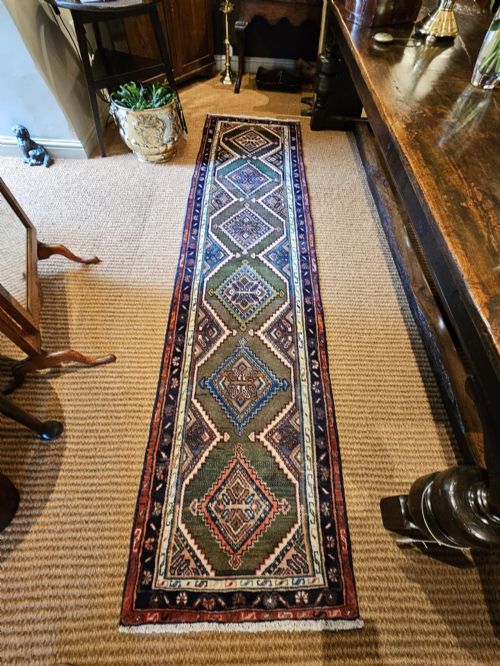
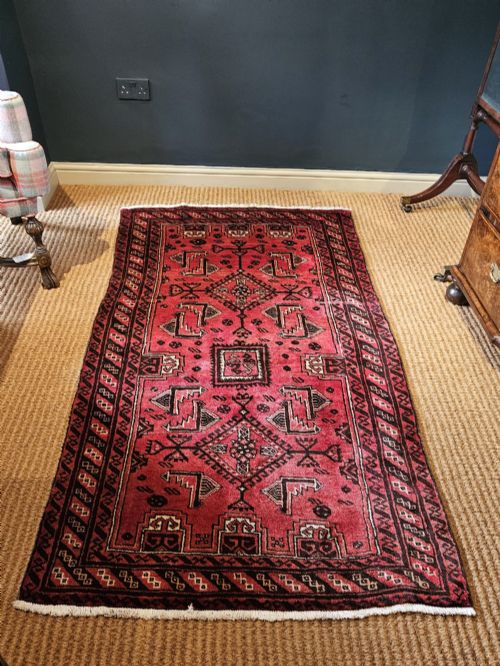
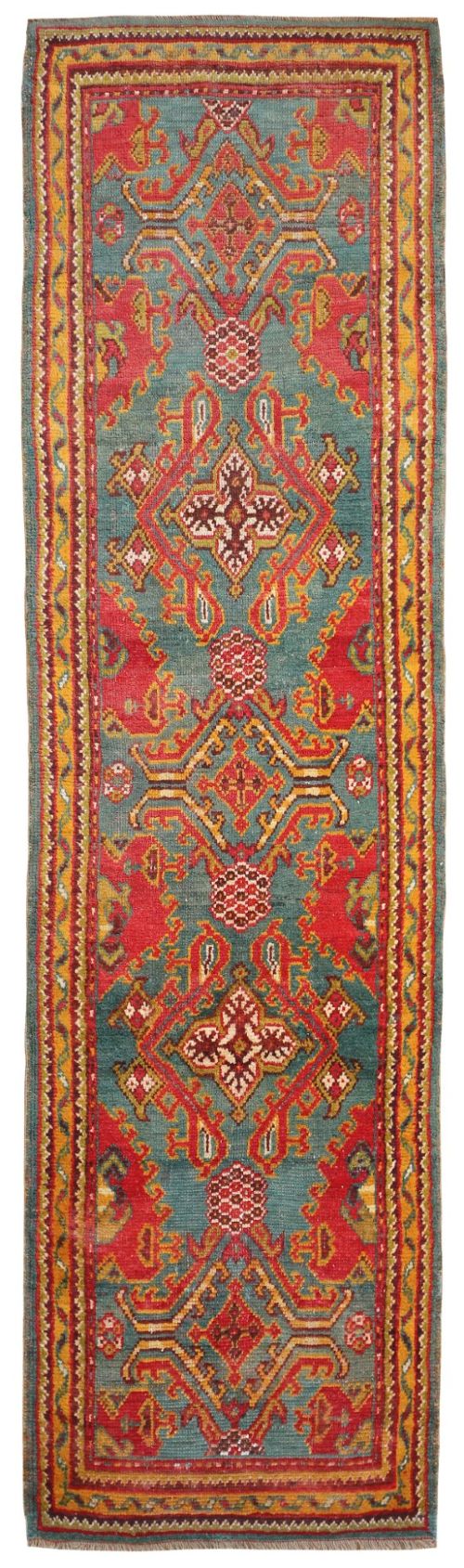
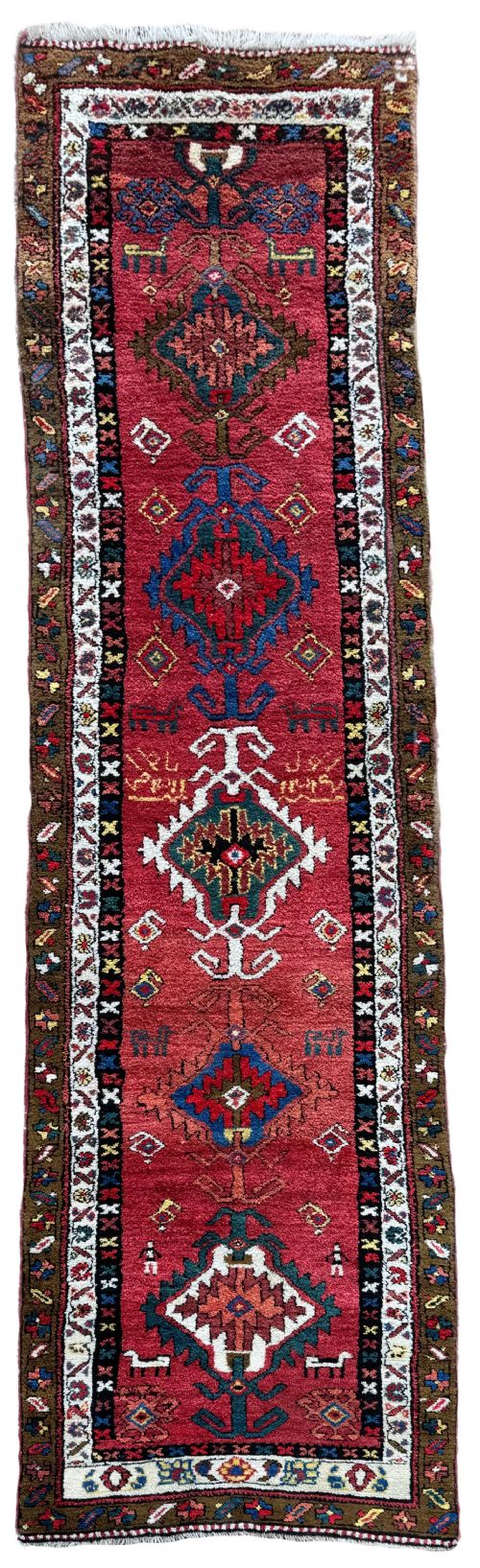
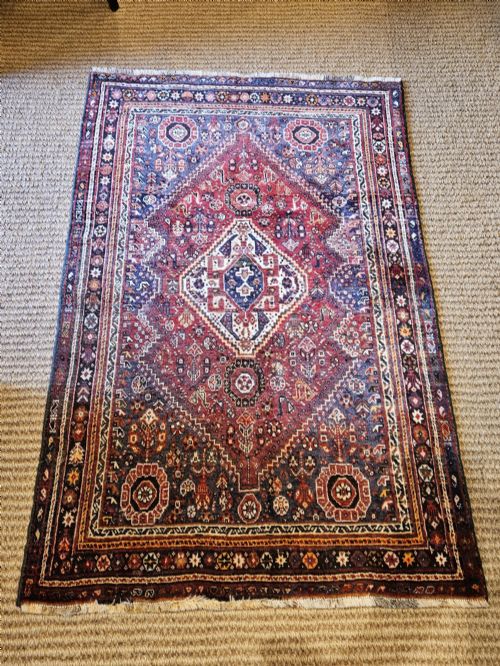
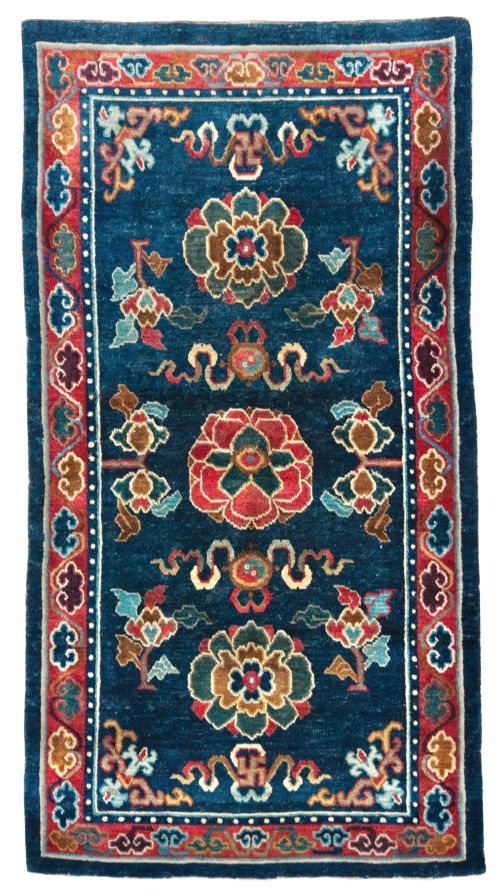
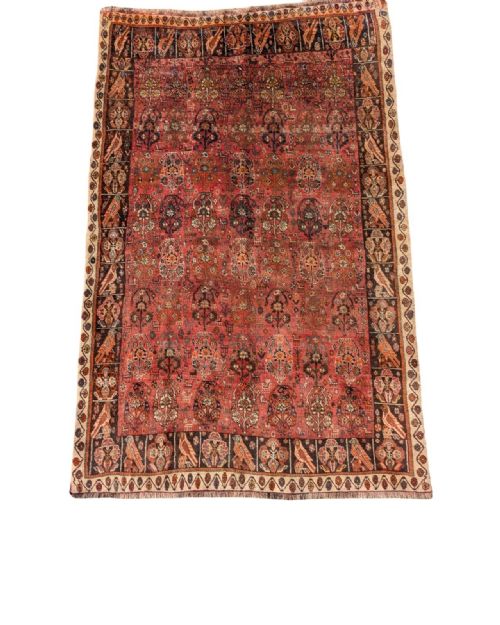
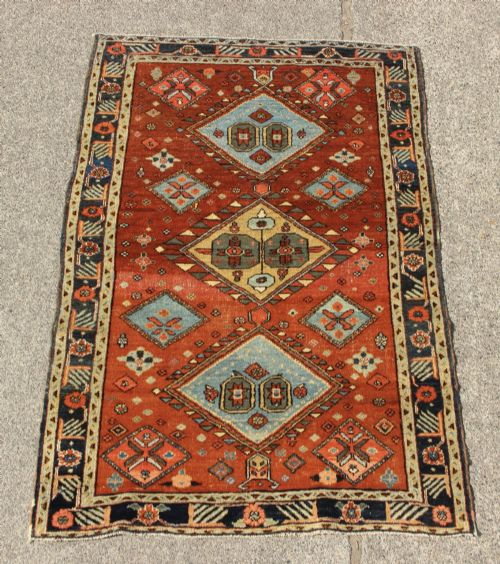
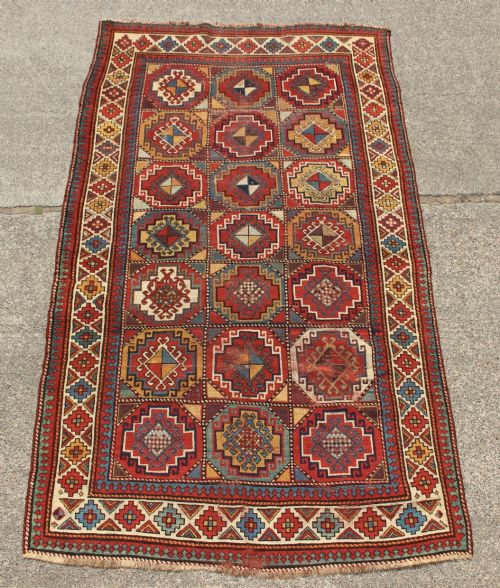
When someone searches for a handwoven wool runner rug, they encounter elongated textiles designed for corridors and narrow spaces, drawing upon regional traditions from Persia, the Caucasus, and Anatolia. These pieces emerge from periods spanning the late nineteenth century through the early decades of the twentieth century, reflecting the distinct aesthetics of diverse tribal groups and village workshops.
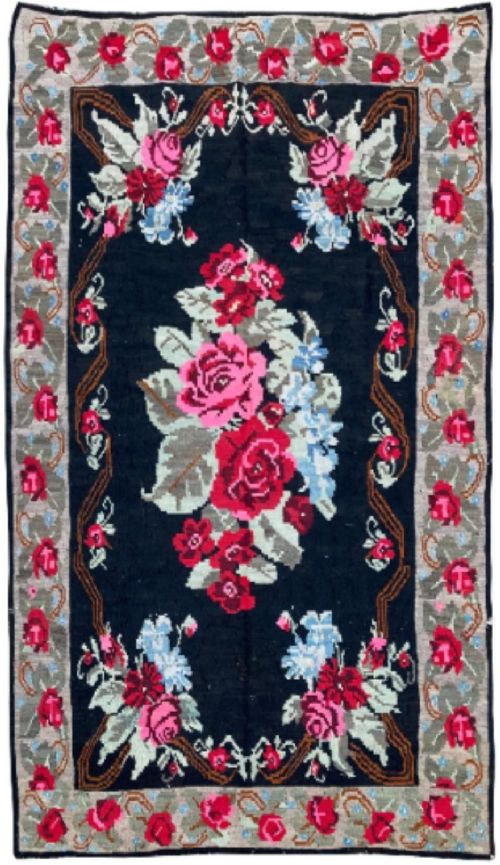
The versions most commonly met on this page include tribal runners and village carpets originating from areas such as Heriz, Bidjar, Hamadan, and Kurdish regions. Such items combine functional utility with intricate geometric or floral motifs, woven by hands that followed patterns passed down through generations.
Materials and construction methods
Makers utilised pure wool, hand-spun wool, and Tibetan wool for the pile, often pairing these with cotton foundations to ensure structural stability along narrow formats. Natural dyes provided the rich olive green, rust, and varied background hues that define the palette of these antique textiles.
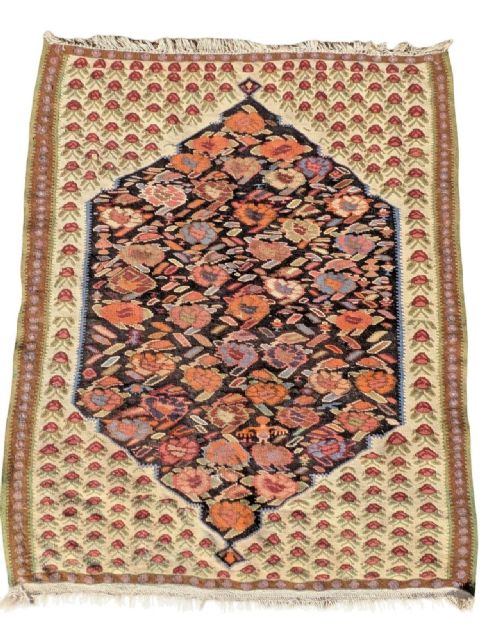
The weaving process relied on traditional knotting and flatweaving techniques executed on vertical or horizontal looms. Tribal weavers incorporated camel wool and natural colourants, resulting in durable floor coverings built to withstand heavy foot traffic.
Handwoven Wool Runner Rug Retail Price Guide 2026
Typical asking prices for handwoven wool runner rug among the pieces listed under this phrase on Sellingantiques today, from the lower quarter to the upper quarter. They describe what is for sale here now, not the wider market.
Listings feature pieces spanning the late nineteenth century through the 1930s, utilising wool, cotton, and natural dyes.
Evaluating the standard of execution
Knot density and the precision of the geometric or floral layout dictate the upper tiers of the range, where skilled weavers achieved remarkable clarity in intricate border designs. The selection of natural dyes also separates superior examples, as certain colourants age with greater depth and nuance than others.
Structural integrity, including the survival of original selvedges and ends, separates well-preserved specimens from heavily worn items. The handling of wool preparation, particularly hand-spinning consistency, influences how the pile wears over decades of use.
The Handwoven Wool Runner Rug Glossary
- Runner
- An elongated carpet format specifically proportioned for corridors, hallways, and narrow architectural spaces. These pieces balance length with a constrained width.
- Kilim
- A flatwoven textile produced without a pile, resulting in a lightweight structure often characterised by sharp geometric patterns and slit-weave techniques.
- Pile
- The upright yarn loops or cut ends that form the soft surface of a rug, providing cushioning and protecting the foundation structure beneath.
- Selvedge
- The reinforced side edges of a rug, finished to prevent the horizontal weft threads from unravelling and to maintain the straight lines of the runner.
- Sofreh
- A specialised spread or cloth used by tribal groups for sharing meals or processing bread dough, often treated as a decorative textile.
Handwoven Wool Runner Rug: Frequently Asked Questions
Where should I place a runner rug?
These elongated textiles suit hallways, corridors, and narrow entryways where floor warmth and visual interest are needed. Their proportions also make them effective alongside bedside areas or galley kitchens.
Ensure the chosen space allows doors to clear the pile height. Proper underlay helps keep the runner stable on hard flooring surfaces.
How do I clean a wool runner?
Routine care involves gentle vacuuming without a rotating brush roll to prevent snagging the hand-spun wool fibres. Address spills immediately by blotting with a clean cloth rather than rubbing.
Professional cleaning tailored to antique textiles remains necessary for deep washing. Avoid harsh chemical detergents that can strip natural dyes from the wool.
How can I tell tribal rugs apart?
Distinctions rely on structural traits, colour palettes, and characteristic border motifs associated with specific geographic regions or nomadic groups. For instance, pieces from Heriz often feature bold geometric medallions, while Kurdish or Baluch items display distinct tribal symbols.
Examining the knotting style and the foundation materials provides further clues to tribal origin. Regional weaving centres maintained strict design traditions that help identify where a piece was made.
Are these rugs durable for daily use?
Hand-spun wool combined with tight knotting provides natural resilience against heavy foot traffic in domestic settings. The inherent lanolin in the wool helps repel dirt and moisture.
Placing a quality rug pad underneath reduces friction between the floor and the foundation. This simple step extends the active lifespan of antique runners significantly.