



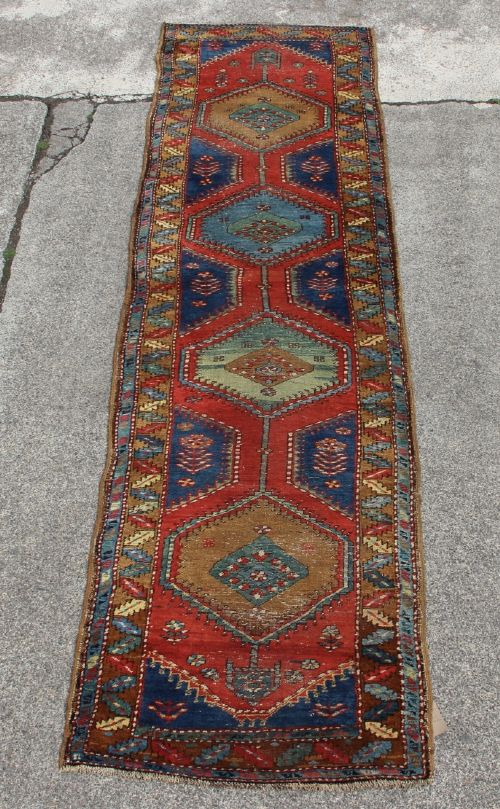

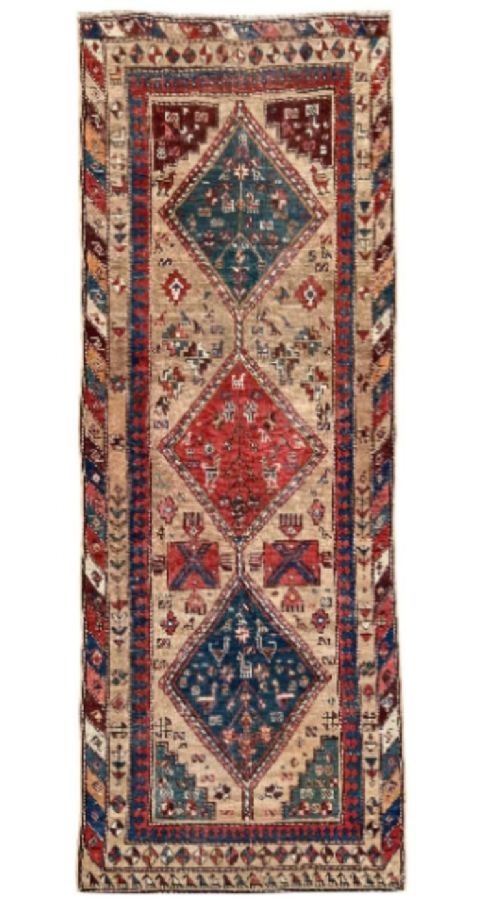
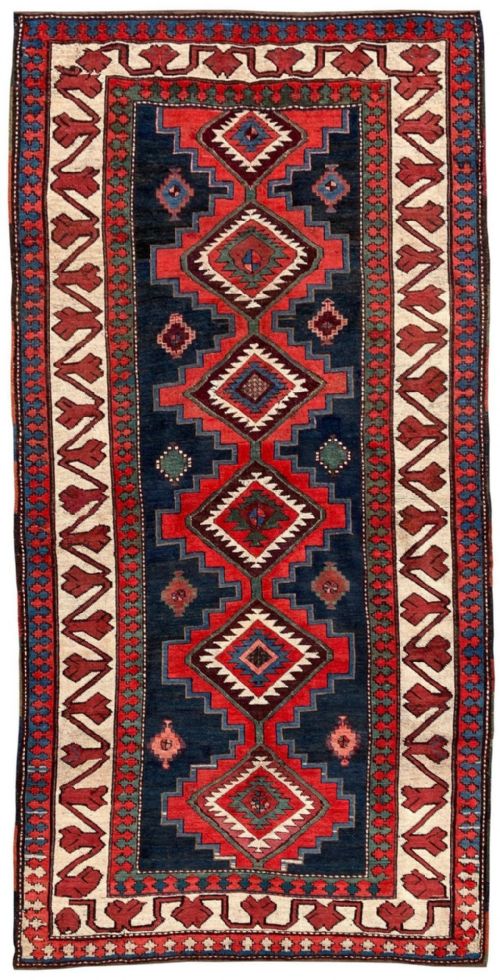
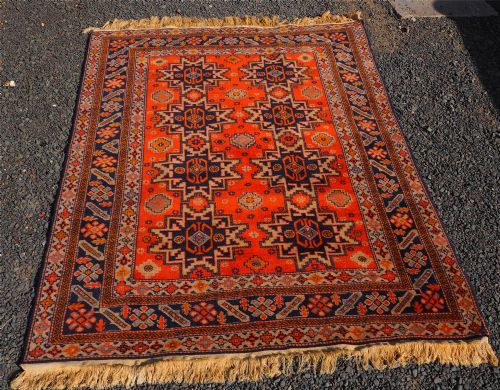
Geometric Tribal Runner Rug
A geometric tribal runner rug brings bold motifs and hard-wearing wool into a long hallway.
Geometric Tribal Runner Rug
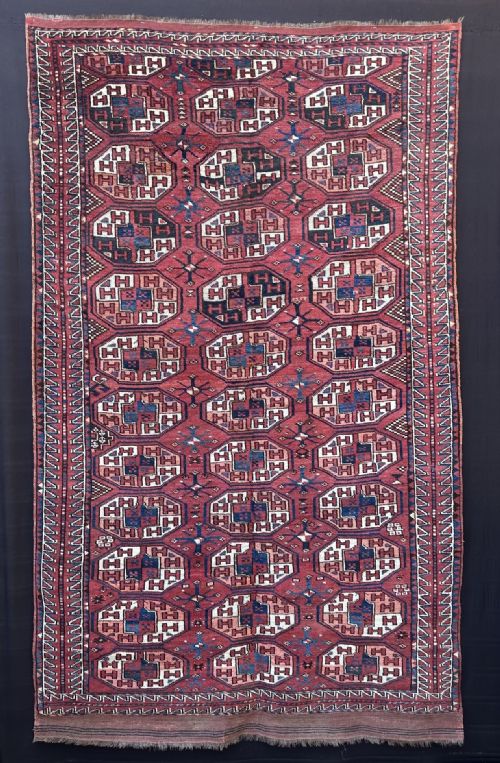
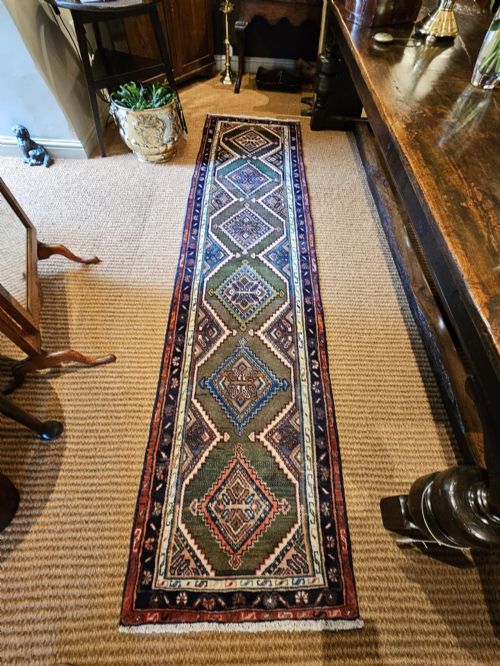
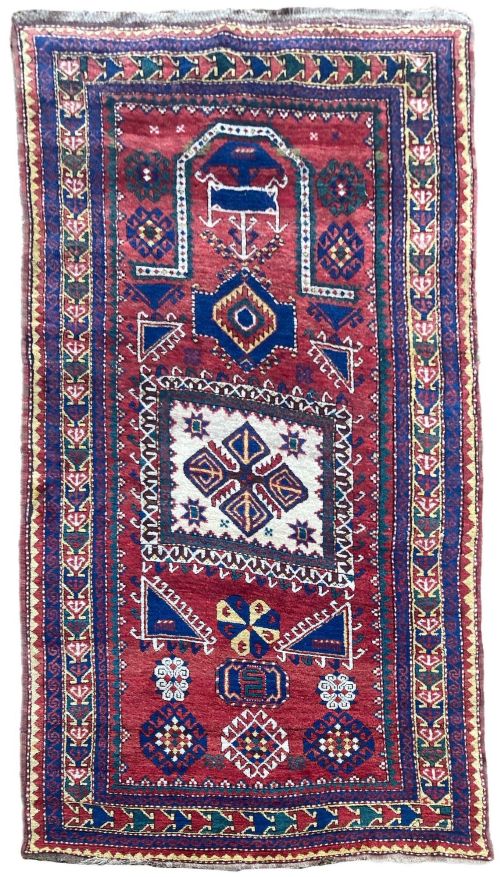
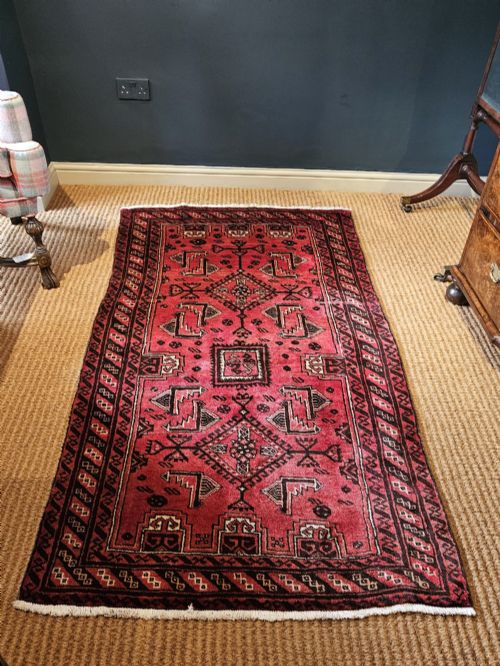
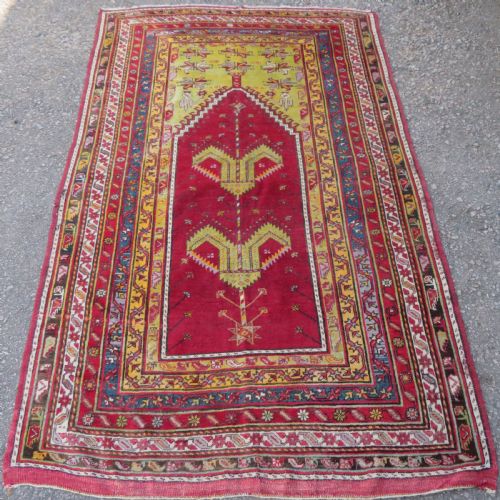
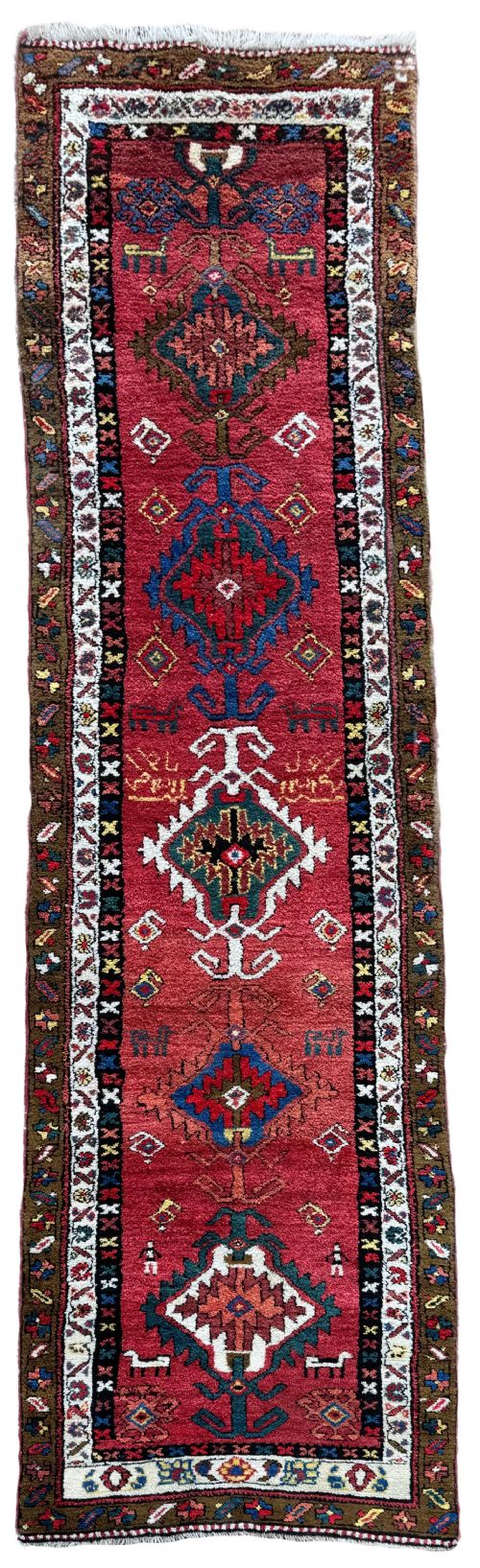
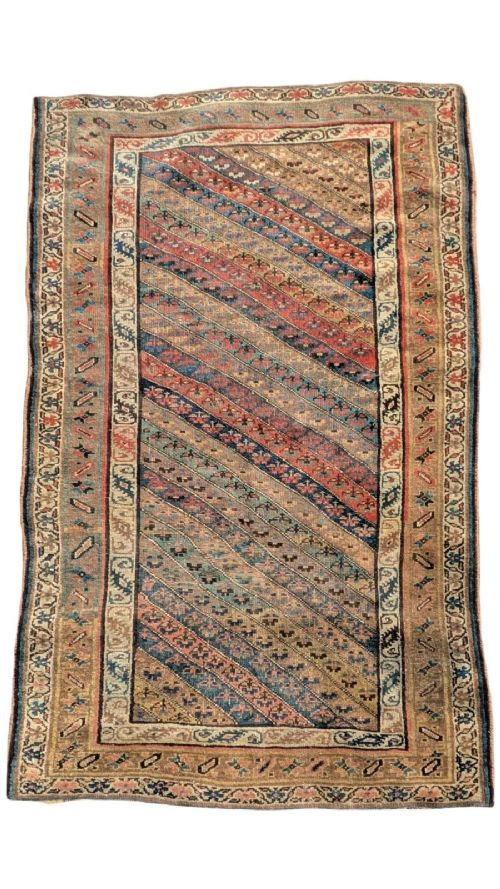
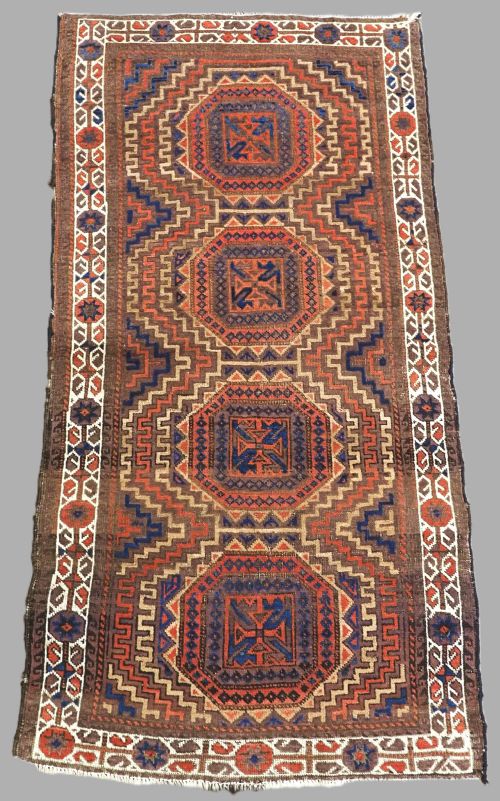
A geometric tribal runner rug is a long, narrow textile woven by nomadic or village makers, featuring sharp angles, medallions, and repeated symbols rather than curving floral patterns. You will most frequently meet pieces from Persian, Caucasian, and Afghan origins dating from the late nineteenth century up to the early twentieth century.
These elongated carpets were designed for corridors, hallways, and narrow spaces where a standard room-sized rug would not fit. The compositions rely on repeating shields, latch-hook medallions, and stylized boteh motifs passed down through generations of weavers.
The selection ranges from North-West Persian village weaves to specific tribal outputs such as Baluch, Kurdish, and Luri pieces. Each type carries distinct regional palettes and structural habits that identify its making.
How they were made
The construction of these runners relies on durable hand-spun wool for the pile, providing resilience under heavy foot traffic. Foundations commonly utilise sturdy cotton or wool warps and wefts to hold the dense knotting in place.
Weavers tied symmetrical or asymmetrical knots by hand on vertical looms, building up the sharp linear designs row by row. Natural dyes provided the deep reds, blues, and earthy tones that age with a rich patina over the decades.
Geometric Tribal Runner Rug Retail Price Guide 2026
Typical asking prices for geometric tribal runner rug among the pieces listed under this phrase on Sellingantiques today, from the lower quarter to the upper quarter. They describe what is for sale here now, not the wider market.
Listings feature wool and cotton materials across pieces dated between eighteen-seventy and nineteen-twenty.
What varies in quality
Quality in these runners rests upon the tightness of the knotting and the precision of the geometric layout. Finer examples display crisper lines in the latch-hook medallions and greater density in the wool pile.
The choice of dyestuffs and the balance of the overall composition also separate standard village pieces from exceptional tribal weaving. A harmonious palette and well-proportioned borders indicate a more thoughtful and skilled execution at the loom.
The Geometric Tribal Runner Rug Glossary
- Boteh
- A stylized almond or paisley motif often filled with geometric details. This ancient symbol appears frequently in Caucasian and Persian tribal weaving.
- Latch hook
- A small, stepped graphic hook attached to larger diamond or polygon medallions. It acts as a protective or decorative device in tribal rugs.
- Warps
- The vertical strings stretched taut on the loom before weaving begins. The pile knots are tied around these foundational threads.
- Weft
- The horizontal threads passed back and forth over and under the warp strings. They secure each row of knots firmly in place.
Geometric Tribal Runner Rug: Frequently Asked Questions
Where do I put a runner?
These narrow carpets suit long hallways, corridors, and bedside spaces where narrow dimensions are required. Their linear format directs the eye down a passage while protecting wooden floors.
They also function well in kitchens or stair landings if the length matches the structural proportions of the room.
How do I clean my rug?
Gentle surface brushing and careful vacuuming without the rotating beater bar remove loose dirt from the wool pile. Professional specialist cleaning is recommended for deeper maintenance.
Avoid soaking antique natural-dyed textiles in water or using harsh chemical detergents that strip the wool of its natural oils.
Are these rugs durable?
Hand-spun wool combined with a sturdy foundation makes these antique textiles remarkably resilient for daily use. The natural lanolin in older wool resists dirt and cushions the fibres against heavy footsteps.
Proper placement over a suitable underlay prevents slipping and reduces friction between the backing and the floorboards.
How do I identify tribal designs?
Tribal designs feature angular polygons, repeating shield motifs, and stark geometric borders rather than sweeping court curves. These patterns reflect the local traditions and practical aesthetics of village and nomadic makers.
Differences in knot count, wool texture, and fringe finishing help distinguish pieces from the Caucasus, Persia, or Afghanistan.