





Persian Kurdish Rug
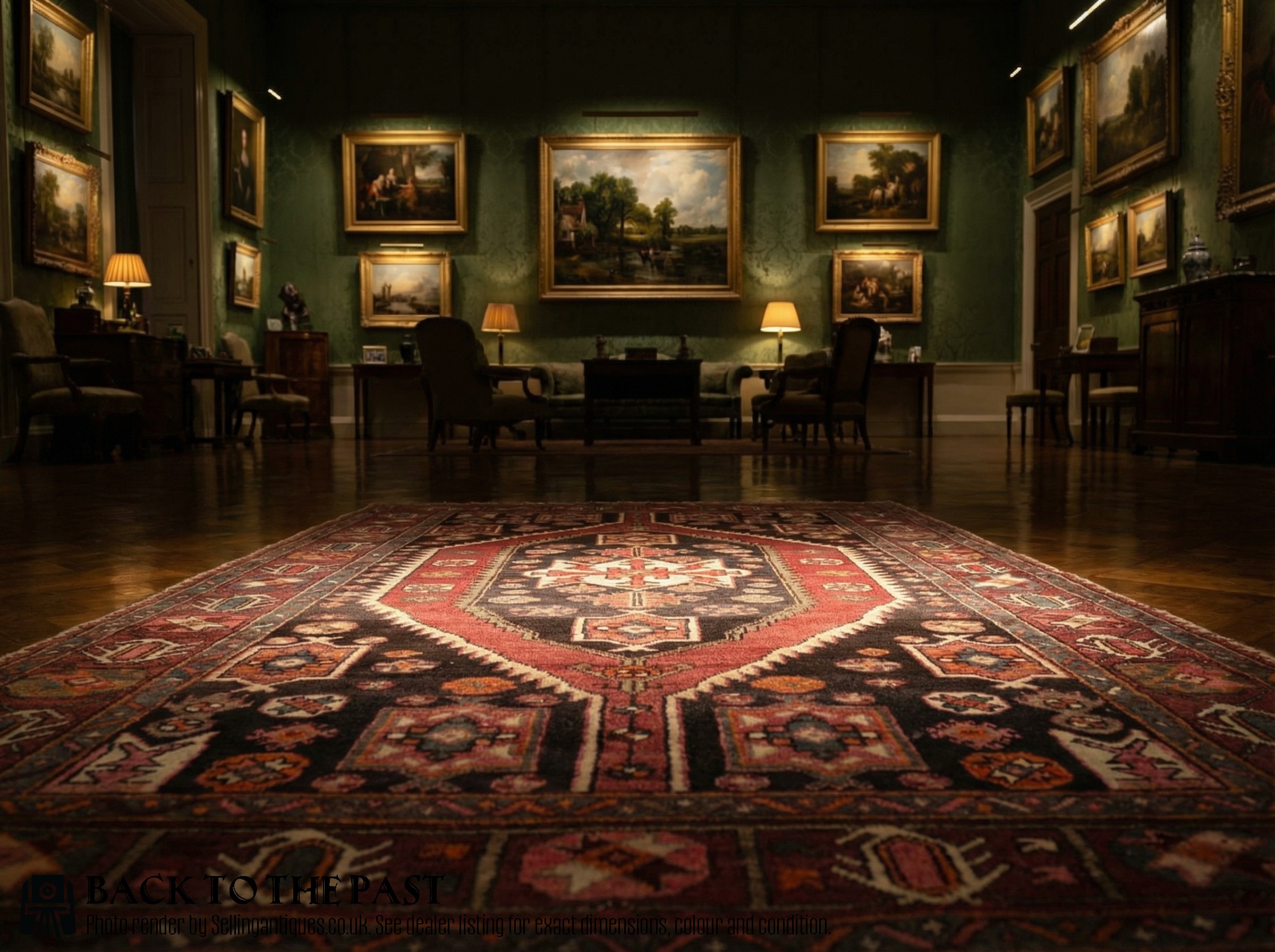
When you unfold a persian kurdish rug, you handle a heavy tribal textile woven with geometric patterns and dyed with natural colours across the late nineteenth and early twentieth centuries.
Persian Kurdish Rug
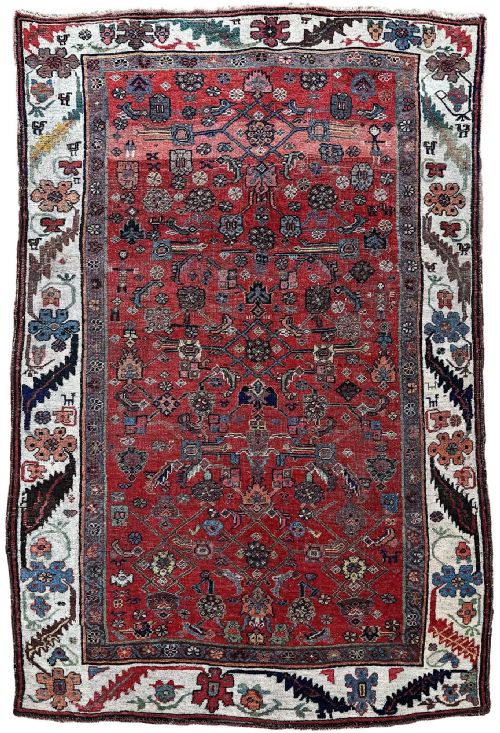
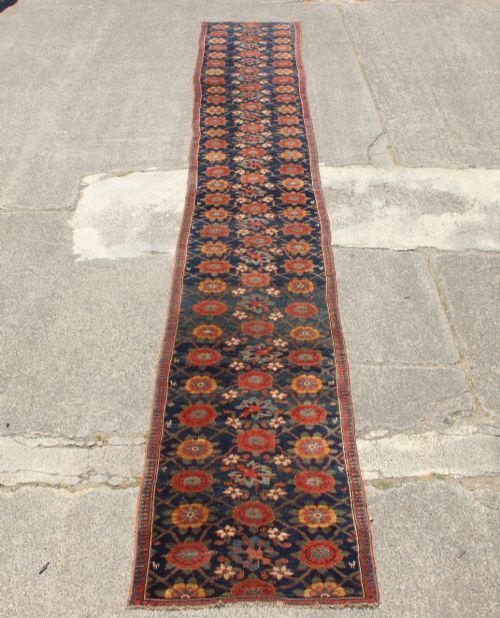
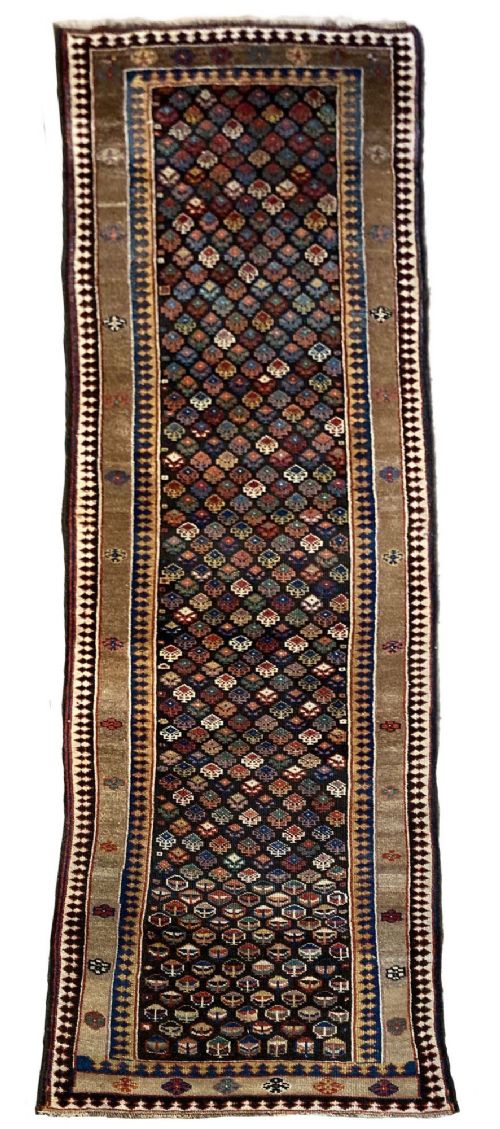
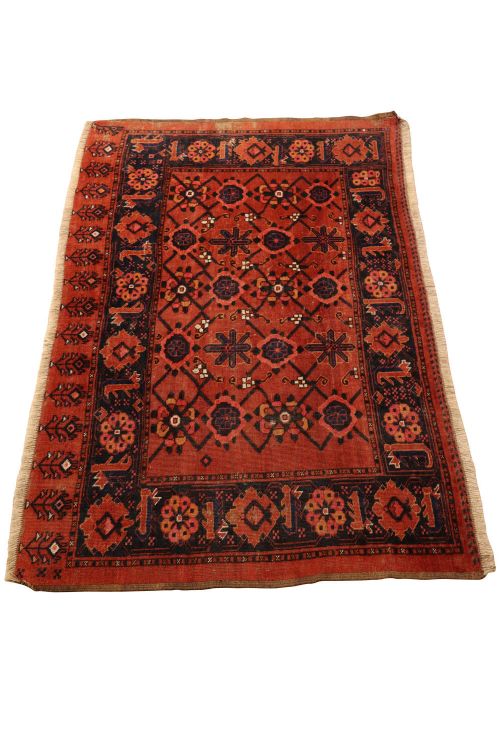
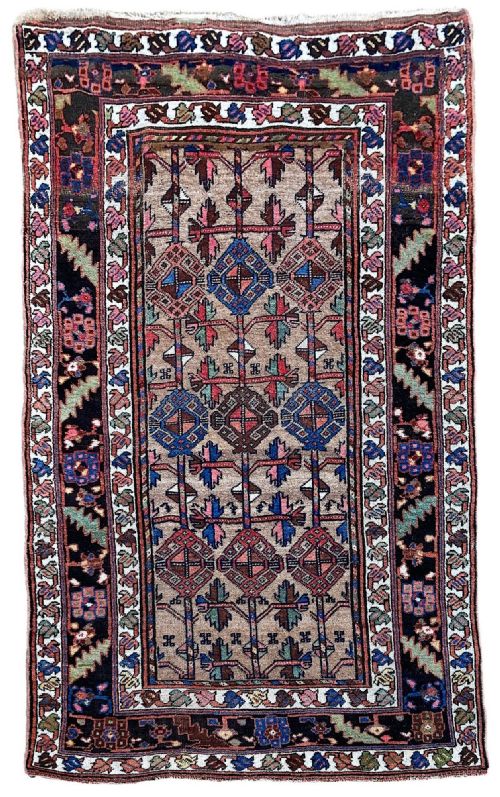
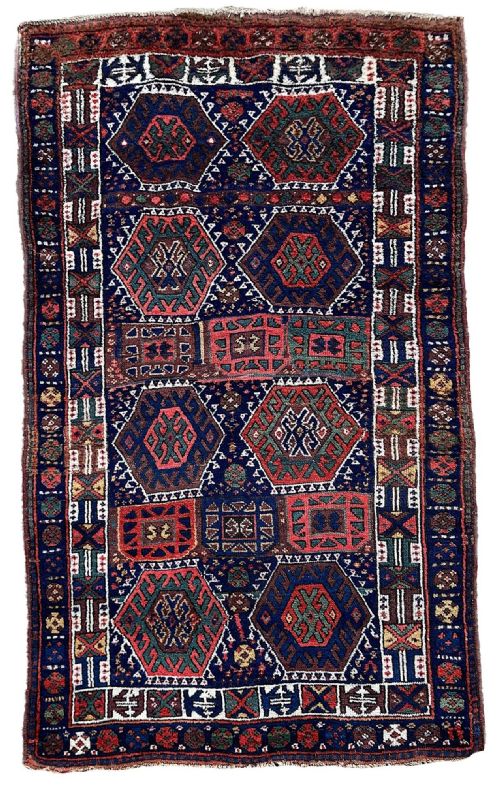
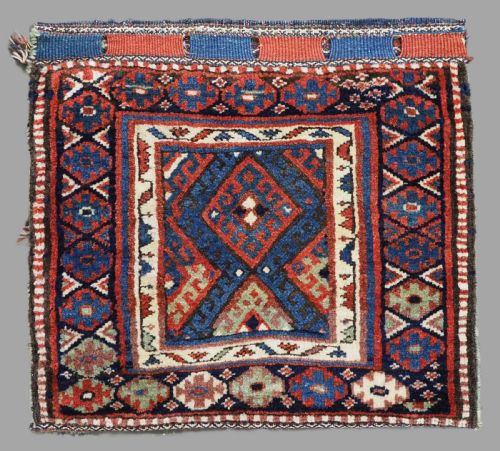
A persian kurdish rug encompasses practical floor coverings, long runners, and smaller utility items like saddlebags produced by tribal weavers in western Persia. These pieces date primarily from the late nineteenth century through to the early decades of the twentieth century, reflecting established regional weaving traditions.
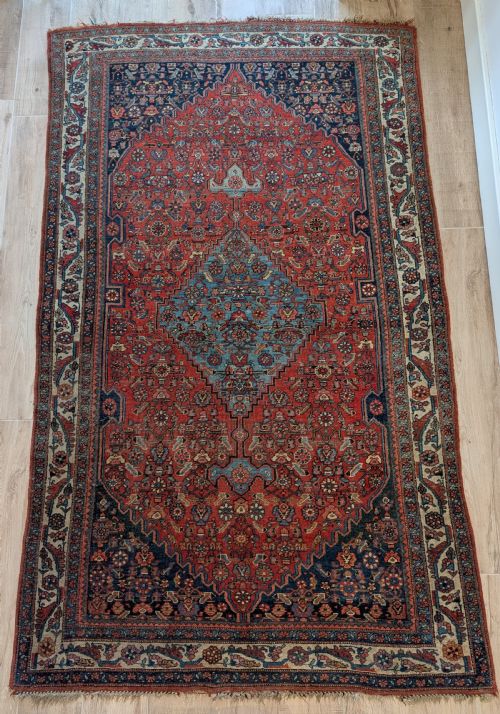
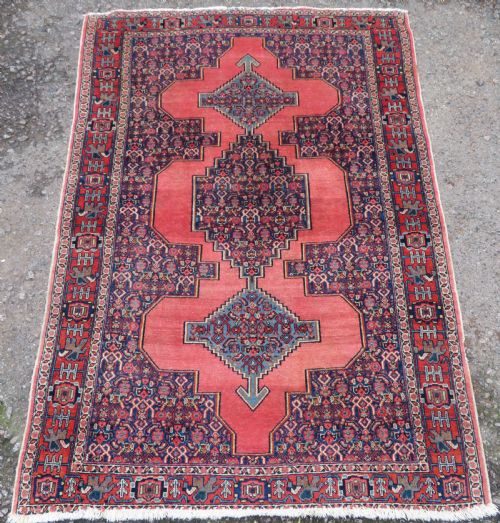
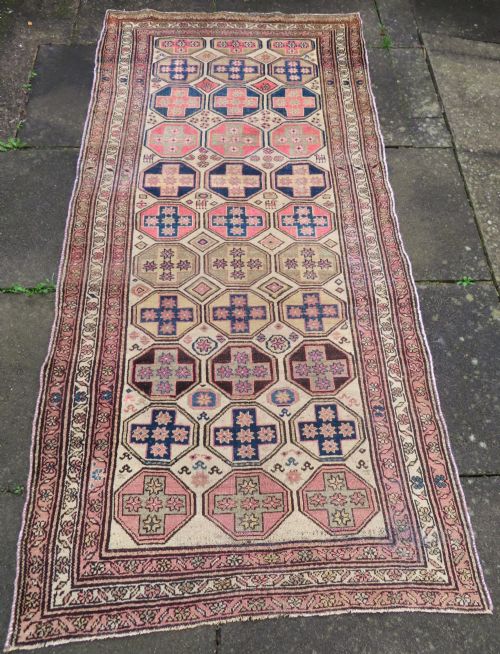
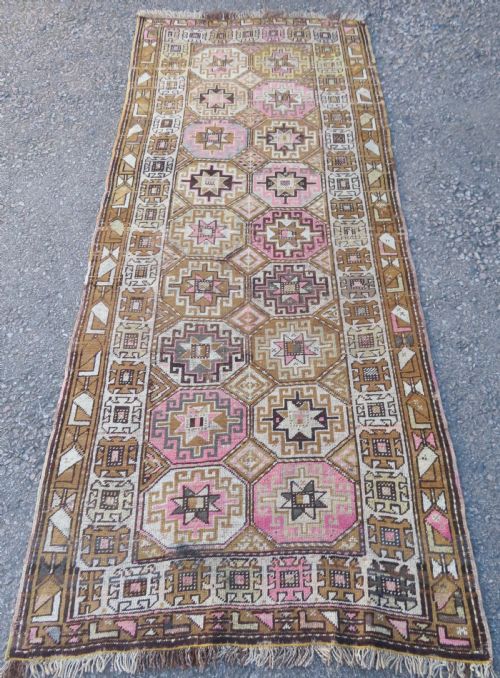
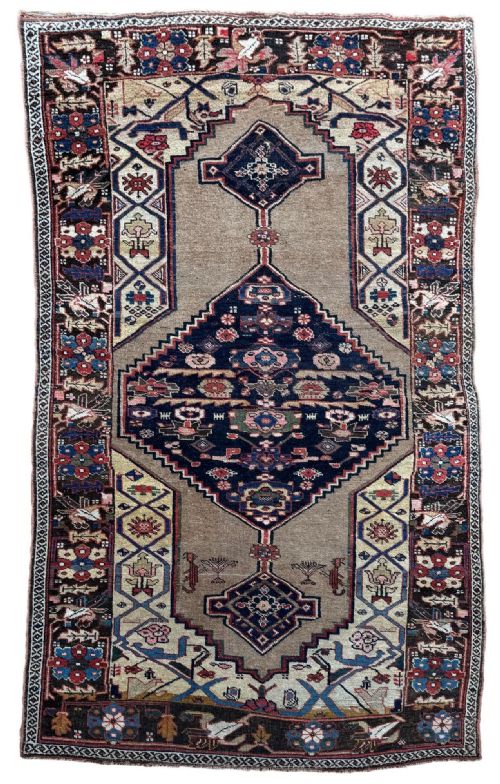
Buyers on this page most frequently encounter room-sized carpets, narrower corridor runners, and smaller scatter rugs bearing distinctive tribal and geometric motifs. Examples often originate from specific weaving centres such as Bidjar, Senneh, and Hamadan, showing the diverse output of Kurdish groups working in the region.
The aesthetic ranges from bold, repeating patterns like the Mina Khani and Herati designs to intricate lattice work and structured medallion formats. These floor coverings were constructed to withstand heavy domestic use while displaying the traditional artistic vocabulary of their makers.
Materials and Construction
The foundation of these textiles typically relies on sturdy cotton warps and wefts, though traditional wool foundations also occur. Hand-spun wool forms the thick pile, providing resilience and a dense handle that absorbs natural dyes effectively.
Weavers utilised natural dyes derived from local plants and minerals to achieve deep shades of indigo, madder red, and earthy tones that age gracefully. Goat hair is occasionally incorporated into the outer corded edges or side bindings to protect against wear.
Persian Kurdish Rug Retail Price Guide 2026
Typical asking prices for persian kurdish rug among the pieces listed under this phrase on Sellingantiques today, from the lower quarter to the upper quarter. They describe what is for sale here now, not the wider market.
Listings feature wool, cotton, and hand-spun wool across nineteenth and early twentieth century periods.
Evaluating Quality and Execution
The distinction between standard and superior pieces rests upon the density of the knotting and the crispness of the geometric design execution. Finer examples display meticulous control over complex lattice patterns and maintain straight, uniform borders across the entire length of the carpet.
Material selection significantly influences the tactile appeal and longevity of the textile. Superior pieces utilise exceptionally lustrous hand-spun wool combined with vibrant natural dyes that retain their depth and clarity over generations of use.
The Persian Kurdish Rug Glossary
- Kelleh
- A long, narrow carpet format traditionally used in Persian domestic interiors. These pieces typically measure roughly twice as long as they are wide.
- Mina Khani
- A repeating geometric pattern of flowers connected by delicate lattice lines. This motif is frequently seen across classical Persian and Kurdish tribal carpets.
- Chanteh
- A small tribal bag or pouch with a single compartment, often woven with decorative pile or flatweave faces. They were used for carrying personal items or as storage containers.
- Boteh
- A stylised almond or pear-shaped motif representing a floral shoot or cypress tree. It appears singly or in all-over field patterns across many regional textiles.
- Bidjar
- A town in western Persia known for producing exceptionally heavy, densely knotted carpets with robust wool foundations. Rugs from this region are often referred to as iron rugs of Persia.
Persian Kurdish Rug: Frequently Asked Questions
How were these rugs used originally?
Weavers and their families utilised these textiles primarily as heavy floor coverings in domestic spaces, tents, and village houses. Long runners were placed in corridors, while smaller bags and face pieces served practical storage functions during nomadic migration.
Nomadic and village households also used smaller mats for sitting or sleeping, relying on the thick wool pile for insulation against cold earthen floors. Over time, many of these utilitarian items became valued household furnishings passed down through generations.
Where were these rugs made?
These textiles were produced by Kurdish tribes settled across the mountainous regions of western Persia, including areas surrounding Bidjar, Senneh, and Hamadan. Local weavers incorporated distinctive regional designs into their work while maintaining traditional tribal motifs.
Production was not confined to a single factory but spread across numerous villages and nomadic encampments. Each district developed distinct structural characteristics and colour palettes that help identify their geographical origin.
How do I care for a tribal rug?
Regular, gentle vacuuming without a rotating power brush helps remove embedded dust and grit from the wool pile. Professional cleaning by specialists familiar with antique vegetable-dyed textiles is recommended when deep washing becomes necessary.
Keeping the textile out of direct, prolonged sunlight prevents the natural dyes from fading unevenly. Using a suitable underlay helps prevent slipping and reduces friction between the rug and the floor surface.
What is a Jaf Kurd bag?
A Jaf Kurd bag is a utilitarian storage piece woven by the Jaf tribe, often featuring a patterned pile face and a plain weave back. These items were designed for practical transport and storage on pack animals.
Complete pieces retain both sides of the original construction, offering a glimpse into nomadic domestic equipment. Collectors prize them for their vibrant geometric designs and sturdy construction.