


Long Hallway Runner
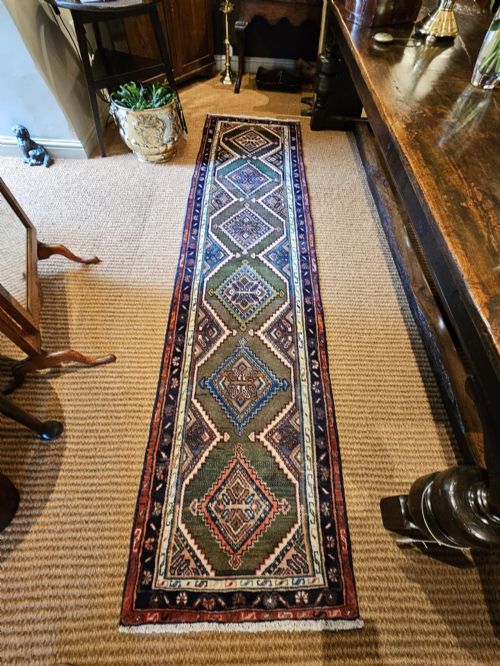
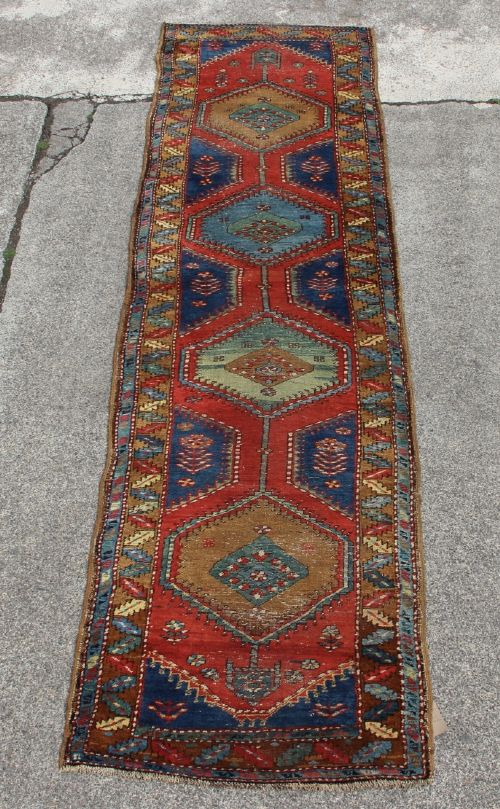
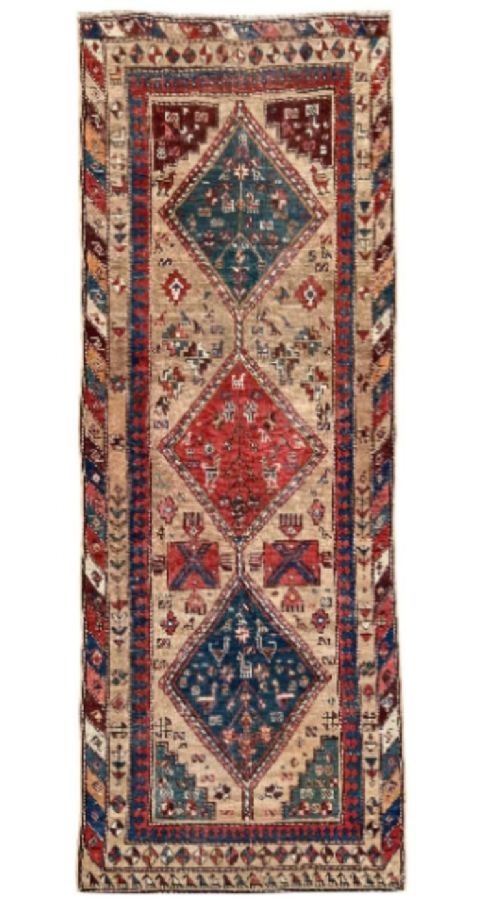
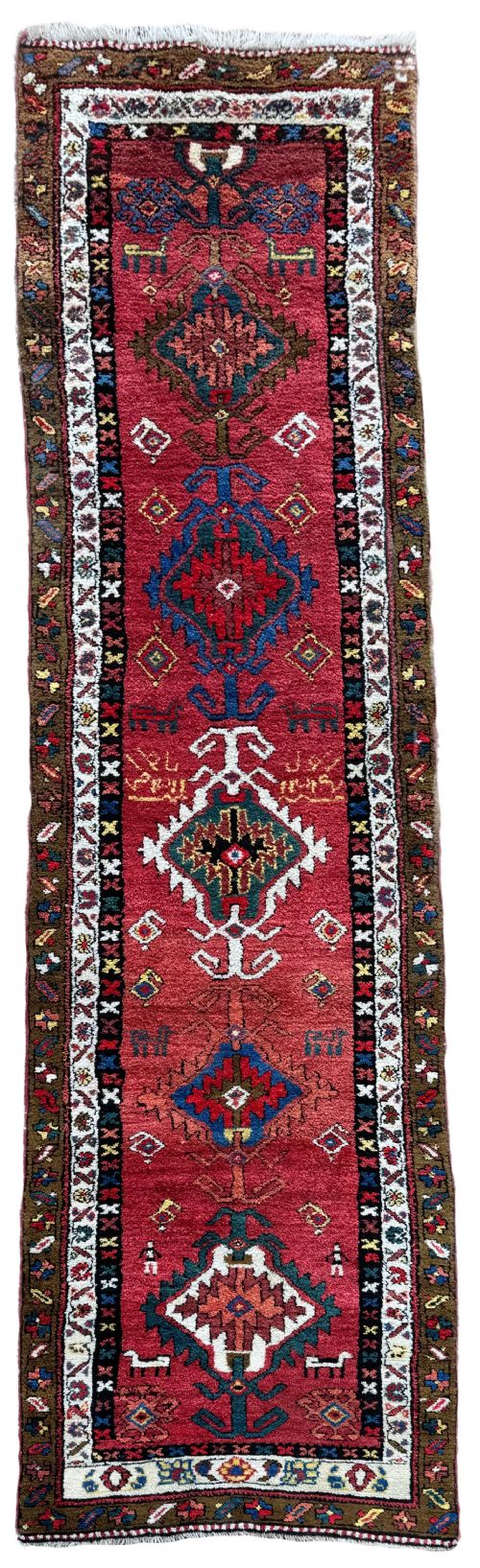
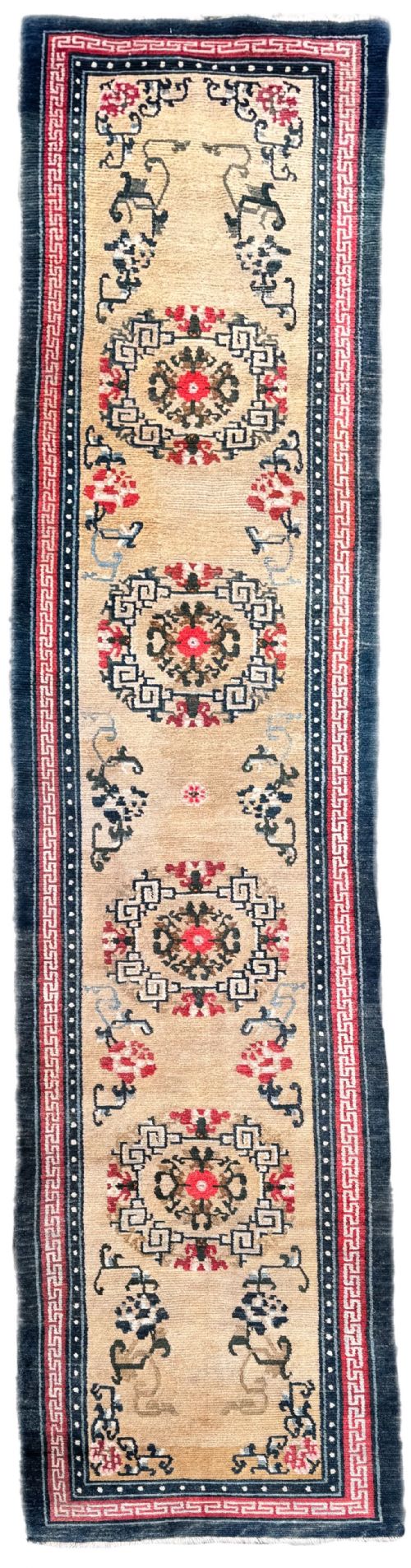
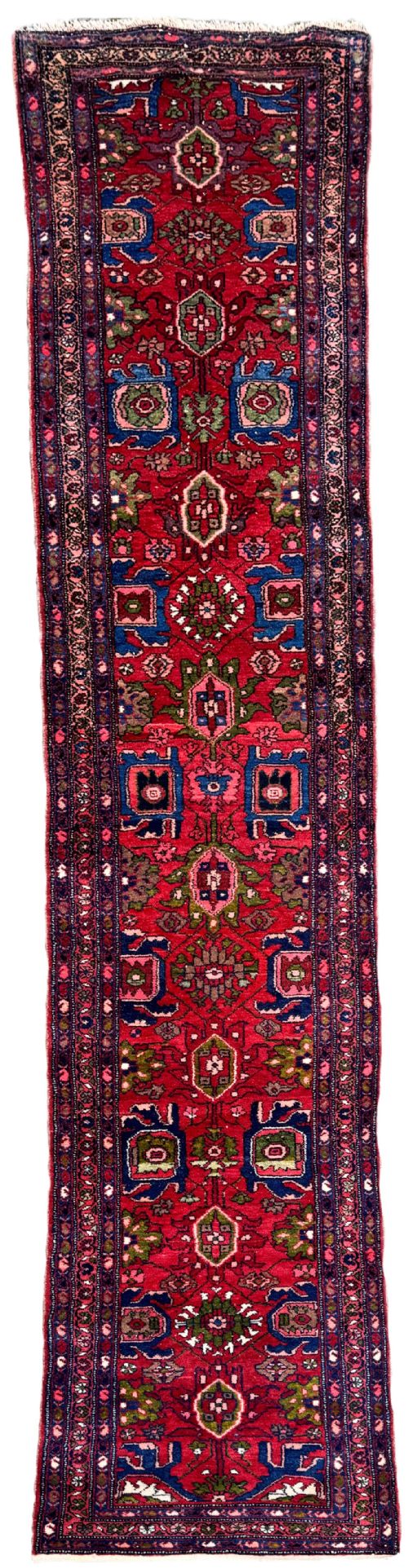
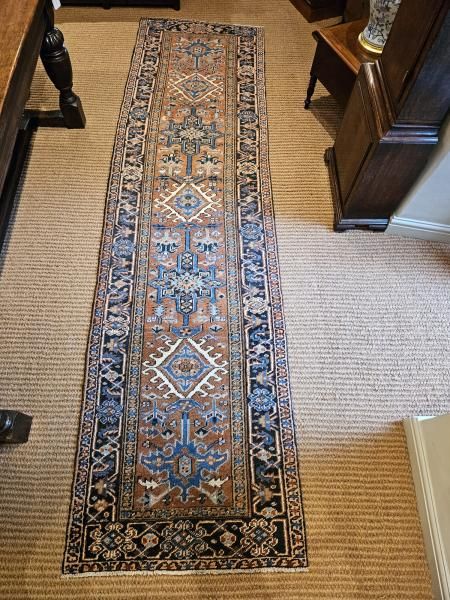
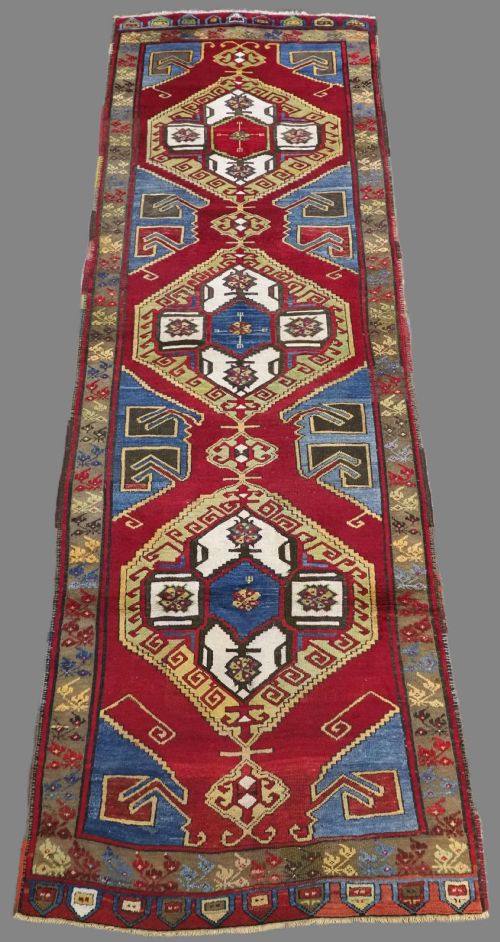
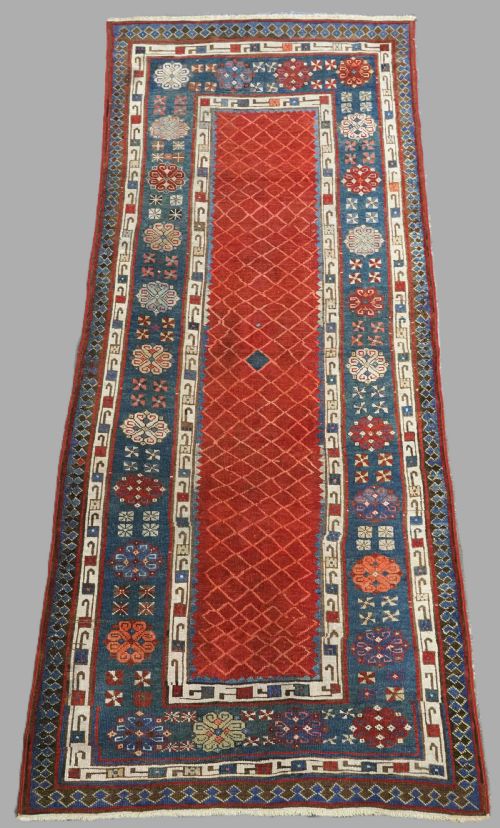
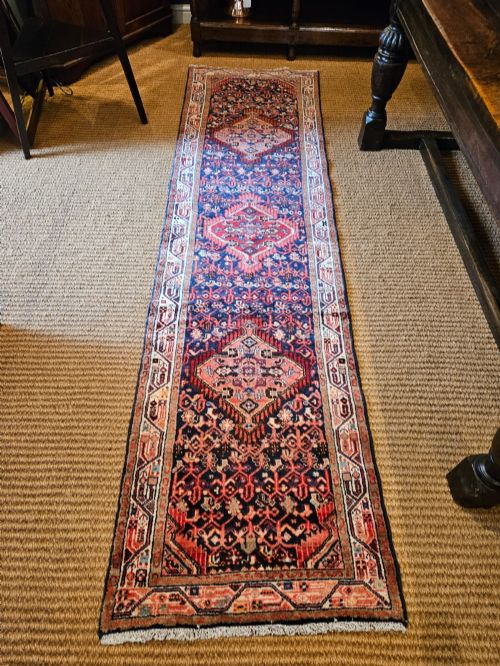
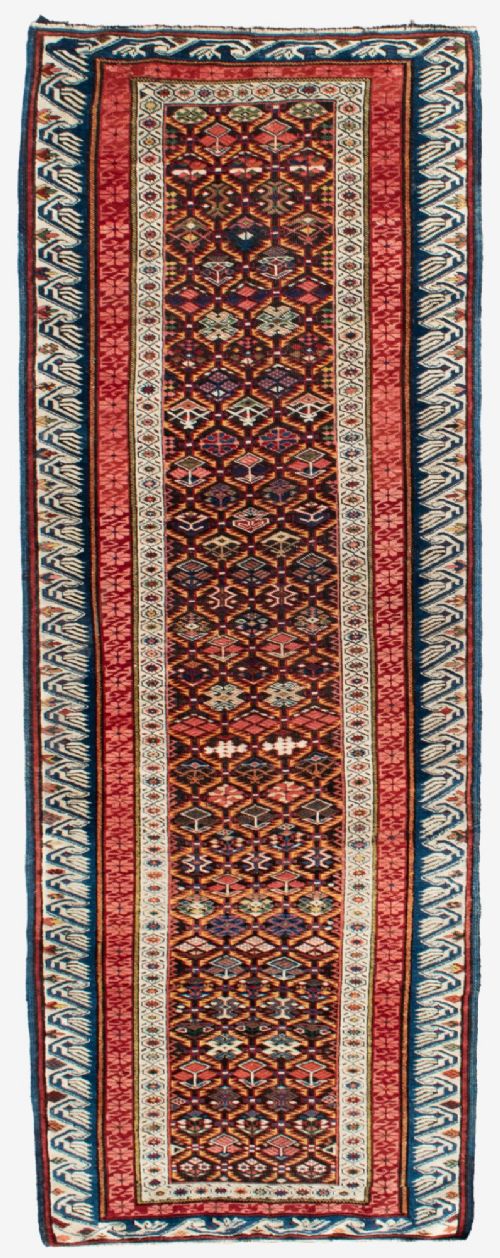
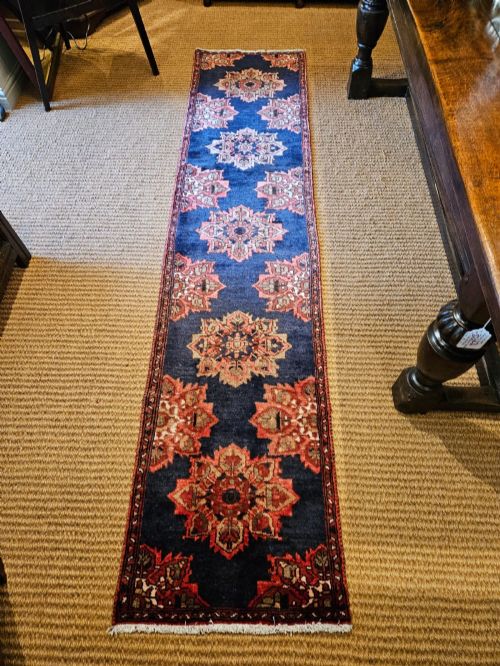
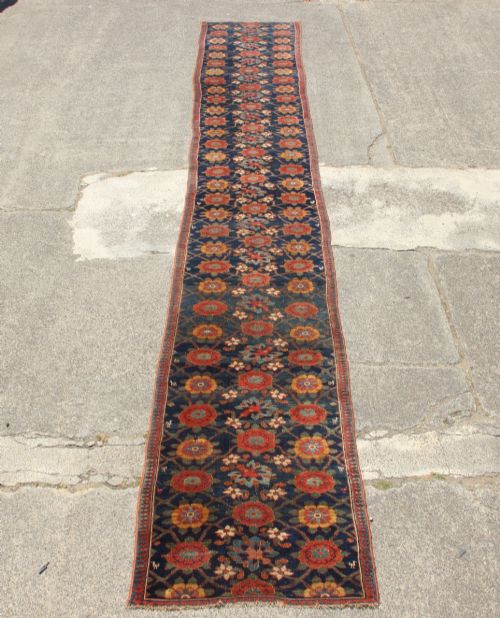
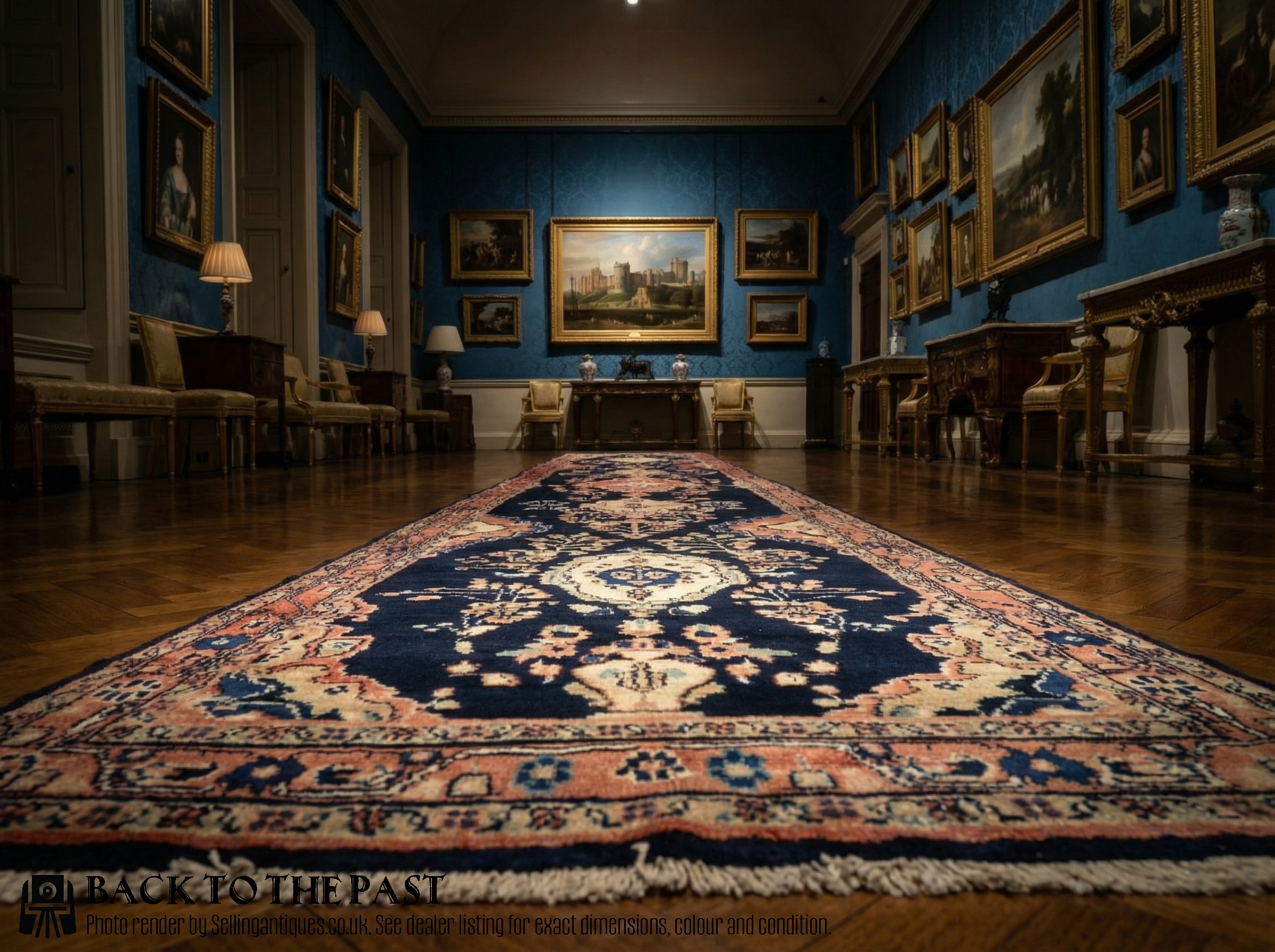
A long hallway runner connects rooms with patterned wool and deep historical colour.
Long Hallway Runner
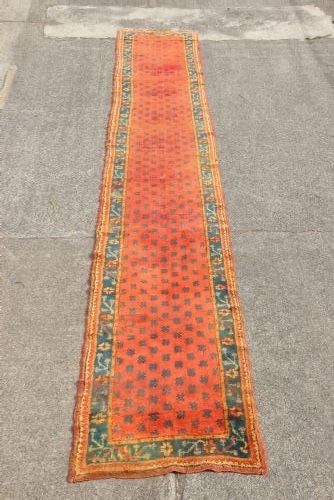
The selections available here include Persian tribal rugs, Kurdish tribal pieces, and specific regional types such as Heriz, Malayer, Hamadan, and East Turkestan. Buyers most frequently encounter elongated formats designed specifically for corridors and narrow passages.
Originating across periods from eighteen ninety to nineteen thirty, these narrow runners bring historical depth and robust textile construction to domestic floors. Each piece displays distinct tribal motifs adapted to extended rectangular formats.

Materials and construction methods
Weavers construct these runners primarily using durable wool for the pile and cotton for the foundational warp and weft threads. This combination provides the structural stability required for heavy foot traffic in narrow corridors.
Traditional hand-knotting techniques secure the wool fibres firmly to the cotton foundation, ensuring a dense and resilient surface. Natural dye traditions yield the rich olive green, deep reds, and muted blues recorded across the inventory.
Long Hallway Runner Retail Price Guide 2026
Typical asking prices for long hallway runner among the pieces listed under this phrase on Sellingantiques today, from the lower quarter to the upper quarter. They describe what is for sale here now, not the wider market.
The inventory spans the late nineteenth century through to nineteen thirty, featuring wool and cotton materials from Persian and East Turkestan traditions.
Judging quality in runner rugs
Knot density and structural tightness dictate the longevity and definition of the geometric or floral motifs. Finer knotting allows intricate regional patterns to remain sharp along the extended length of the narrow format.
The integrity of the cotton foundation and the even wear of the wool pile determine how well the piece retains its original proportions. Variations in wool quality influence the tactile depth and the way light catches the surface.
The Long Hallway Runner Glossary
- Warp
- The vertical threads stretched across the loom that form the structural skeleton of the rug. Cotton is standard here for strength.
- Weft
- The horizontal threads passed through the warp to bind the knots in place. They alternate with the warp to stabilise the woven structure.
- Pile
- The surface layer of upright wool loops or cut ends that form the soft texture. Dense wool pile absorbs foot traffic and protects the foundation.
- Kilim
- A flatweave textile structure often used at the ends of runner rugs for reinforcement. It lacks the raised pile found in standard knotted carpets.
- Corridor
- An extended passage connecting rooms where narrow runners are traditionally laid. These spaces require durable textiles with high length-to-width ratios.
Long Hallway Runner: Frequently Asked Questions
Where should I place a long hallway runner?
These narrow rugs suit extended corridors, entrance halls, and transitional spaces where floor coverage protects high traffic areas.
Their elongated dimensions fit snugly between doorways without obstructing the swing of interior doors.
How do I clean an antique wool runner?
Gentle surface vacuuming without a rotating brush removes embedded grit from the wool pile safely.
Professional textile conservationists should handle deeper cleaning to protect natural dyes and fragile cotton foundations.
What materials are used in these runners?
Traditional construction relies on wool for the dense decorative pile and cotton for the supportive underlying structure.
This pairing delivers both tactile warmth and the mechanical strength needed for narrow, high-stress floor areas.
How do I date an antique runner?
Structural characteristics, regional design motifs, and the composition of the wool and cotton provide clues to the period of origin.
Archival comparisons with documented nineteenth and early twentieth century pieces help narrow down the decade.